
Pilot Giovanna Amati spotted wearing a Swatch
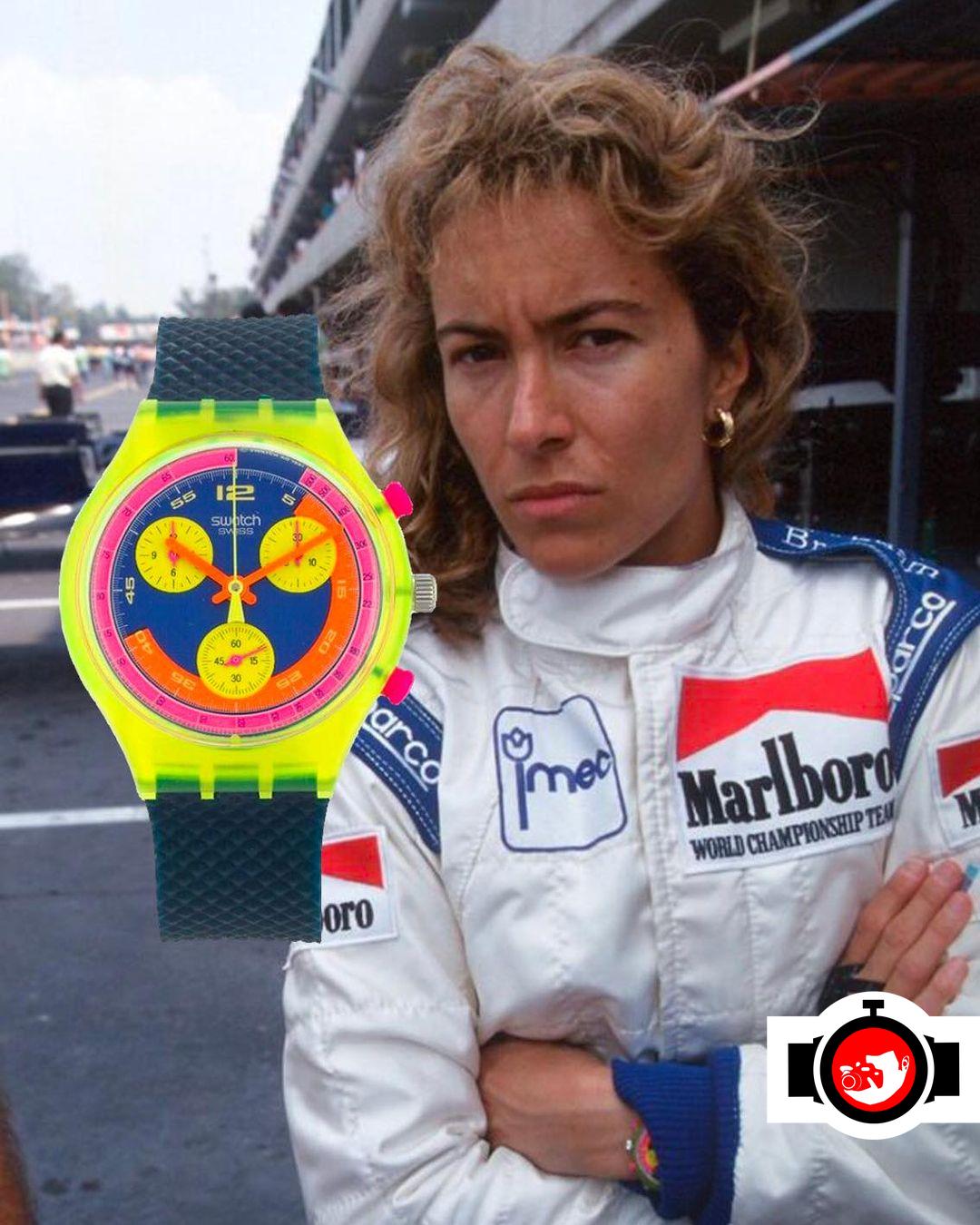
Pit-lane style rarely gets documented with the rigour reserved for podium finishes, but a photograph of Giovanna Amati standing in the Brabham garage — race suit zipped, arms crossed, Swatch Chrono Neon on her wrist — is a time capsule worth examining. Amati competed in the 1992 F1 season, attempting to qualify for the South African, Mexican and Brazilian Grands Prix with the Brabham BT60B before the team ultimately replaced her. That context makes the casual choice of a Swatch — rather than a TAG Heuer or Longines typical of paddock sponsorship — a small act of personal expression amid enormous professional pressure.
The watch on her wrist belongs to Swatch's first-generation Chrono collection, launched in 1990 as the brand's answer to the chronograph category at an entry-level price. The case is translucent fluorescent yellow polycarbonate — a hallmark of the Neon sub-series — fitted with a dark teal rubber strap. The dial is split navy-and-orange with three yellow sub-dials for the 30-minute, 12-hour and running-seconds registers. Orange and yellow hands, a pink pusher accent and a pink minute-track ring complete the deliberately loud aesthetic. The movement is a Swatch-developed ETA-based quartz chronograph calibre, accurate to ±15 seconds per month, housed in a 38 mm case — standard for the era.
From a collector standpoint, the Swatch Chrono Neon pieces occupy a specific nostalgia band: they are neither common enough to be ignored nor rare enough to command serious secondary market premiums, making them legitimate vintage finds rather than speculative assets. Condition and intact pushers are the primary value drivers; boxed examples with paperwork fetch multiples of unboxed equivalents.
Giovanna Amati's significance to motorsport history is considerable — she remains the last woman to attempt F1 qualification in the World Championship era. Seeing her wear a Swatch Chrono Neon rather than a prestige sponsor's timepiece underlines the watch's cultural penetration in the early 1990s: it was simply what young, fast people wore.
With Swatch's recent relaunch of the Grand Prix Neon collection revisiting exactly this aesthetic language, archive images of Amati serve as compelling proof that the formula — loud colour, credible Swiss timing, democratic price — resonated in the most demanding motorsport environments long before the revival.
More watches like this
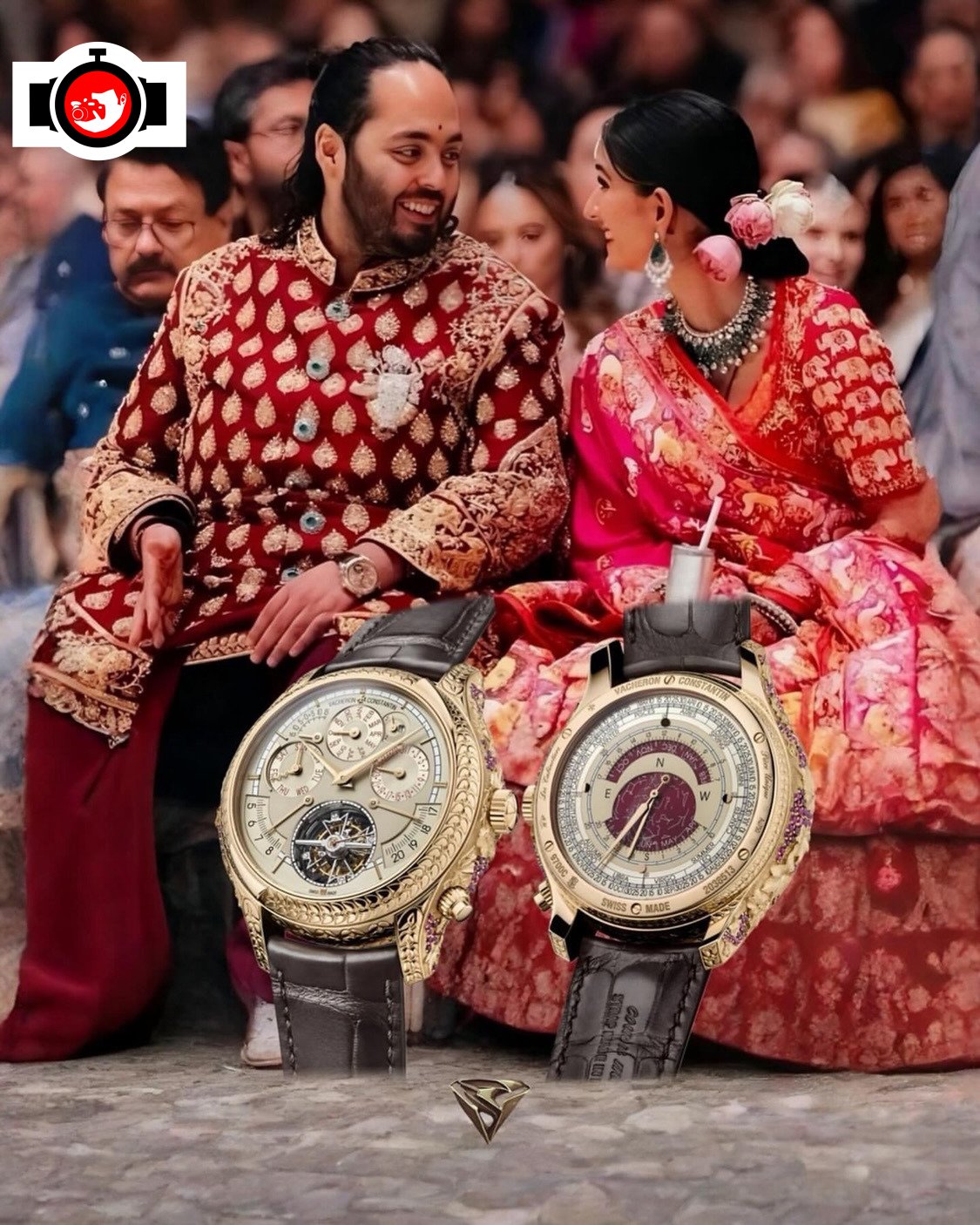
Anant Ambani wearing Vacheron Constantin
18K 5N Gold Vacheron Constantin Les Cabinotiers Grande Complication Bacchus Double-Sided Wristwatch with 16 Complications, Minute Repeater, and Tourbillon
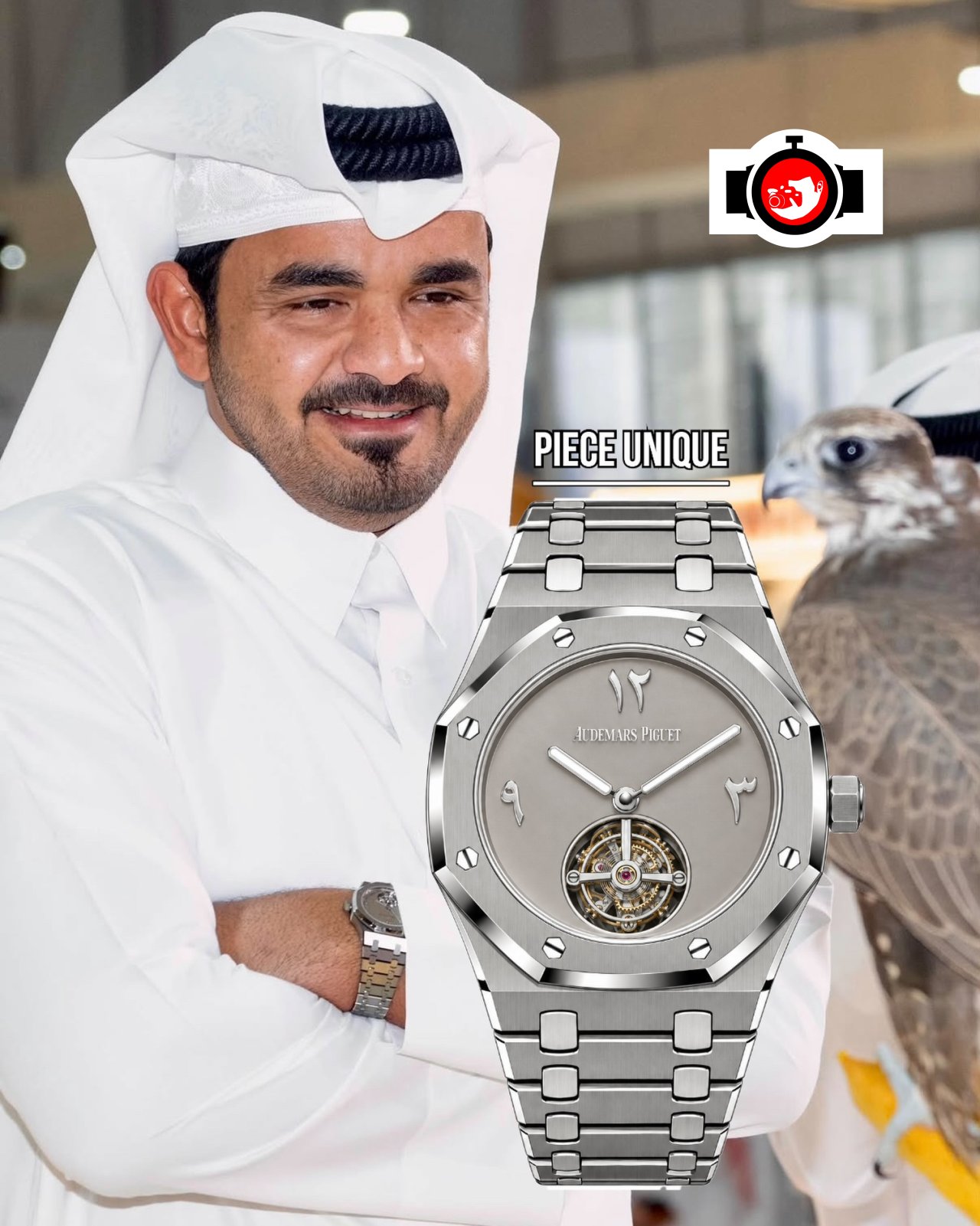
Crown Prince of Qatar wearing Audemars Piguet
Titanium Audemars Piguet Royal Oak Tourbillon with Arabic Numerals and Grey Dial
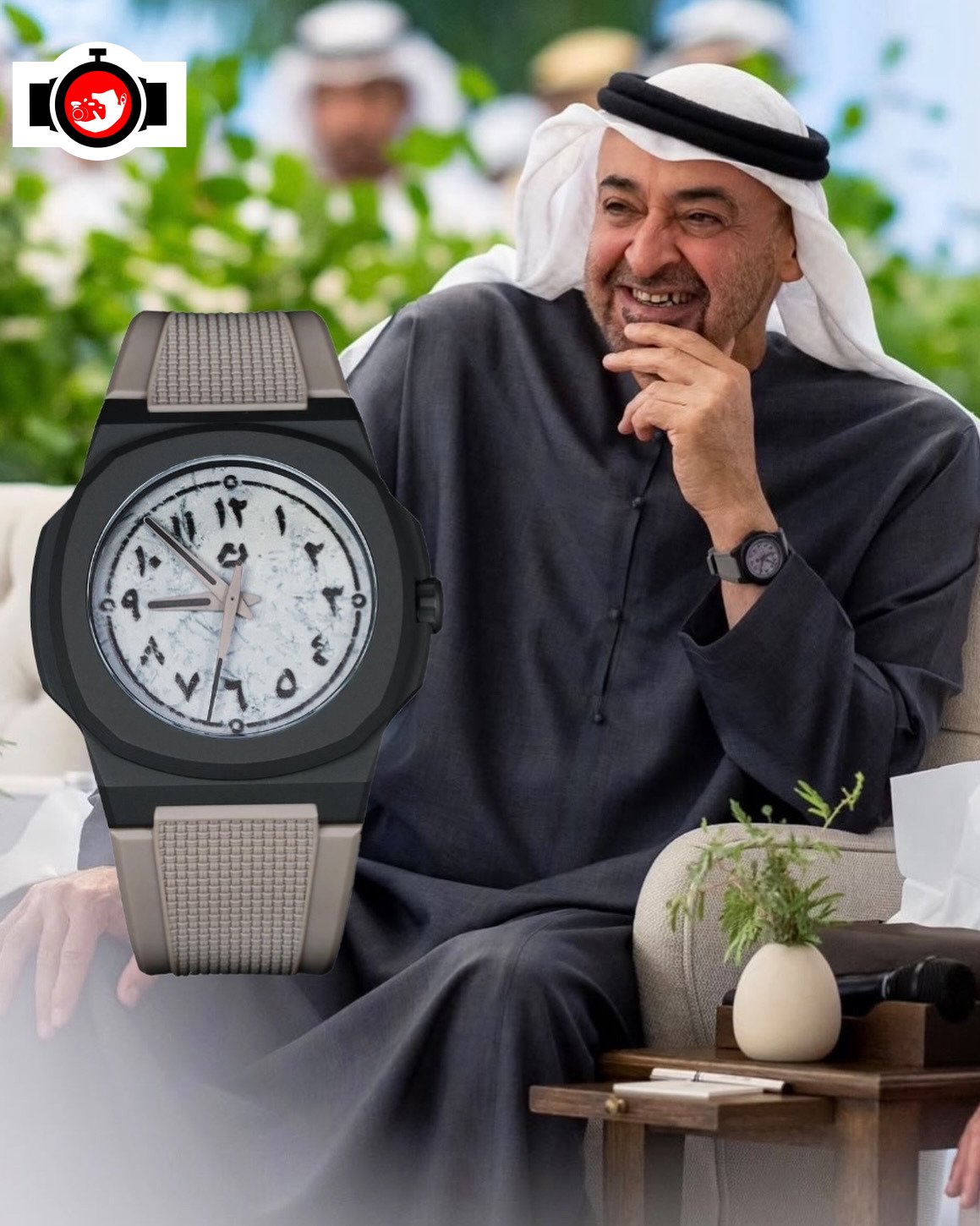
Sheikh Mohamed bin Zayed Al Nahyan wearing Nuncier
Nuncier Carbon Tech Special Edition Watch with Eastern Arabic Numerals and Monochromatic Dial
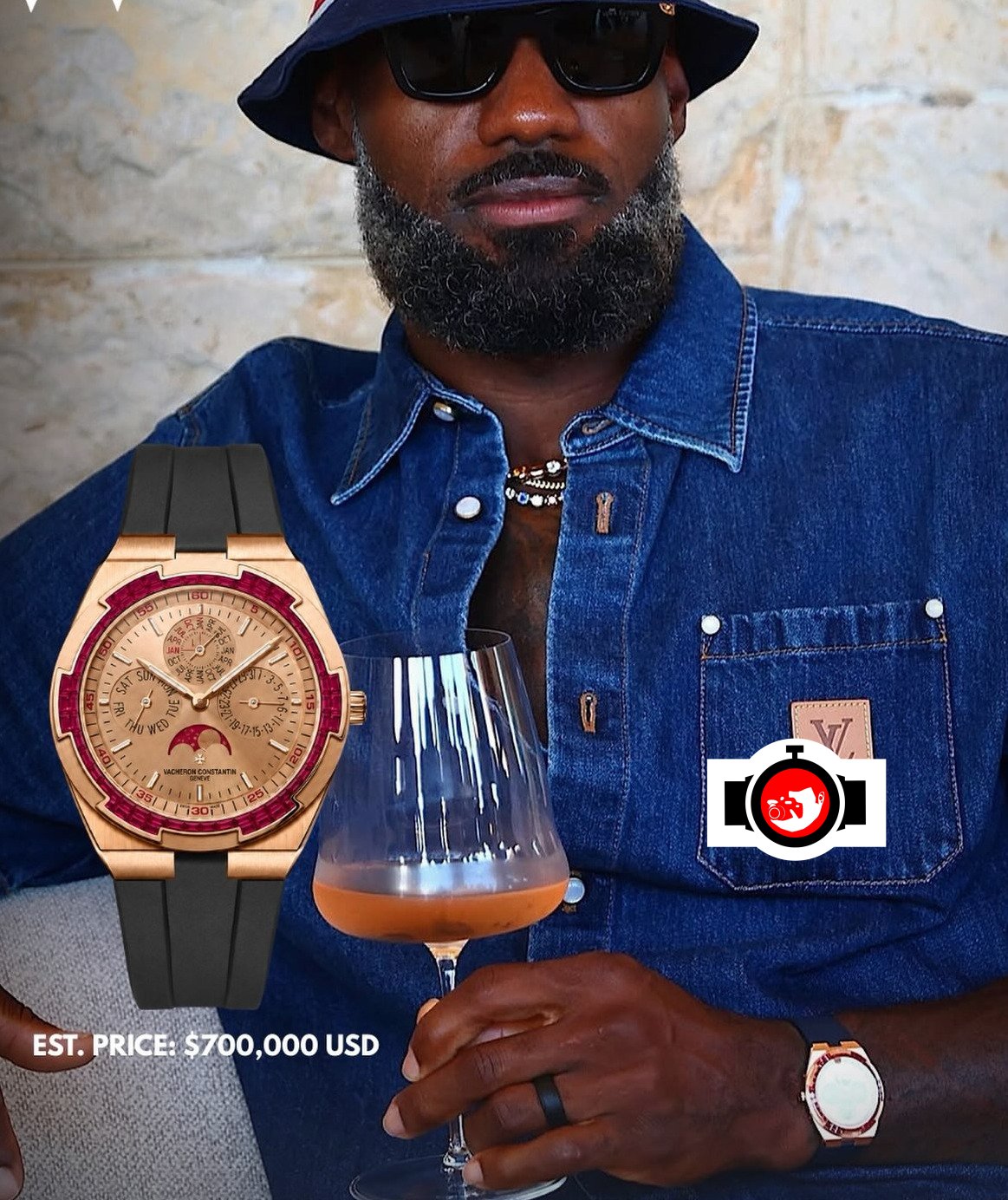
LeBron James wearing Vacheron Constantin
18K Rose Gold Vacheron Constantin Perpetual Calendar with Ruby-Set Baguette Bezel and Rose Dial
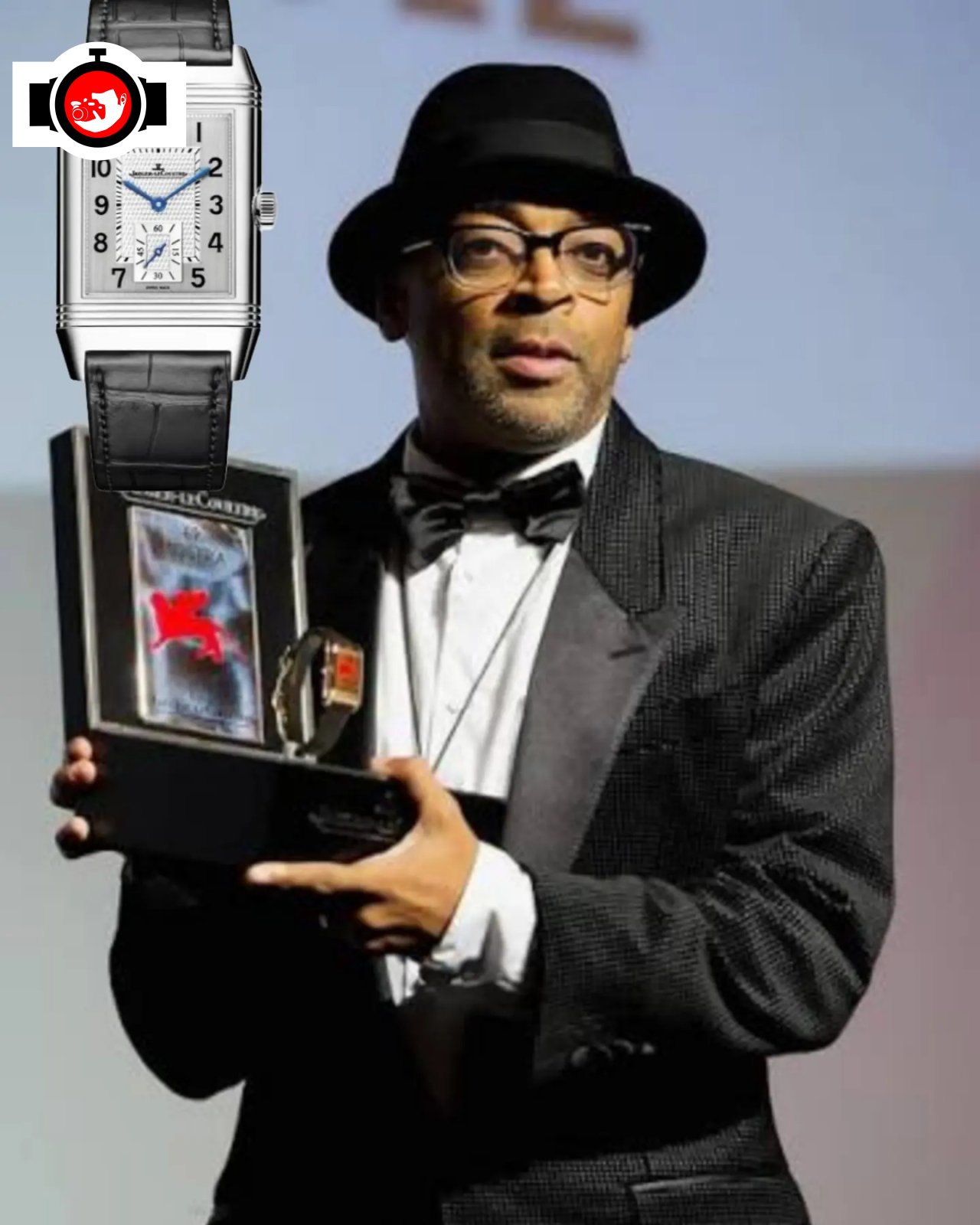
Spike Lee wearing Jaeger LeCoultre
Jaeger-LeCoultre Reverso Custom Presentation Watch — Spike Lee Venice Film Festival Award
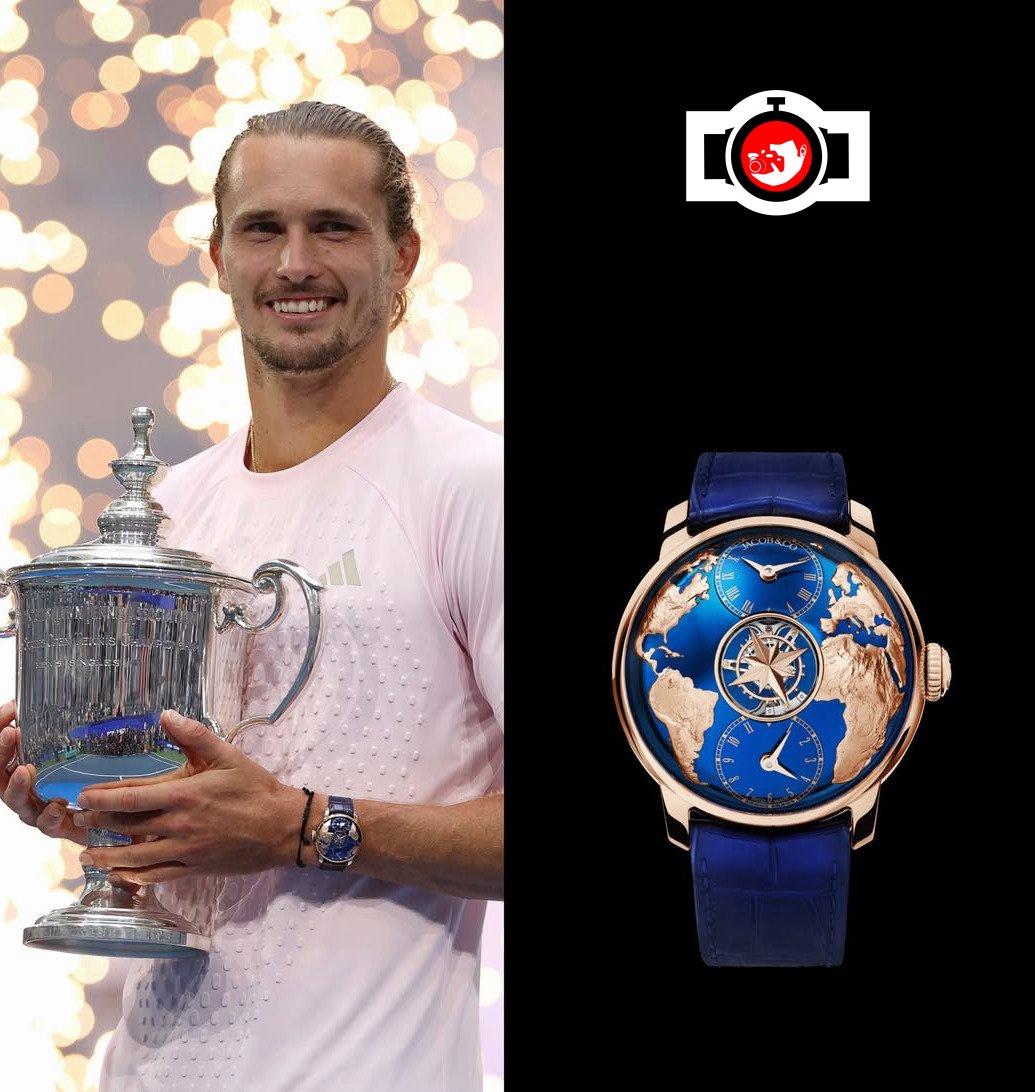
Alexander Zverev wearing Jacob & Co.
Jacob & Co. The World Is Yours Dual Time Zone Tourbillon with World Map Dial and Blue Leather Strap
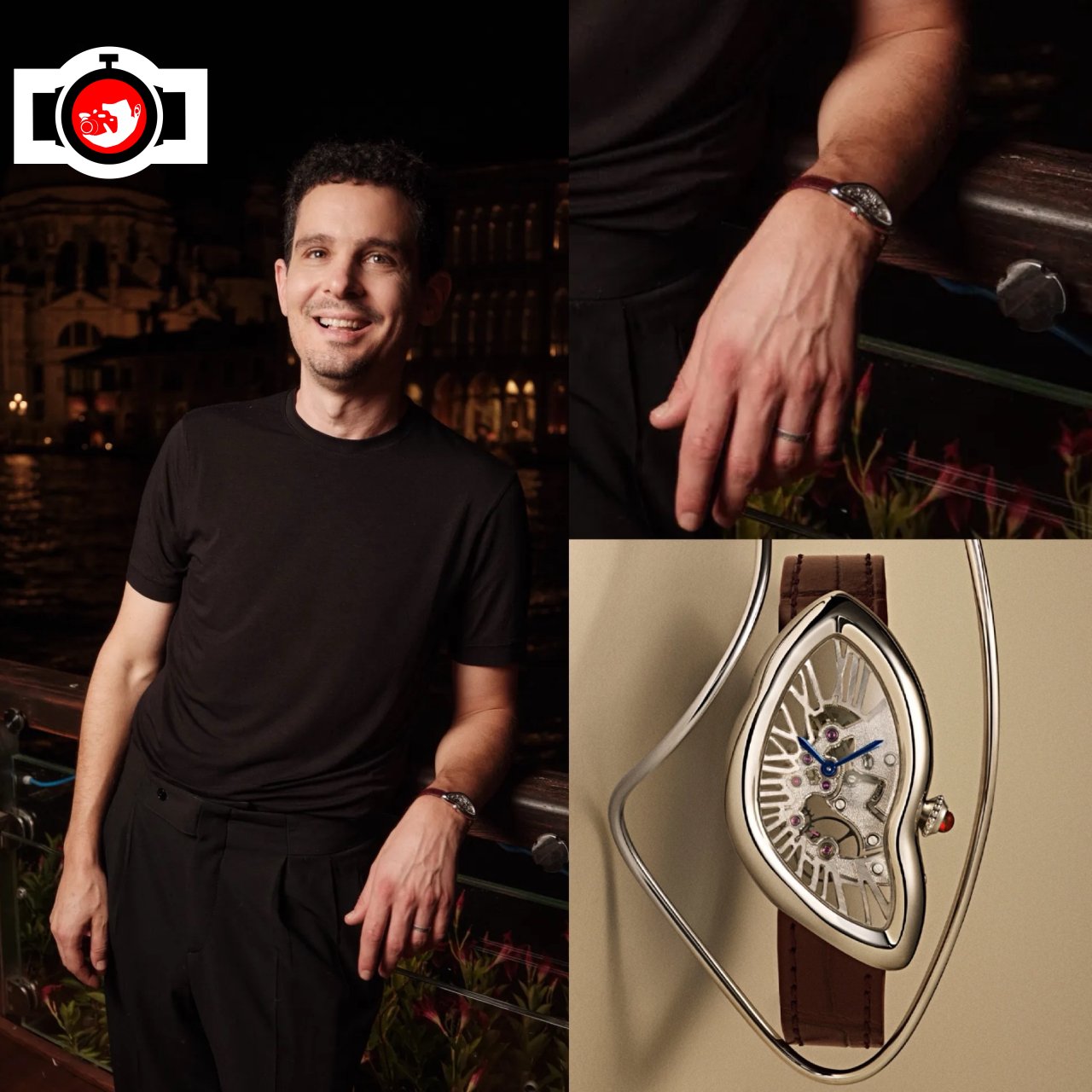
Damien Chazelle wearing Cartier
Platinum Cartier Crash Skeleton with Burgundy Accents and Calibre 1967 MC
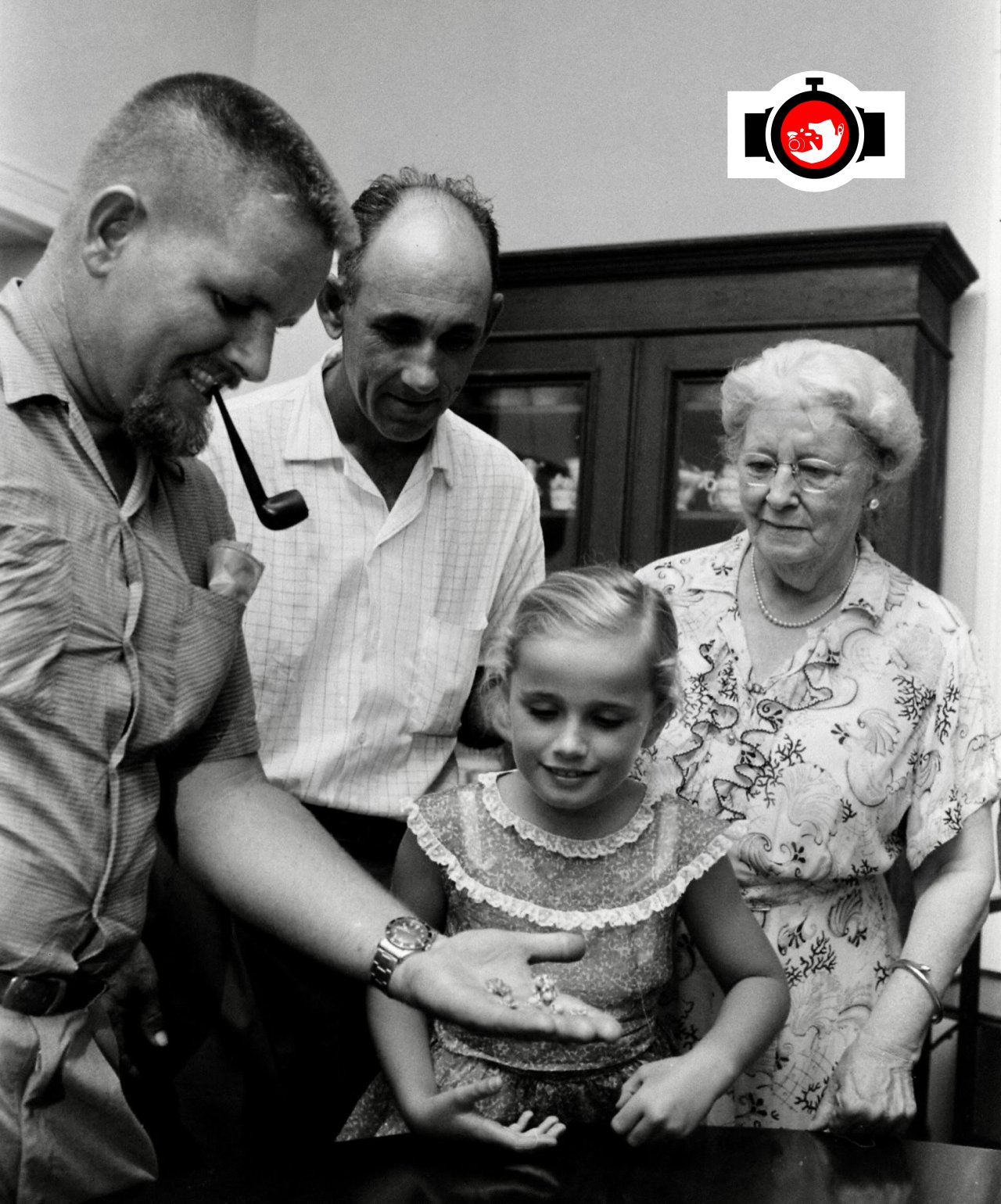
Teddy Tucker wearing Rolex
Rolex Submariner with Inward-Facing Dial – Teddy Tucker's Treasure Hunter's Watch
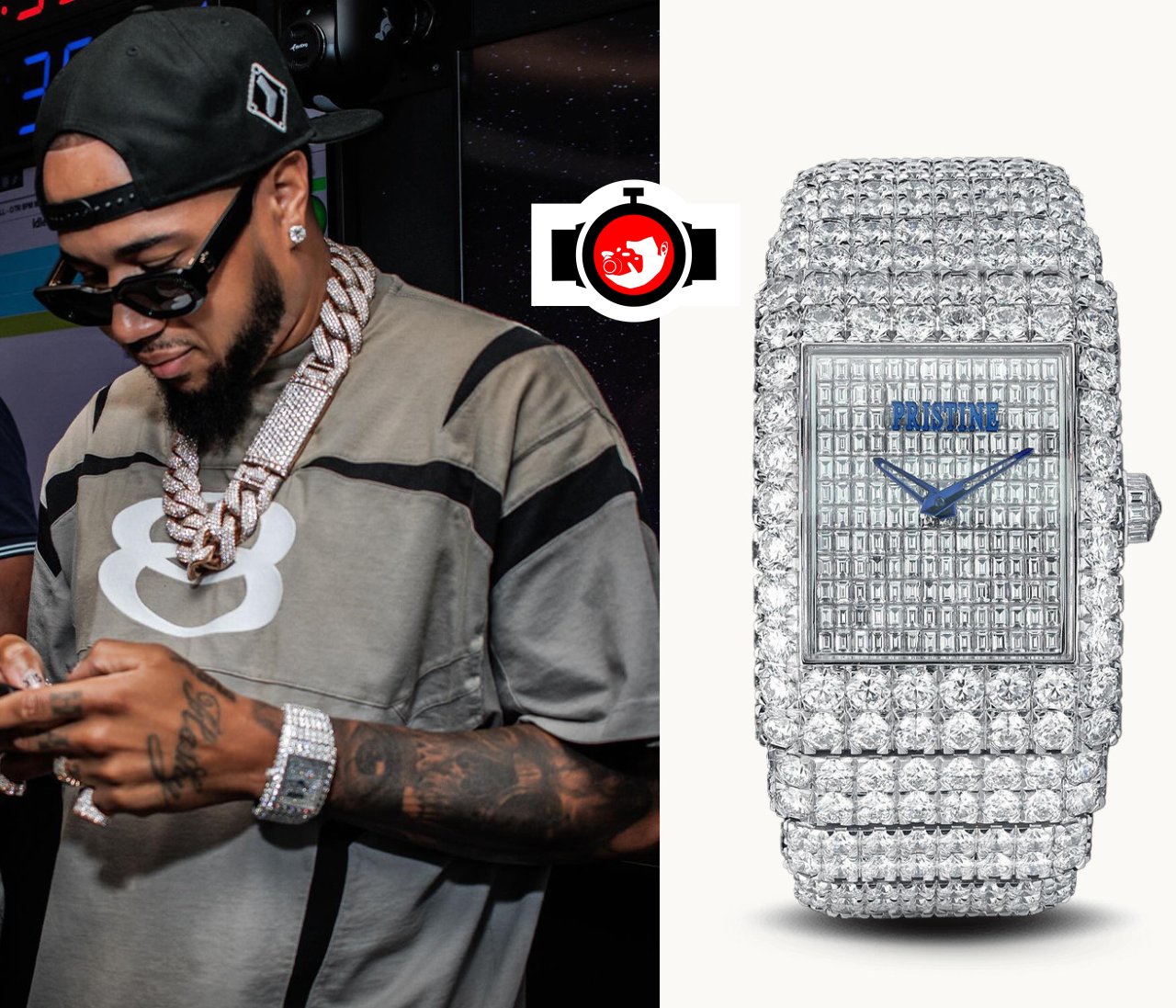
Mazi VS wearing Pristine
18K White Gold Pristine Custom Diamond Watch with Baguette Diamond Dial and 100.75 Carats
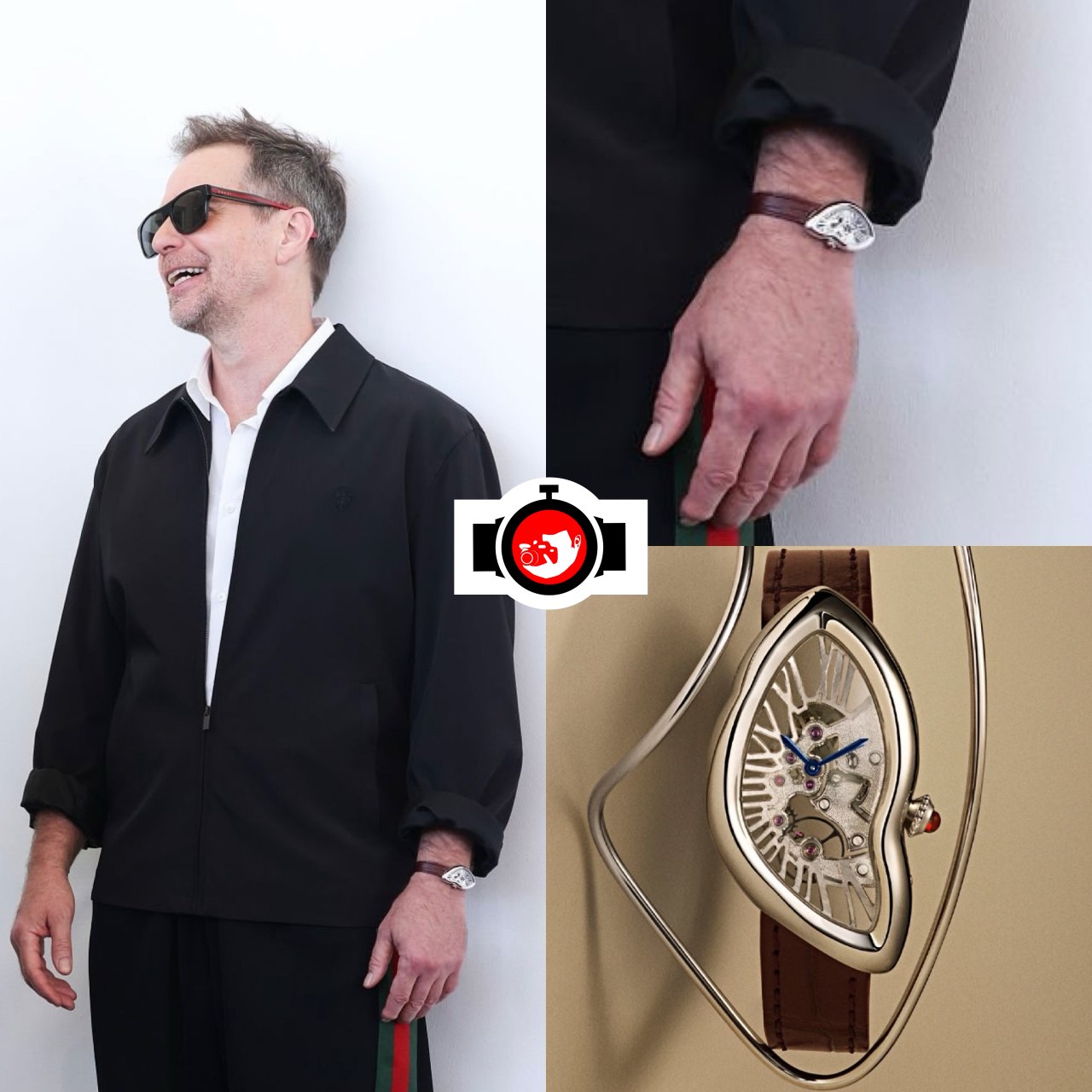
Sam Rockwell wearing Cartier
Platinum Cartier Crash Squelette Skeleton with Burgundy Dial and Calibre 1967 MC
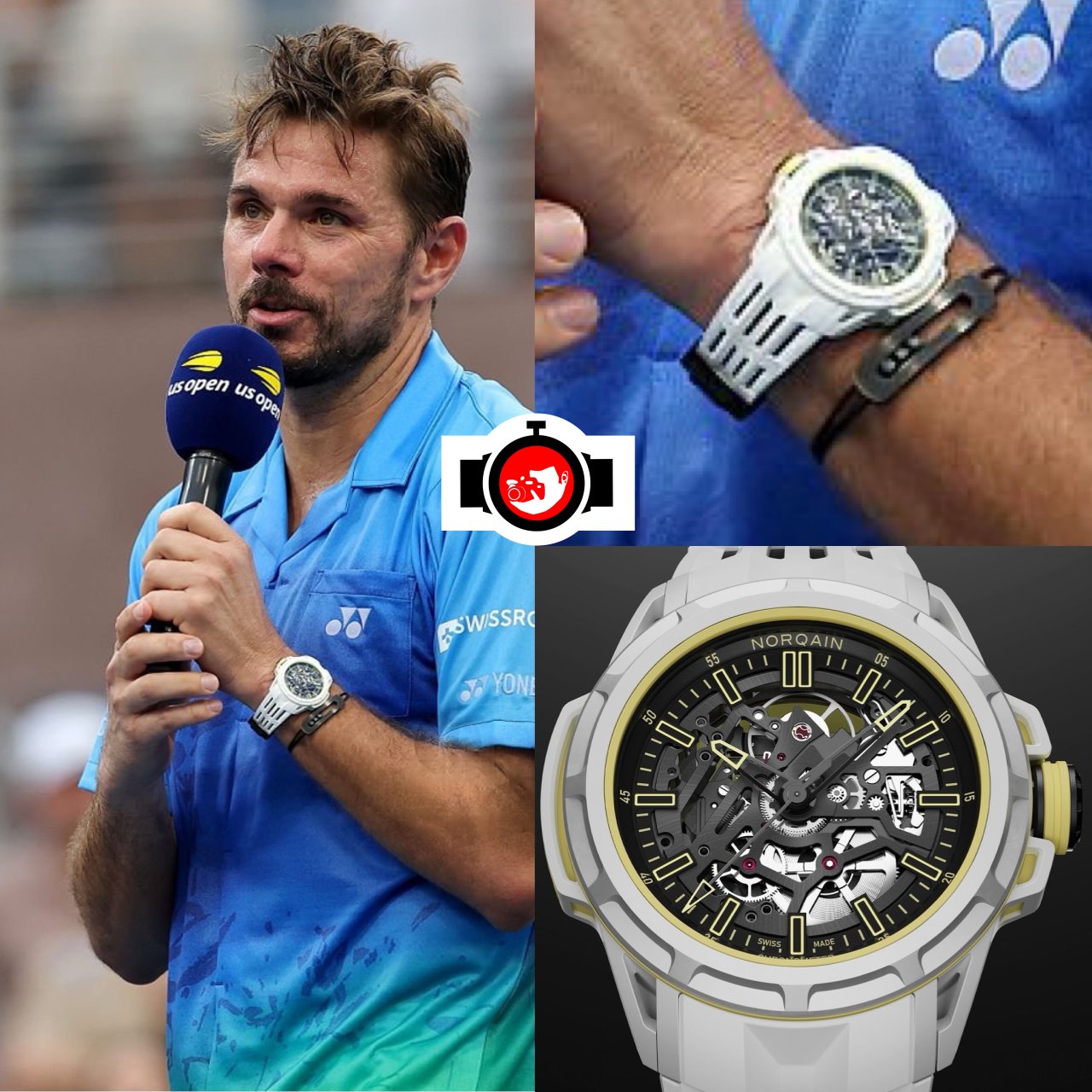
Stan Wawrinka wearing Norqain
Norqain Wild ONE Skeleton X-Lite 'Wimbledon White' Prototype with X-Lite Carbon Fiber Composite Case
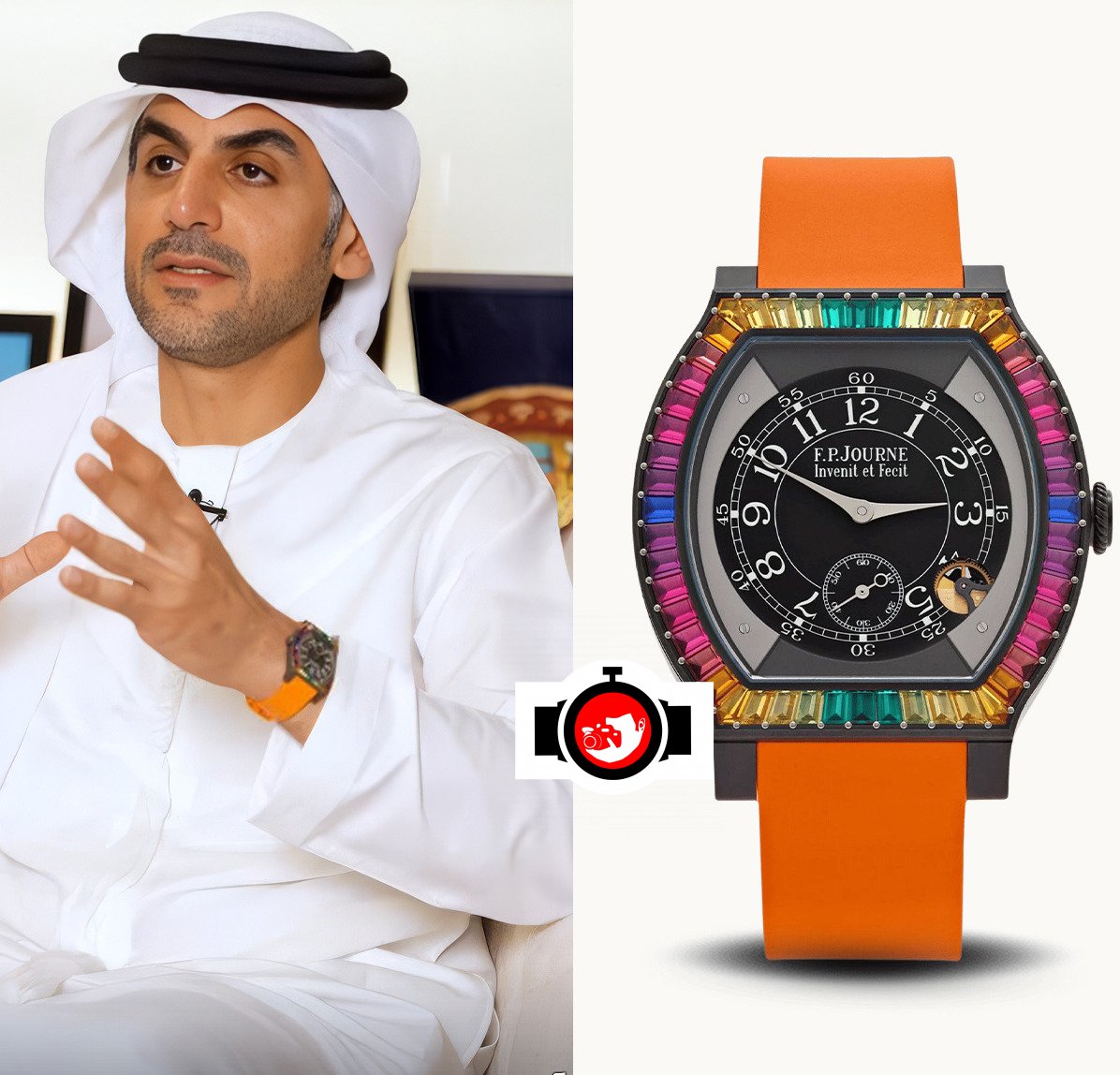
Marwan Ibrahim Haji Nasser wearing F.P. Journe
F.P. Journe Élégante 'Gino's Dream' Rainbow Titanium Watch with Rainbow Baguette Bezel