
Racing driver Niki Lauda spotted wearing a Ebel
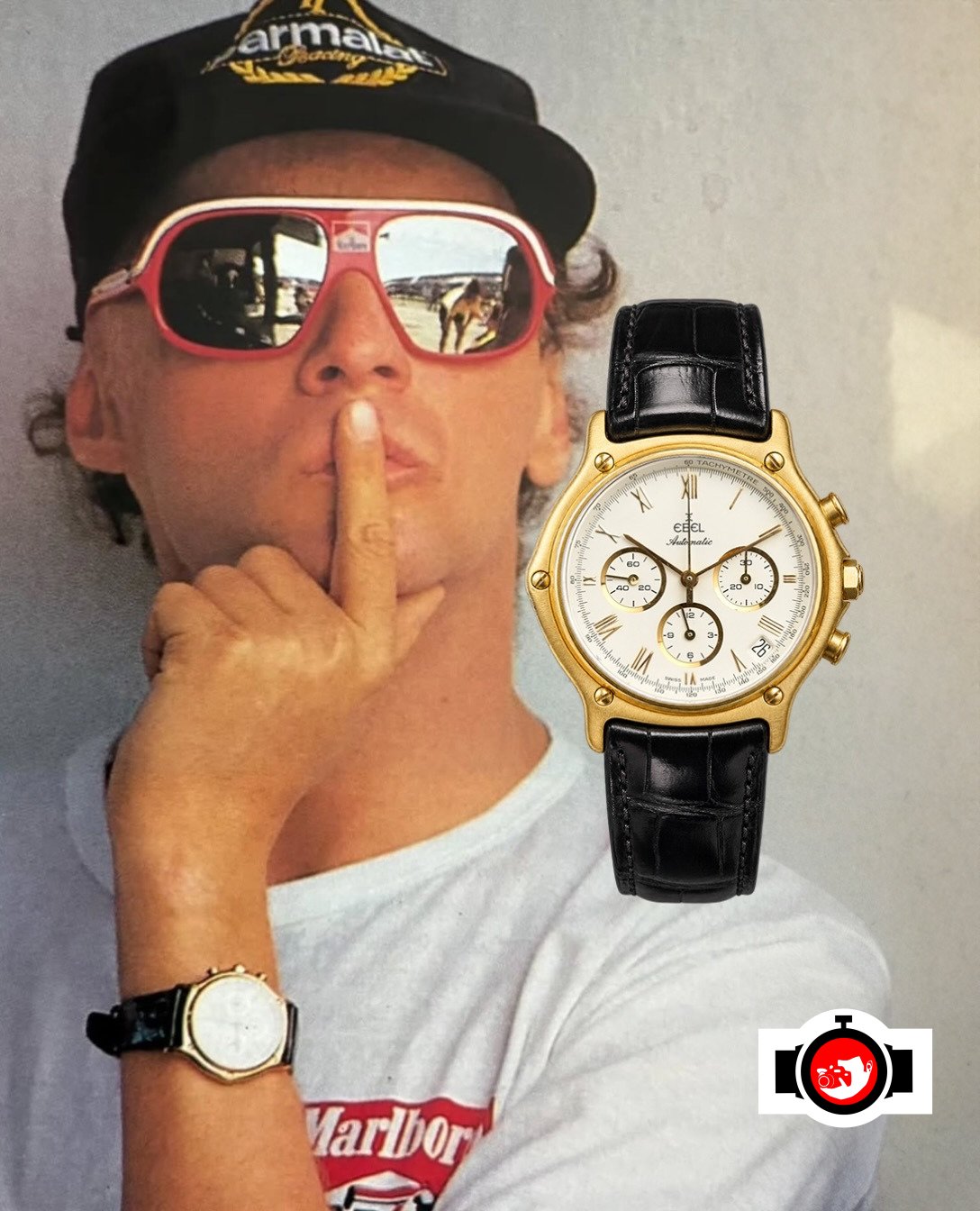
In this striking photograph, three-time Formula 1 World Champion Niki Lauda wears an Ebel Sport Classic Chronograph in 18-carat yellow gold, a chronograph that captures the golden age of Swiss watchmaking during the automotive racing boom of the 1980s. The white porcelain dial features applied Roman numerals and gold sub-dials—a design language that distinguished Ebel's Sport Classic line among luxury chronographs of that era. The yellow gold case catches light in the image, reflecting both the watch's precious metal construction and its role as a status symbol in motorsport circles.
The Ebel Sport Classic Chronograph is powered by the Zenith El Primero calibre 400, an automatic chronograph movement running at 36,000 vibrations per hour—twice the frequency of conventional chronographs, enabling 1/10th-of-a-second chronographic precision. This movement represents a pivotal moment in horological history: in 1982, Ebel acquired substantial stock of El Primero calibres that Zenith had warehoused during the quartz crisis, betting that automatic chronographs would survive the digital onslaught. The 18-carat yellow gold case measures approximately 42 millimetres in diameter, with a polished and brushed finish typical of Ebel's Sport Classic collection. Water resistance reaches 100 metres, adequate for daily wear but not diving. The applied Roman numeral dial and gold registers provide formal elegance, distinguishing this reference from sportier variants with Arabic numerals or baton indices.
Ebel's decision to embrace the El Primero in 1982 proved prescient: six years later, in 1988, Rolex adopted a modified version of the same Zenith calibre for the Daytona automatic, fundamentally altering the trajectory of modern chronograph manufacturing. The Sport Classic Chronograph thus occupies a rare position—a direct precursor to one of horology's most celebrated modern instruments. Collectors today recognize this reference as a bridge between the quartz crisis and the mechanical renaissance that followed, making it a historically significant alternative to the more ubiquitous Daytona.
Niki Lauda's wearing of the Ebel Sport Classic Chronograph reflects the watch's prominence among professional racing drivers during the 1980s and early 1990s. Lauda, known for meticulous attention to precision and performance, would have appreciated the El Primero's reputation for chronographic accuracy and reliability. The 18-carat yellow gold case signalled both success and refinement—appropriate for a champion driver balancing elite motorsport with business ventures. Today, vintage Ebel Sport Classic Chronographs in yellow gold with original porcelain dials command strong collector interest, particularly examples from the early-to-mid 1980s production window.
On the pre-owned and grey market, Ebel Sport Classic Chronographs in 18-carat yellow gold typically trade between $4,500 and $7,000 USD, depending on dial condition, case polish, and movement service history. Original porcelain dials—prone to crazing and chipping—command premiums when pristine. Examples with full documentation or celebrity provenance occasionally exceed these ranges. The Ebel Sport Classic remains undervalued relative to contemporary Rolex Daytonas powered by the same calibre, offering experienced collectors substantial value in an increasingly competitive vintage chronograph market.
More watches like this

Niki Lauda wearing Rolex
Rolex Daytona Reference 6265 'Big Red' Stainless Steel – Niki Lauda

Niki Lauda wearing IWC
IWC Pilot's Watch Spitfire Chronograph Rose Gold IW387803 – Niki Lauda

Niki Lauda wearing Tag Heuer
Heuer Carrera Ref. 1158 18K Gold Automatic Chronograph Champagne Dial – Niki Lauda
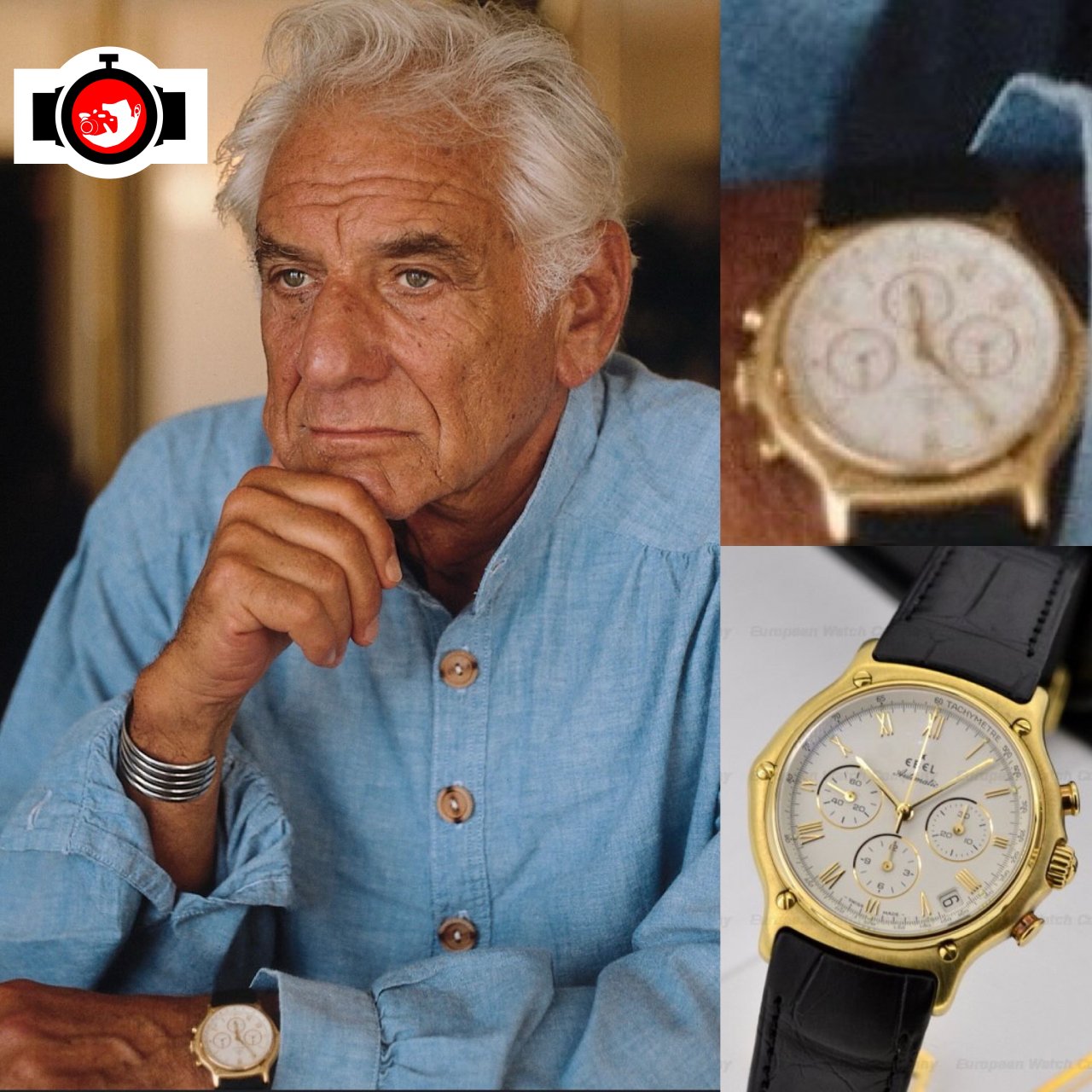
Leonard Bernstein wearing Ebel
18k Yellow Gold Ebel 1911 Chronograph Ref. 8134901 with White Dial and Applied Roman Numerals

Don Johnson wearing Ebel
Ebel 1911 Sports Classic Chronograph 18k Yellow Gold Reference 8134901 – Don Johnson / Sonny Crockett
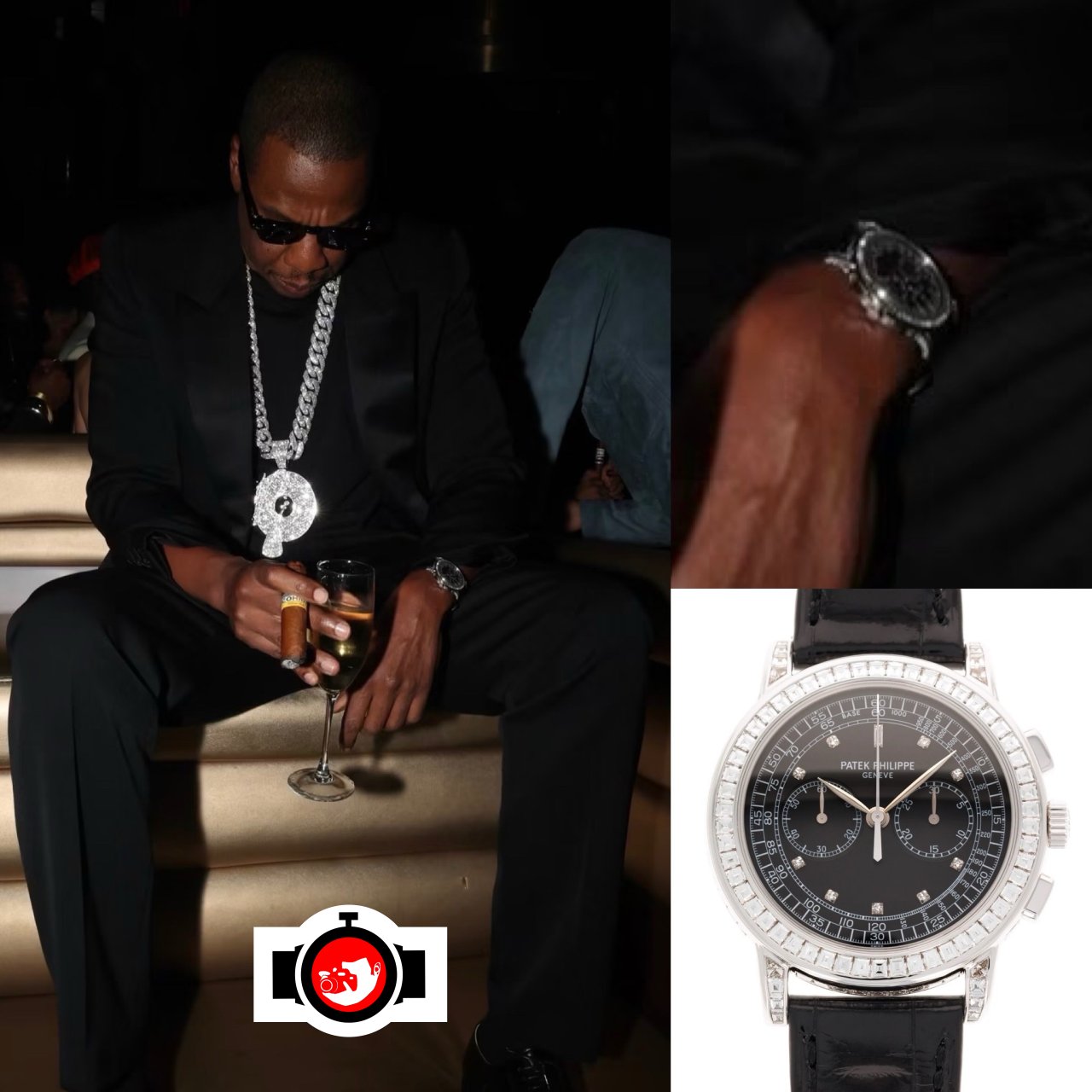
Jay-Z wearing Patek Philippe
18k White Gold Patek Philippe Chronograph Joaillerie Ref. 5071G with Diamond-Set Black Dial
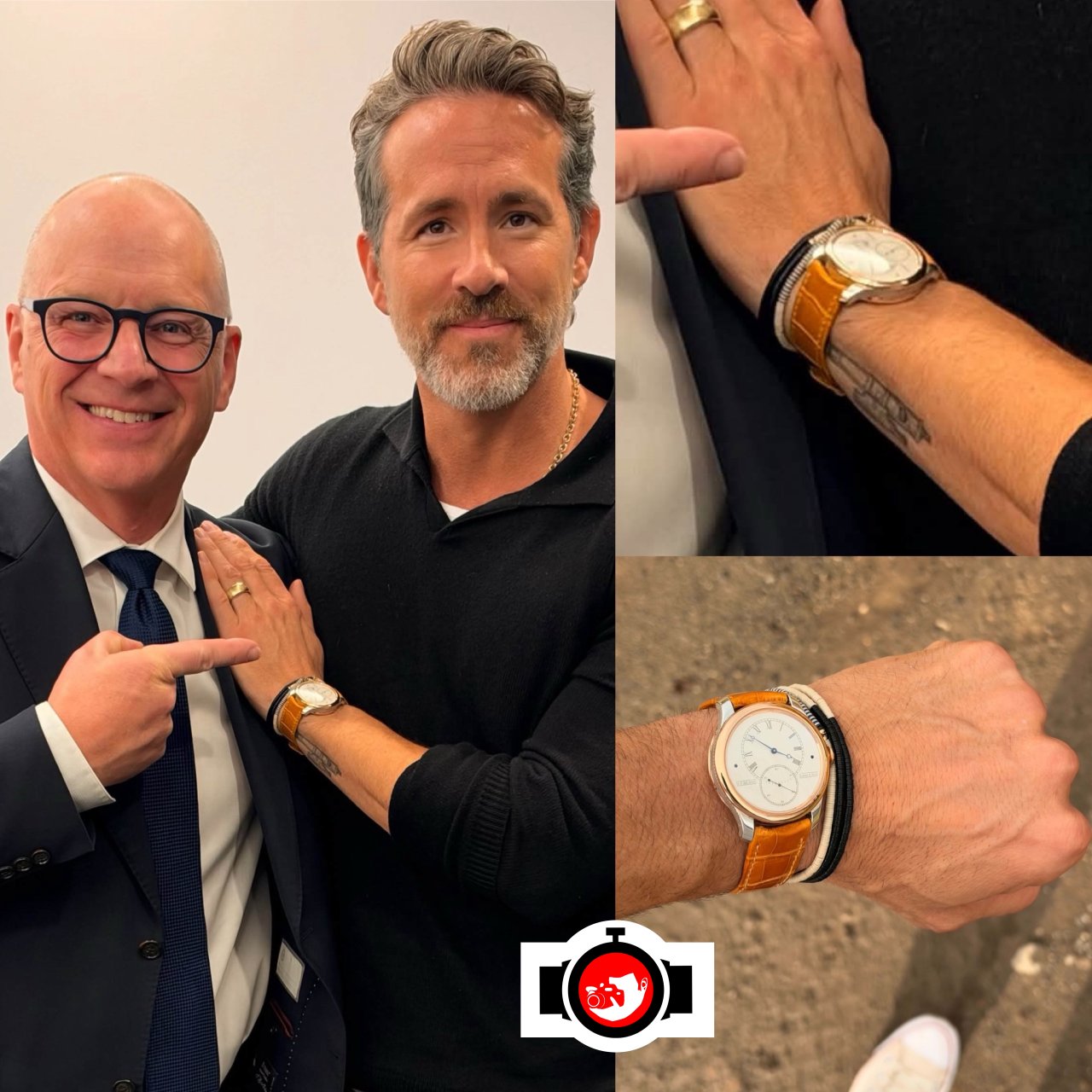
Ryan Reynolds wearing F.P. Journe
F.P. Journe Historical Anniversary Tourbillon Ref. T30 in 18K Pink Gold and Guilloché Silver
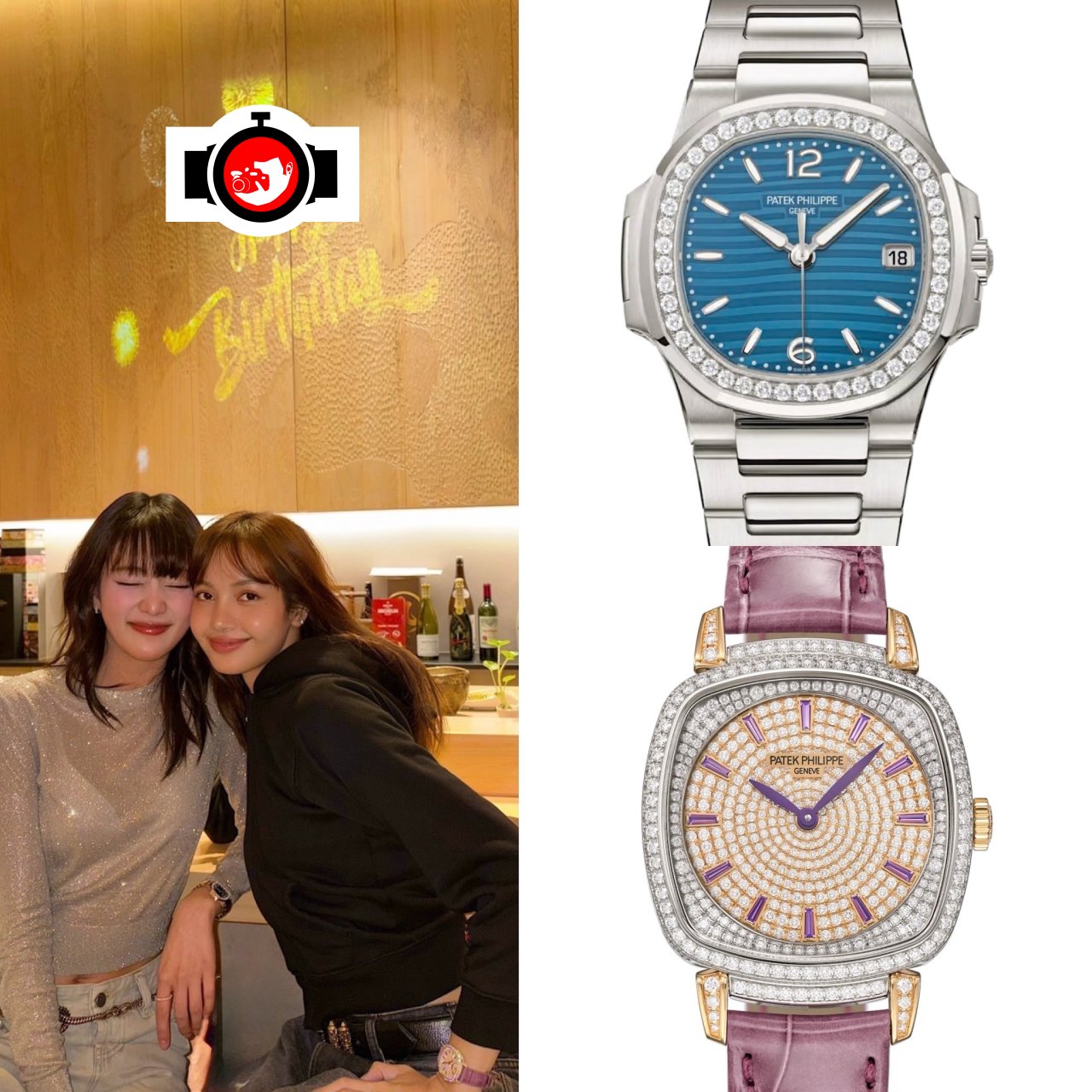
Minnie wearing Patek Philippe
18K White Gold Patek Philippe Nautilus Ref. 7010/1G-013 with Azure Blue Lacquered Wave Dial and Diamond Bezel
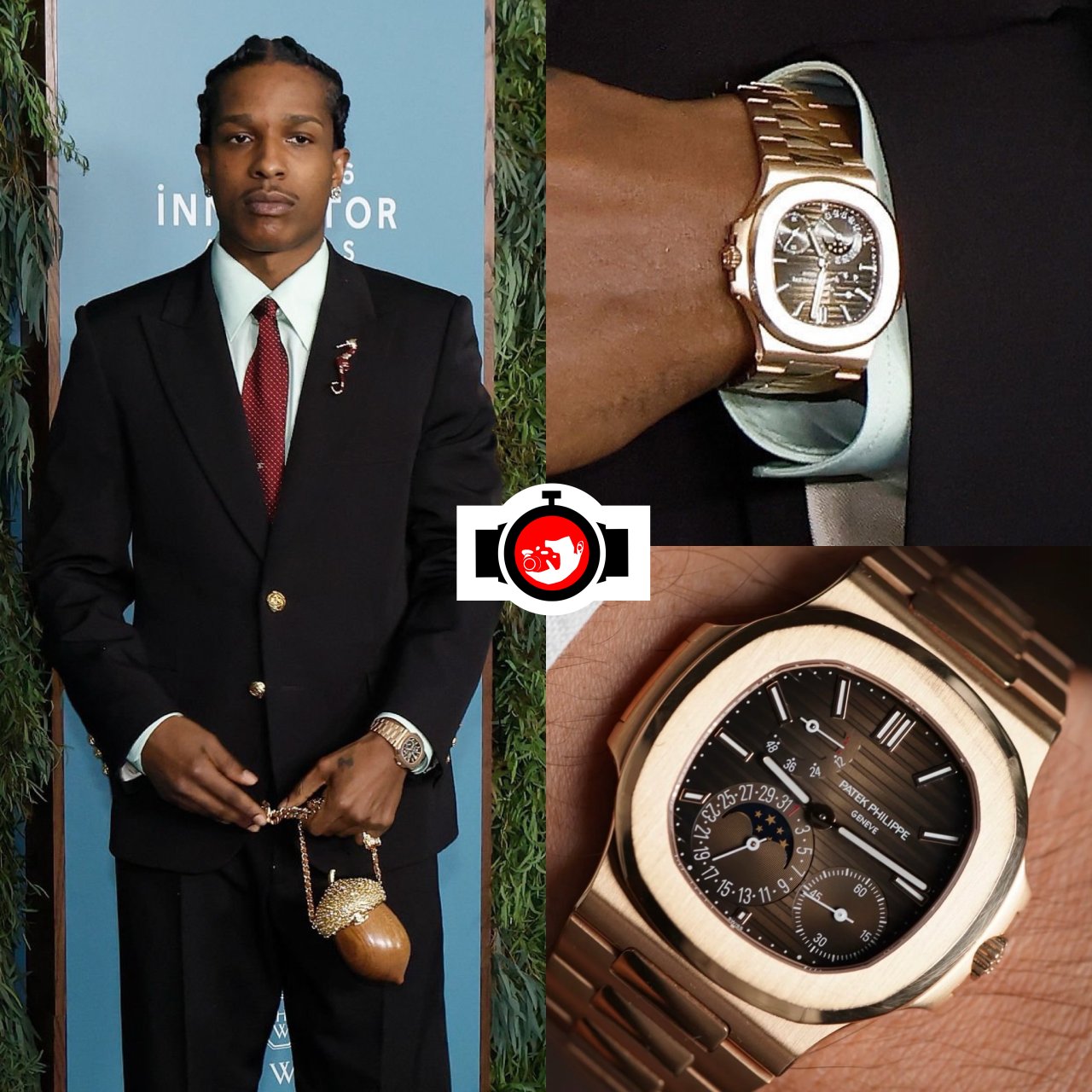
A$AP Rocky wearing Patek Philippe
Patek Philippe Nautilus Moonphase Ref. 5712/1R-001 in 18k Pink Gold with Sunburst Brown Dial
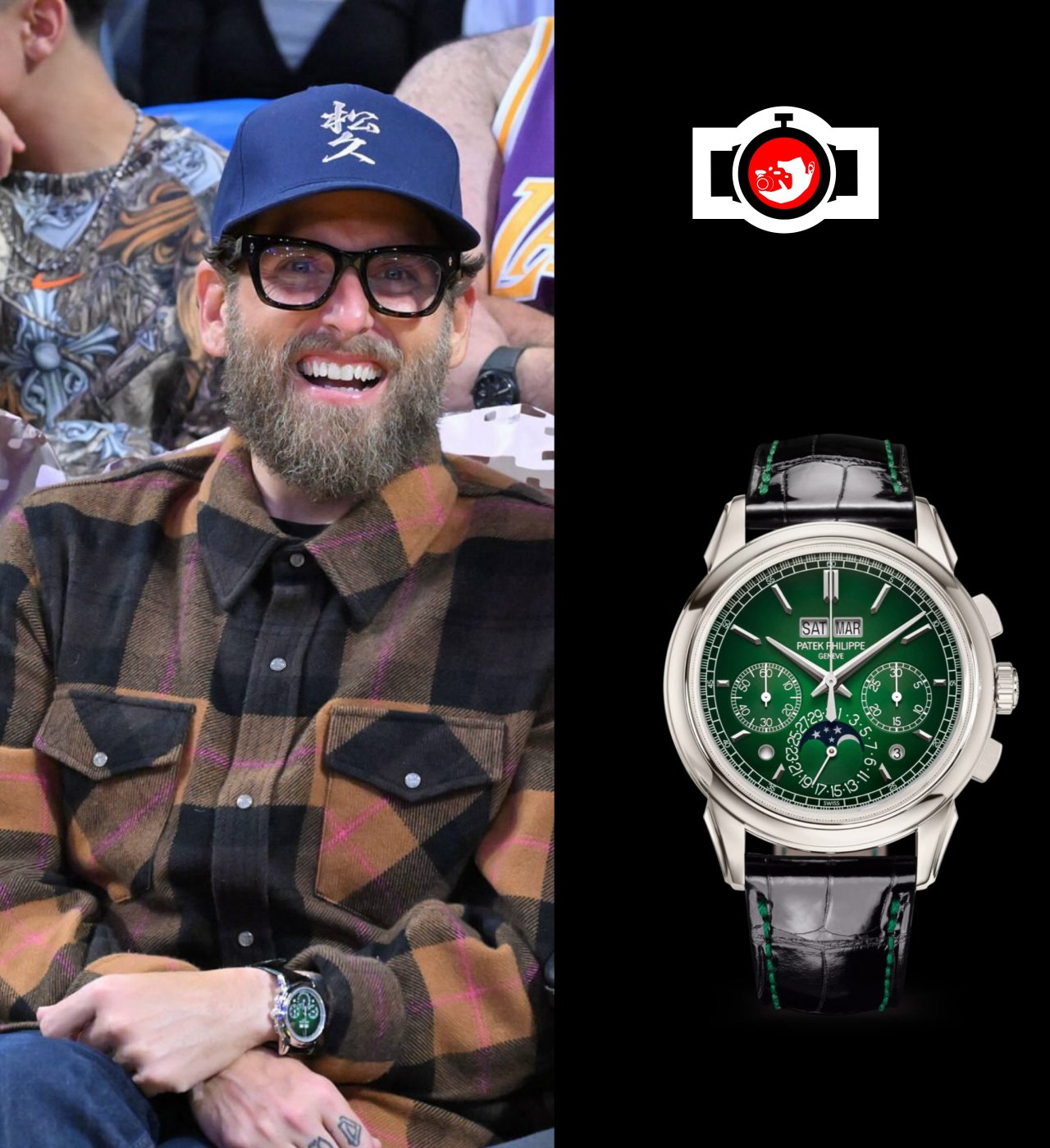
Jonah Hill wearing Patek Philippe
Platinum Patek Philippe Grand Complications Ref. 5270P-014 with Lacquered Green Dial and Perpetual Calendar
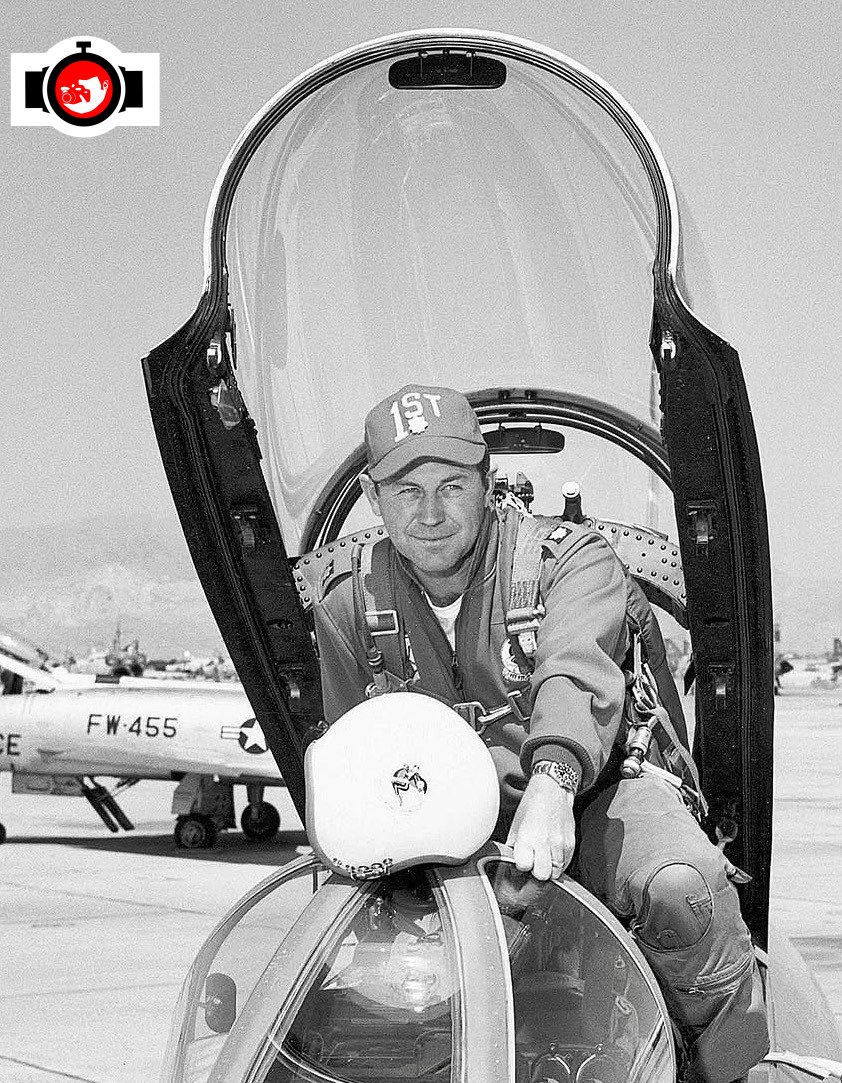
Charles Yeager wearing Rolex
Rolex GMT-Master Ref. 6542 with Bakelite Bezel and Mercedes Hands
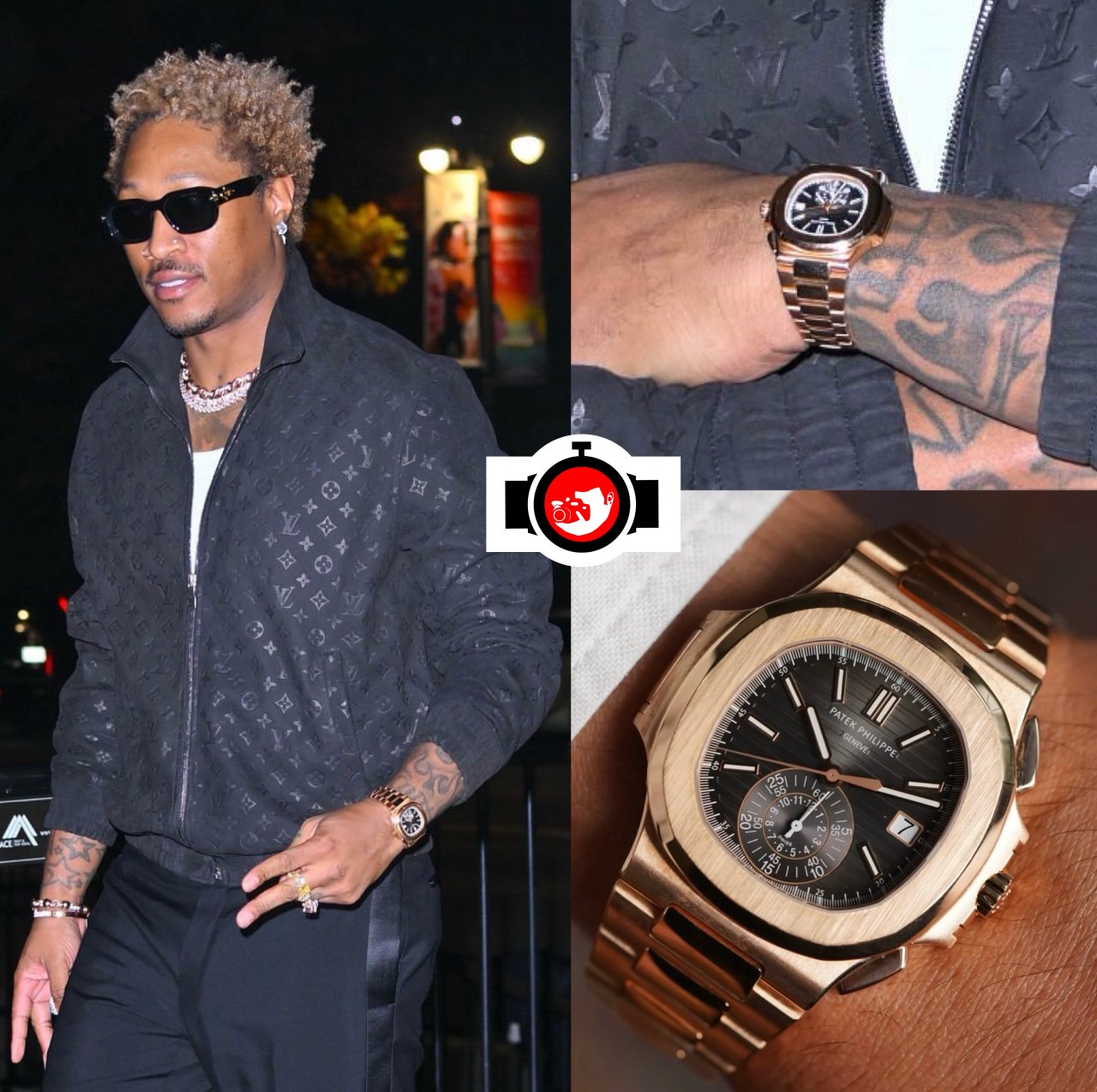
Future wearing Patek Philippe
18K Rose Gold Patek Philippe Nautilus Flyback Chronograph Ref. 5980/1R-001 with Black Dial