
Writer Giorgia Mondani spotted wearing a Rolex
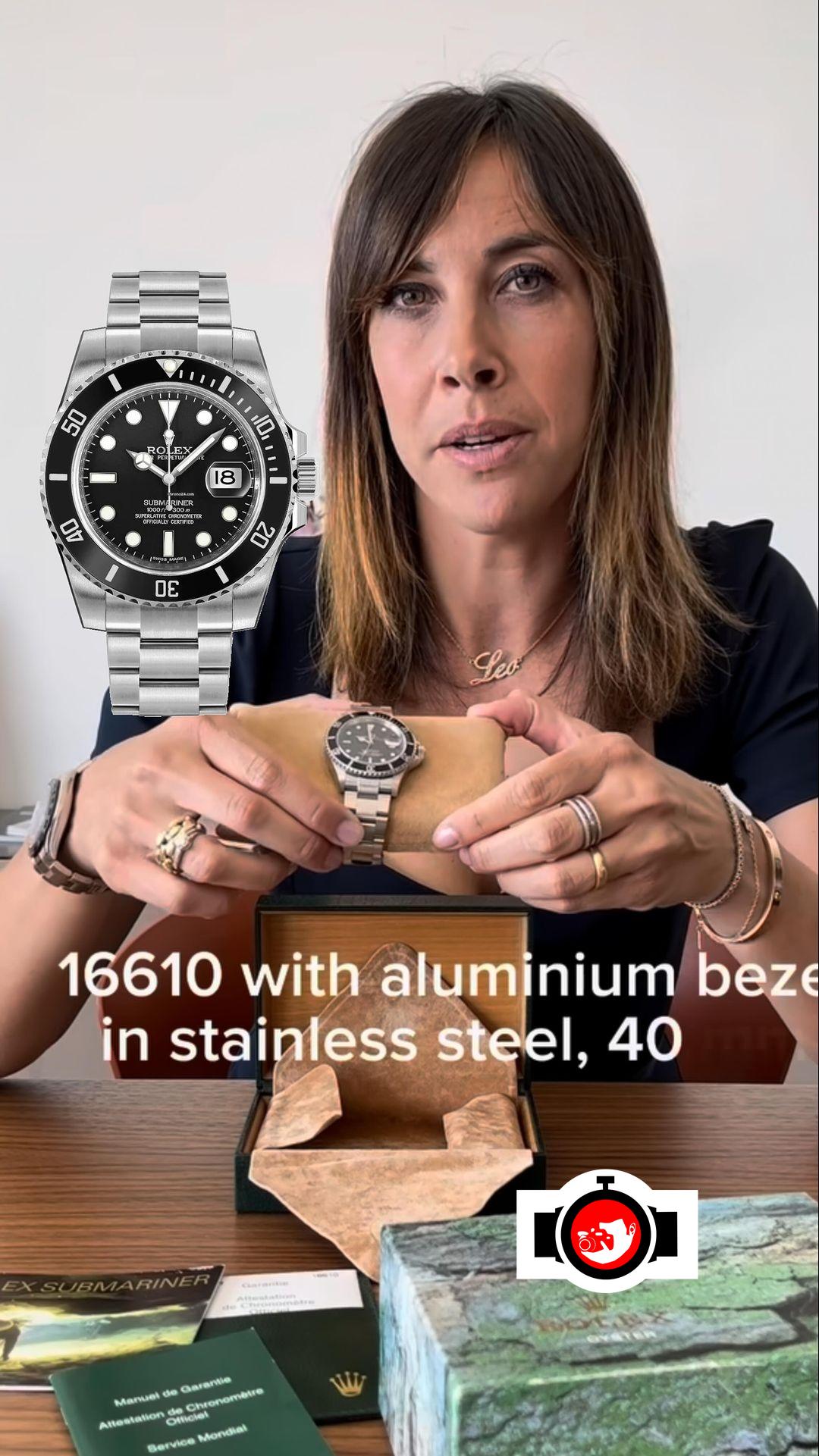
Giorgia Mondani was recently spotted wearing a Rolex Submariner in stainless steel, reference 16610 — a choice that feels less like a fashion statement and more like a professional signature from someone who has spent decades documenting the very brand on her wrist.
The Rolex Submariner ref. 16610 entered production in 1988 as the successor to the 16800, bringing with it the upgraded calibre 3135 automatic movement — a 28,800 vph workhorse featuring a Parachrom hairspring in later variants, a bidirectional rotor, and a power reserve of approximately 48 hours. The case measures 40mm in Oyster steel, fitted with a unidirectional rotating bezel insert in black aluminium and the distinctive Oyster bracelet with the Fliplock extension clasp, purpose-built for diving use. Production continued until 2010, when the reference 16610 was retired in favour of the ceramic-bezeled 116610.
What makes the 16610 particularly compelling to collectors is the evolution traceable across its 22-year run. Early examples carry tritium dials with the Swiss T<25 designation, while post-1998 models transition to SuperLuminova, creating distinct collecting tiers within a single reference. The LV variant — featuring a green bezel insert — commands a strong premium, but the standard black-bezel 16610 remains arguably the most versatile and accessible entry point into vintage Rolex sport watches, balancing wearability with genuine horological pedigree.
For Giorgia Mondani, the choice is loaded with meaning. As the founder of Mondani Editore and author of some of the most authoritative reference books on Rolex, including the multi-volume Rolex encyclopaedia series, she is among the world's foremost authorities on the brand's history. Wearing a 16610 is, for her, less a style choice than a lived-in tool watch from the marque she has studied most deeply.
On the secondary market, the standard stainless steel Rolex Submariner reference 16610 in clean condition trades comfortably in the $8,000–$12,000 range depending on dial generation, box, and papers — representing strong long-term value retention for what was a mainstream production model in its day.
More watches like this
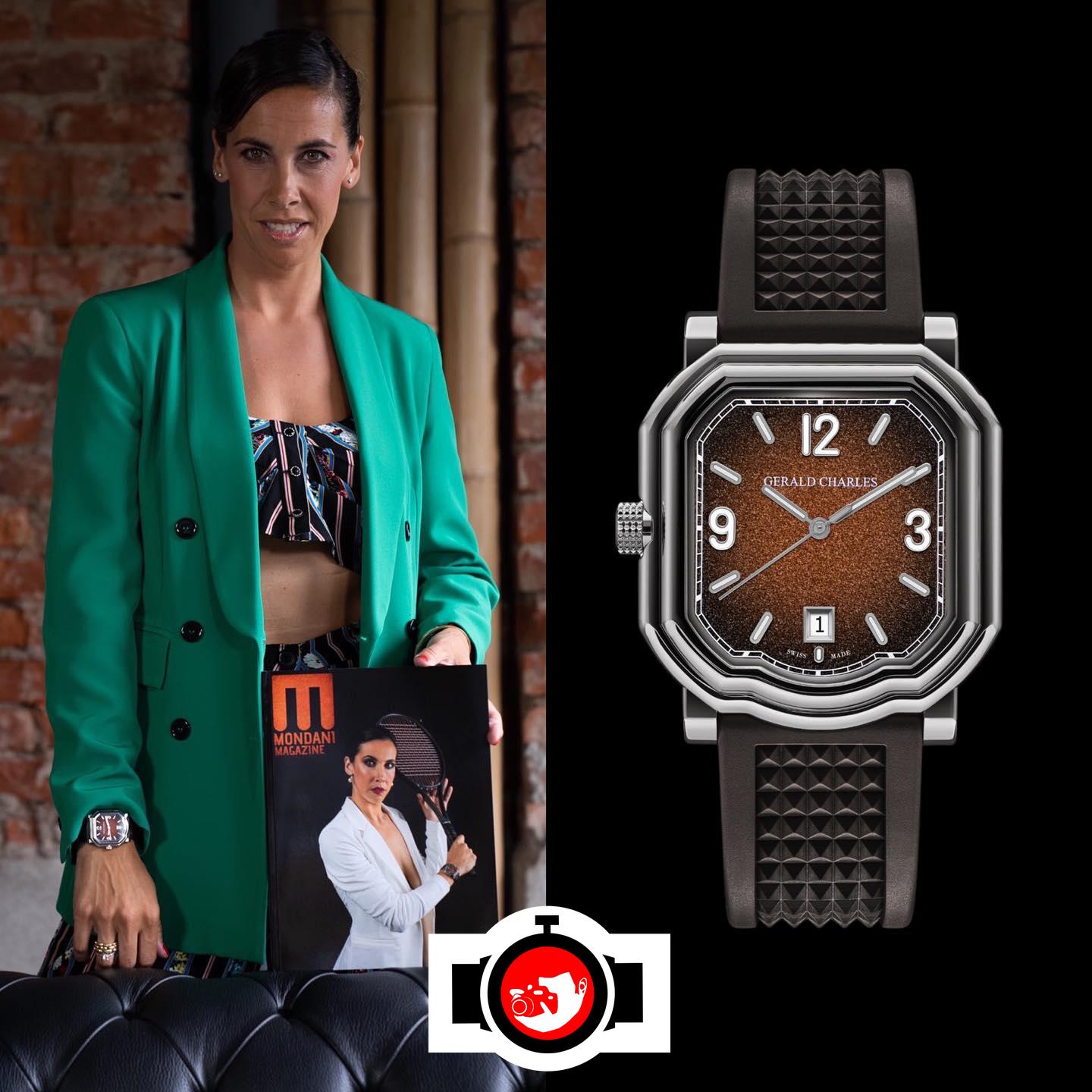
Giorgia Mondani wearing Gerald Charles
Gerald Charles Maestro GC Sport
Giorgia Mondani wearing Rolex
Rolex Deepsea Challenge Reference 126067 in Oystersteel – Giorgia Mondani Spotted Wearing
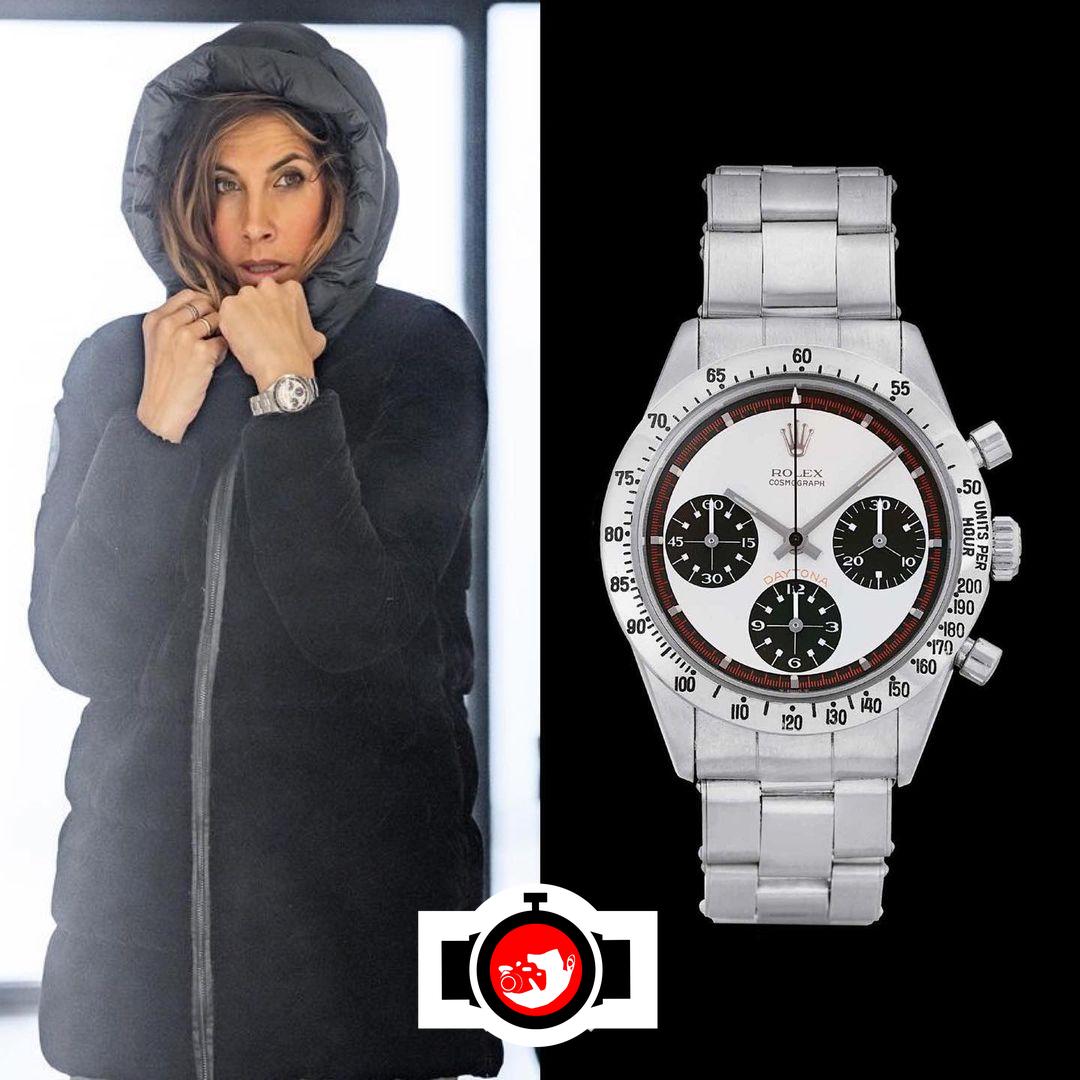
Giorgia Mondani wearing Rolex
Rolex Cosmograph Daytona Reference 6239 'Paul Newman' Exotic Dial White Steel Vintage Chronograph
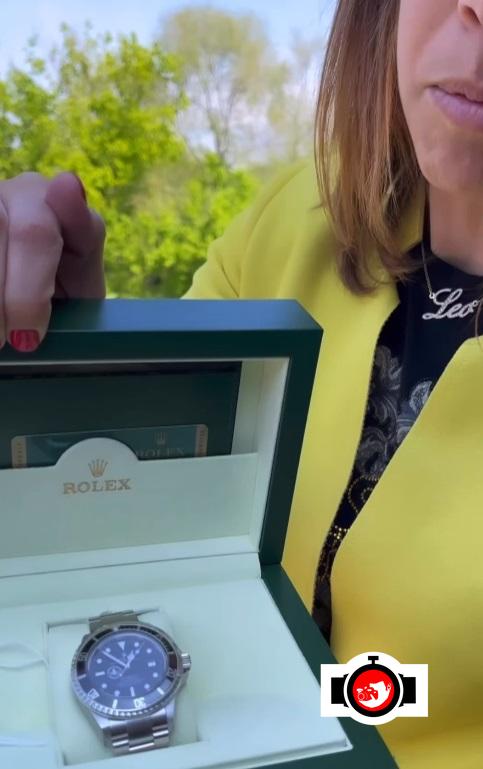
Giorgia Mondani wearing Rolex
Rolex Sea-Dweller 'Polipetto' Ref. 1665 – Stainless Steel Special Edition for Italian State Police Nautical Division
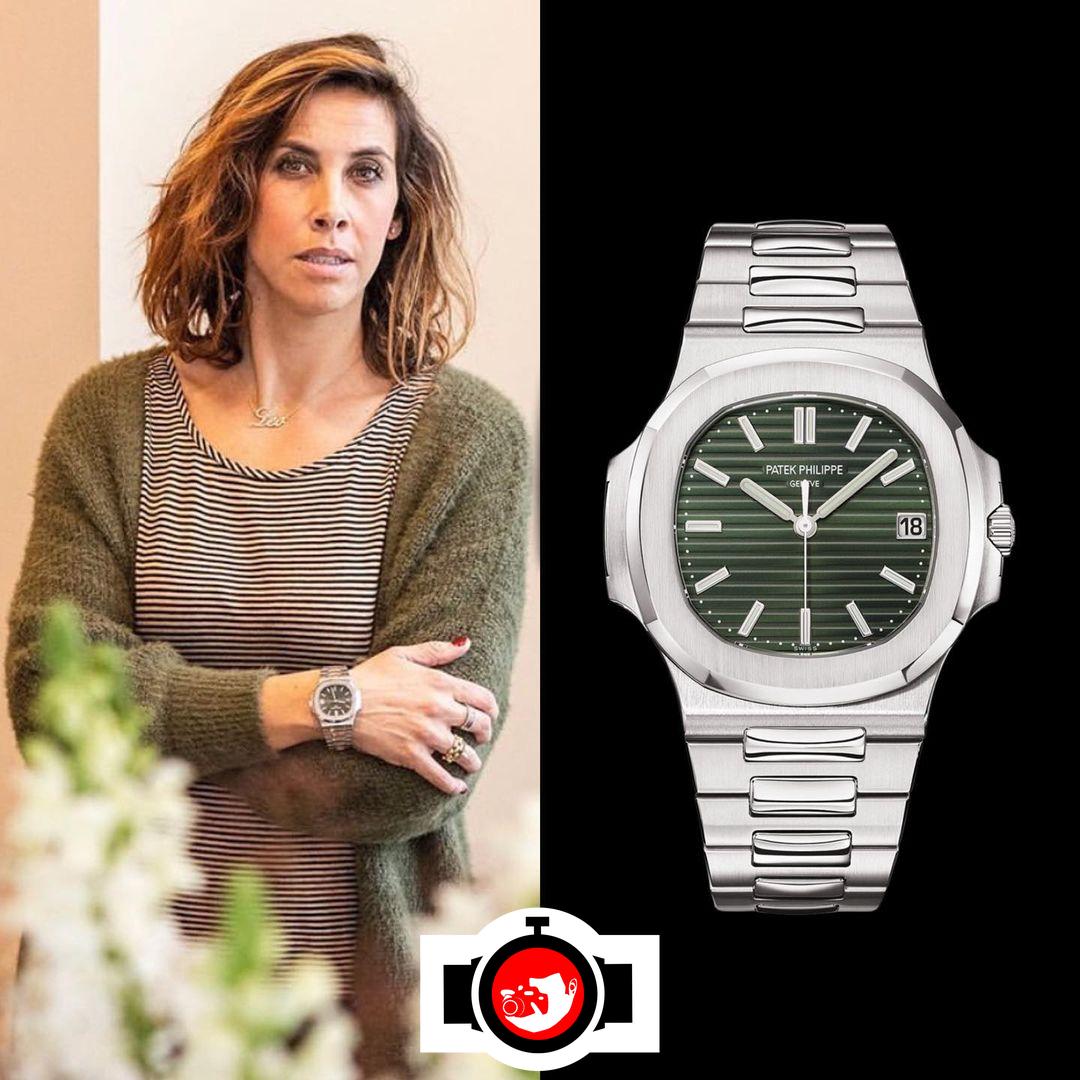
Giorgia Mondani wearing Patek Philippe
Patek Philippe Nautilus Stainless Steel Green Olive Dial Ref. 5711/1A-014
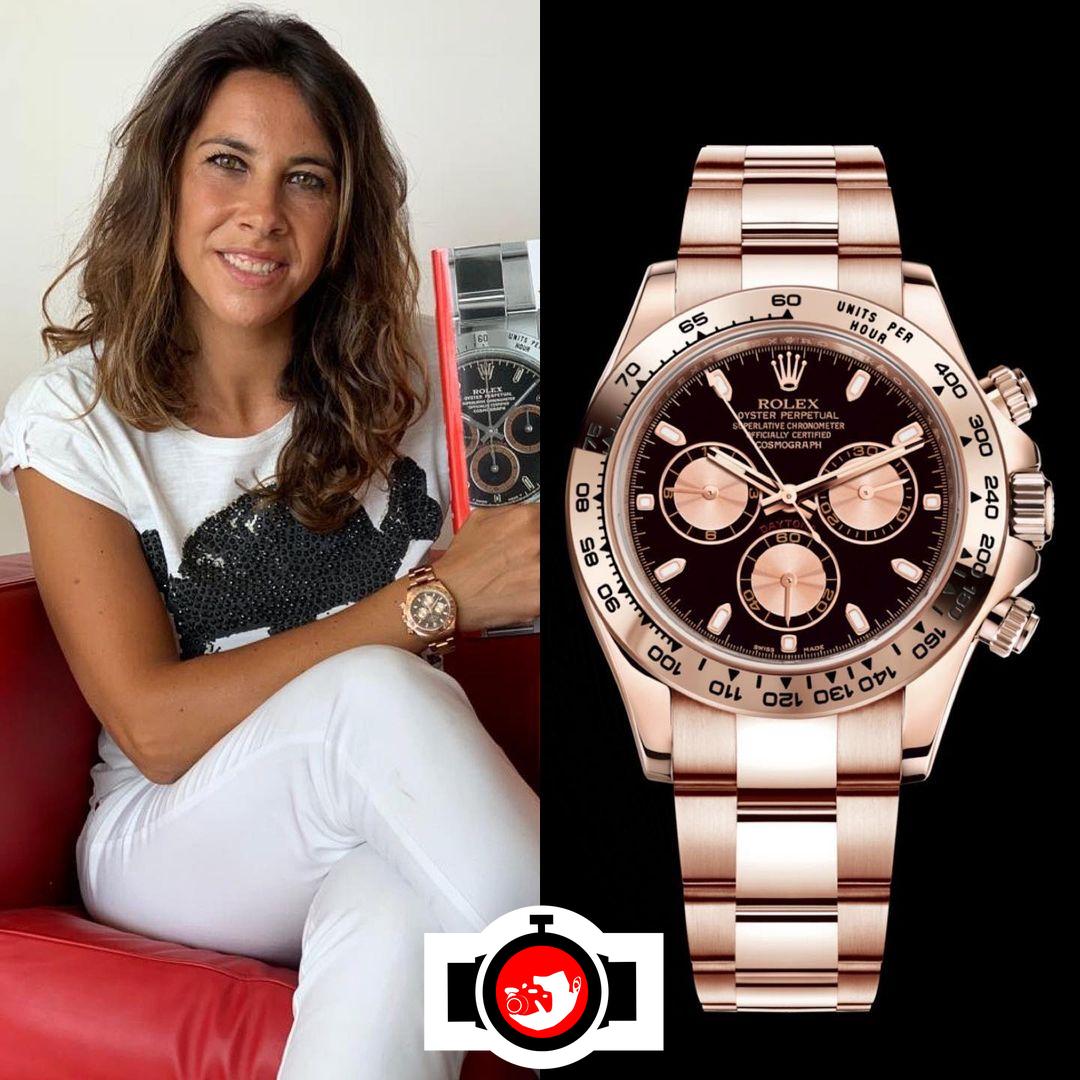
Giorgia Mondani wearing Rolex
Rolex Cosmograph Daytona 116505 18K Everose Gold Black Dial – Giorgia Mondani Spotted
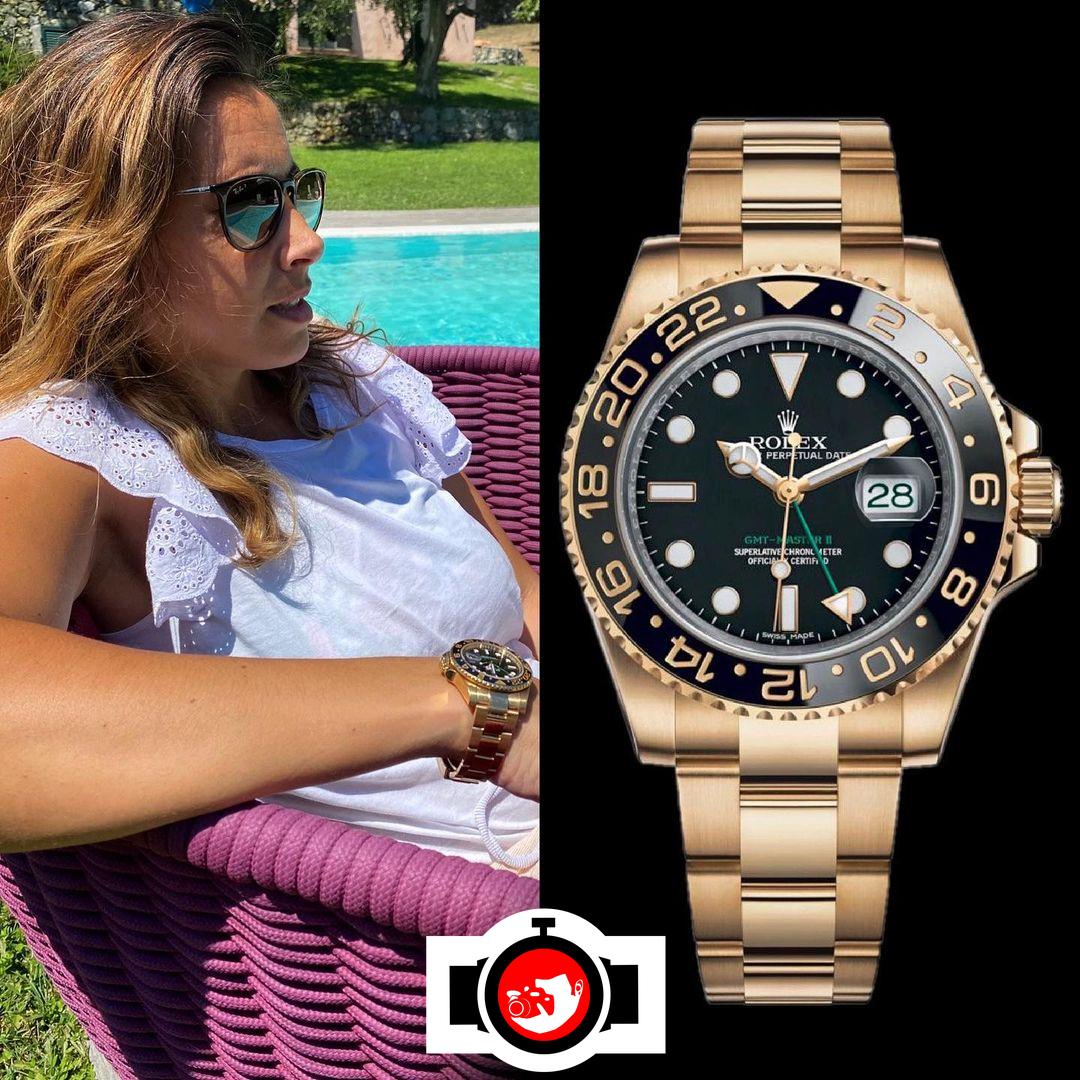
Giorgia Mondani wearing Rolex
Rolex GMT-Master II 116718LN 18K Yellow Gold Black Dial Black Cerachrom Bezel
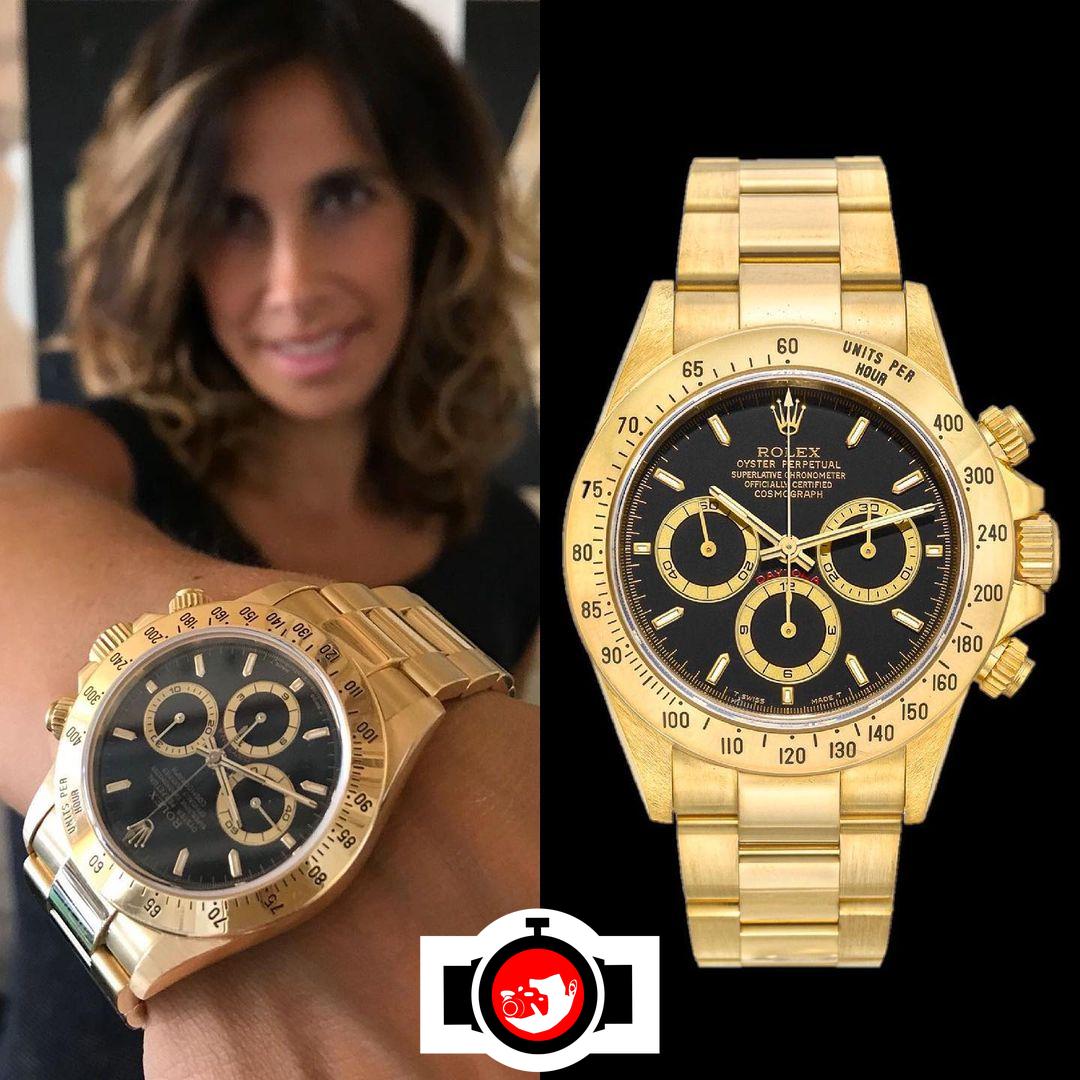
Giorgia Mondani wearing Rolex
Rolex Cosmograph Daytona 'Zenith' Reference 16528 in 18K Yellow Gold with Black Dial
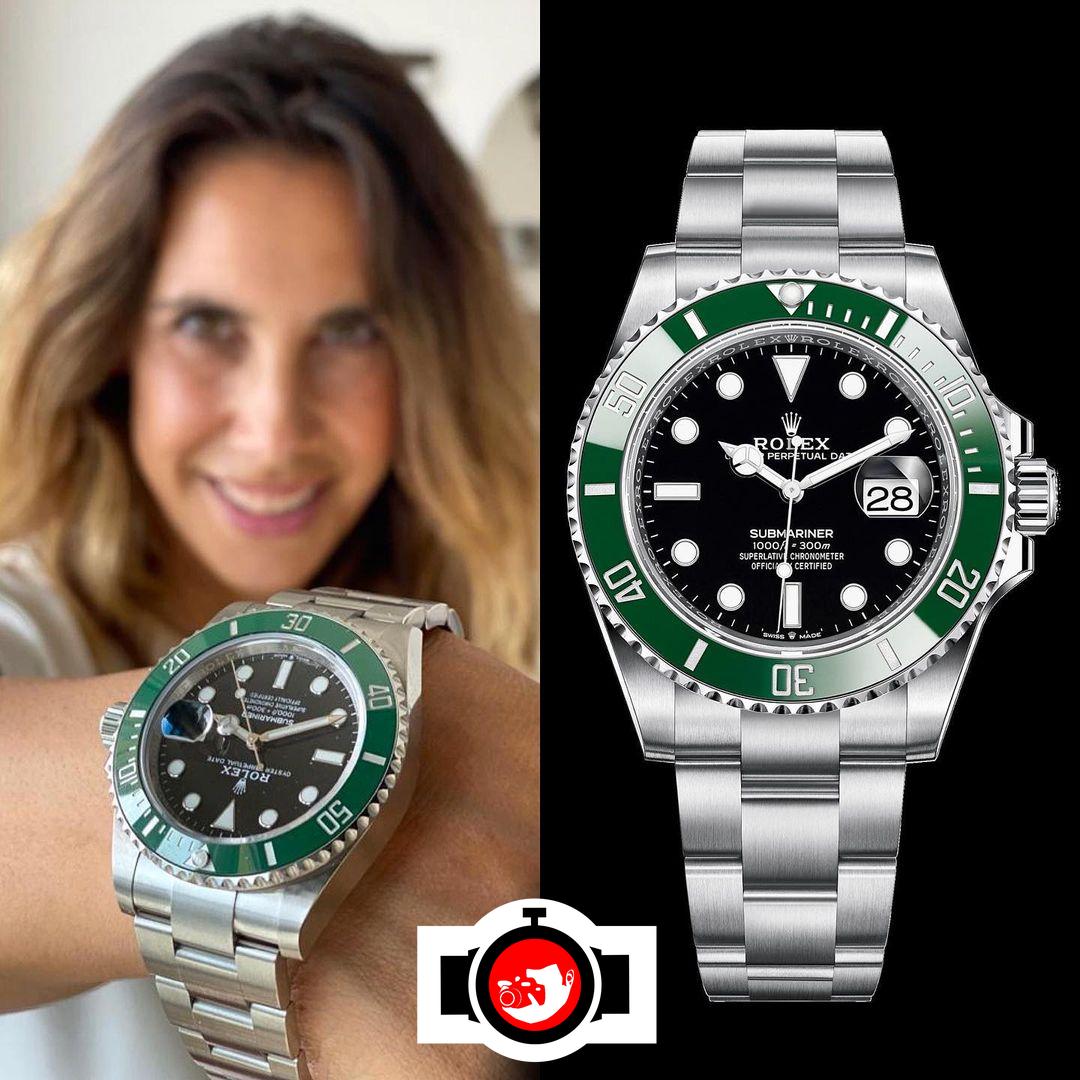
Giorgia Mondani wearing Rolex
Rolex Submariner Date 'Kermit' 126610LV 41mm Stainless Steel Green Cerachrom Bezel Black Dial
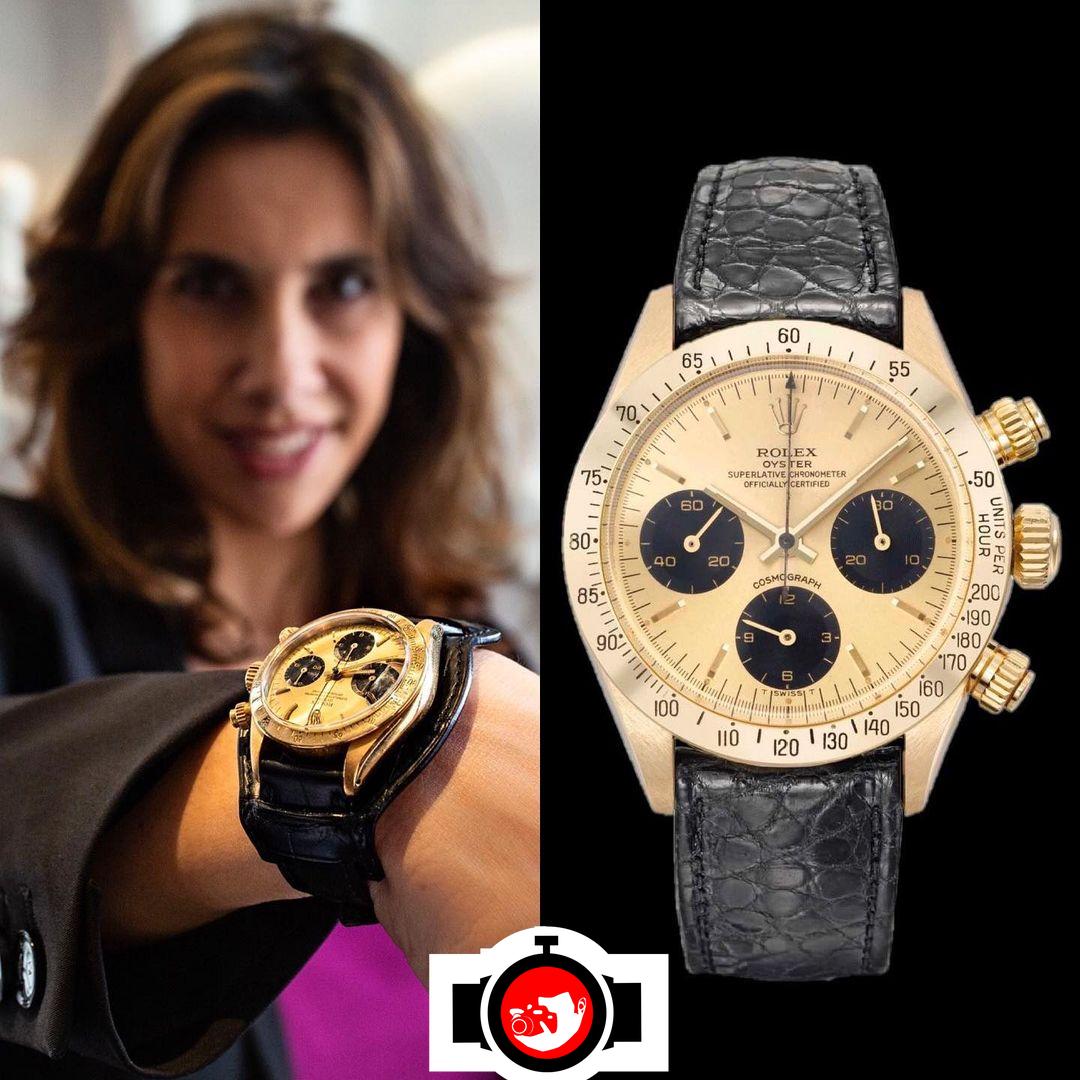
Giorgia Mondani wearing Rolex
Rolex Daytona Reference 6265 Yellow Gold Champagne Dial Solid Gold Bezel – Giorgia Mondani Spotted
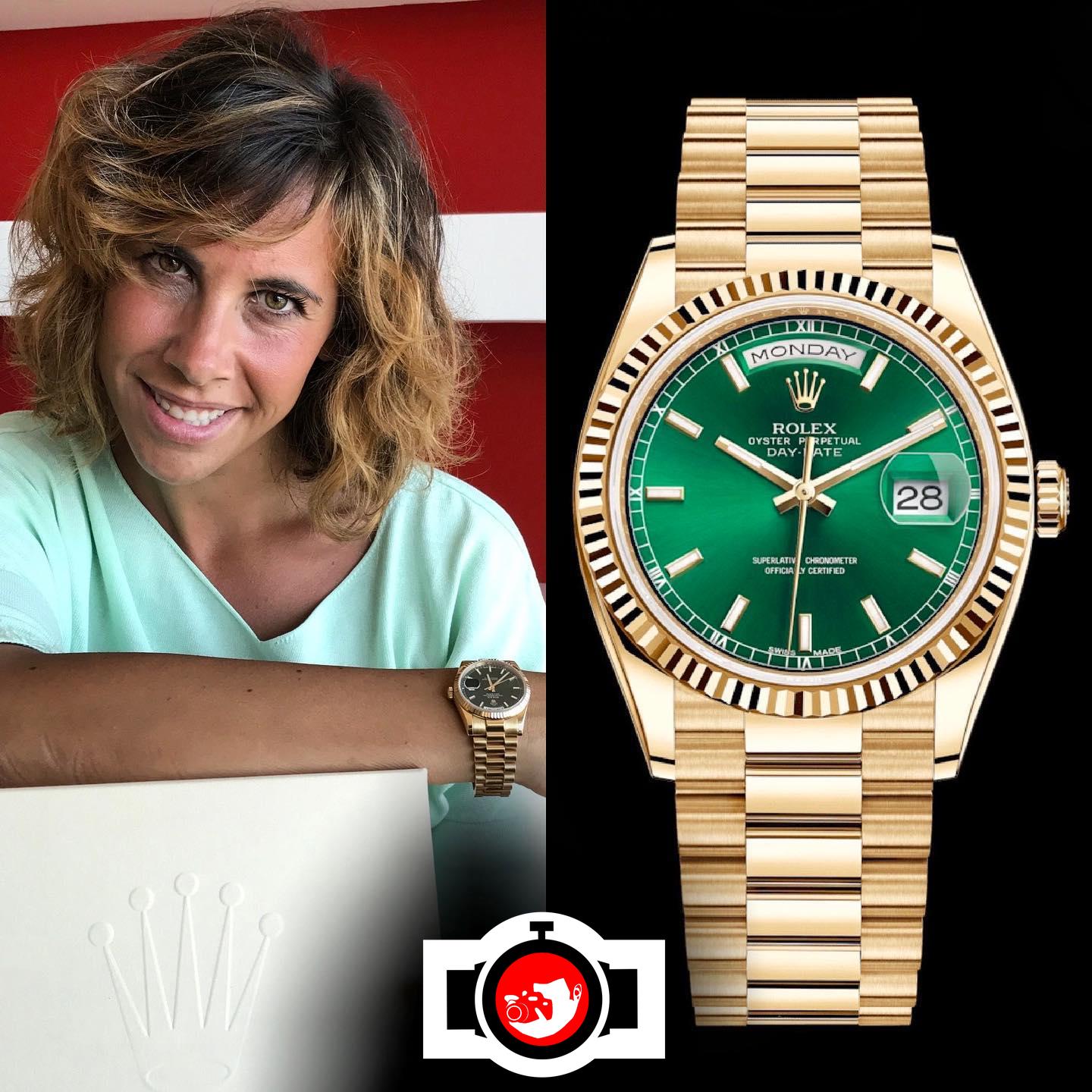
Giorgia Mondani wearing Rolex
Rolex Day-Date 36mm 18K Yellow Gold Green Dial President Bracelet Ref. 118238 – Giorgia Mondani
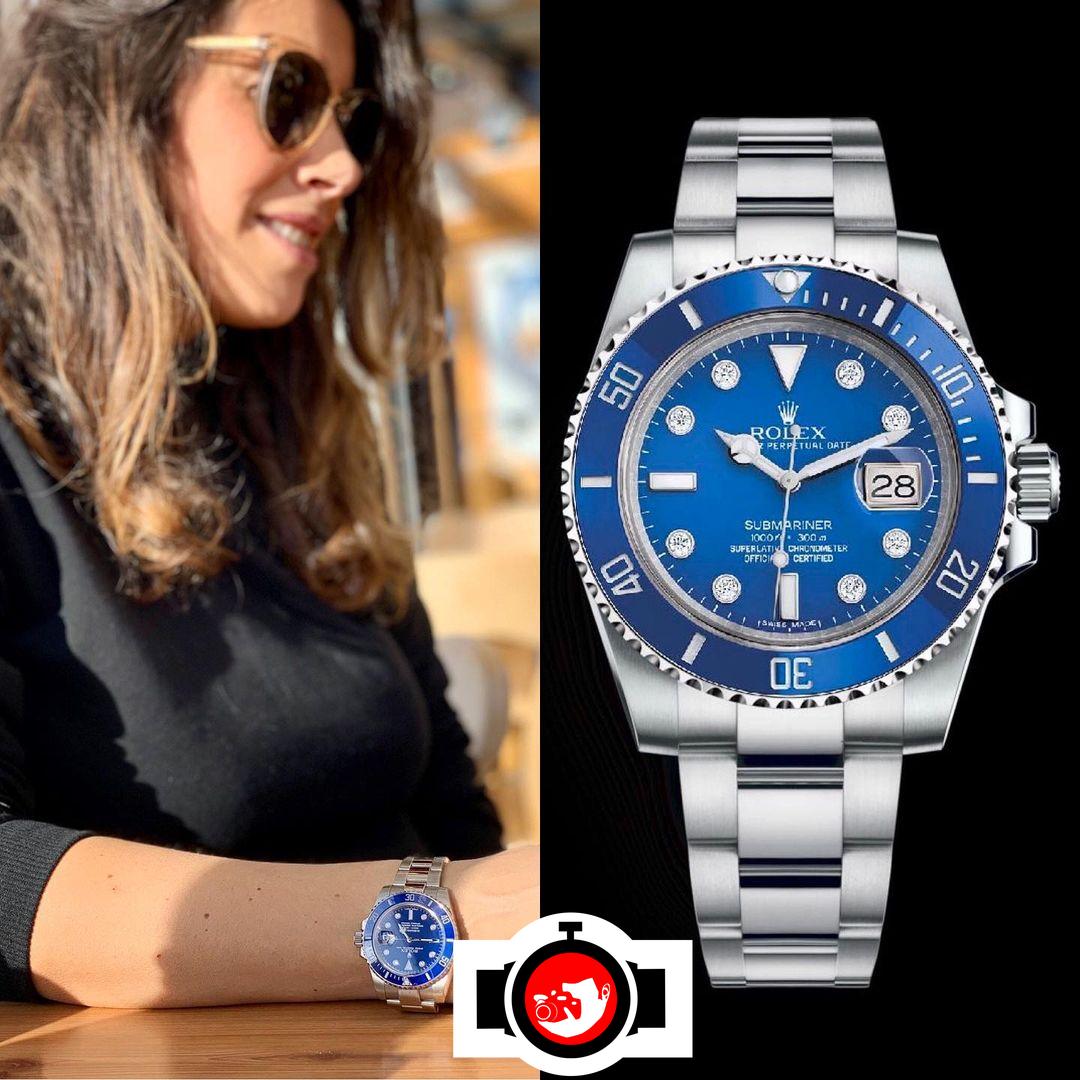
Giorgia Mondani wearing Rolex
Rolex Submariner Date 18k White Gold Blue Dial Diamond Indexes Reference 116619LB