
Entrepreneur Jean-Claude Biver spotted wearing a Audemars Piguet
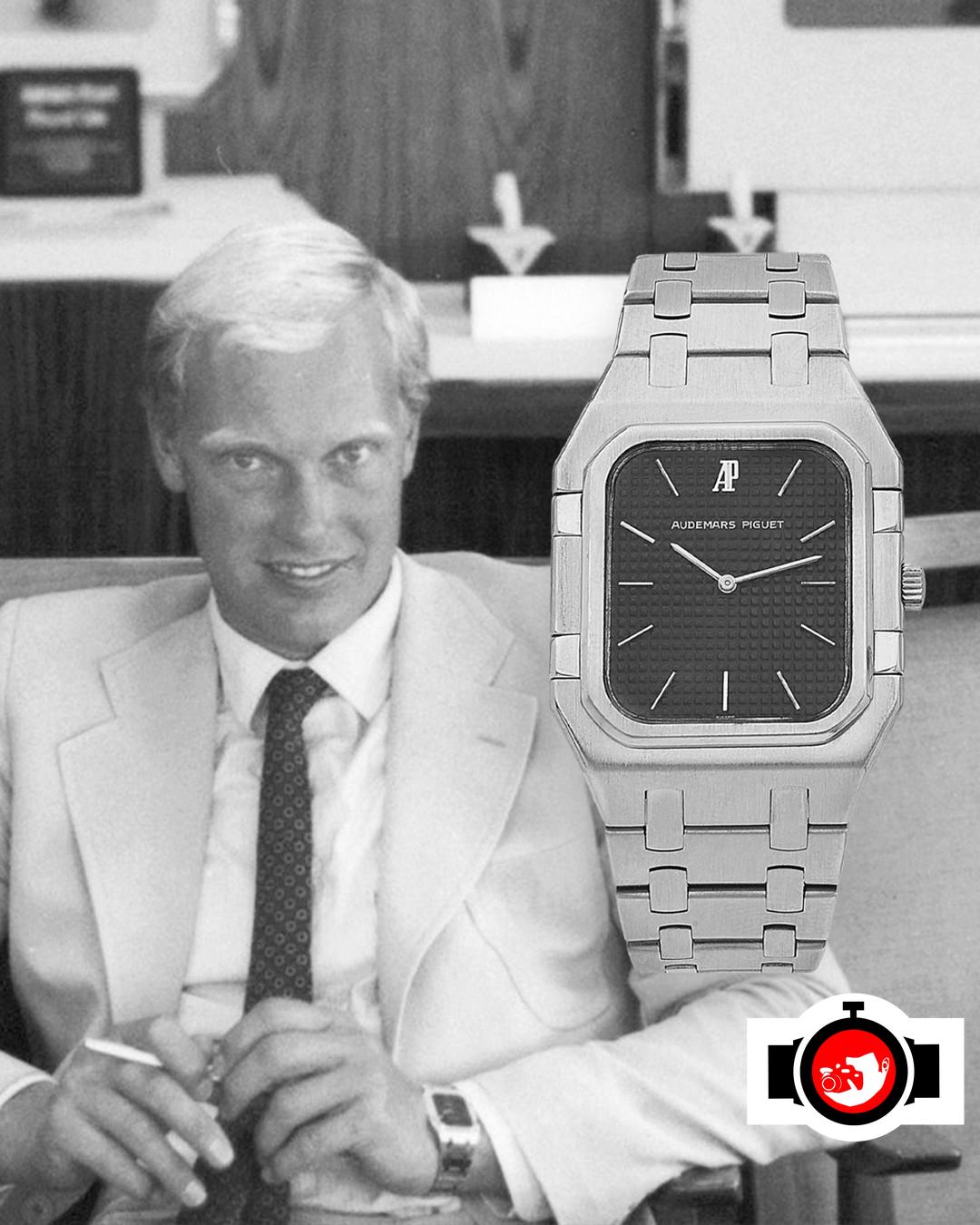
Few photographs carry as much unintentional symbolism as this black-and-white snapshot of a young Jean-Claude Biver at his desk during his tenure at Audemars Piguet in the late 1970s. On his wrist sits an Audemars Piguet Royal Oak in its rarely discussed rectangular case form — a quartz-driven variant that represents a brief but historically loaded chapter in the manufacture's story.
Following the runaway success of Gérald Genta's iconic octagonal Royal Oak launched in 1972, Audemars Piguet experimented with case geometry throughout the decade. The rectangular Royal Oak — produced in limited numbers in stainless steel from around 1977 — features the same tapestry 'Grande Tapisserie' dial motif, AP monogram at 12 o'clock, and integrated brushed bracelet language as its round sibling, but in a distinctly rectilinear case with chamfered corners. Internally, it houses a quartz movement, a concession to the commercial realities of the era. The reference most consistent with the visual evidence here is the 8084ST, though closely related variants exist.
From a collector's standpoint, the rectangular Royal Oak quartz occupies a fascinating niche. It was never a mainstream success and was quietly discontinued as mechanical movements reasserted their dominance in the 1980s. Today these pieces surface rarely at auction, prized precisely for their oddity — a quartz Royal Oak feels almost transgressive to modern sensibilities, which is exactly what makes it compelling to serious collectors of the period.
The irony embedded in this image is profound. Biver left Audemars Piguet in 1981 and, together with Jacques-Henry Grenacher, purchased the nearly dormant Blancpain manufacture for a reported one franc. His subsequent revival of Blancpain under the banner 'Since 1735, Blancpain has never made a quartz watch. And never will.' became one of advertising's most celebrated anti-quartz statements — a direct counter-movement to the very technology strapped to his wrist in this photograph.
On the secondary market, rectangular Royal Oak quartz references from this era trade in a relatively modest range compared to their mechanical counterparts, typically between $8,000 and $18,000 depending on condition and bracelet completeness. Their association with the quartz crisis makes them historically significant beyond their price tag — and this particular example, documented on the wrist of Biver himself, elevates the narrative considerably.
More watches like this

Jean-Claude Biver wearing Hublot
Hublot Big Bang Unico Titanium Ceramic Jean-Claude Biver Personal Sighting
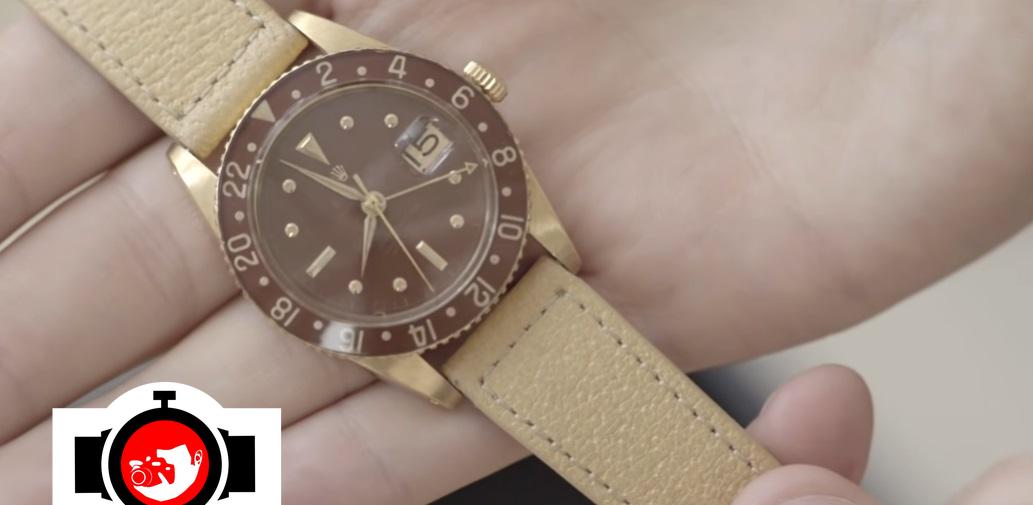
Jean-Claude Biver wearing Rolex
Rolex GMT Master II in Yellow Gold with Bachelite Bezel

Jean-Claude Biver wearing Hublot
Hublot Big Bang Unico 'Rhinoceros' Matte Beige Ceramic — Jean-Claude Biver Personal Piece

Jean-Claude Biver wearing Patek Philippe
Piece Unique Patek Philippe
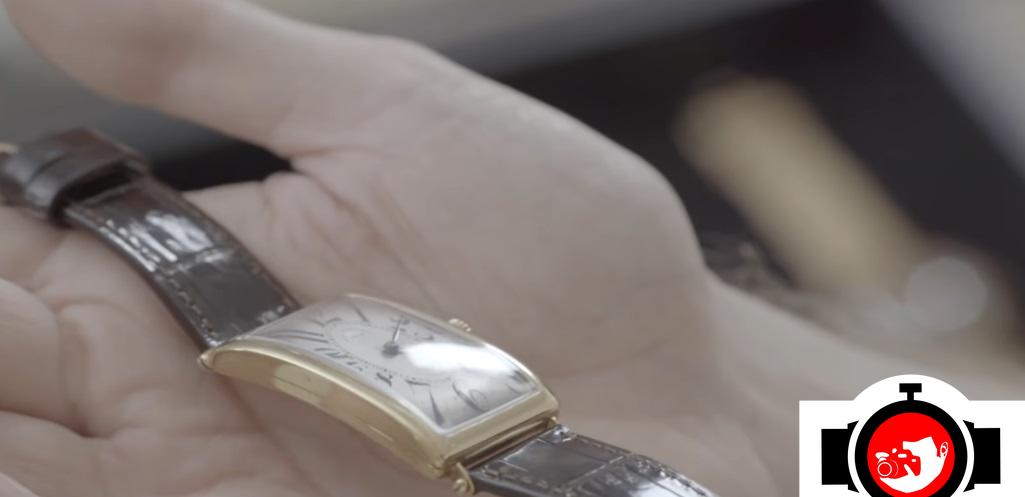
Jean-Claude Biver wearing Patek Philippe
Patek Philippe Gondolo Ref. 5111J Yellow Gold Tonneau Jean-Claude Biver
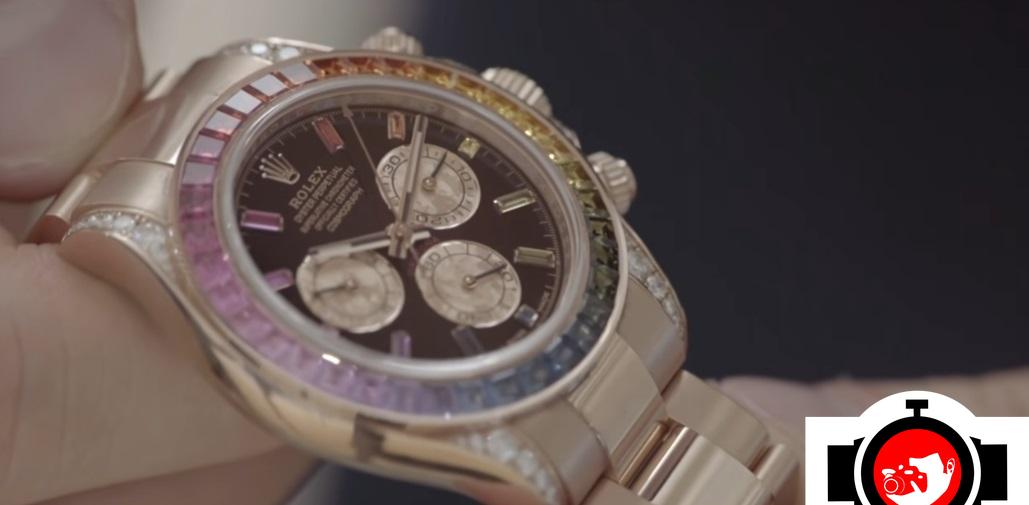
Jean-Claude Biver wearing Rolex
Rolex Cosmograph Daytona Rainbow Rose Gold Ref. 116595RBOW — Jean-Claude Biver's Prized Gem-Set Chronograph
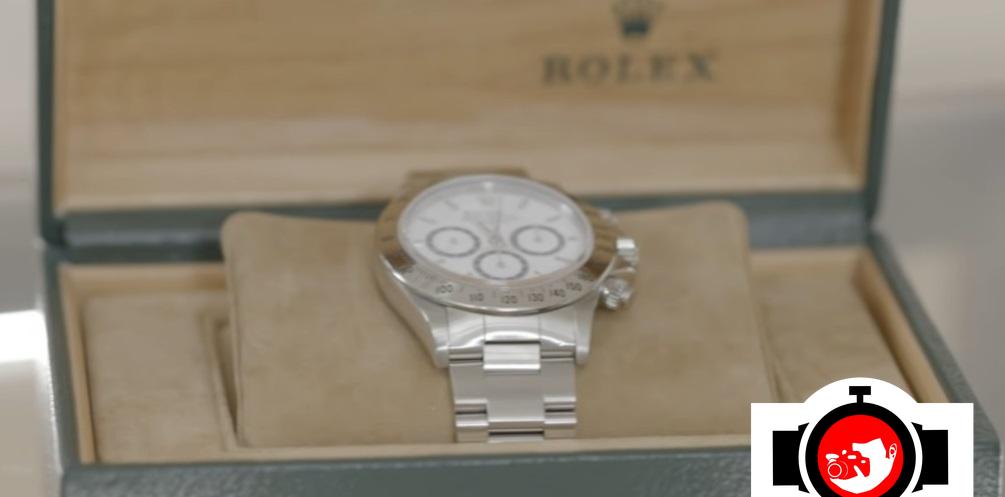
Jean-Claude Biver wearing Rolex
Rolex Cosmograph Daytona 'Zenith' Stainless Steel White Dial Reference 16520 — Jean-Claude Biver
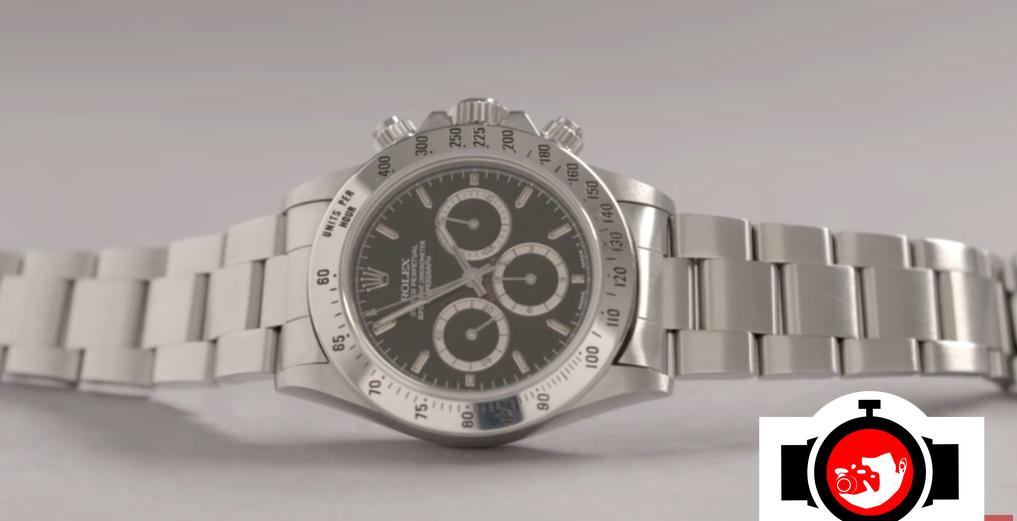
Jean-Claude Biver wearing Rolex
Rolex Cosmograph Daytona 'Zenith' Stainless Steel Black Dial Reference 16520 — Jean-Claude Biver
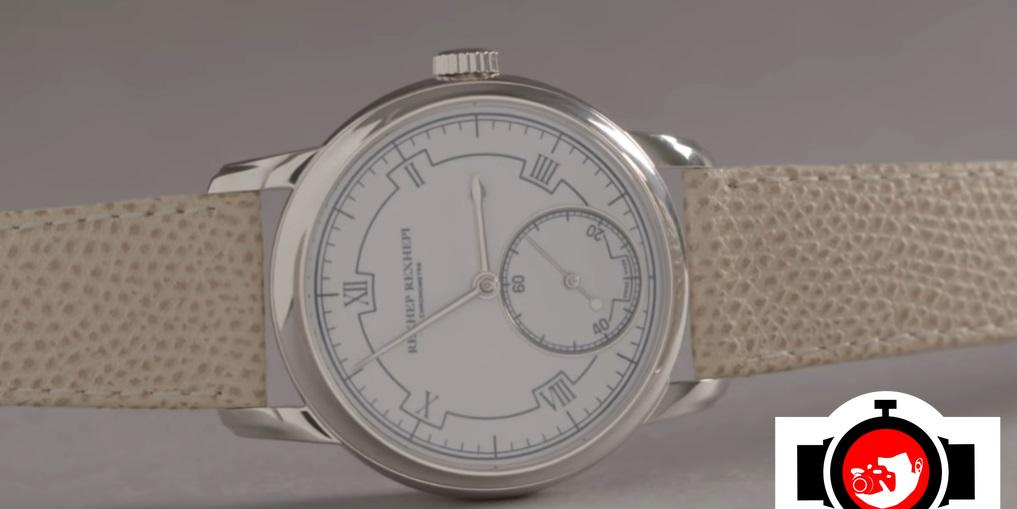
Jean-Claude Biver wearing Rexhep Rexhepi
Rexhep Rexhepi Akrivia AK-06 Platinum — Jean-Claude Biver's Personal Piece No. 1
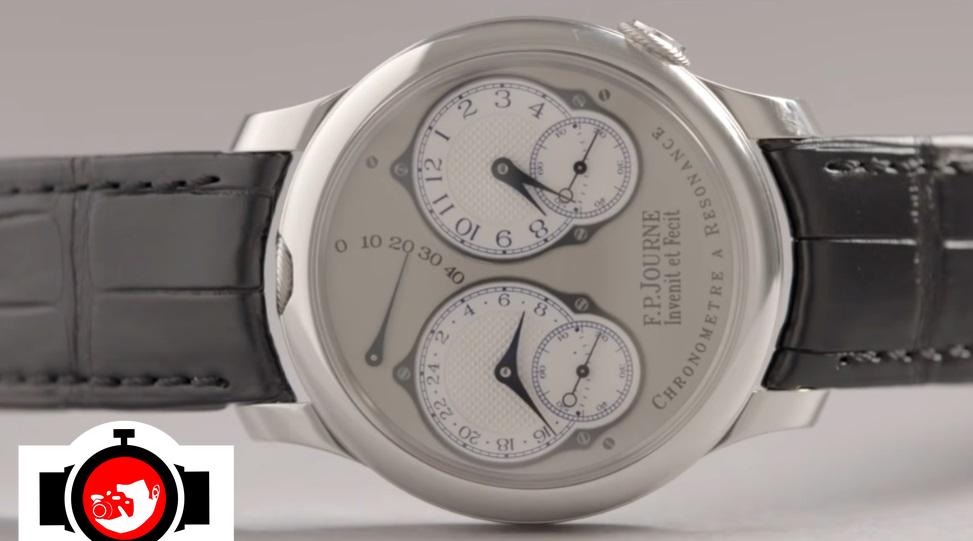
Jean-Claude Biver wearing F.P. Journe
F.P. Journe Invenit et Fecit Chronometre a Resonance
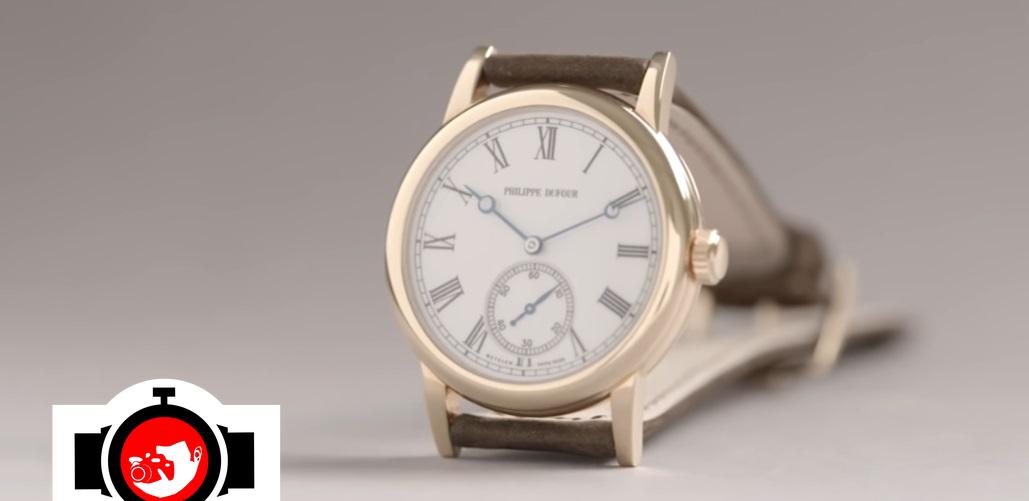
Jean-Claude Biver wearing Philippe Dufour
Philippe Dufour Simplicity Rose Gold Roman Numerals – Jean-Claude Biver's Personal Timepiece
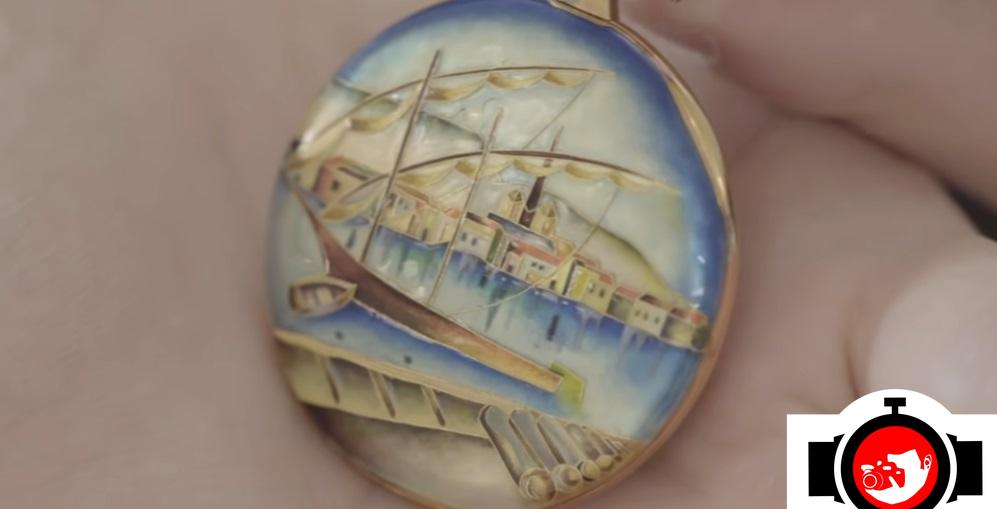
Jean-Claude Biver wearing Patek Philippe
Patek Philippe Yellow Gold Enamel Miniature Painting Pocket Watch – Jean-Claude Biver Sighting