
Actor Al Pacino spotted wearing a Patek Philippe

In David Fincher's tightly wound 1997 thriller 'The Game,' production designers made a quietly brilliant choice: dressing the ice-cold banker Nicholas van Orton in a visibly aged, rectangular yellow gold Patek Philippe co-signed by Tiffany & Co. The watch is not a costume department flourish — it is a plot device, establishing van Orton's inherited privilege and emotional disconnection before a single word of backstory is spoken. A timepiece received at eighteen, worn into late middle age, says everything about a man who values continuity over sentiment.
From the screen grabs and the reference image provided, the watch presents a rectangular — almost square — yellow gold case consistent with Patek Philippe's art-deco production of the late 1920s through the late 1940s. The dial shows large Arabic numerals, a subsidiary seconds register at 6 o'clock, and — critically — the dual signature 'Patek Philippe / Tiffany & Co' printed across the upper dial. The bracelet appears to be an articulated yellow gold 'rice grain' or 'brick link' style, period-correct and likely original. Case proportions and lug style are consistent with references from the 96 family or early rectangular calibre-based pieces, though without clearer imagery a firm reference call is impossible.
The Tiffany retail relationship with Patek Philippe stretches back to the 19th century and represents the most historically significant of all American retailer partnerships the Geneva manufacture maintained. Double-signed examples — particularly those in yellow gold with intact original dials — are among the most aggressively pursued lots in any serious vintage auction. A comparable rectangular yellow gold art-deco double-signed example in honest, unpolished condition routinely achieves $40,000–$120,000 at Phillips, Christie's or Sotheby's Geneva, with exceptional examples surpassing $200,000.
For the character of van Orton, the watch functions as shorthand for old money, inherited identity, and emotional stasis — themes central to Fincher's narrative. The visible wear on the case is cinematically intentional: this is not a display piece but a daily-worn artifact of grief and legacy.
For collectors, the sighting is a reminder that vintage Patek Philippe art-deco references remain among the most liquid and historically resonant assets in horology. Whether this specific piece was sourced from a prop house archive or a private collector loan, it is unquestionably the real article — and one of cinema's more understated horological casting decisions.
More watches like this
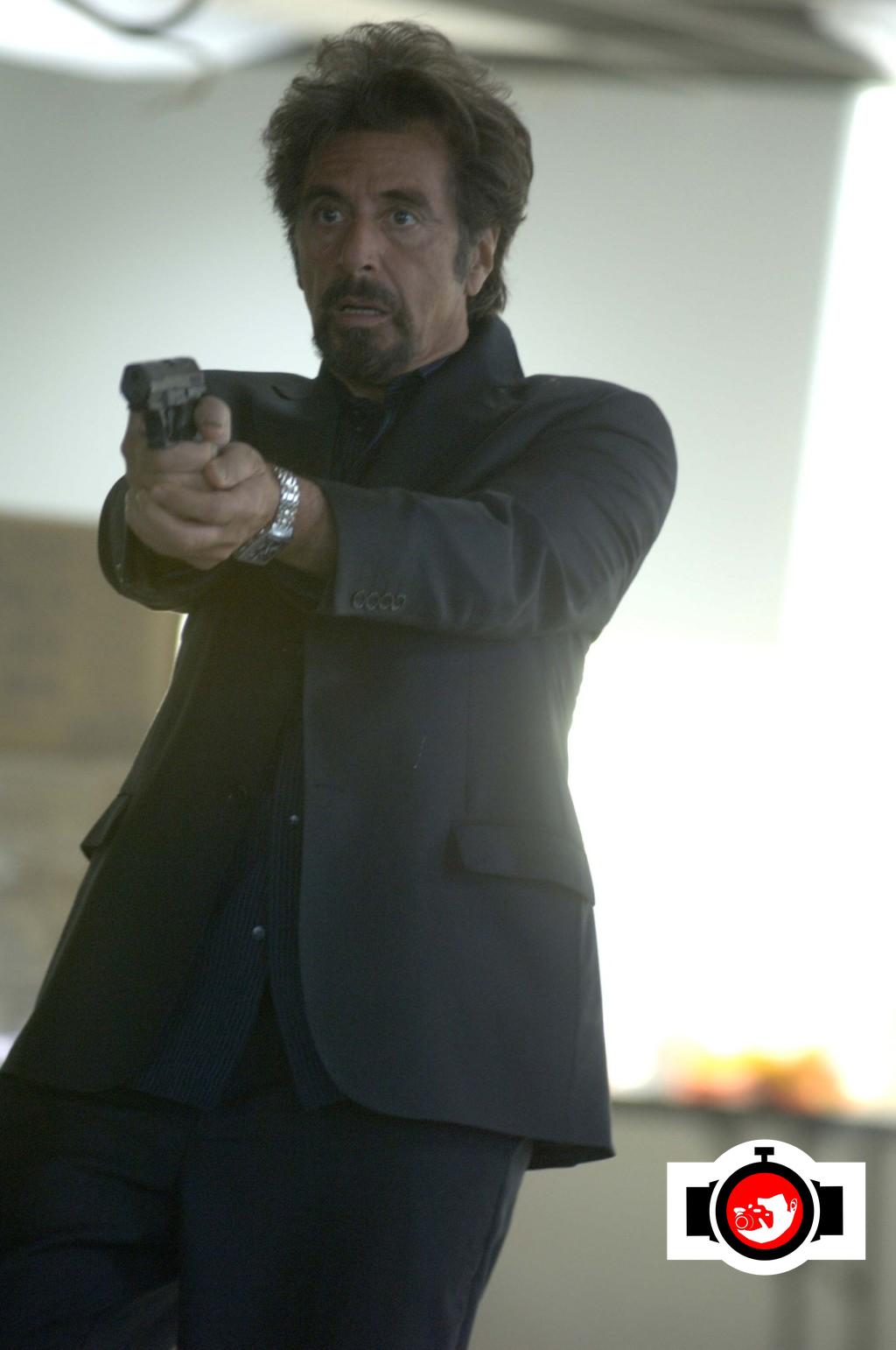
Al Pacino wearing Tag Heuer
Tag Heuer Monaco Steel Automatic – Al Pacino's Square-Case Icon in '88 Minutes'
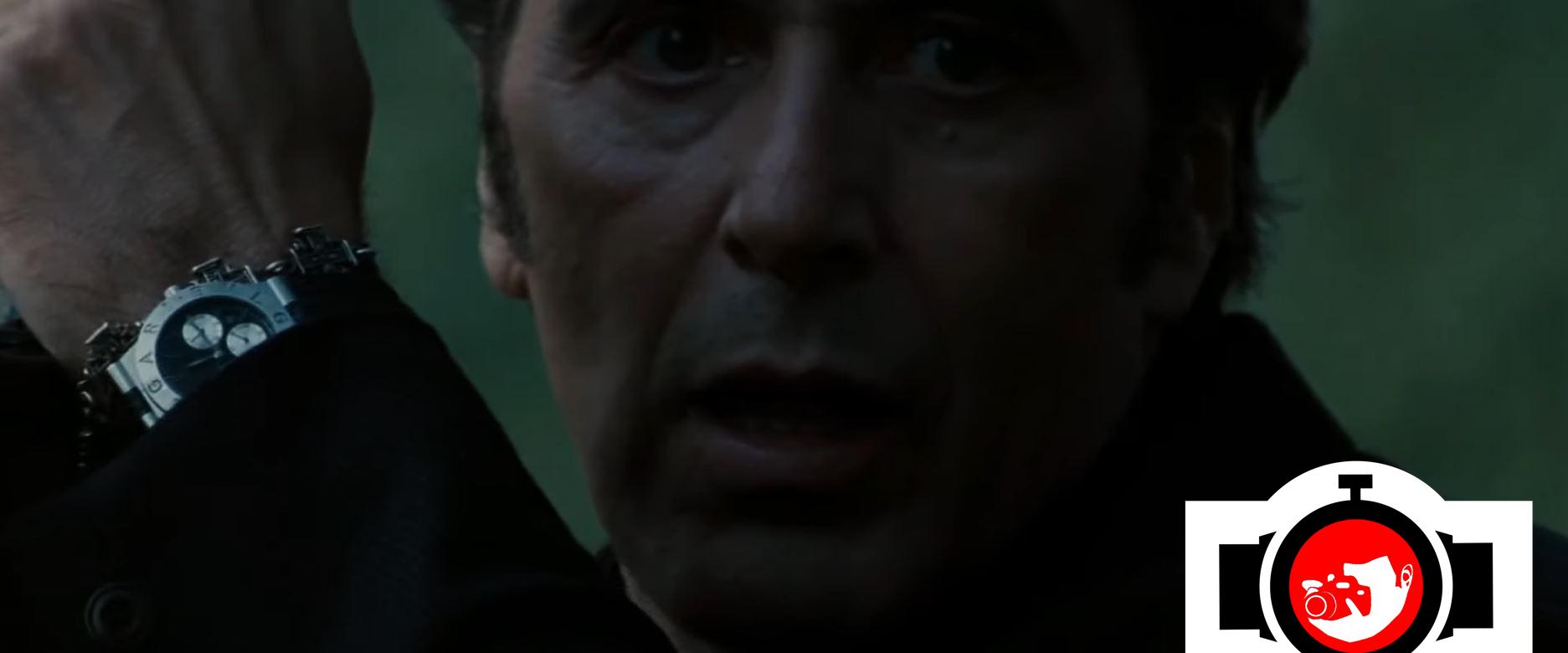
Al Pacino wearing Bulgari
Bulgari Diagono Chronograph Steel – Al Pacino in Heat (1995)
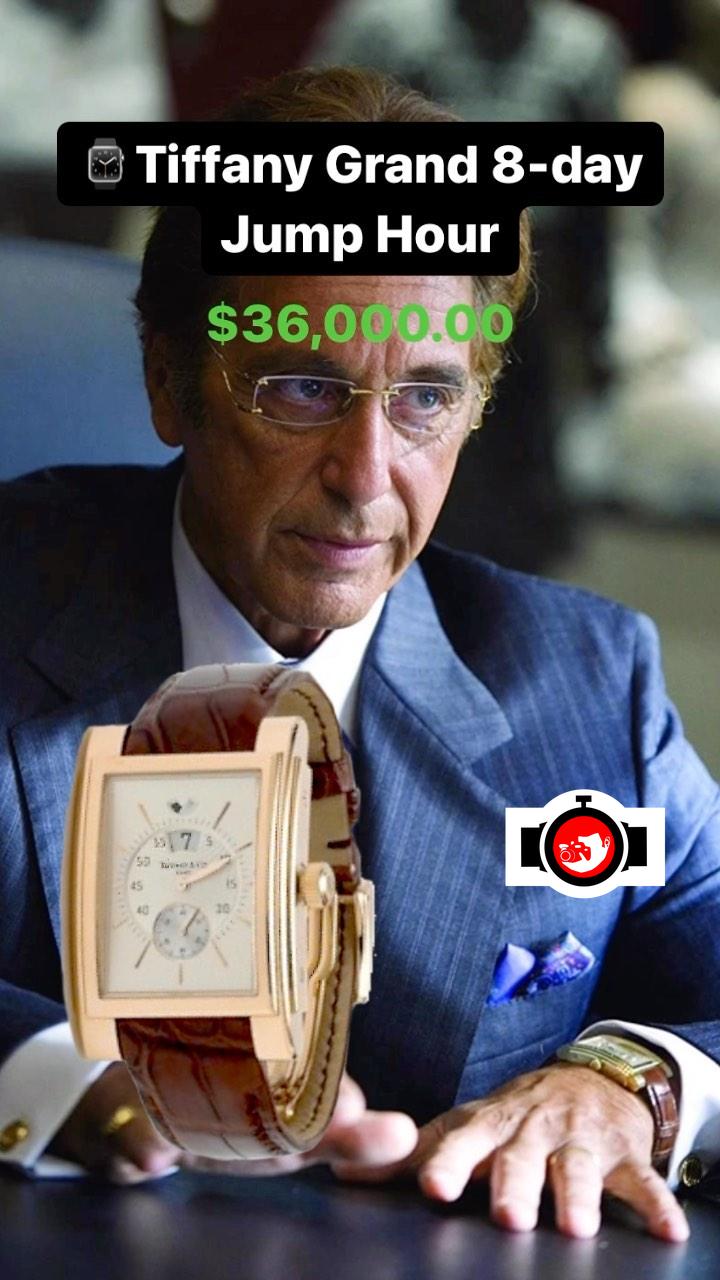
Al Pacino wearing Tiffany & Co.
Tiffany Grand 8-day Jump Hour in 18k yellow gold
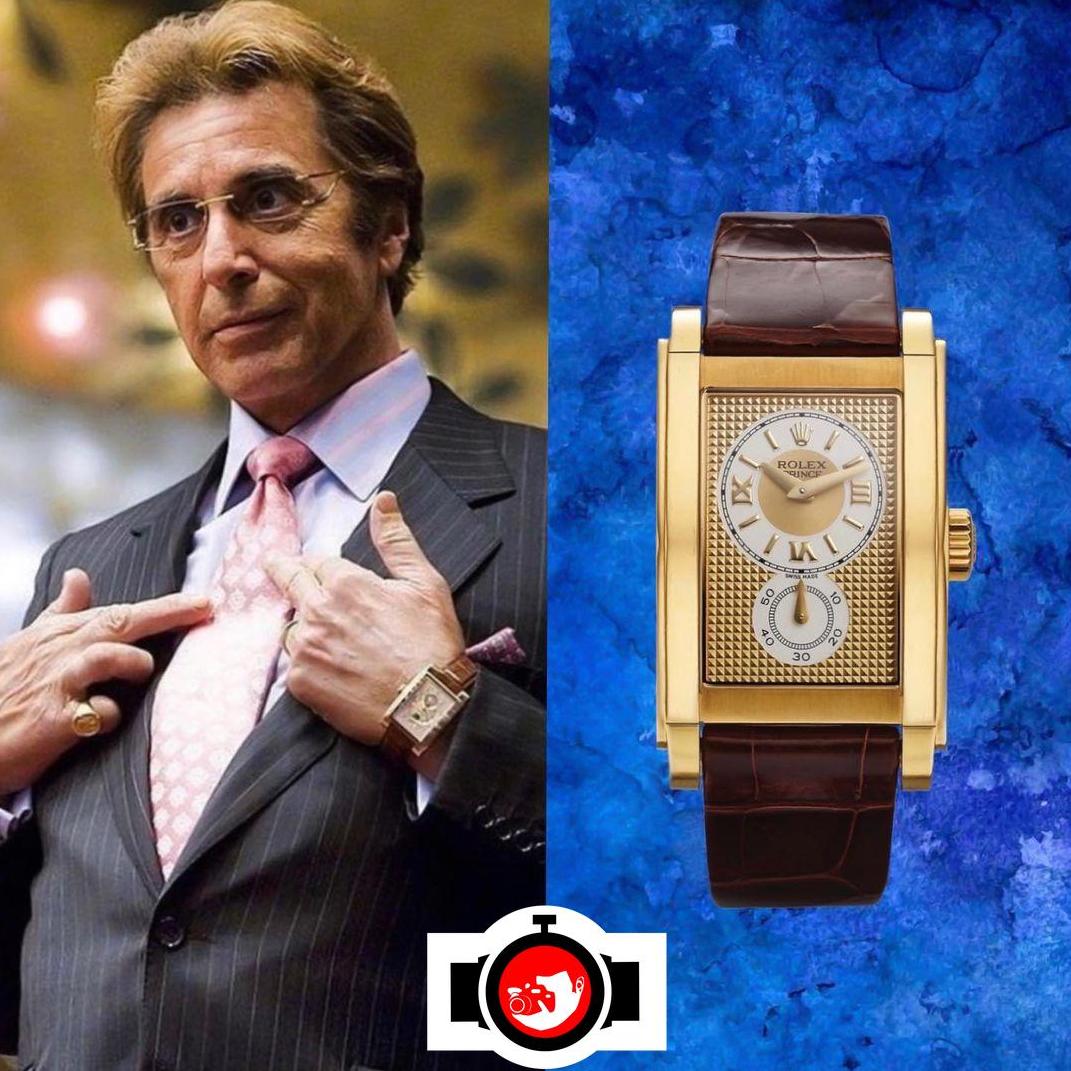
Al Pacino wearing Rolex
Rolex Cellini Prince 5440/8 18k Yellow Gold Gold Baton Dial Roman Numerals Brown Leather Strap
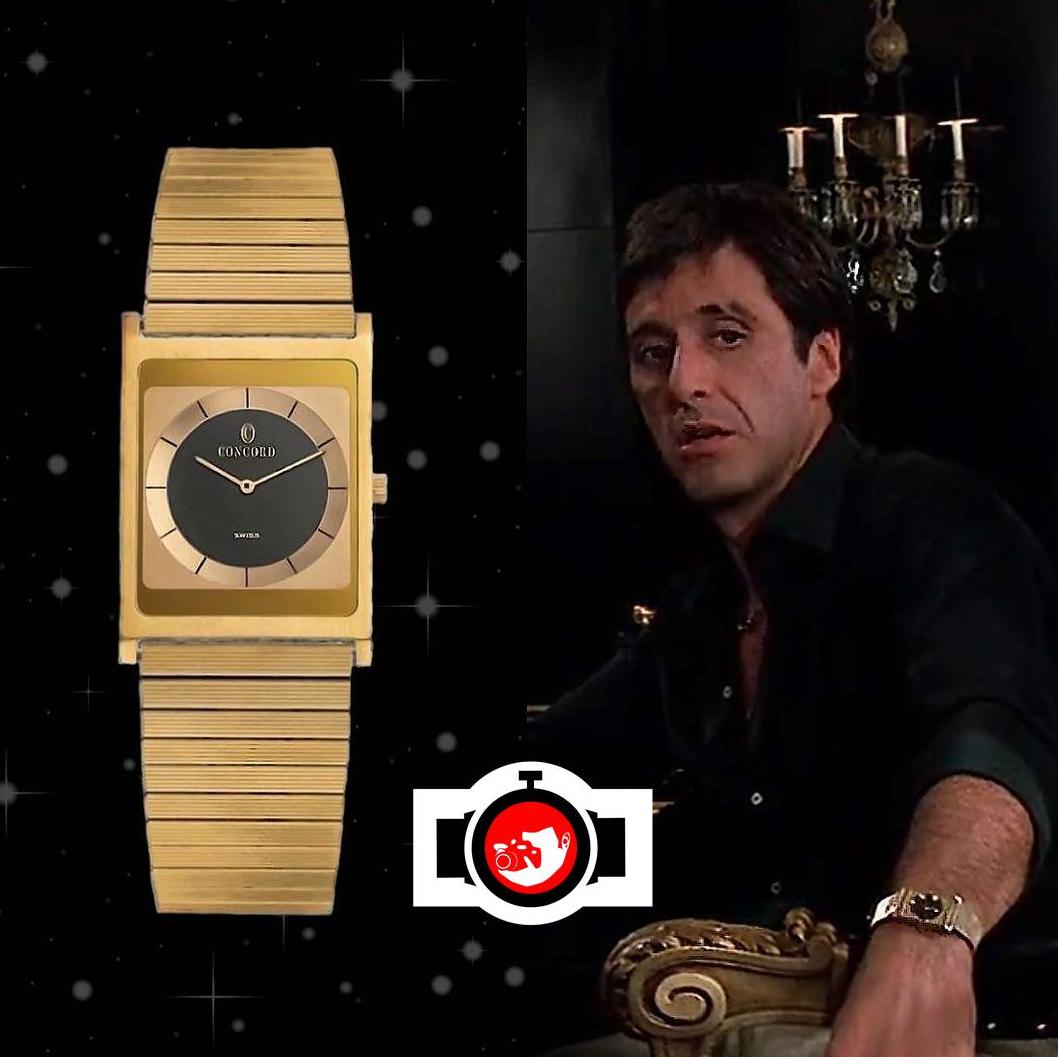
Al Pacino wearing Concord
Concord Delirium Mariner 18k Yellow Gold – As Worn by Al Pacino in Scarface (1983)
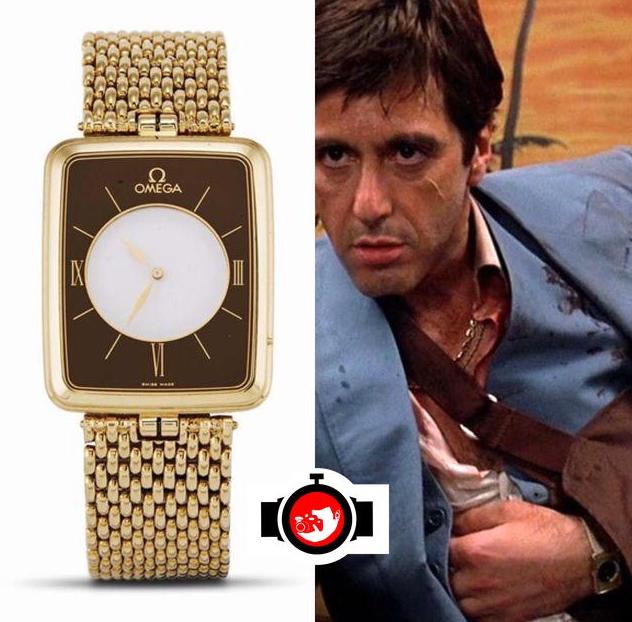
Al Pacino wearing Omega
Omega La Magique 18k Yellow Gold Reference BA 191.8523 Z – As Worn in Scarface
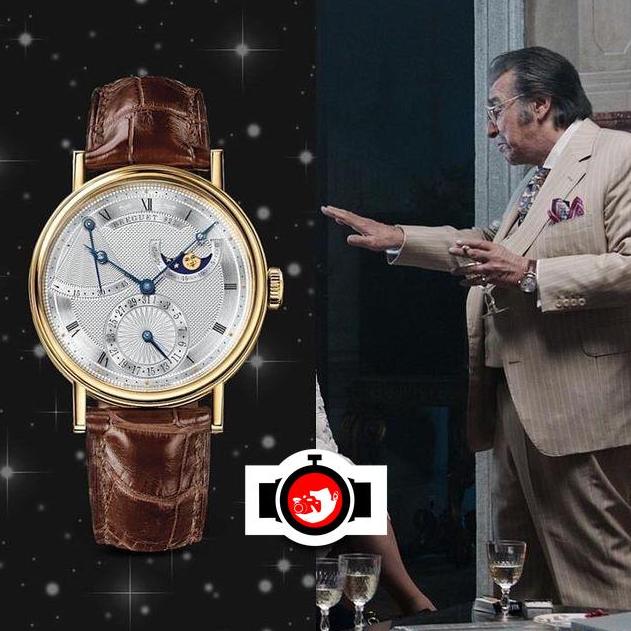
Al Pacino wearing Breguet
Breguet Classique 7137

Al Pacino wearing Rolex
Rolex Submariner Date Steel Reference 16610 – Al Pacino
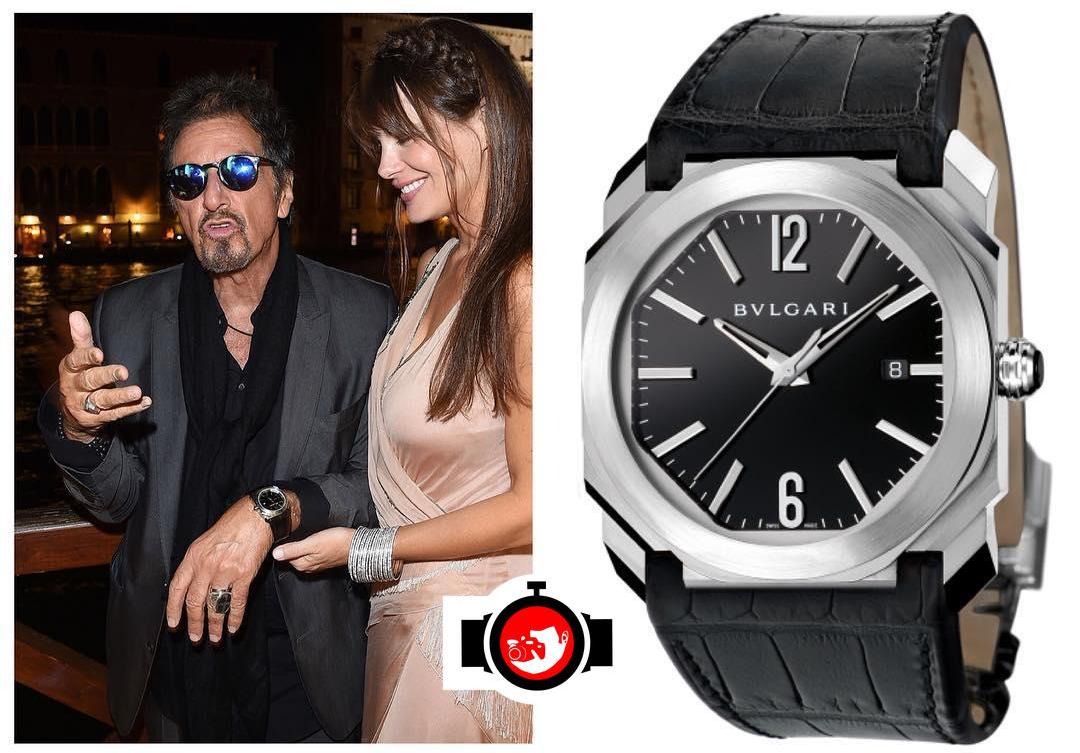
Al Pacino wearing Bulgari
Bulgari Octo Solotempo Steel 41mm Reference 101964BGO41BSLD – Al Pacino
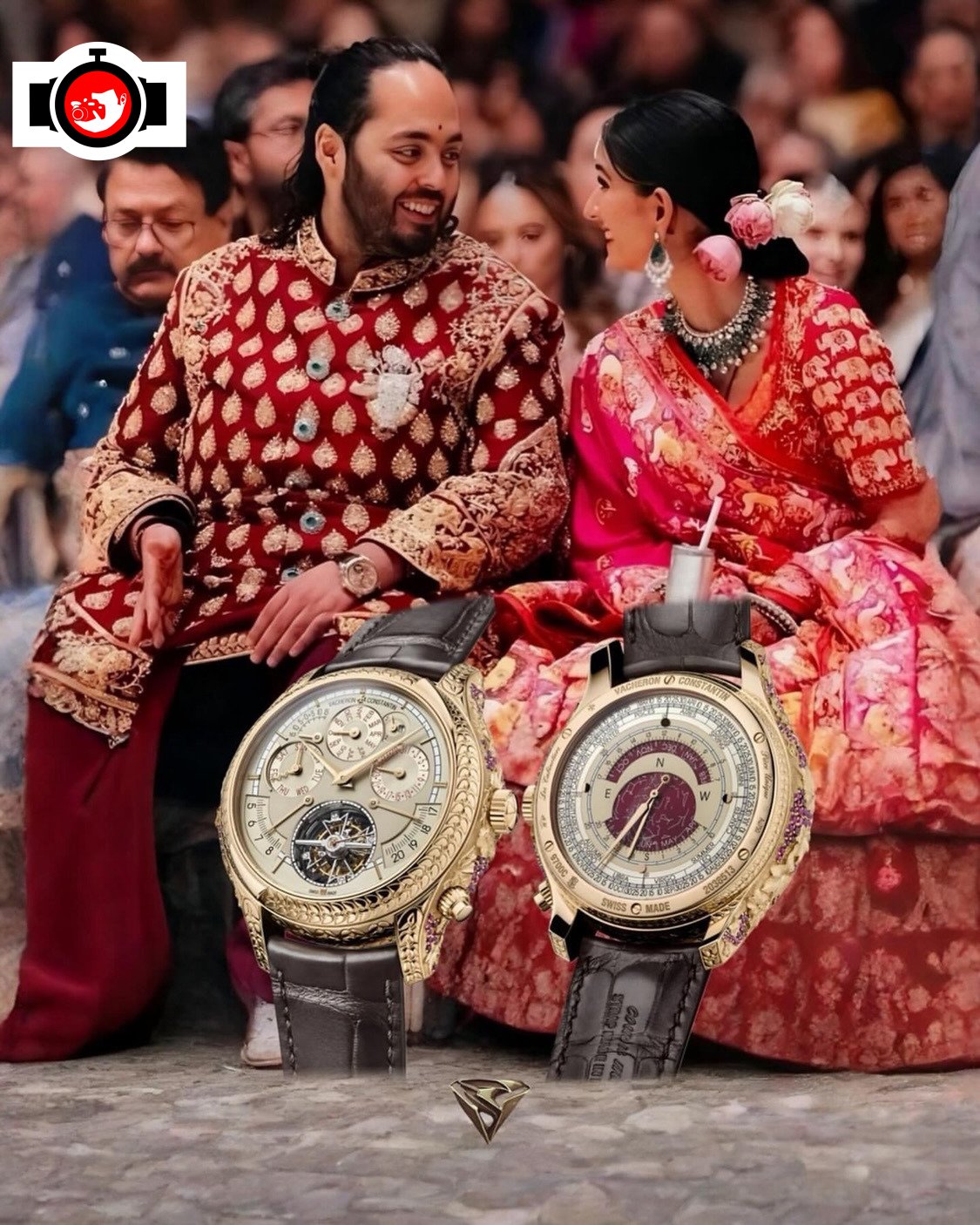
Anant Ambani wearing Vacheron Constantin
18K 5N Gold Vacheron Constantin Les Cabinotiers Grande Complication Bacchus Double-Sided Wristwatch with 16 Complications, Minute Repeater, and Tourbillon

Crown Prince of Qatar wearing Audemars Piguet
Titanium Audemars Piguet Royal Oak Tourbillon with Arabic Numerals and Grey Dial
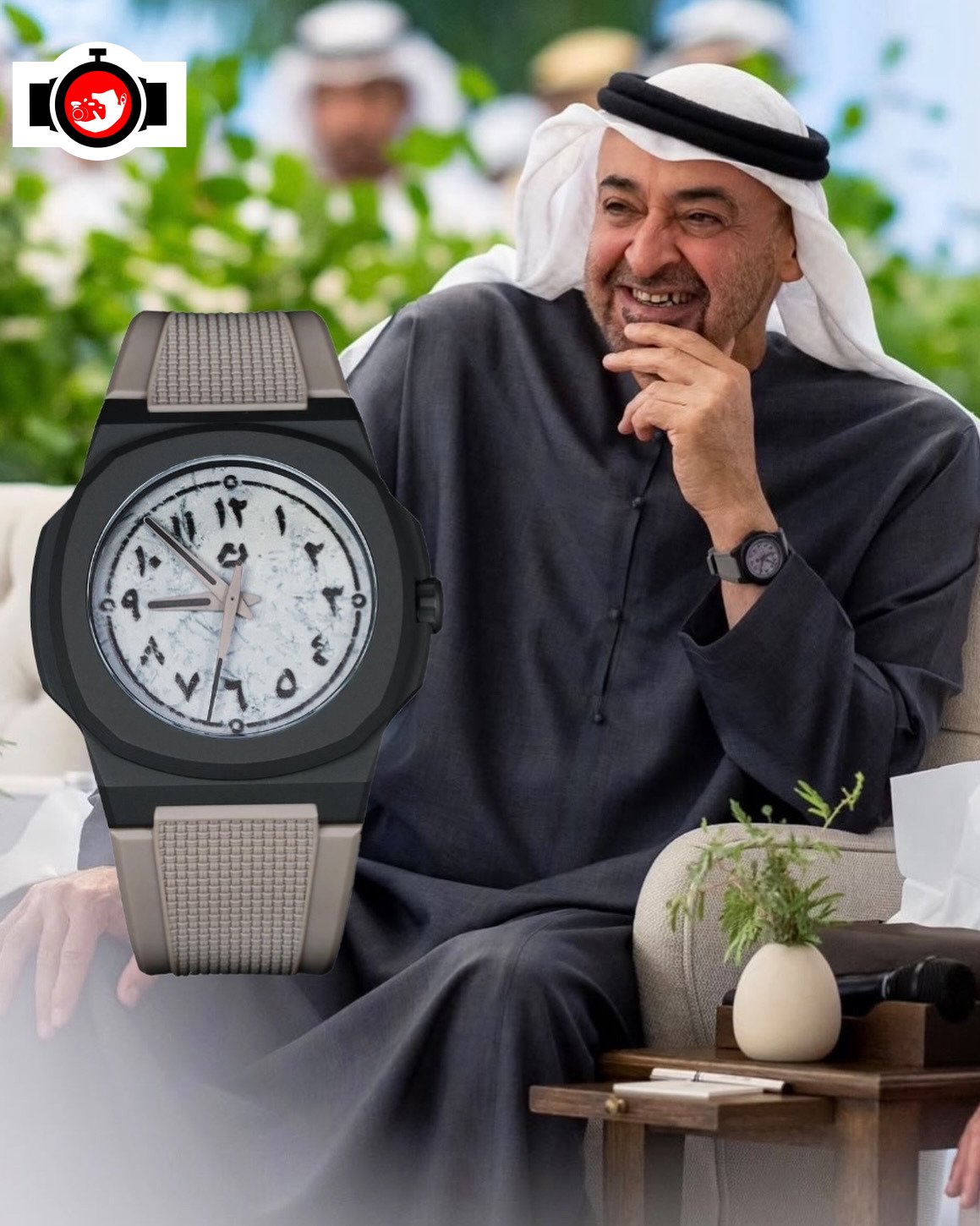
Sheikh Mohamed bin Zayed Al Nahyan wearing Nuncier
Nuncier Carbon Tech Special Edition Watch with Eastern Arabic Numerals and Monochromatic Dial