
Astronaut Neil Armstrong spotted wearing a Omega

On the morning of July 16, 1969, before boarding the van that would carry him to Launch Complex 39A at Kennedy Space Center, Neil Armstrong sat down for the traditional pre-launch breakfast alongside Buzz Aldrin and Michael Collins. In photographs from that meal, Armstrong's left wrist clearly shows an Omega Speedmaster reference ST105.003 — a watch that would soon be in proximity to one of the defining moments of the twentieth century.
The Omega Speedmaster ST105.003 was produced between approximately 1964 and 1966 and represents a pivotal transitional reference in the Speedmaster lineage. It retains the legendary Calibre 321 movement — a column-wheel, lateral-clutch manual-wind chronograph with a 17-jewel lever escapement running at 18,000 vph — the same architecture that powered Speedmasters through the entire Apollo program. The case measures 42mm in stainless steel with the distinctive asymmetric pump pushers and a flat, stepped bezel insert in black with the tachymeter scale. The dial features applied baton indices, a glossy black surface, and the three-register chronograph layout that defines the professional Speedmaster aesthetic.
What separates the 105.003 from its successor, the more commonly cited ST105.012, is largely a matter of the crown guard design and lug profile — subtler differences that carry enormous weight among serious Speedmaster collectors. The 105.003 is considered by many to be the purest expression of the pre-Moon Speedmaster: NASA had already certified this reference in 1965 following the agency's rigorous qualification testing, and astronauts were wearing examples of it well before the 105.012 entered production. That Armstrong is documented wearing one on launch day rather than the later reference adds a layer of specificity that collectors find deeply compelling.
Armstrong's relationship with the Speedmaster is complex and well-documented. He famously left his watch aboard the Lunar Module Eagle as a backup timer after the onboard clock developed an issue — meaning his ST105.003 may have technically stayed closer to the lunar surface than Aldrin's ST105.012, which Aldrin wore on the Moon itself. This distinction elevates the 105.003 from historically significant to genuinely singular.
On the current market, honest examples of the Omega Speedmaster ST105.003 with correct dials, hands, and movement command serious premiums among Speedmaster specialists. Grey market values for well-preserved examples with provenance documentation have consistently exceeded five figures, and the reference's association with Armstrong only reinforces collector demand for the model as a whole.
More watches like this

Ryan Gosling wearing Omega
Omega Speedmaster Moonwatch Stainless Steel Reference ST 105.003 – Ryan Gosling in First Man (2018)

Salman Bin Hamad Bin Isa Al-khalifa wearing Omega
Stainless Steel Omega Speedmaster Pre-Professional Reference 105.003

Sebastian Vettel wearing Omega
Omega Speedmaster Racing Michael Schumacher Ref. 3517.30 Chronograph
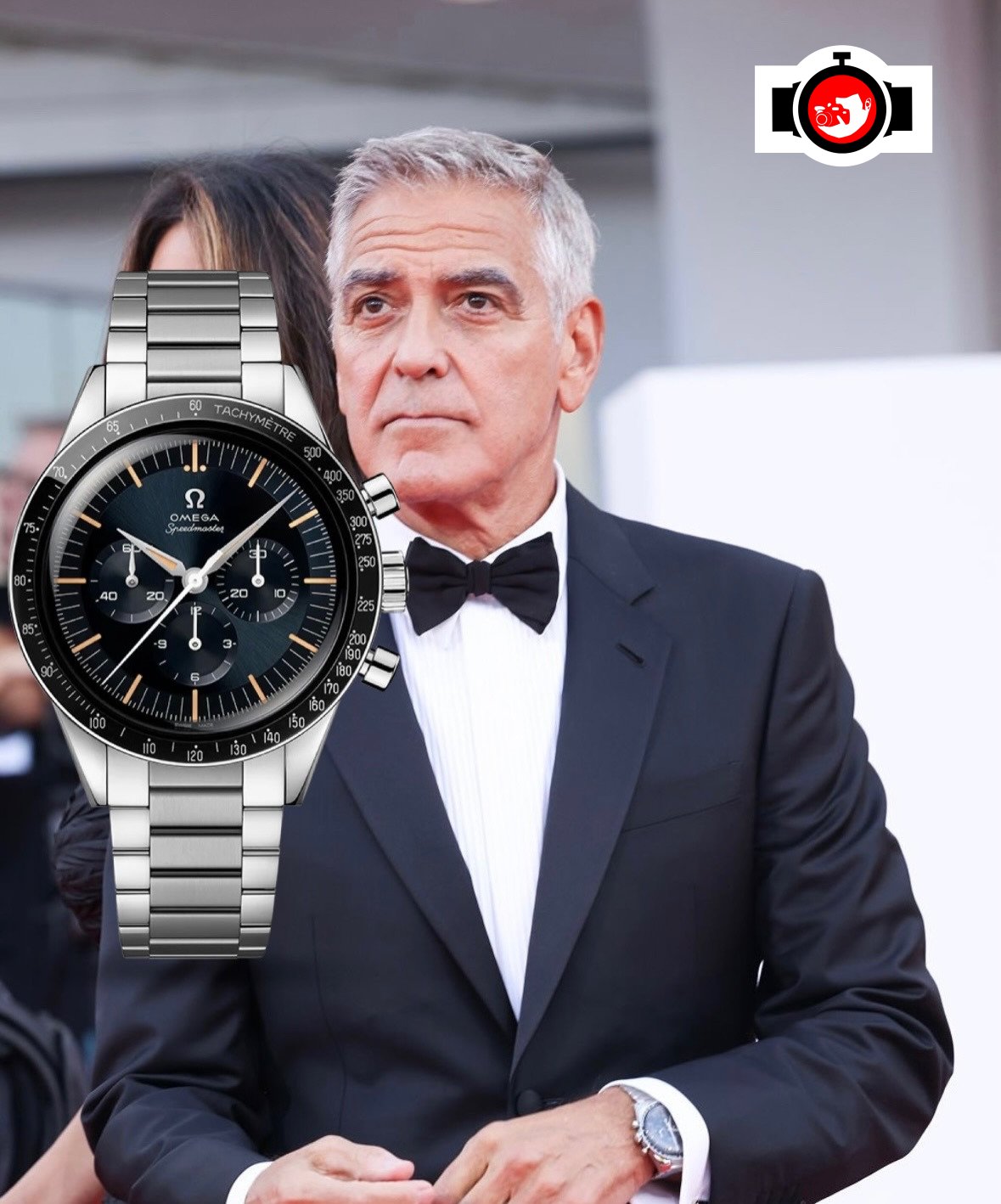
George Clooney wearing Omega
Stainless Steel Omega Speedmaster Professional Ref. 311.32.42.30.01.001 with Black Dial and Tachymetre Bezel

Nicolai Tangen wearing Omega
Omega Seamaster Aqua Terra 38 mm Ref. 220.10.38.20.03.003 with Black Dial and Steel Bracelet
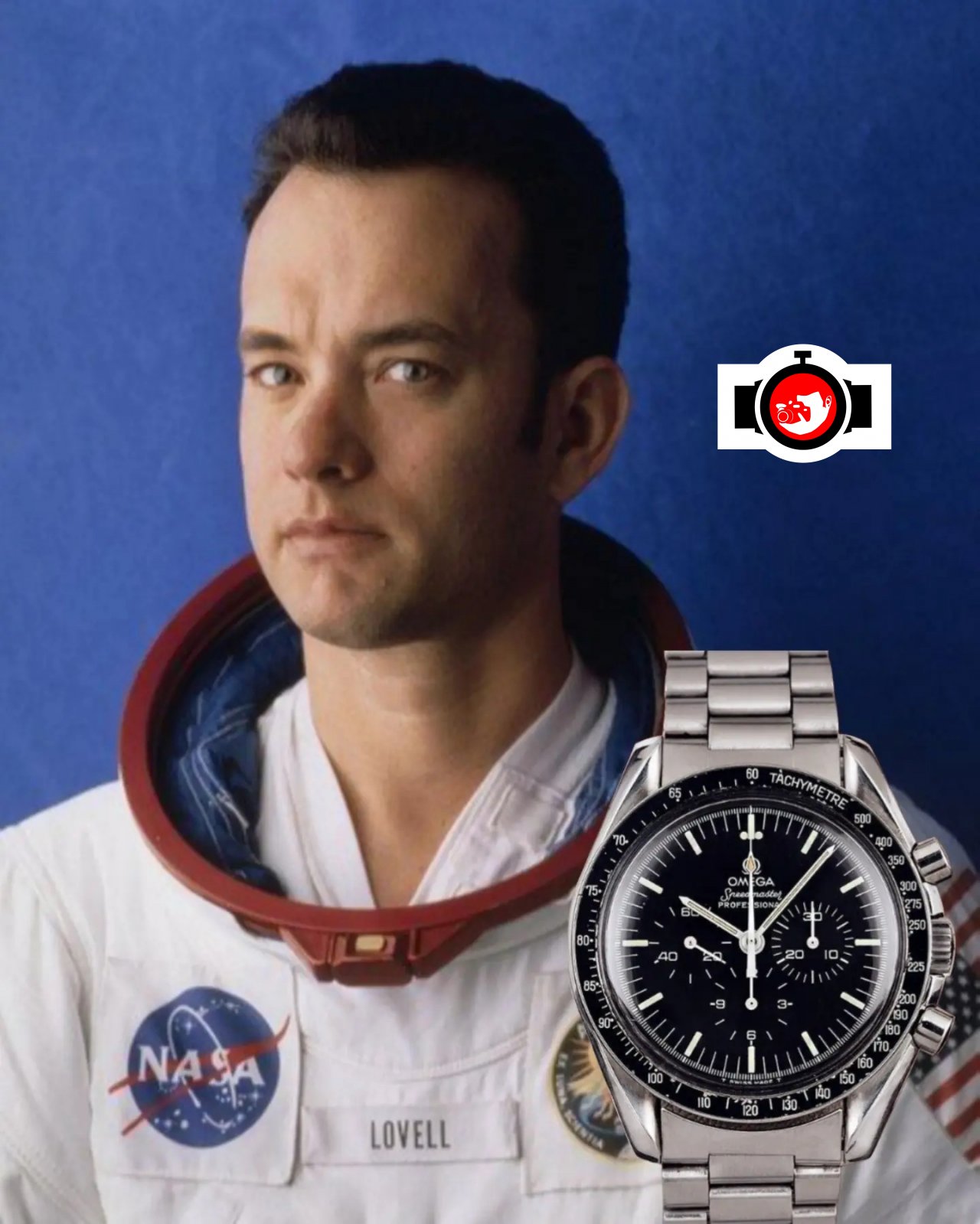
Tom Hanks wearing Omega
Stainless Steel Omega Speedmaster Professional Ref. 105.012 with Black Dial and Tachymeter Bezel
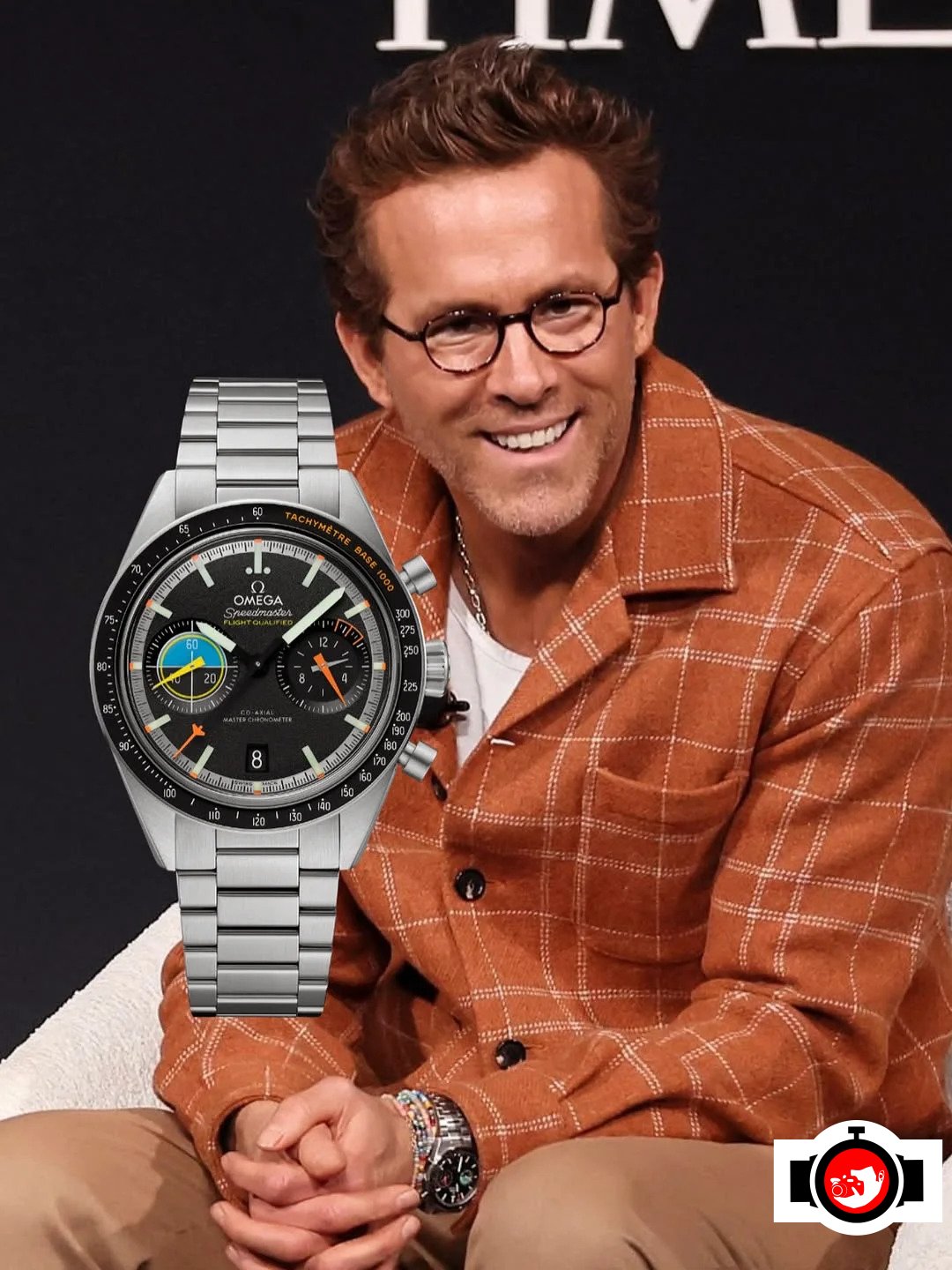
Ryan Reynolds wearing Omega
Omega Speedmaster Professional Co-Axial Master Chronometer 44.25mm Ref. 329.30.44.51.01.001 with Black Dial and Stainless Steel Bracelet

Eddie Redmayne wearing Omega
Stainless Steel Omega Seamaster Railmaster Ref. 220.10.40.20.01.001 with Black Dial
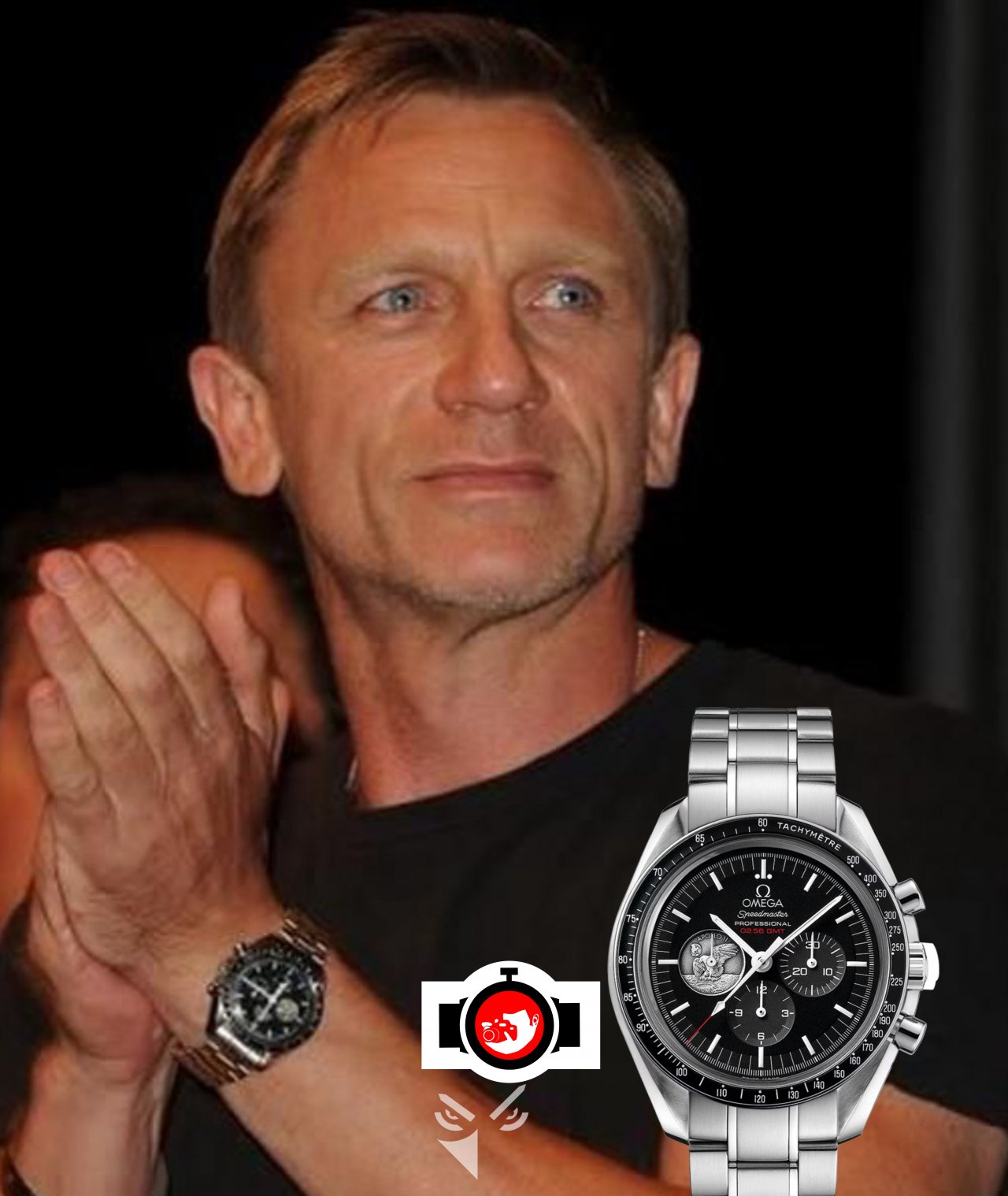
Daniel Craig wearing Omega
Omega Speedmaster Professional Apollo 11 40th Anniversary Ref. 311.32.42.30.01.001
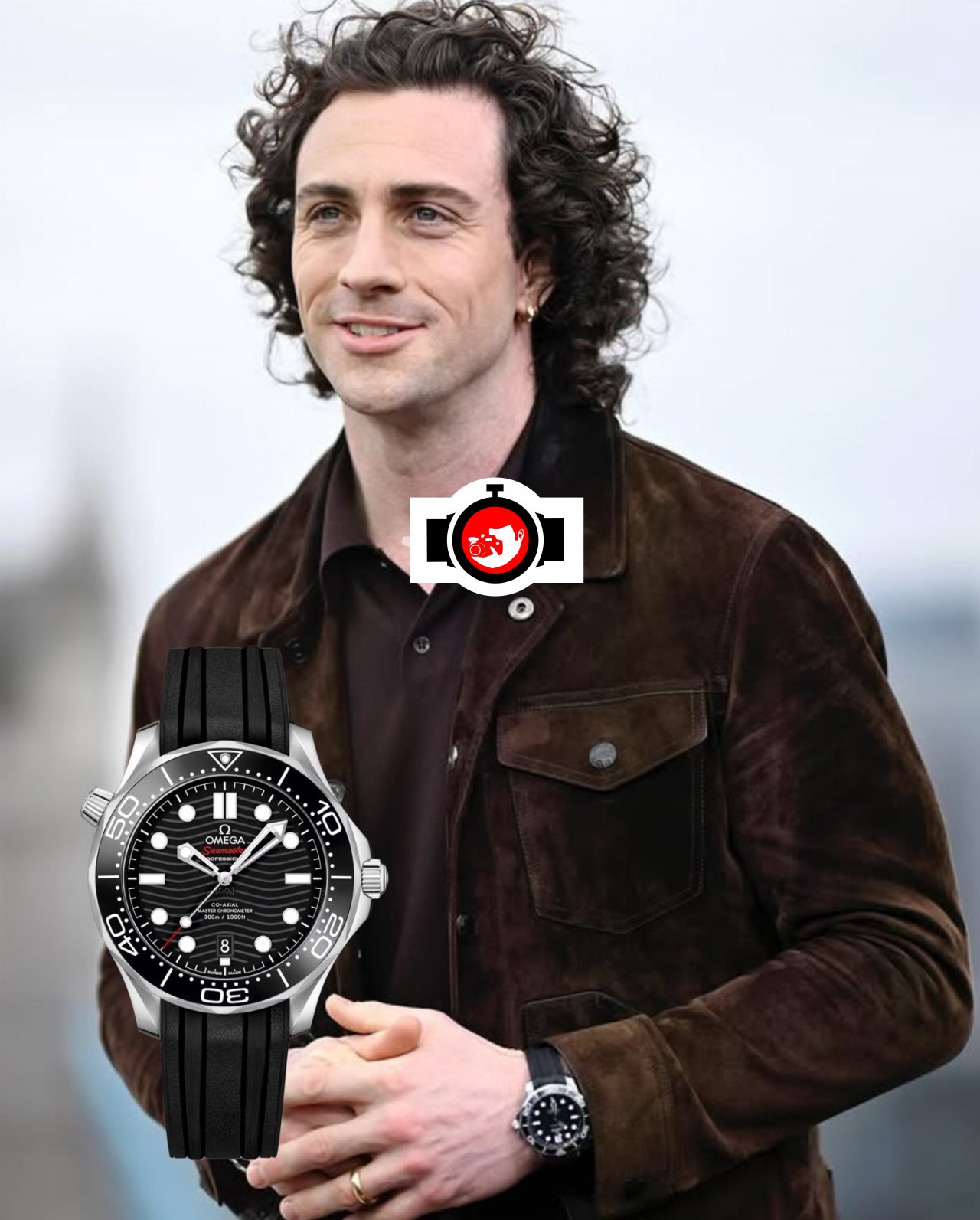
Aaron Taylor-Johnson wearing Omega
Omega Seamaster Diver 300M Co-Axial Master Chronometer Ref. 210.30.42.20.01.001 with Black Ceramic Dial and Bezel
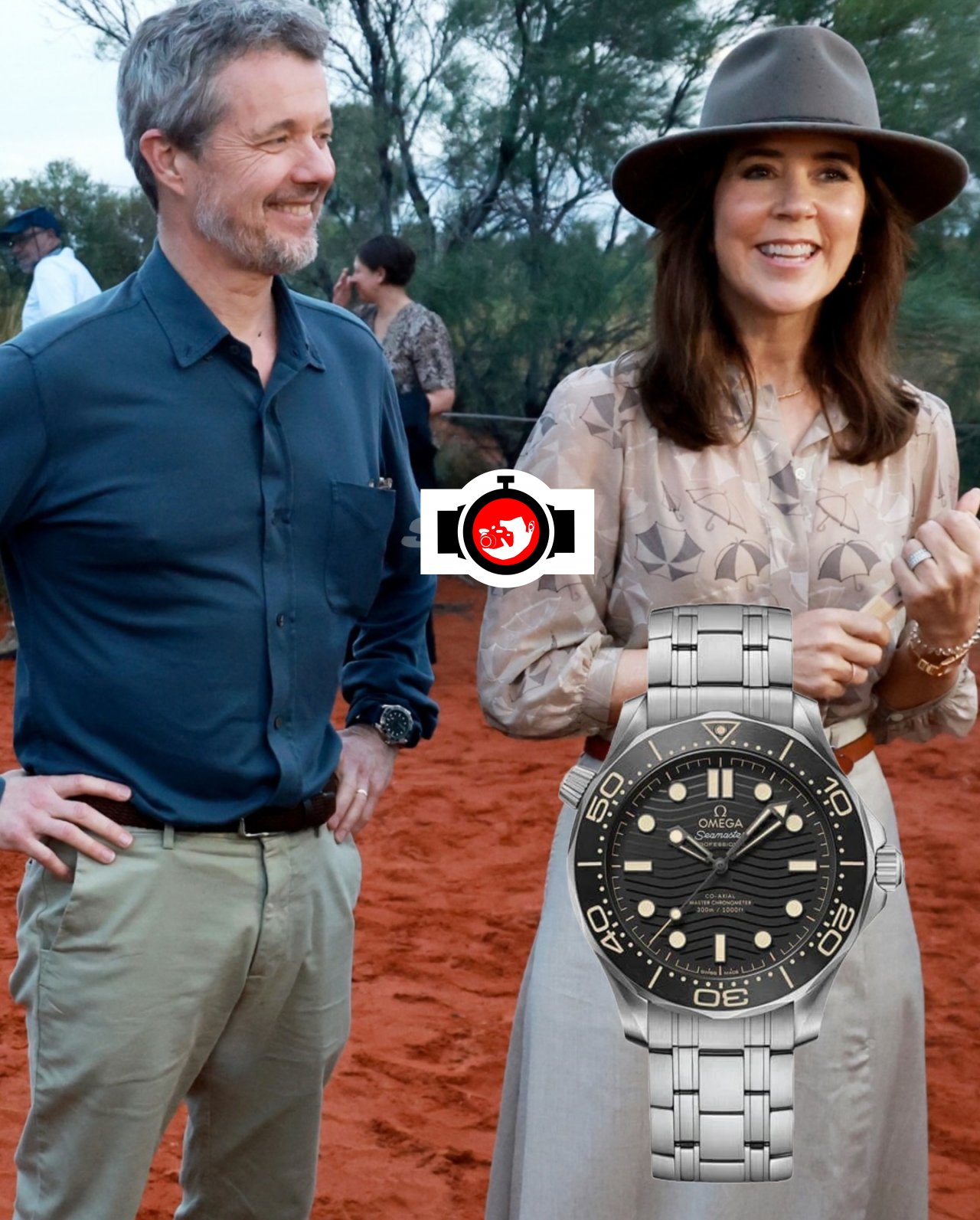
King Frederik of Denmark wearing Omega
Stainless Steel Omega Seamaster Diver 300M Ref. 210.32.42.20.01.001 Frømandskorpset Edition with Black Dial

Jonny Kim wearing Omega
Omega Seamaster Diver 300M Co-Axial Master Chronometer Ref. 210.30.42.20.01.001 with Black Dial and Stainless Steel Bracelet