
Actor Clint Eastwood spotted wearing a Rolex
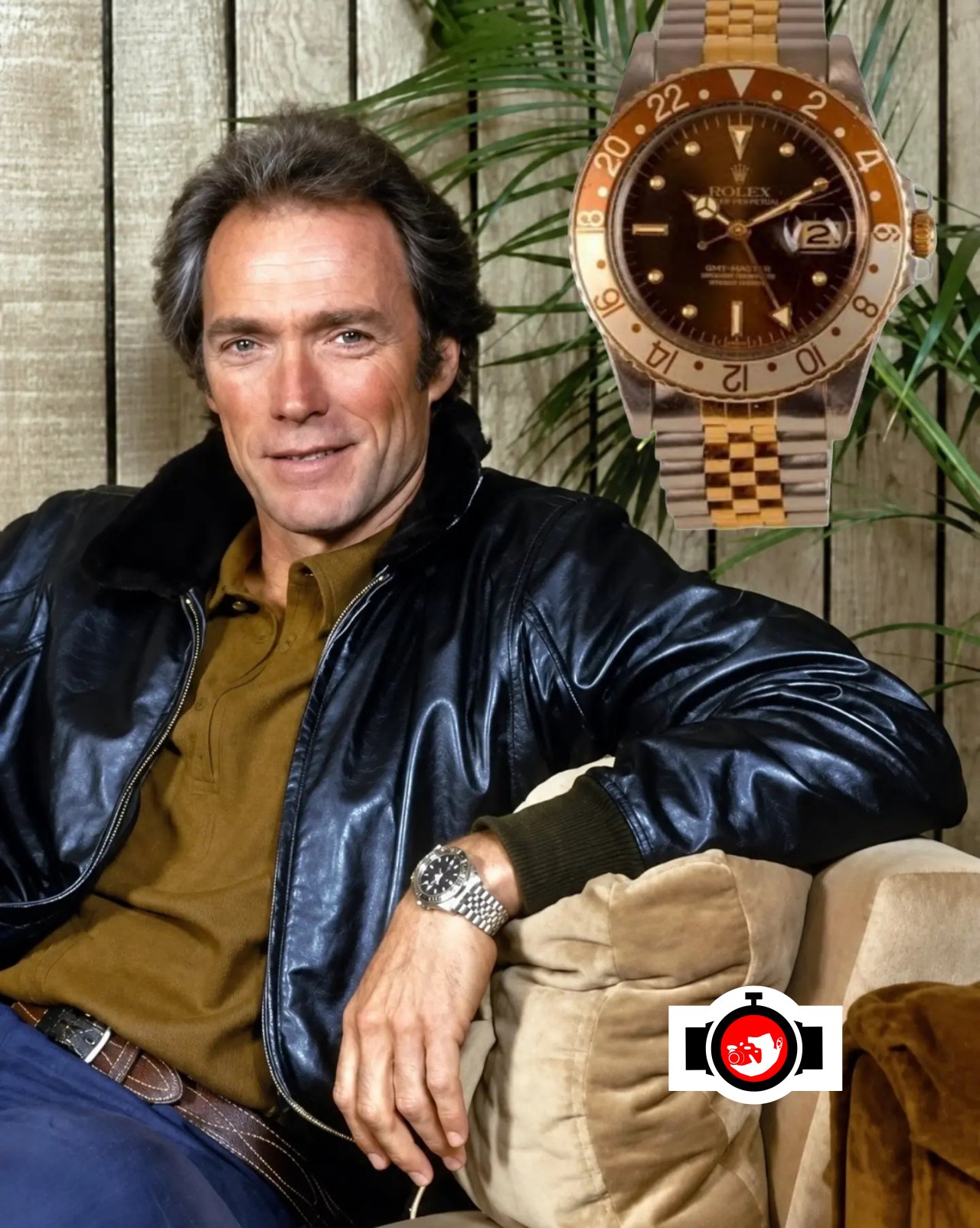
Clint Eastwood, the acclaimed film director and actor synonymous with Western cinema and uncompromising style, has been photographed wearing a Rolex GMT-Master Ref. 1675 in two-tone steel and yellow gold. The sighting captures the vintage timepiece on his wrist in a casual yet commanding pose, set against a wood-paneled interior with tropical greenery—a backdrop that amplifies the watch's timeless character.
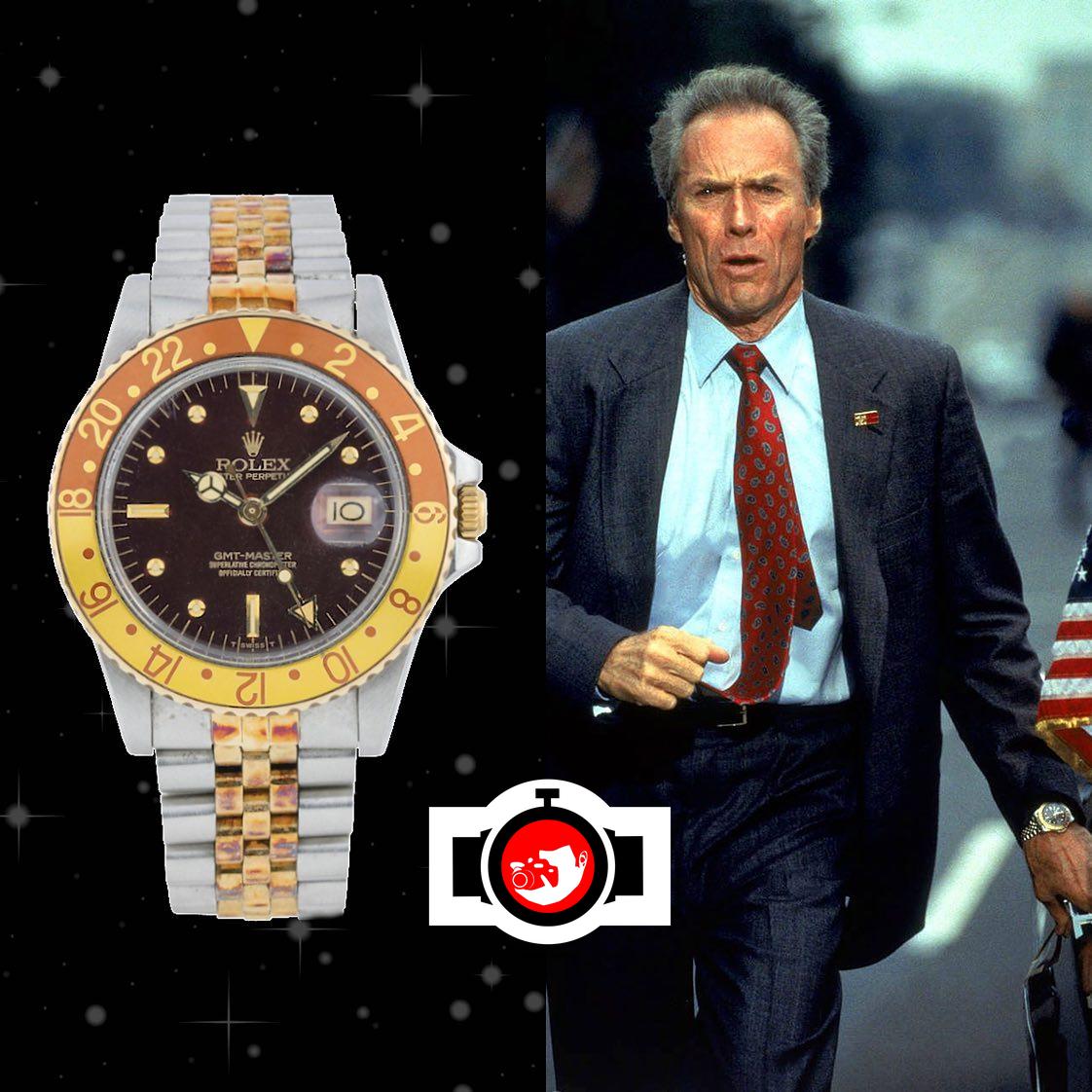
The GMT-Master Ref. 1675 debuted in 1959 and remained in production until the early 1980s, making it one of Rolex's longest-running references. It houses the automatic calibre 1570 movement, a workhorse calibre delivering 42 hours of power reserve and beating at 19,800 vibrations per hour. The case measures 40 mm in diameter and 14.5 mm in thickness, constructed in a two-tone configuration of stainless steel and 18k yellow gold. The dial on this example exhibits the sought-after tropical brown patina—a natural oxidation of the original black lacquer dial over decades—which collectors prize for its rarity and aesthetic depth. The rotating 24-hour bezel remains the GMT-Master's signature feature, enabling simultaneous tracking of two time zones. The date window sits at 3 o'clock, framed by the applied indices characteristic of earlier GMT-Master references. Water resistance is rated to 100 metres (330 feet), suitable for professional and recreational diving of the era.
The Ref. 1675 occupies a central position in GMT-Master lineage and collector esteem. The two-tone variant commands premium prices relative to stainless-steel-only examples, particularly when paired with tropical dial examples. Variants include the famously scarce "Pepsi" bezel (red and blue aluminium insert) and the "Coke" bezel (red and black), though this example presents the more understated brown bezel. Early references featured gilt dials and applied hour markers; later production saw matte dials and printed indices. Tropical dial versions, whether intentional or the result of UV exposure and age, have become highly collectible in recent years.
Eastwood's aesthetic—refined minimalism married to authentic utility—aligns perfectly with the GMT-Master's design philosophy. The Ref. 1675 carries no unnecessary embellishment; its function is legible from across a room, and its presence on the wrist commands respect without announcement. For an actor and director known for both precision and restraint, the GMT-Master is an unsurprising choice.
On the secondary market, Rolex GMT-Master Ref. 1675 examples in two-tone with well-preserved tropical dials typically range from $18,000 to $28,000 USD, depending on condition, service history, and dial state. Stainless-steel versions trade lower, typically $12,000–$18,000. Original retail pricing for the two-tone GMT-Master Ref. 1675 in the 1970s approximated $4,000–$5,000. Waitlists at authorised dealers are irrelevant for this reference; availability exists only in the pre-owned and vintage market, where desirable examples remain subject to competitive bidding among collectors.
More watches like this
Clint Eastwood wearing Rolex
Two tone Rolex GMT Master
Clint Eastwood wearing A. Lange & Söhne
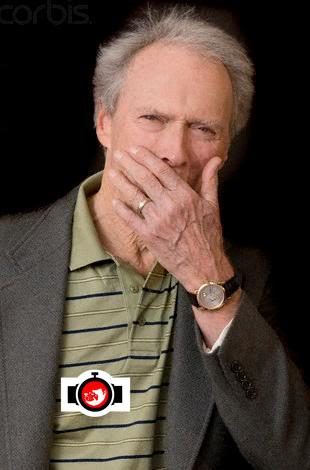
A. Lange & Söhne Lange 1 Rose Gold – Clint Eastwood Watch Sighting
King Harald V of Norway wearing Rolex
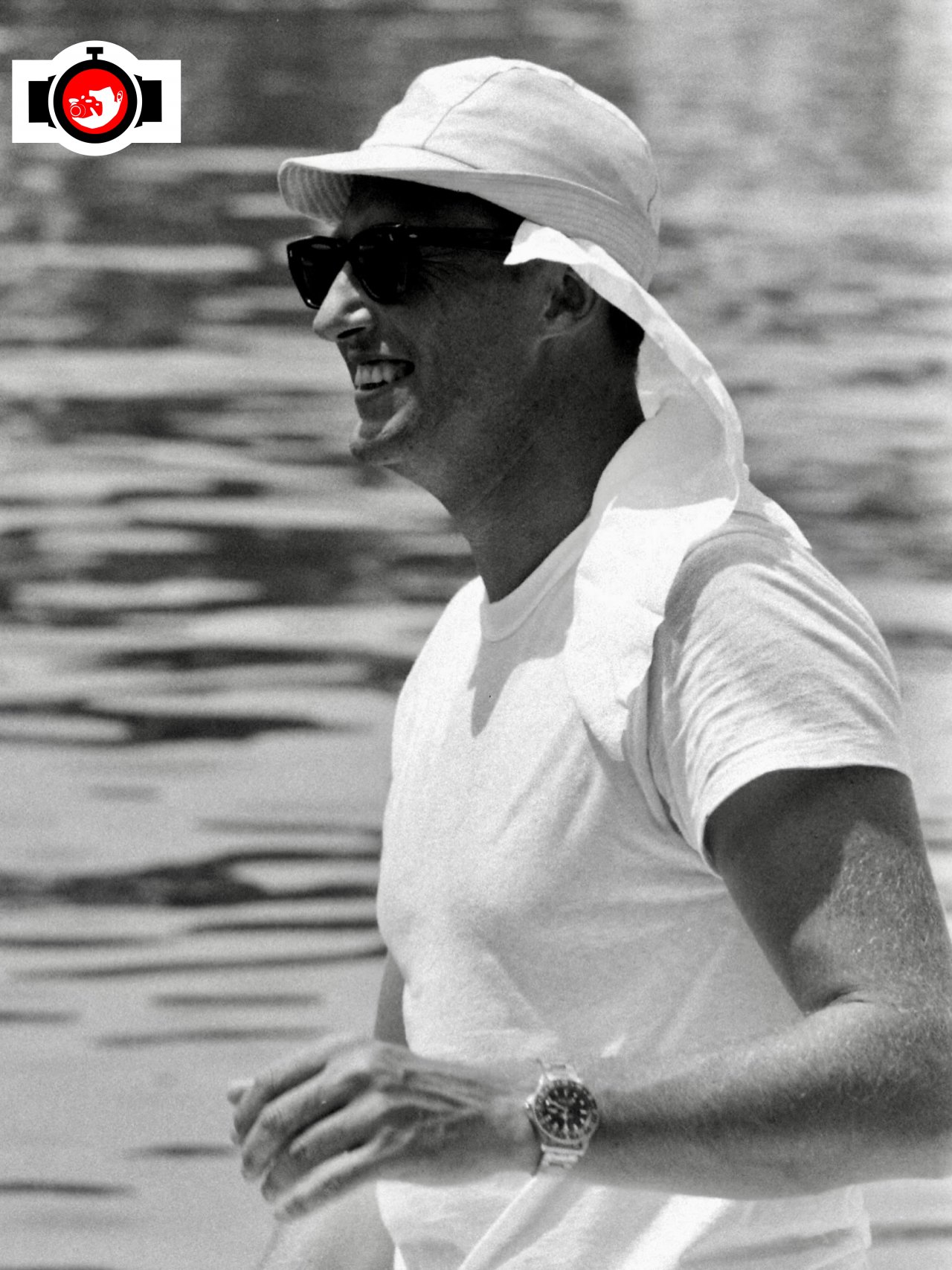
Rolex GMT-Master 1675 with Gilt Dial and Red/Blue Bezel
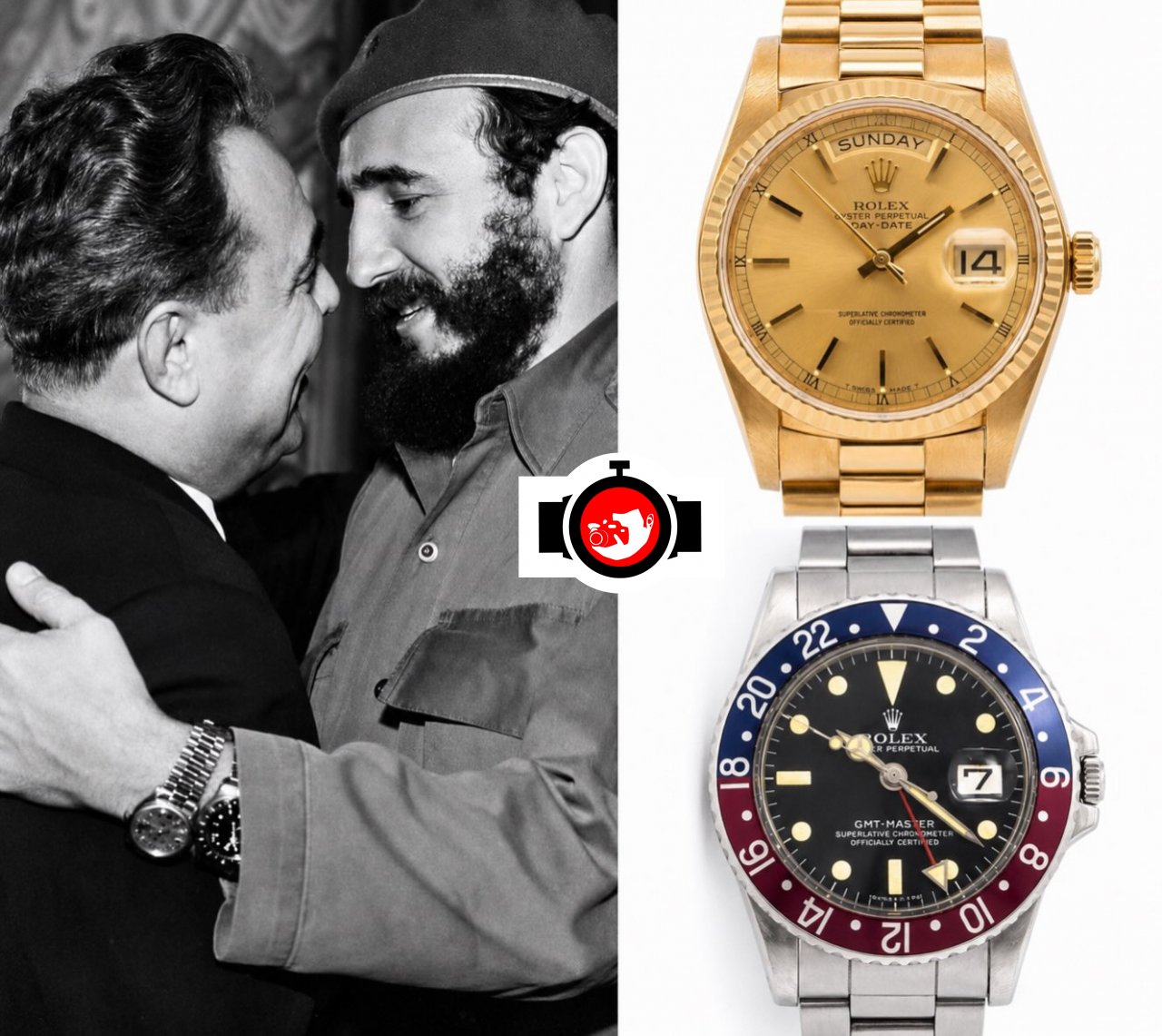
Fidel Castro wearing Rolex
Stainless Steel Rolex GMT-Master Ref. 1675 'Pepsi' Bezel with Black Dial
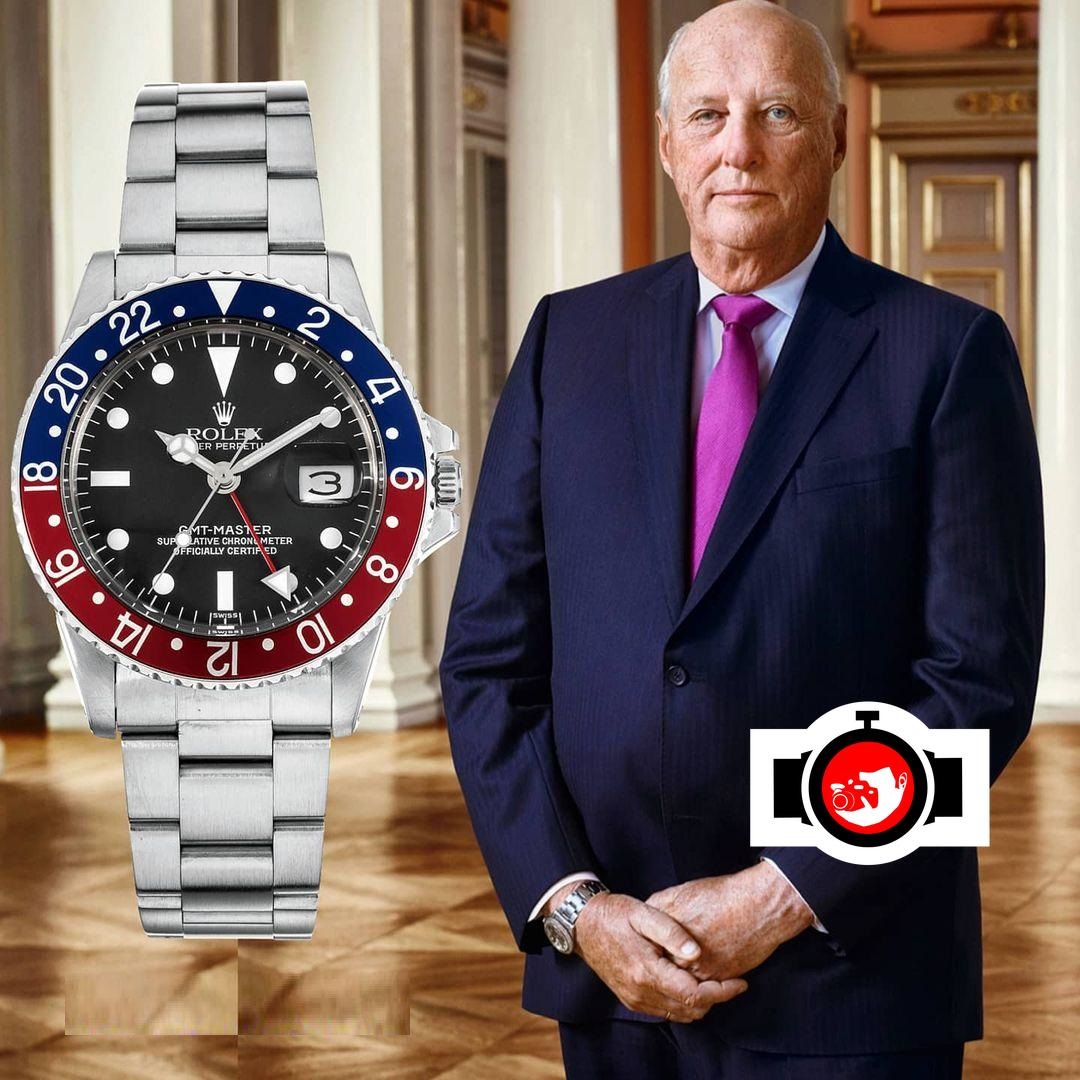
Harald V of Norway wearing Rolex
Rolex GMT-Master 'Pepsi' Ref. 1675 Stainless Steel – King Harald V of Norway
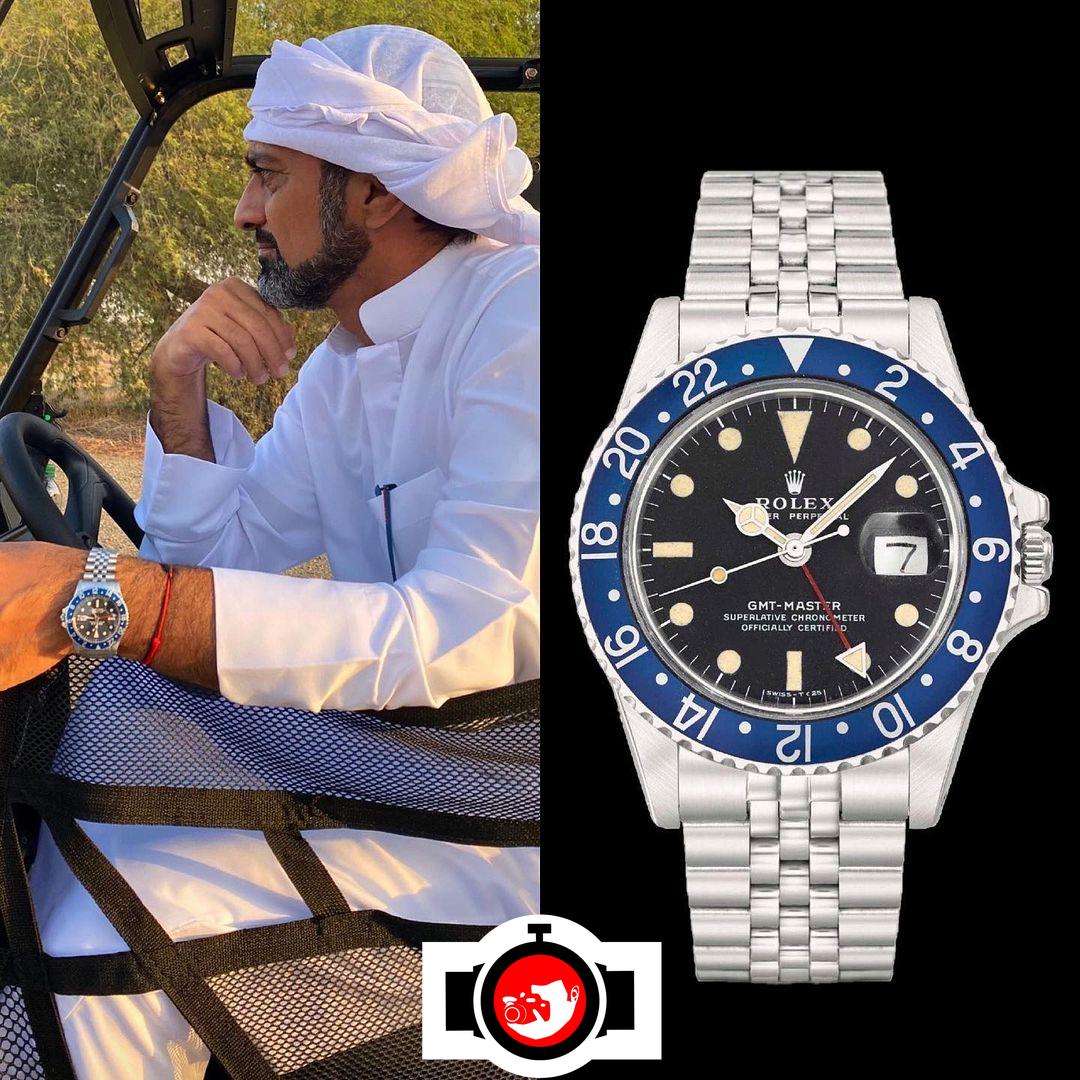
Ammar bin Humaid Al Nuaimi wearing Rolex
Rolex GMT-Master Ref. 1675 'Blueberry' Stainless Steel – Vintage Military Variant Spotted on Crown Prince Ammar bin Humaid Al Nuaimi
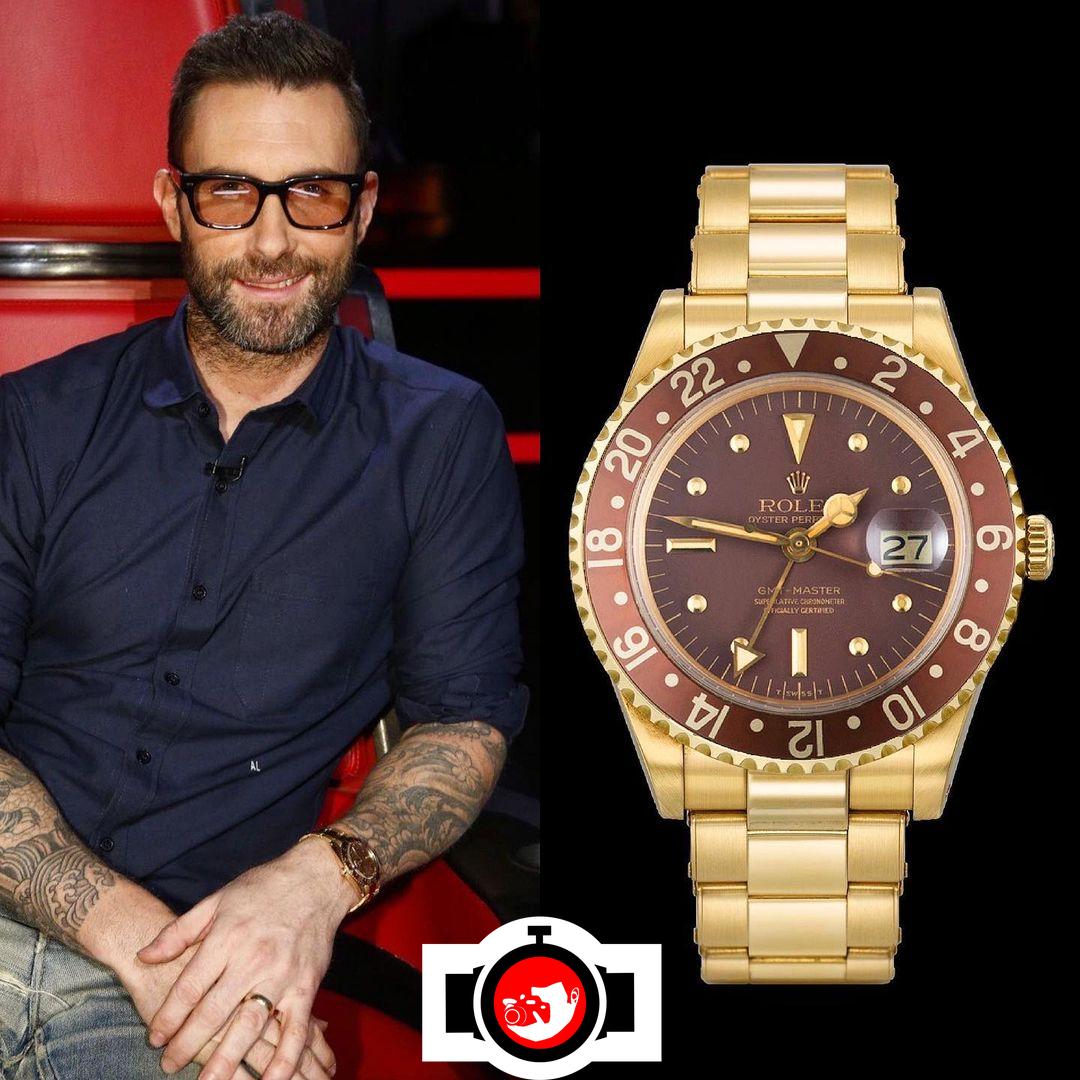
Adam Levine wearing Rolex
Vintage Rolex GMT-Master 1675 Yellow Gold 'Root Beer' – Adam Levine Sighting
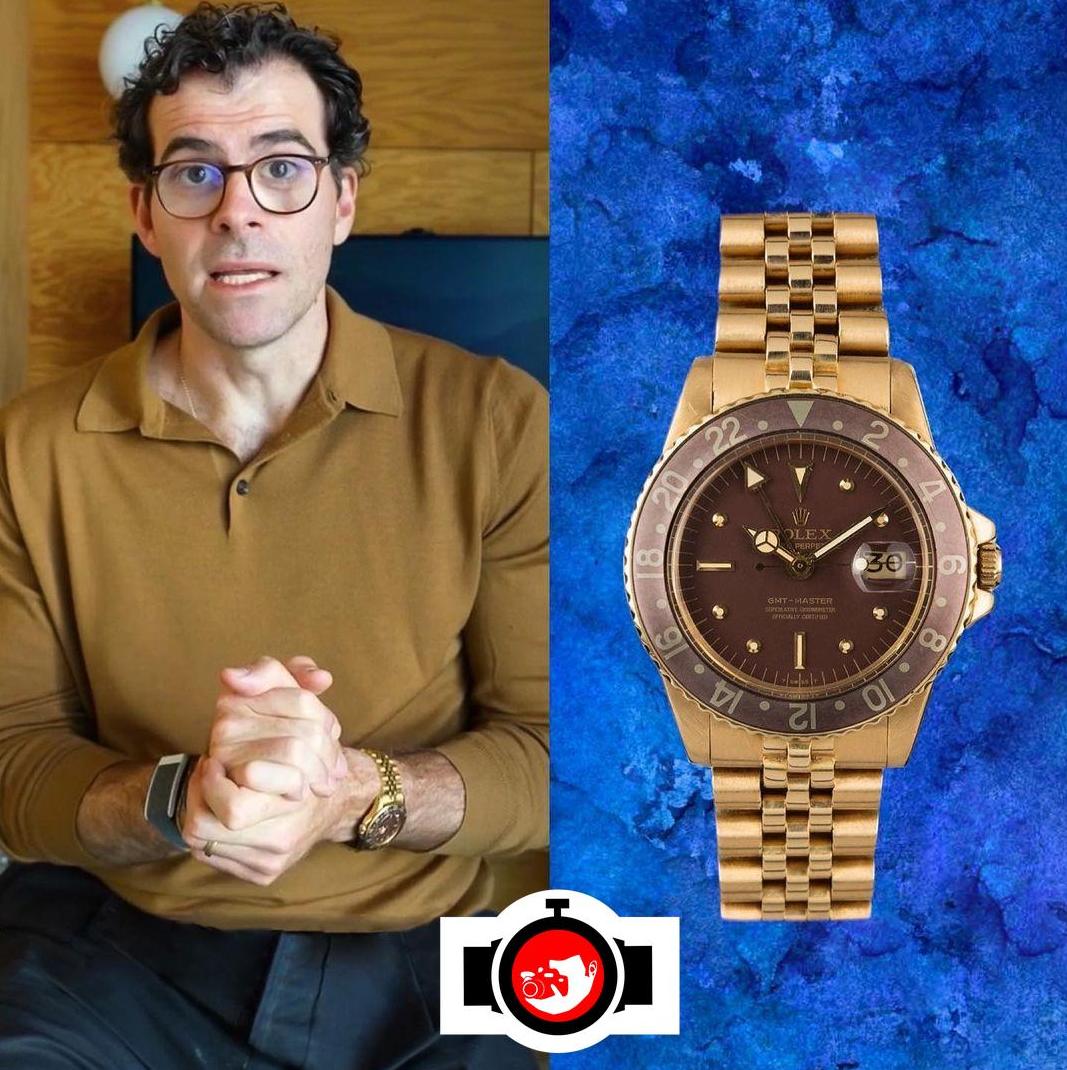
Adam Mosseri wearing Rolex
Vintage Rolex GMT-Master 'Root Beer' Ref. 1675 in 18k Yellow Gold on Jubilee Bracelet
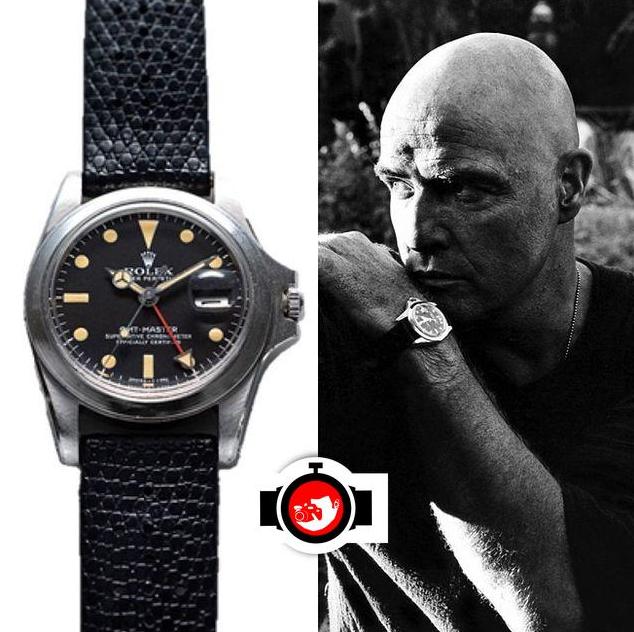
Marlon Brando wearing Rolex
Stainless Steel Rolex GMT-Master Reference 1675 – Marlon Brando in Apocalypse Now
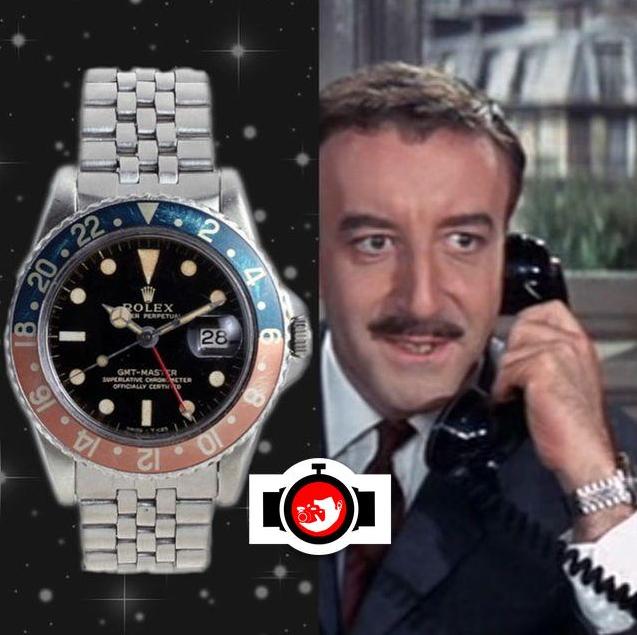
Peter Sellers wearing Rolex
Stainless Steel Rolex GMT-Master Reference 1675 Calibre 1565 – Peter Sellers
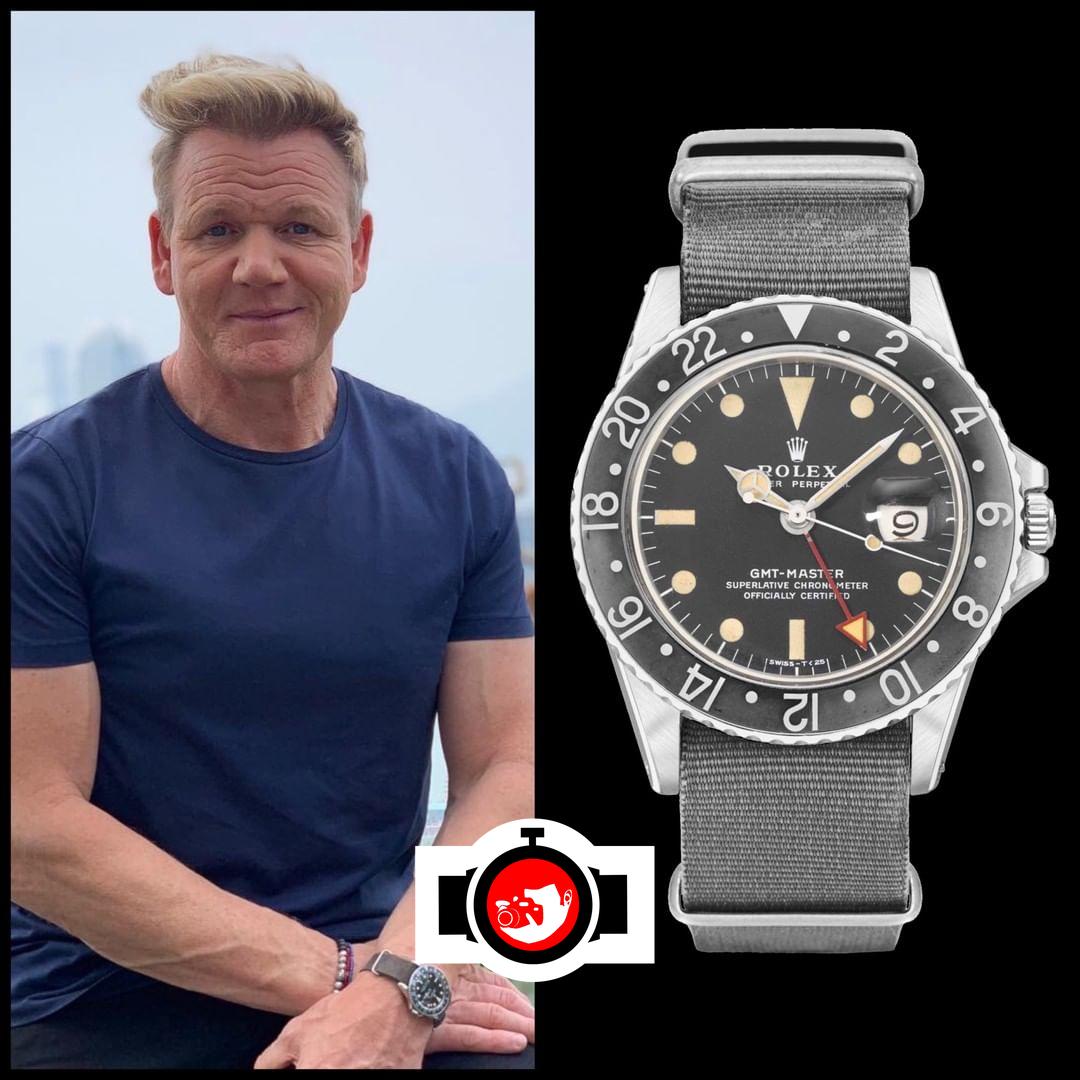
Gordon Ramsay wearing Rolex
Stainless Steel Rolex GMT-Master Reference 1675 – Gordon Ramsay Spotted
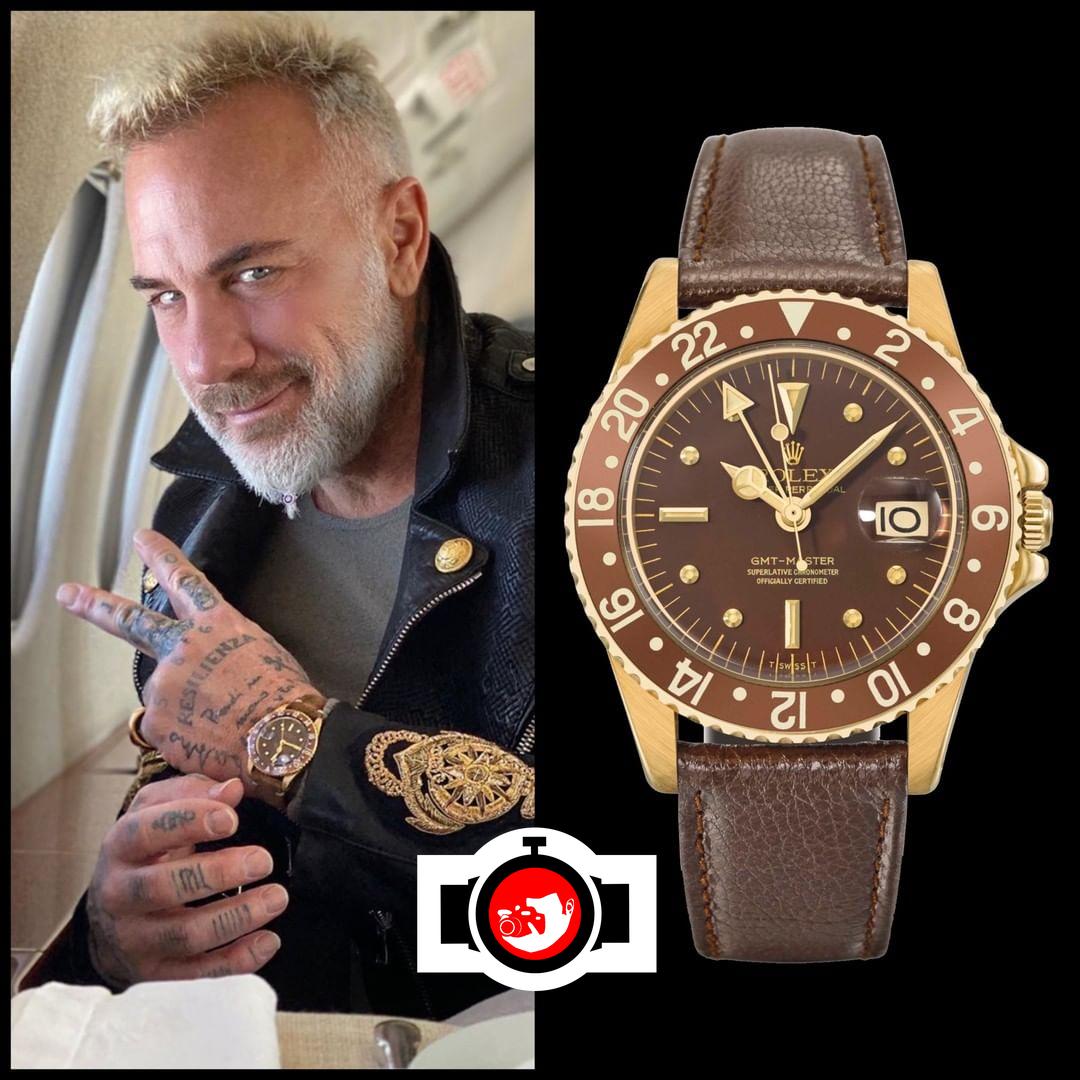
Gianluca Vacchi wearing Rolex
Yellow Gold Vintage Rolex GMT-Master Reference 1675 'Tiger Eye' Nipple Dial – Gianluca Vacchi