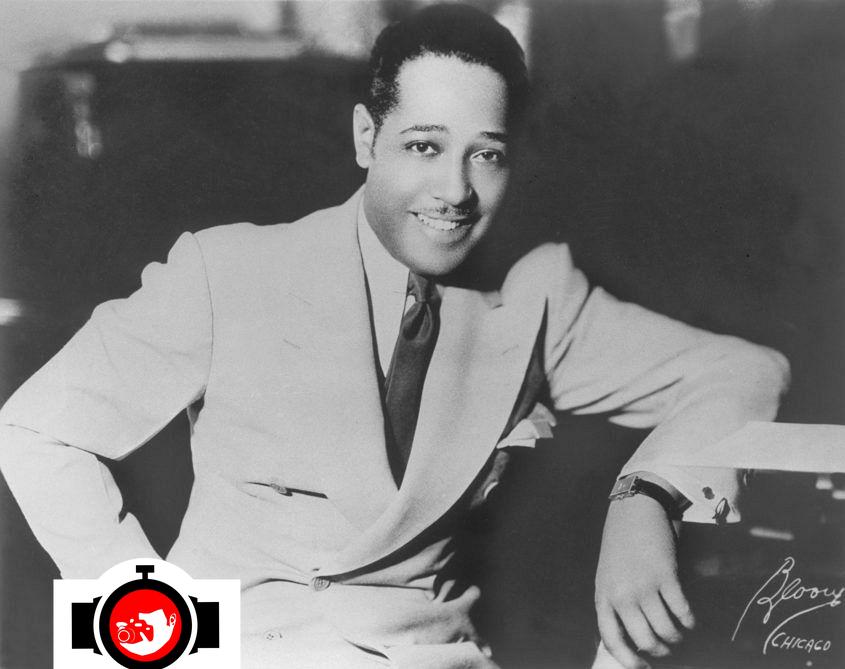
Duke Ellington wearing Cartier
Cartier Tank à Guichets watch

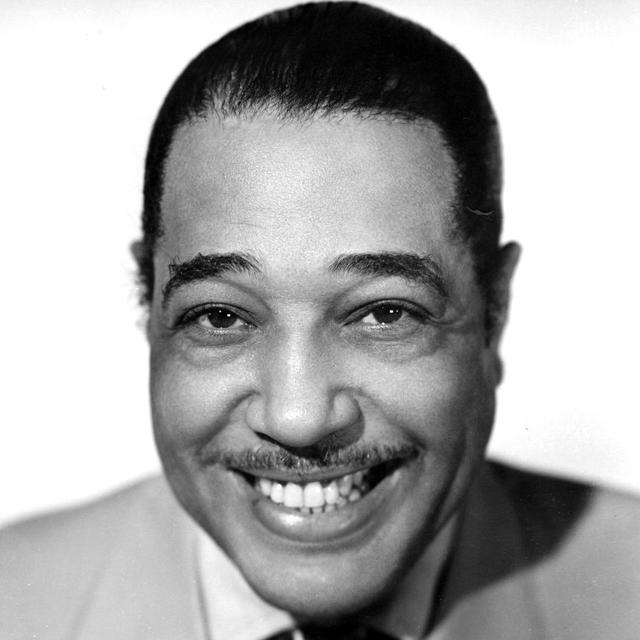
Duke Ellington (1899–1974) was an American composer, pianist, and bandleader widely regarded as one of the most significant figures in the history of jazz and American music at large. Over a career spanning more than five decades, he led his orchestra with extraordinary consistency, composing thousands of works that ranged from three-minute dance-hall numbers to extended orchestral suites. His residencies at Harlem's Cotton Club during the late 1920s and early 1930s brought his music to a national radio audience, and his relentless touring schedule kept him at the center of American popular and concert music until his death in 1974. Ellington received the Presidential Medal of Freedom in 1969, and his influence on jazz composition remains difficult to overstate.
Ellington was as deliberate about his appearance as he was about his music, and the Duke Ellington watch collection reflects that same attention to detail. In the early 1930s, at the height of his Cotton Club prominence, he was regularly photographed wearing a Cartier Tank à Guichets — a model Cartier had introduced in 1928. The Tank à Guichets is distinguished by its rectangular case and an unusual aperture display in which the hours and minutes read through two small openings cut into the dial, rather than via conventional hands. It was an avant-garde piece for its era, favored by a narrow circle of culturally connected figures, and Ellington's adoption of it placed him firmly in that company.
The choice of a Tank à Guichets rather than a more conventional dress watch says something concrete about Ellington's sensibility. He gravitated toward pieces that were refined but structurally unusual — a parallel, perhaps, to his compositional approach, which worked within recognizable forms while pushing their internal logic in unexpected directions. With only one confirmed sighting in our database so far, the full scope of what he wore on the bandstand and off remains an open question, but the Cartier sighting alone marks him as a man with a discerning eye for horology.
Cartier Tank à Guichets watch