
Athlete Nafi Thiam spotted wearing a Richard Mille
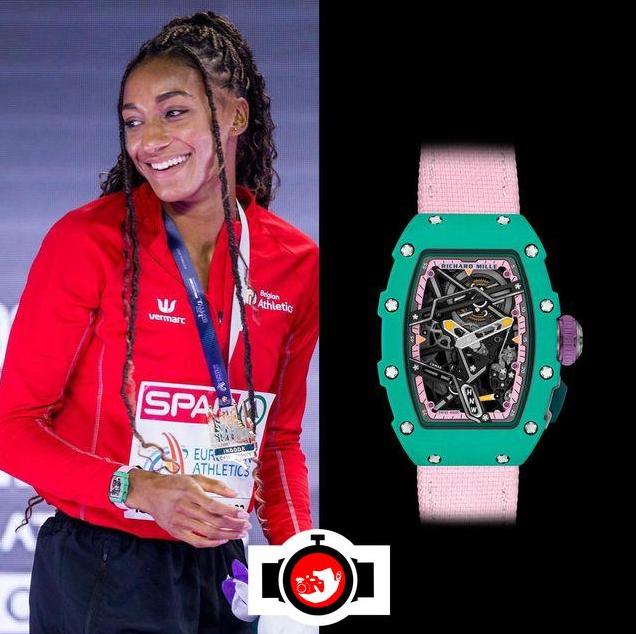
Two-time Olympic heptathlon gold medalist Nafi Thiam was recently spotted wearing the Richard Mille RM 07-04, the brand's first watch conceived from the ground up as a sports timepiece for women. The sighting underlines the deepening relationship between Thiam and Richard Mille, a partnership that places the watch directly in its intended context — on the wrist of an elite athlete whose physical demands are anything but decorative.
The Richard Mille RM 07-04 is built around a 30mm case machined from green Quartz TPT, a proprietary composite material produced by layering silica filaments with a quartz binding agent under high pressure and temperature. The result is a case that is simultaneously ultra-light, highly resistant to deformation, and visually distinctive — no two Quartz TPT cases share the same natural pattern. A pink inner bezel and coordinating strap introduce a colour contrast that is deliberate rather than incidental, reflecting the aesthetic brief that guided the entire project.
Powering the RM 07-04 is the new CRMA 8 calibre, an automatic movement developed by Richard Mille. It displays hours and minutes alongside a functions selector, allowing the wearer to switch between winding, neutral, and time-setting modes without compromising the movement. The architecture prioritises both shock resistance and precision — qualities that matter on a competition track as much as they do in the paddock.
Nafi Thiam's association with Richard Mille is well established. The brand has long cultivated relationships with athletes who can stress-test its watches under genuine performance conditions, from Rafael Nadal on clay to Bubba Watson on a fairway. Thiam, whose heptathlon demands explosive sprinting, jumping, and throwing, represents a credible proof of concept for a ladies' sports watch that is not merely a fashion object.
The Richard Mille RM 07-04 in green Quartz TPT carries an official retail price of $185,000 USD. As with most current-production Richard Mille references, secondary market premiums are likely, though allocation scarcity and boutique relationships remain the primary gatekeeping mechanism for prospective buyers.
More watches like this
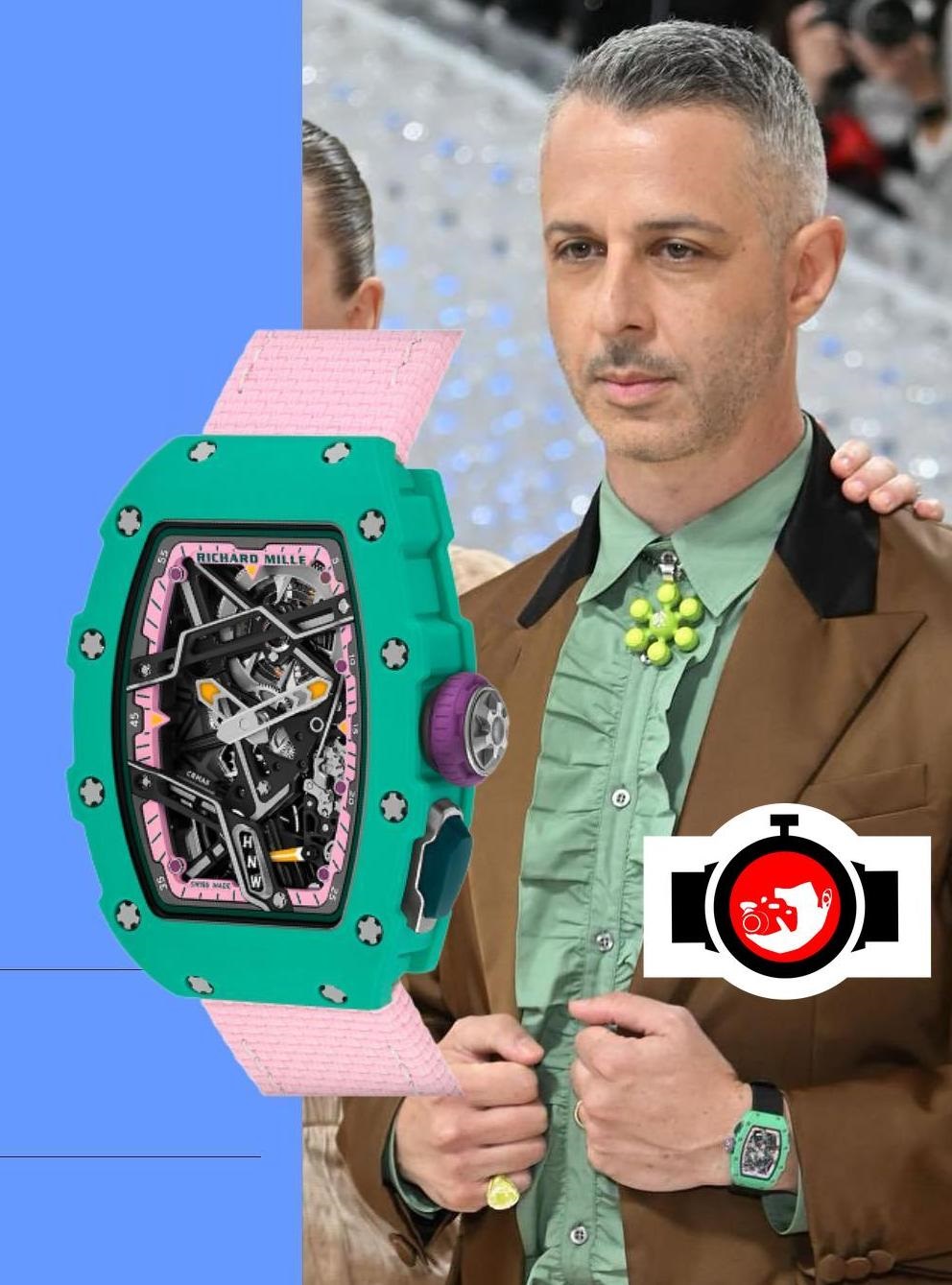
Jeremy Strong wearing Richard Mille
Richard Mille RM 07-04 Automatic – Jeremy Strong's $185,000 Met Gala Watch
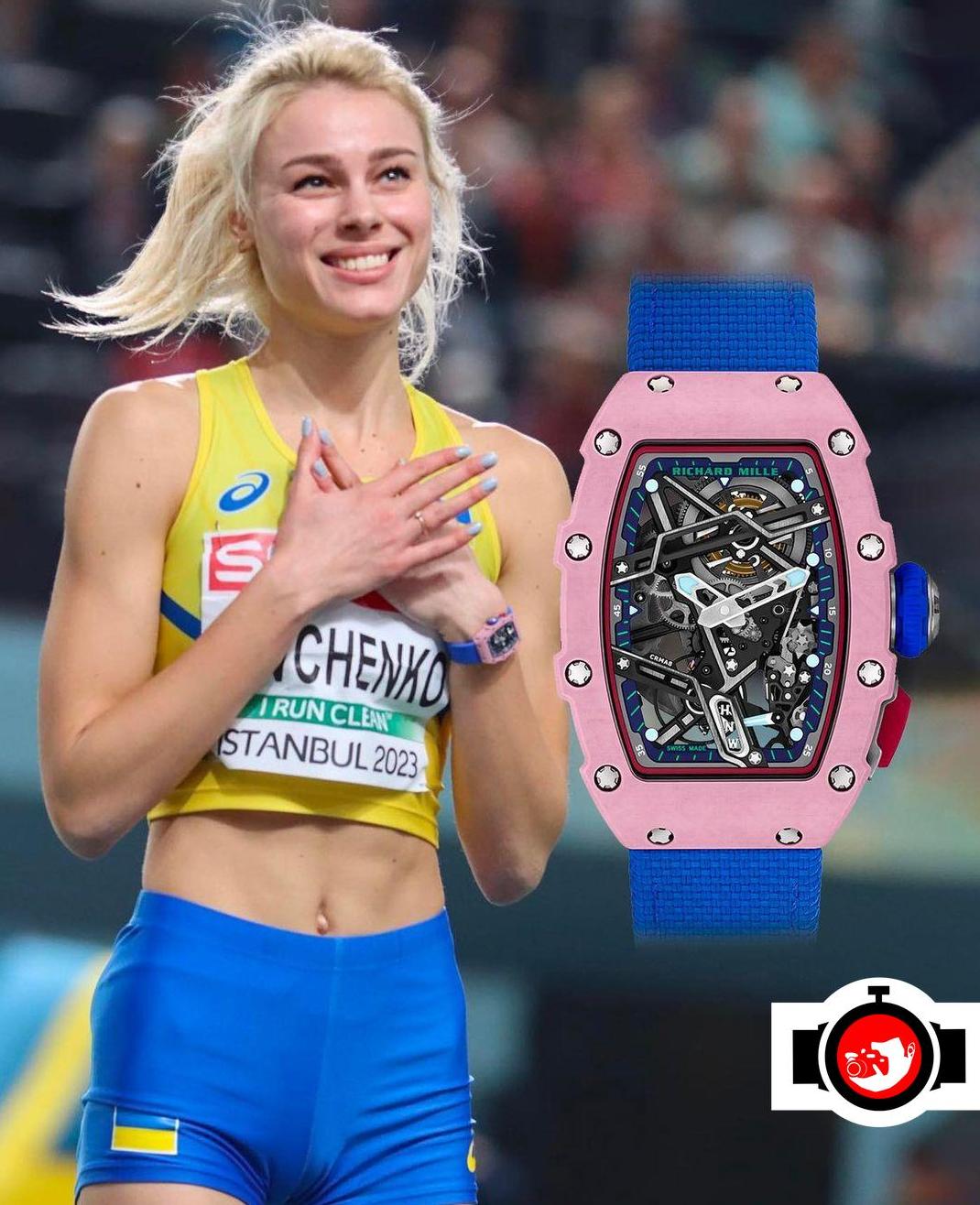
Julija Levčenko wearing Richard Mille
Richard Mille RM 07-04 Quartz TPT – Reference RM07-04 Spotted on Ukrainian High Jump Champion Julija Levčenko
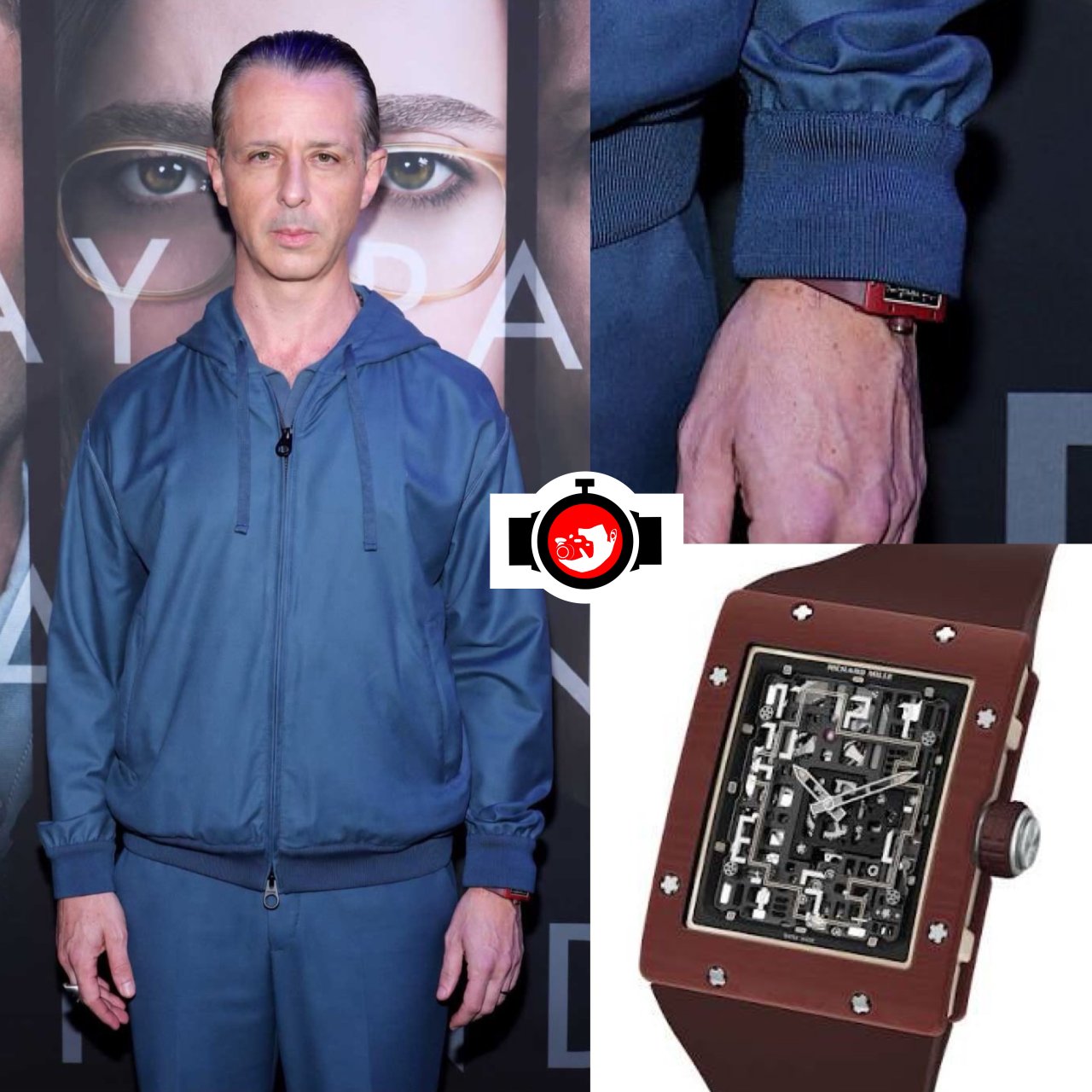
Jeremy Strong wearing Richard Mille
Richard Mille RM 16-02 Automatic Extraflat Terracotta TPT (RM 16-02 FQ) with Integrated Red Rubber Strap
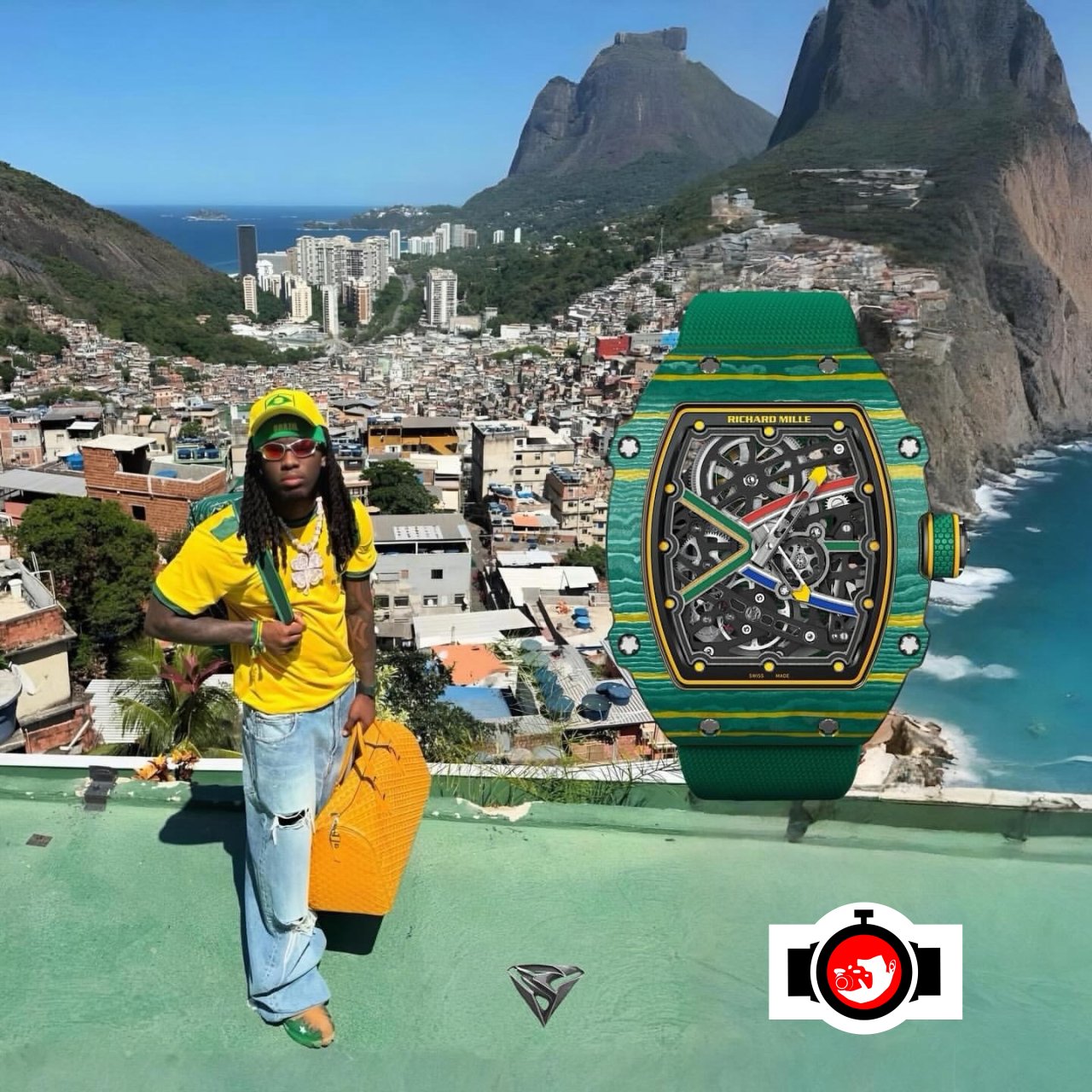
Kai Cenat wearing Richard Mille
Carbon Richard Mille RM 67-02 Sprint Van Niekerk 39mm with Green Dial and Skeletonized Movement
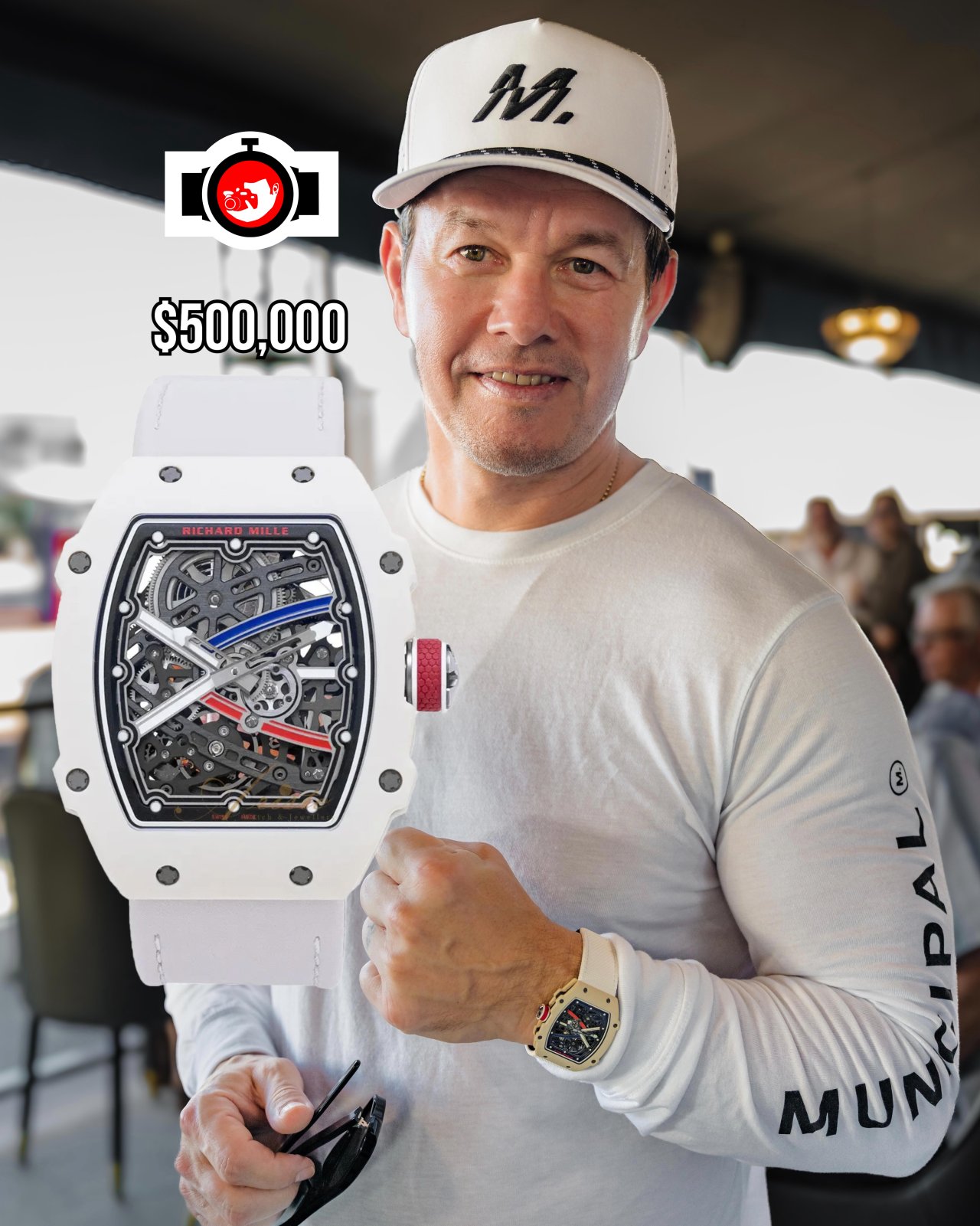
Mark Wahlberg wearing Richard Mille
Richard Mille RM 67-02 White Carbon TPT Alexis Pinturault Collaboration Limited Edition
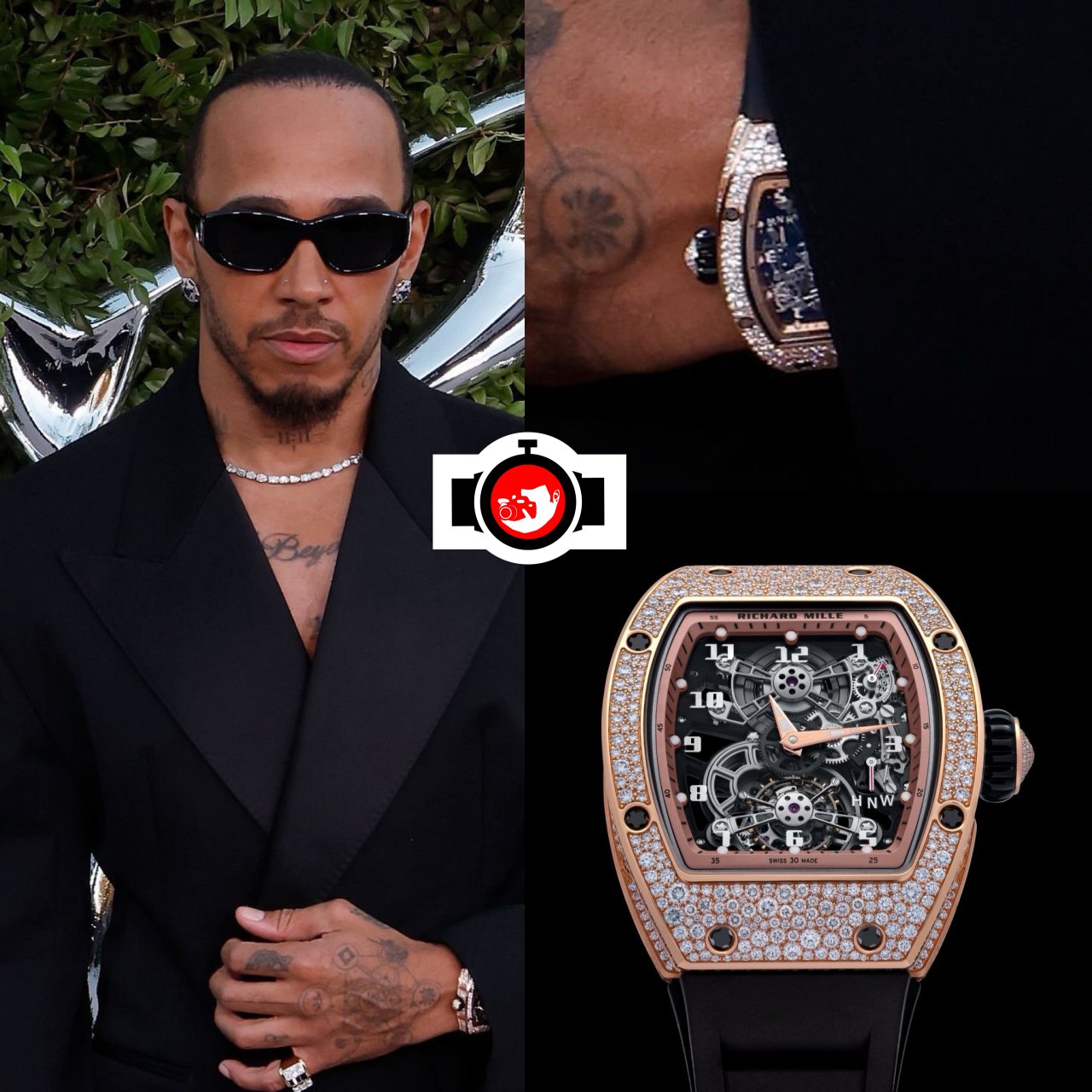
Lewis Hamilton wearing Richard Mille
Richard Mille RM 17-01 Tourbillon Snow-Set 18K Pink Gold Ref. RM17-01 RG
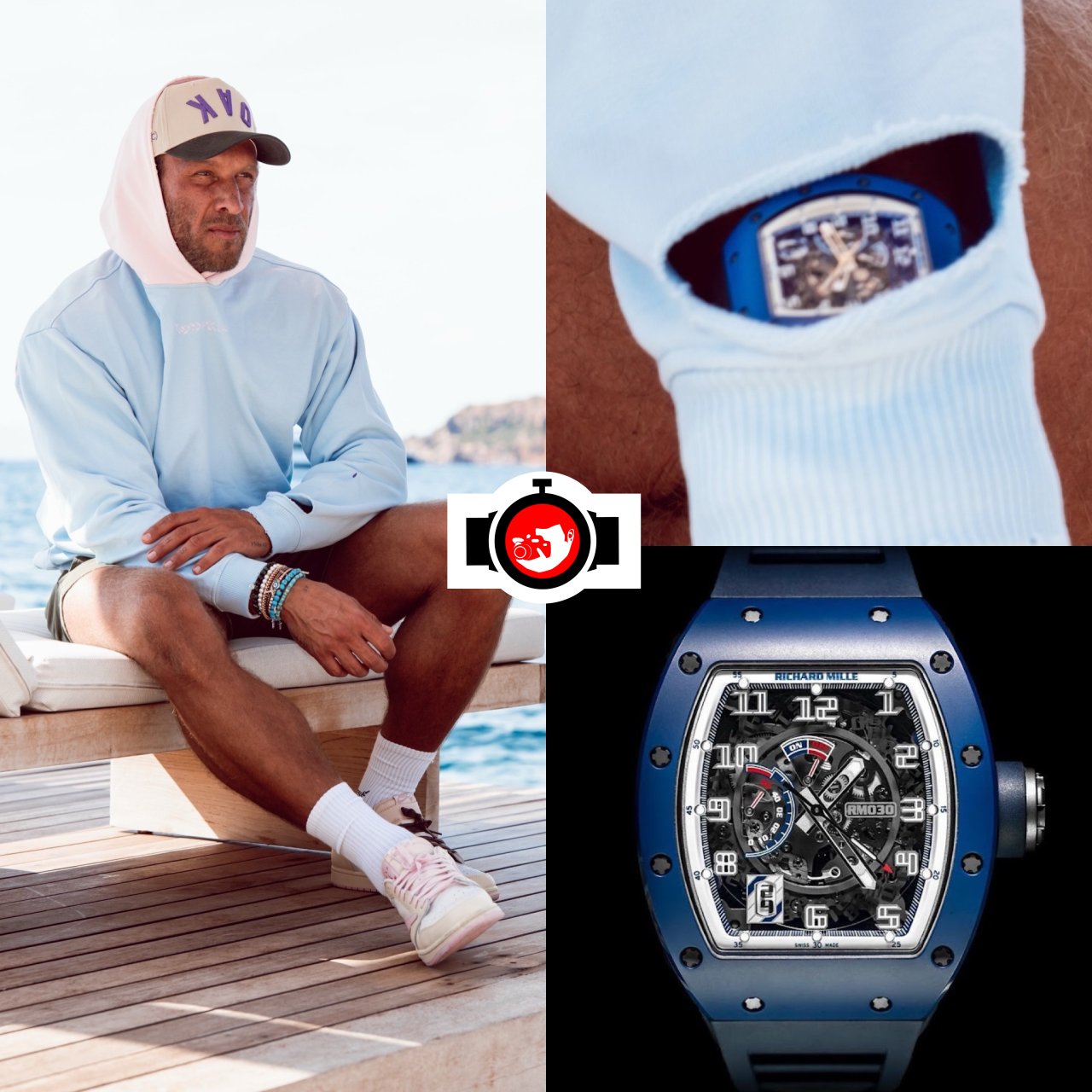
Georgios Frangulis wearing Richard Mille
Richard Mille RM030 Automatic Winding Declutchable Rotor EMEA Edition Blue Ceramic (1 of 100)
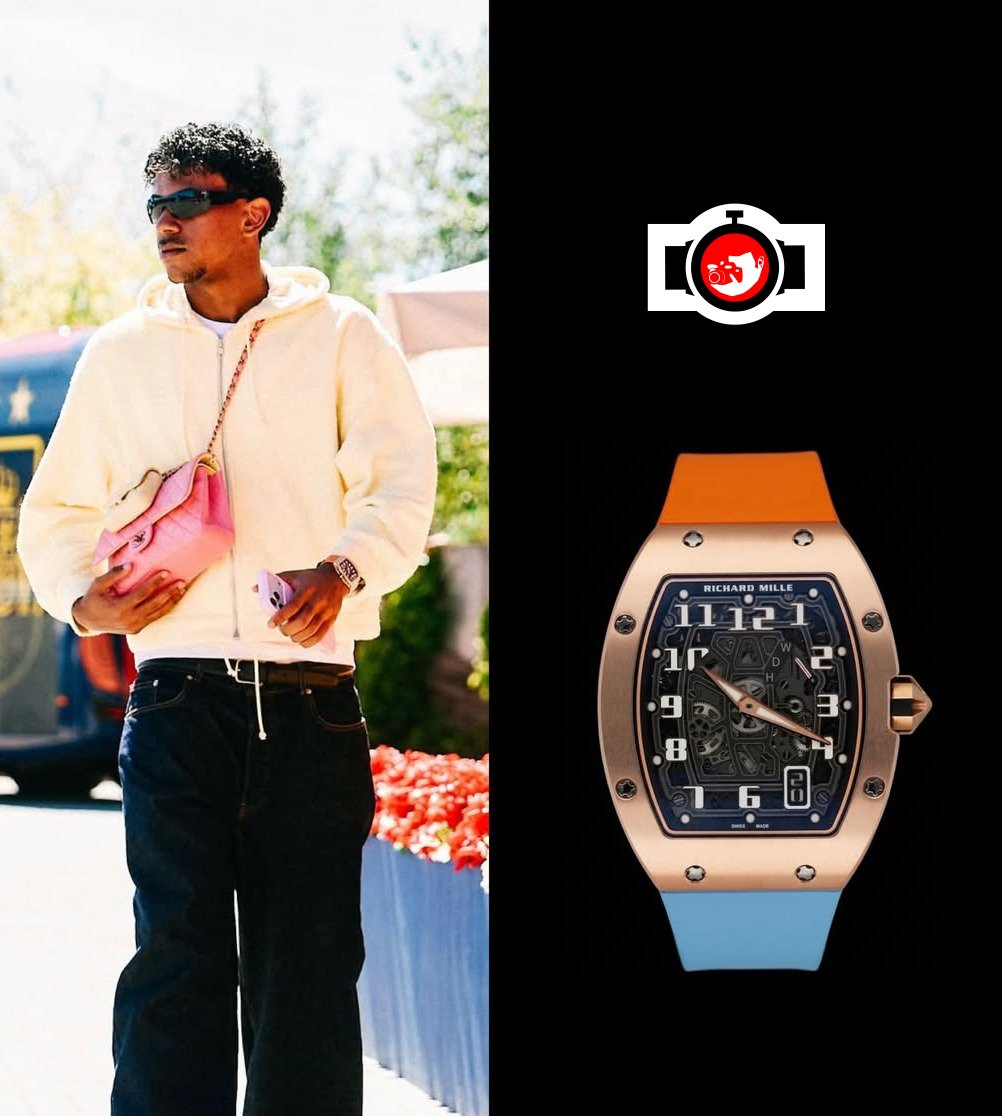
Lamine Yamal wearing Richard Mille
18K Rose Gold Richard Mille RM 67-01 Extra Flat Skeletonized Automatic with Blue Rubber Strap
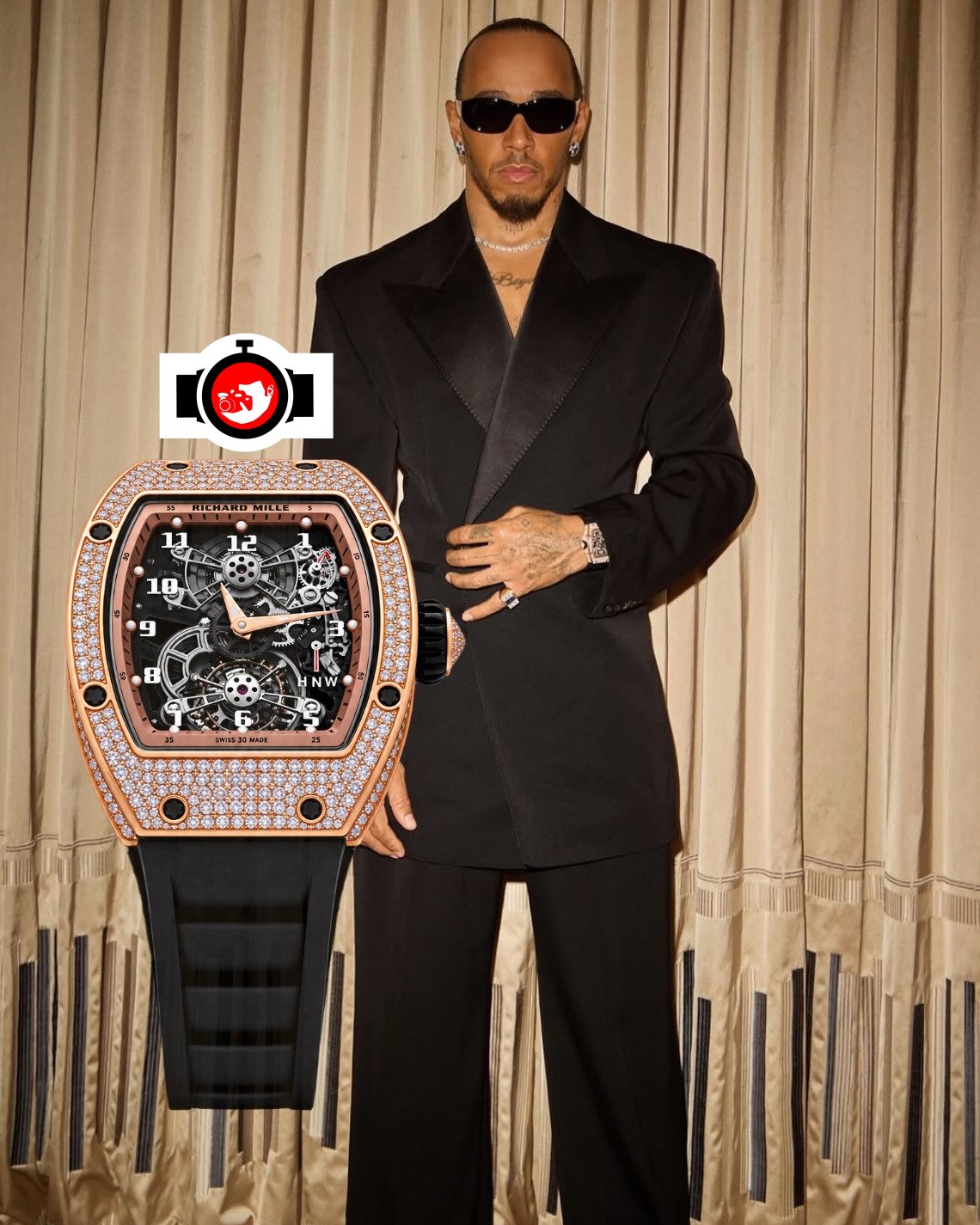
Lewis Hamilton wearing Richard Mille
Rose Gold Richard Mille RM 17-01 Tourbillon with Full Diamond Set and Black Skeletonized Dial
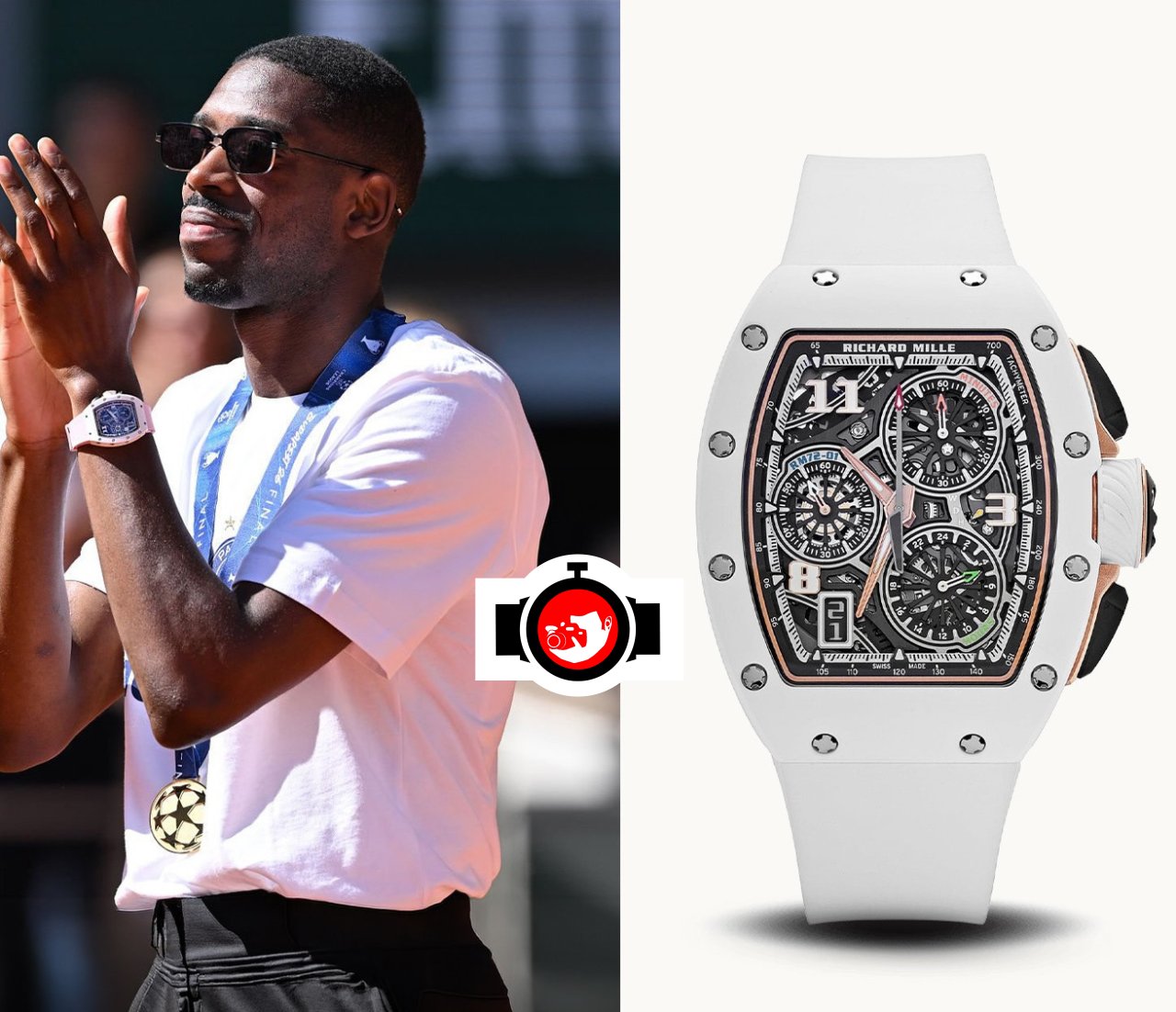
Ousmane Dembele wearing Richard Mille
Richard Mille 72-01 White Ceramic Chronograph
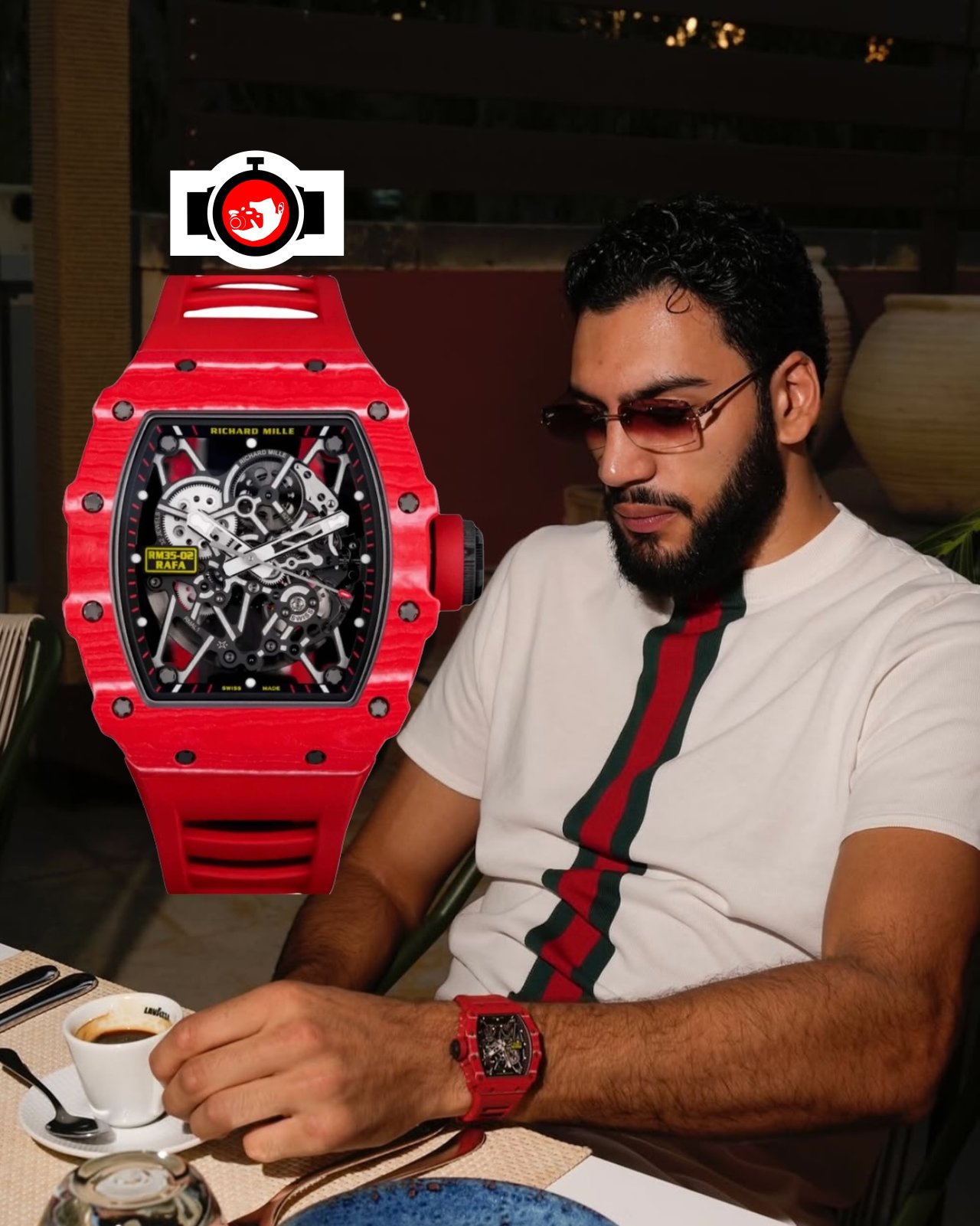
Hamzah Sheeraz wearing Richard Mille
Red Carbon NTPT Richard Mille RM 35-02 Rafael Nadal Collaboration with Skeletonised Dial
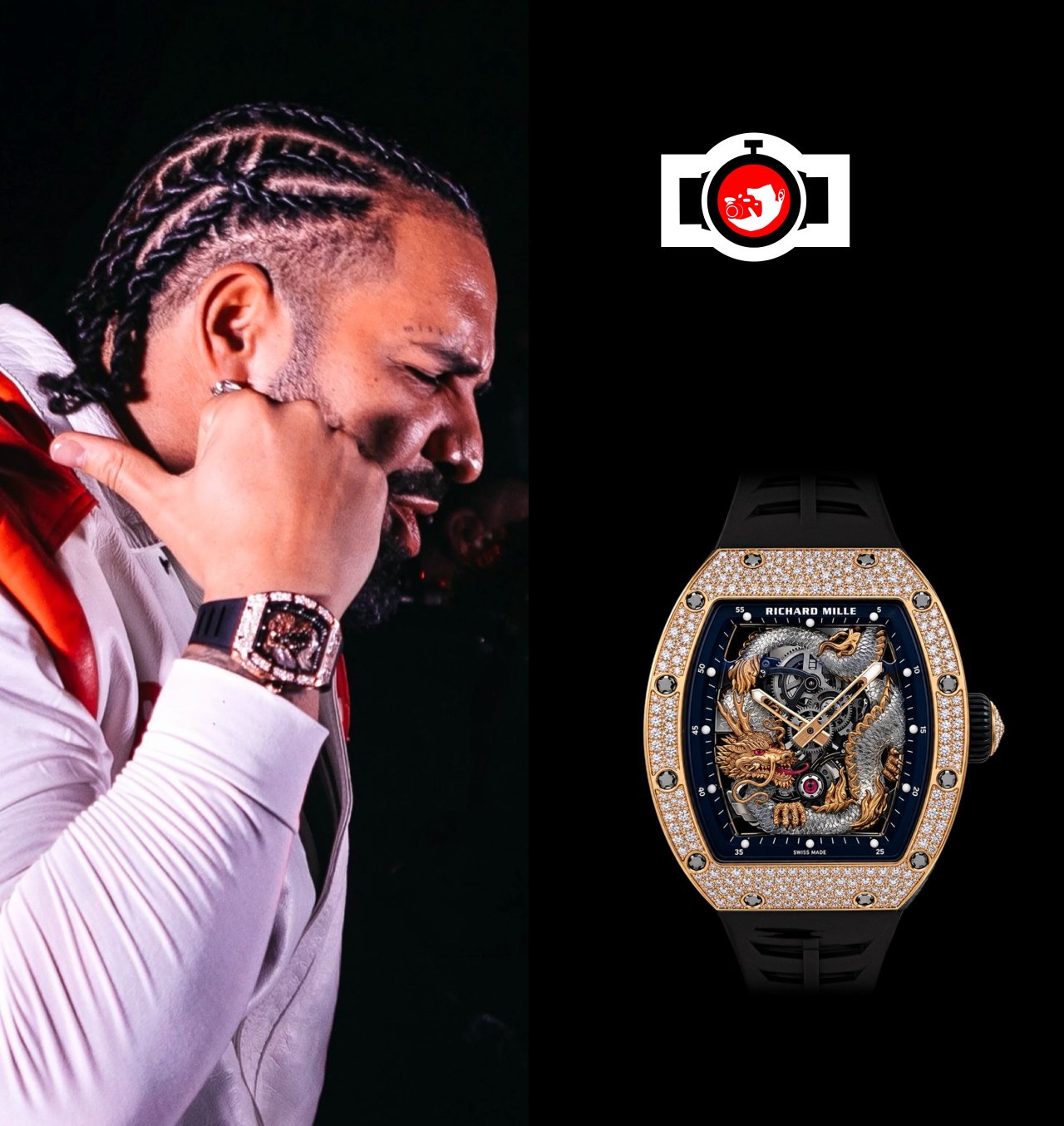
Drake wearing Richard Mille
Richard Mille RM 57-03 Tourbillon Jackie Chan Rose Gold with Diamond Bezel and Sapphire Dragon