
Artist Pablo Picasso spotted wearing a Rolex
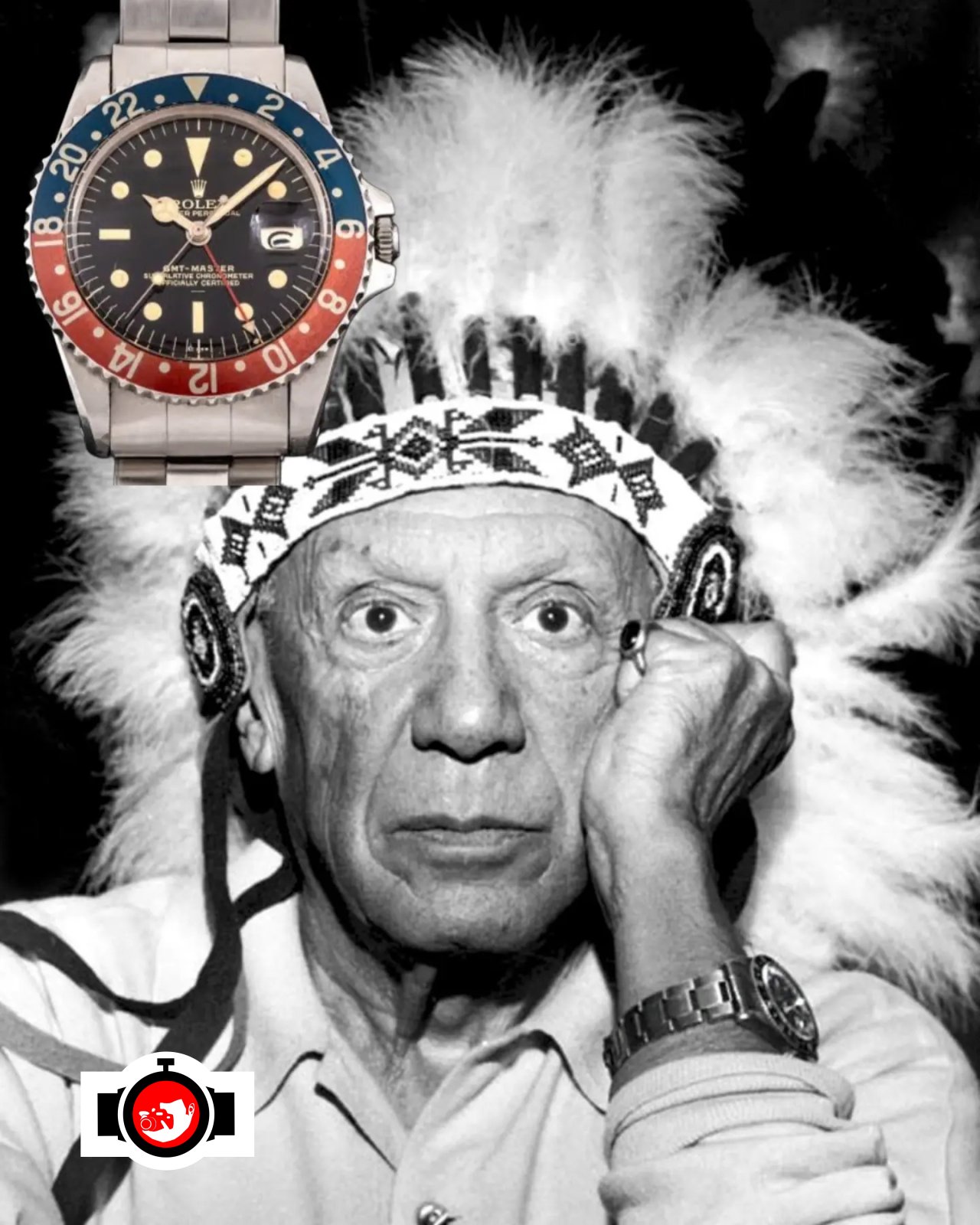
Pablo Picasso's wrist in Cannes, 1960, bore witness to one of watchmaking's most functional innovations: the Rolex GMT-Master ref. 6542. Photographed by an unknown lens at the height of the artist's fame, Picasso wore the stainless steel sports watch with the same unflinching confidence he applied to canvas—a reminder that the GMT-Master's utility and design transcended its pilot-tool origins from the moment Rolex introduced it to Pan Am crews in 1955.
The ref. 6542 housed Rolex's Caliber 1560, a 26-jewel, self-winding movement beating at 19,800 vph, capable of keeping dual time zones via the signature 24-hour hand and rotating bezel marked in red (12–0 hours) and blue (0–12 hours). The gilt dial—luminous applied indices against a warm champagne background—was paired with a matching gilt chapter ring and Mercedes hands. Case diameter measured 38 mm, water-resistant to 100 m, mounted on a three-link oyster bracelet with solid end links. Production spanned 1955 to 1959, with approximately 5,100 examples manufactured.
The 6542 remains the holy grail for GMT-Master purists. It predates the iconic 1675 (1959–1980) and lacks the bakelite bezel that defines later references; its gilt dial develops a warm, often uneven patina over decades, making each example distinctly individual. Early gilt dials command premiums; creased, radium-lume examples fetch $200,000–$300,000 at auction. The reference is so scarce and desirable that authentication has become a specialized discipline among dealers.
Picasso's decision to wear the GMT-Master speaks to the watch's cultural penetration among the European intelligentsia by 1960. While marketed to pilots, the 6542's compact size, legible dial, and functional bezel appealed equally to artists, architects, and intellectuals who valued precision and restraint. The pairing of Picasso and Rolex suggests that tool watches transcended their brief and entered fine culture without losing their integrity.
Vintage gilt-dial 6542 examples—especially those in good condition with original bracelet and lug holes unmarked by past straps—trade between $180,000 and $280,000 on the private market. Auction estimates routinely exceed $300,000 for exceptional specimens. Production scarcity and the reference's role as the first true GMT-Master ensure that prices remain insulated from fluctuations that affect later, more plentiful models.
More watches like this
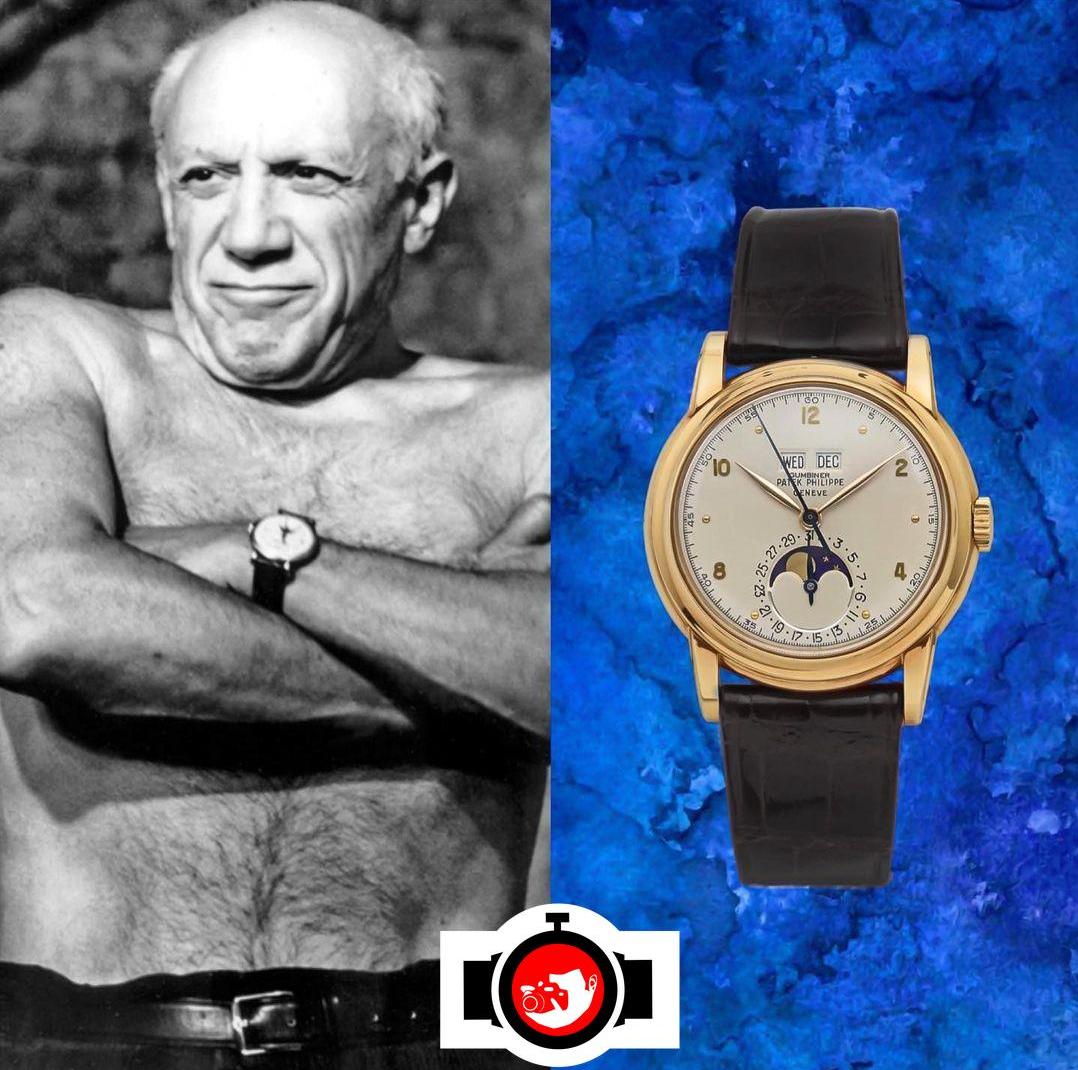
Pablo Picasso wearing Patek Philippe
Patek Philippe 37mm Perpetual Calendar Moonphase 18k Yellow Gold Silver Dial Reference 2497 – Pablo Picasso
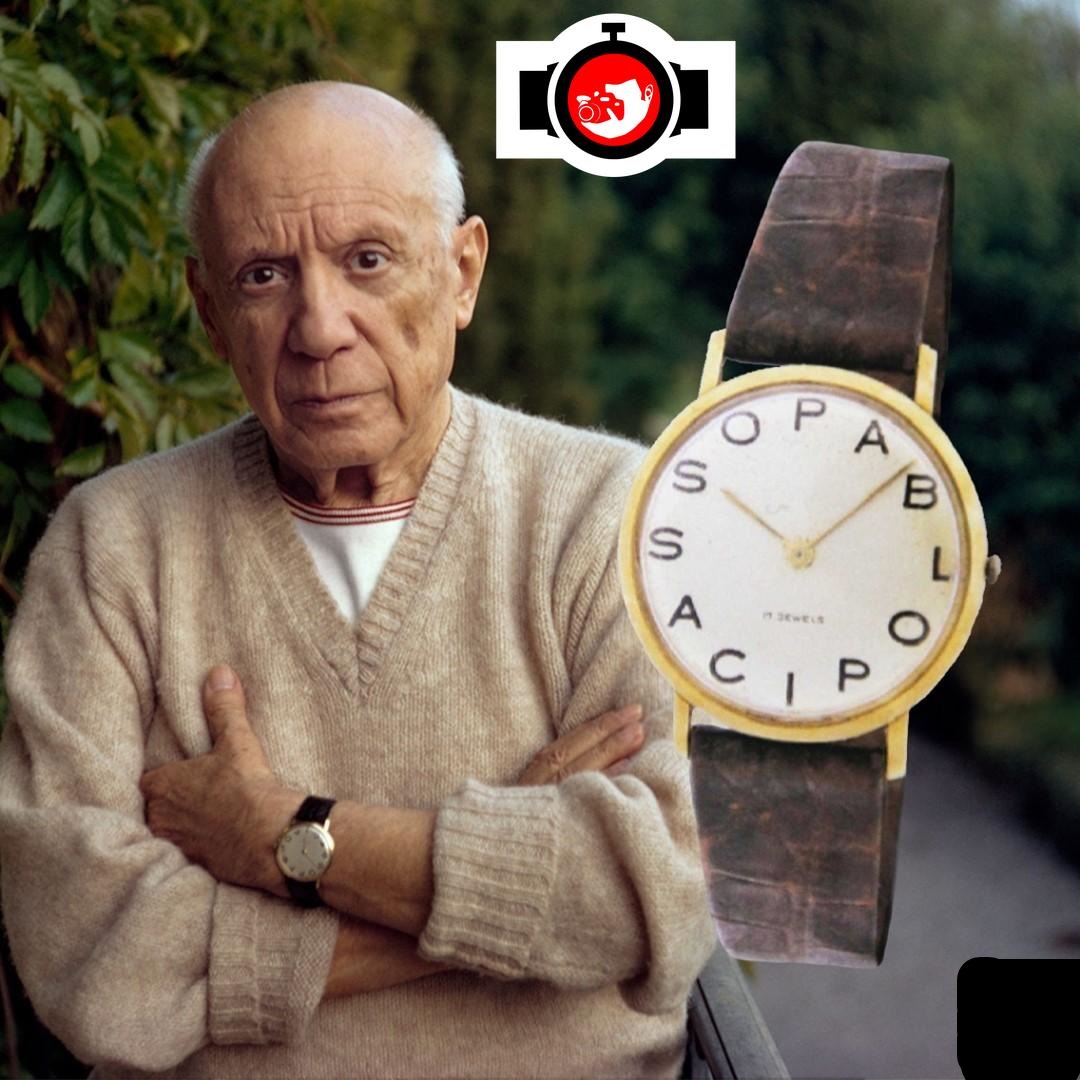
Pablo Picasso wearing Anonymous
Anonymous Yellow Gold Hand-Wound Dress Watch – Custom 'PABLO PICASSO' Spelled Dial – Pablo Picasso Personal Timepiece
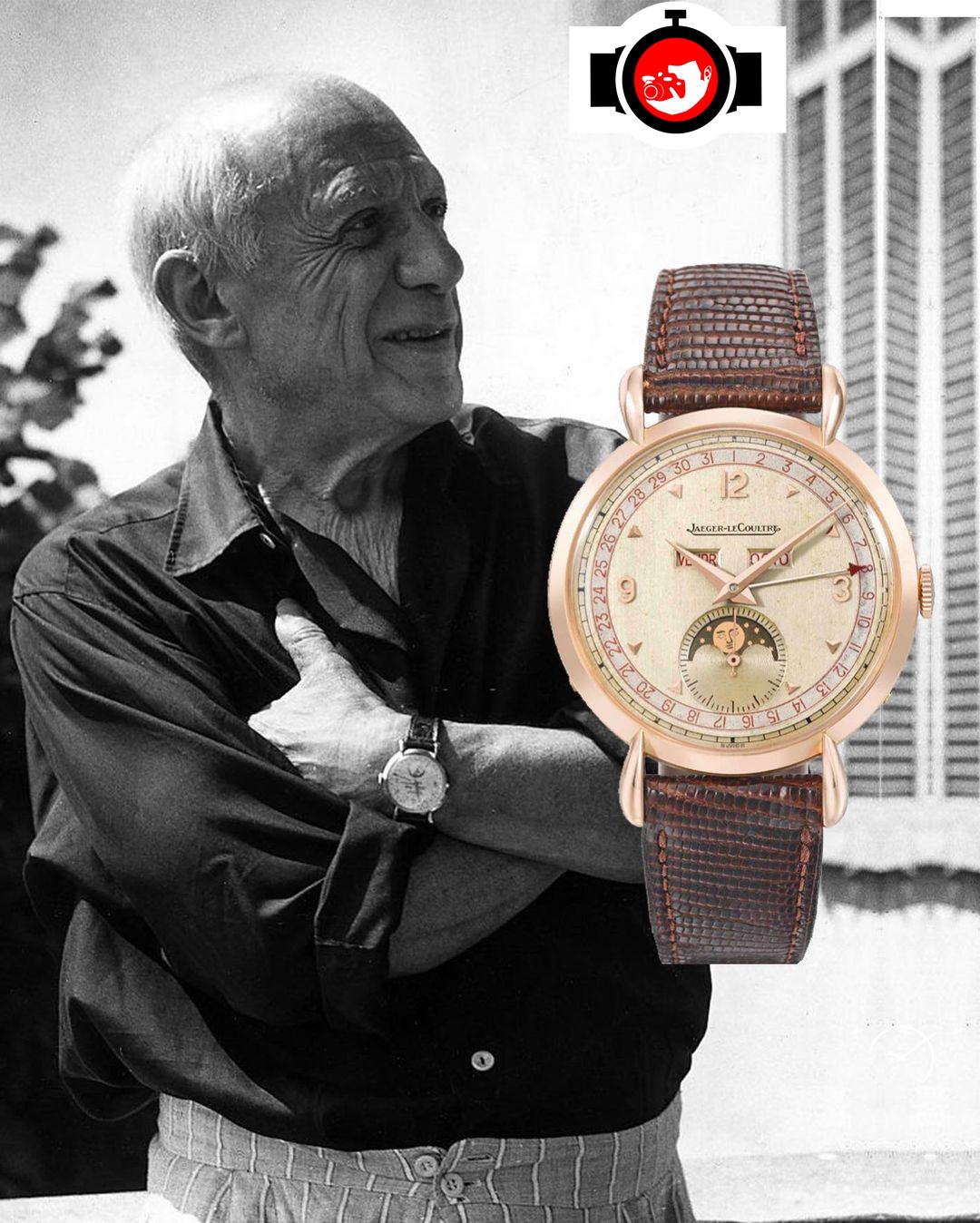
Pablo Picasso wearing Jaeger LeCoultre
Jaeger-LeCoultre Triple Calendar Moonphase Rose Gold – Pablo Picasso's Personal Watch
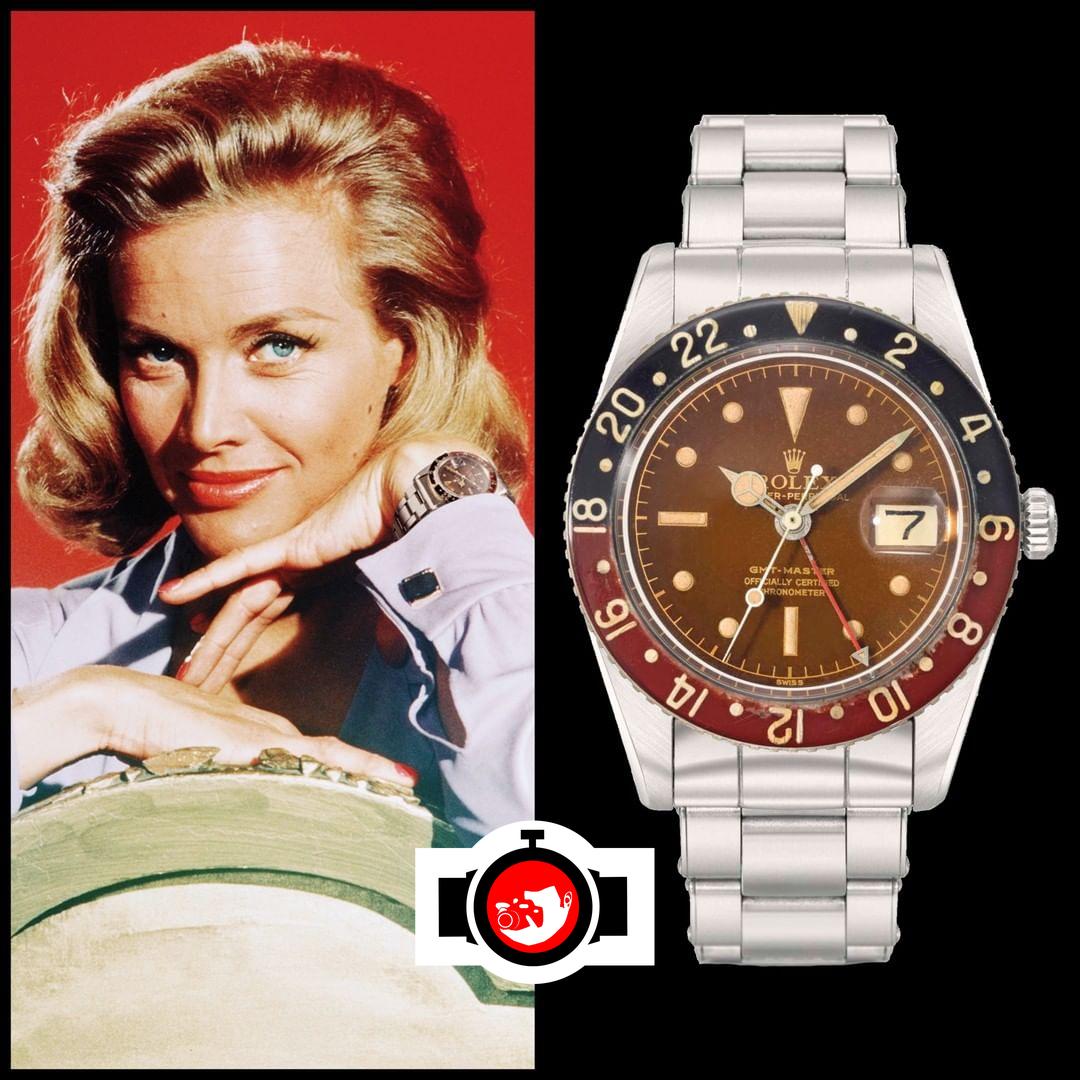
Honor Blackman wearing Rolex
Rolex GMT-Master Reference 6542 'Pussy Galore' – Bakelite Bezel Steel Vintage
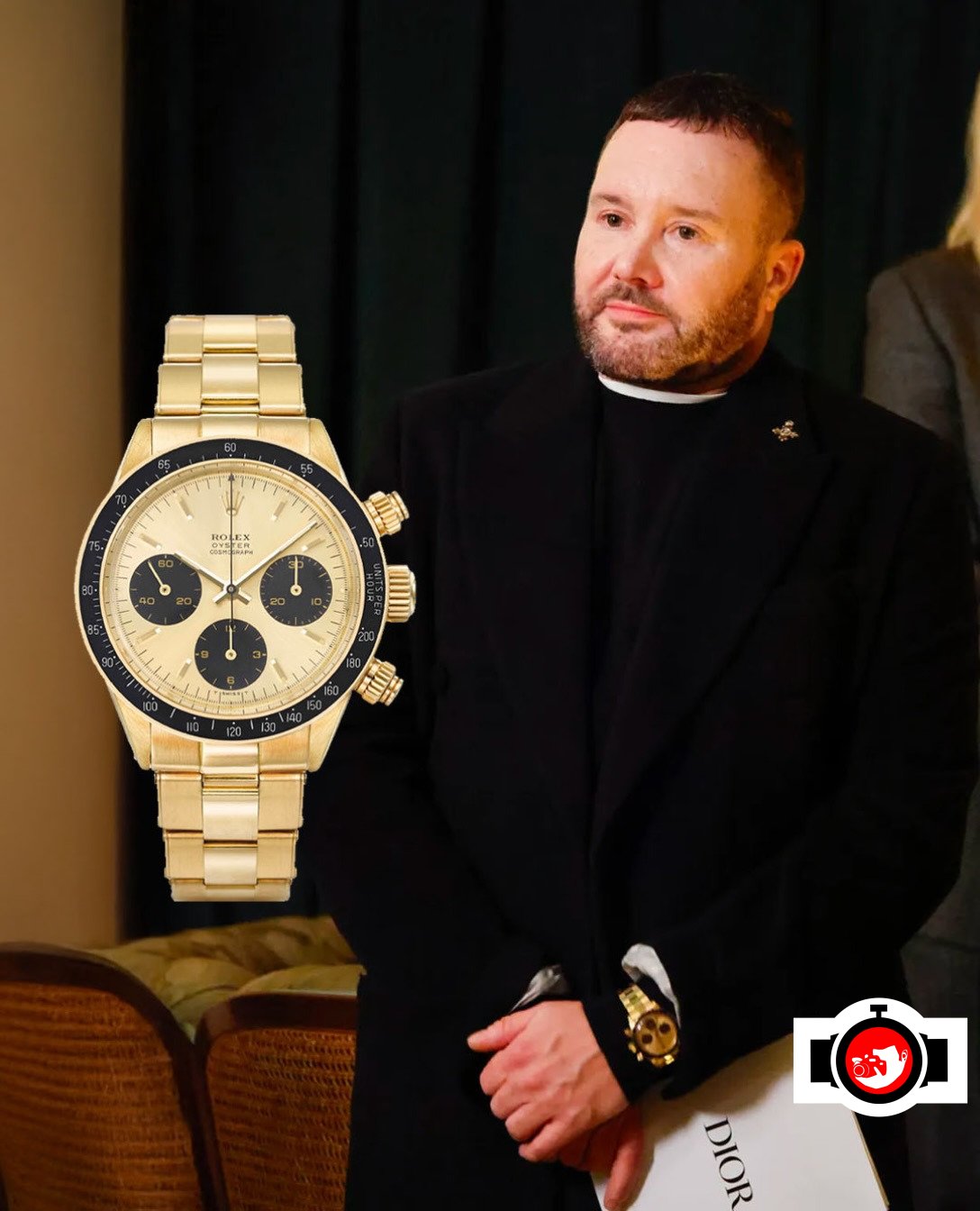
Kim Jones wearing Rolex
Yellow Gold Rolex Daytona Ref. 6263 with Black Acrylic Bezel and Screw-Down Pushers

Merab Dvalishvili wearing Rolex
Rolex Daytona 116500LN Custom Carbon Fiber Case with Red Quartz Fiber Bezel by DiW
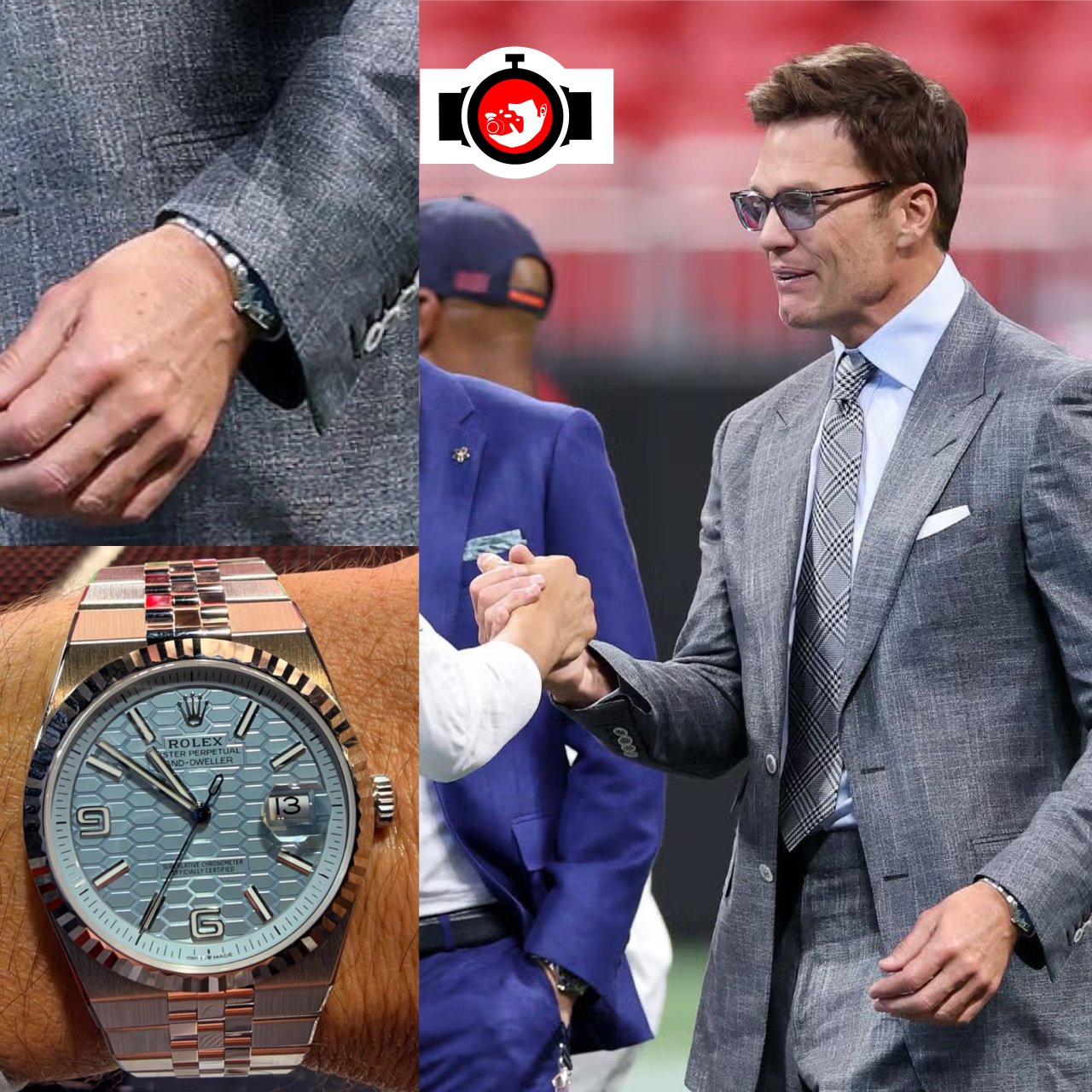
Tom Brady wearing Rolex
Platinum Rolex Sky-Dweller 40 Ref. 127336 with Ice-Blue Honeycomb Dial and Jubilee Bracelet
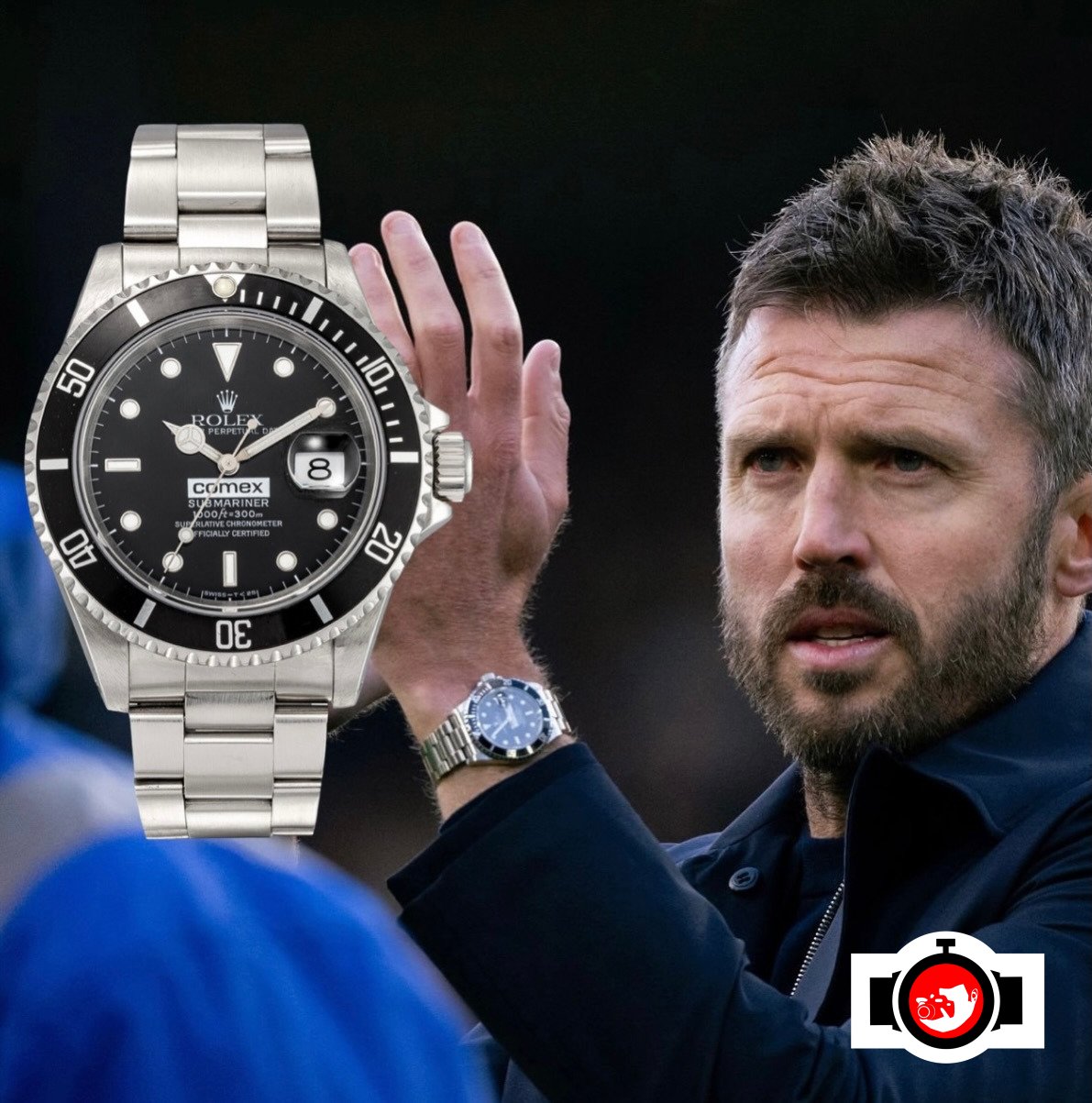
Michael Carrick wearing Rolex
Stainless Steel Rolex Submariner Ref. 16610 COMEX with Black Dial and Rotating Bezel
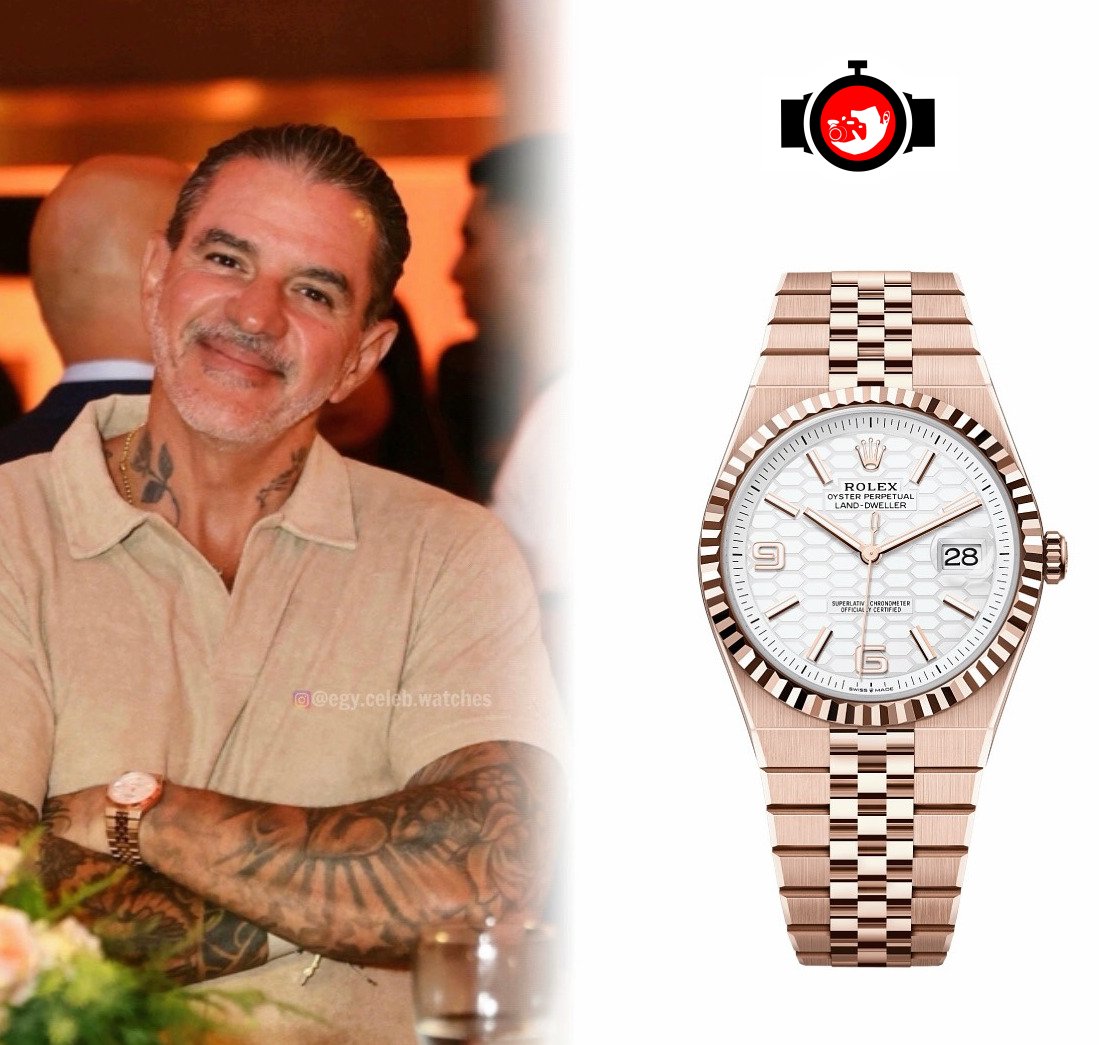
Ayman Baky wearing Rolex
Rolex Datejust 40 Ref. 127335 in 18K Rose Gold with White Dial and Fluted Bezel
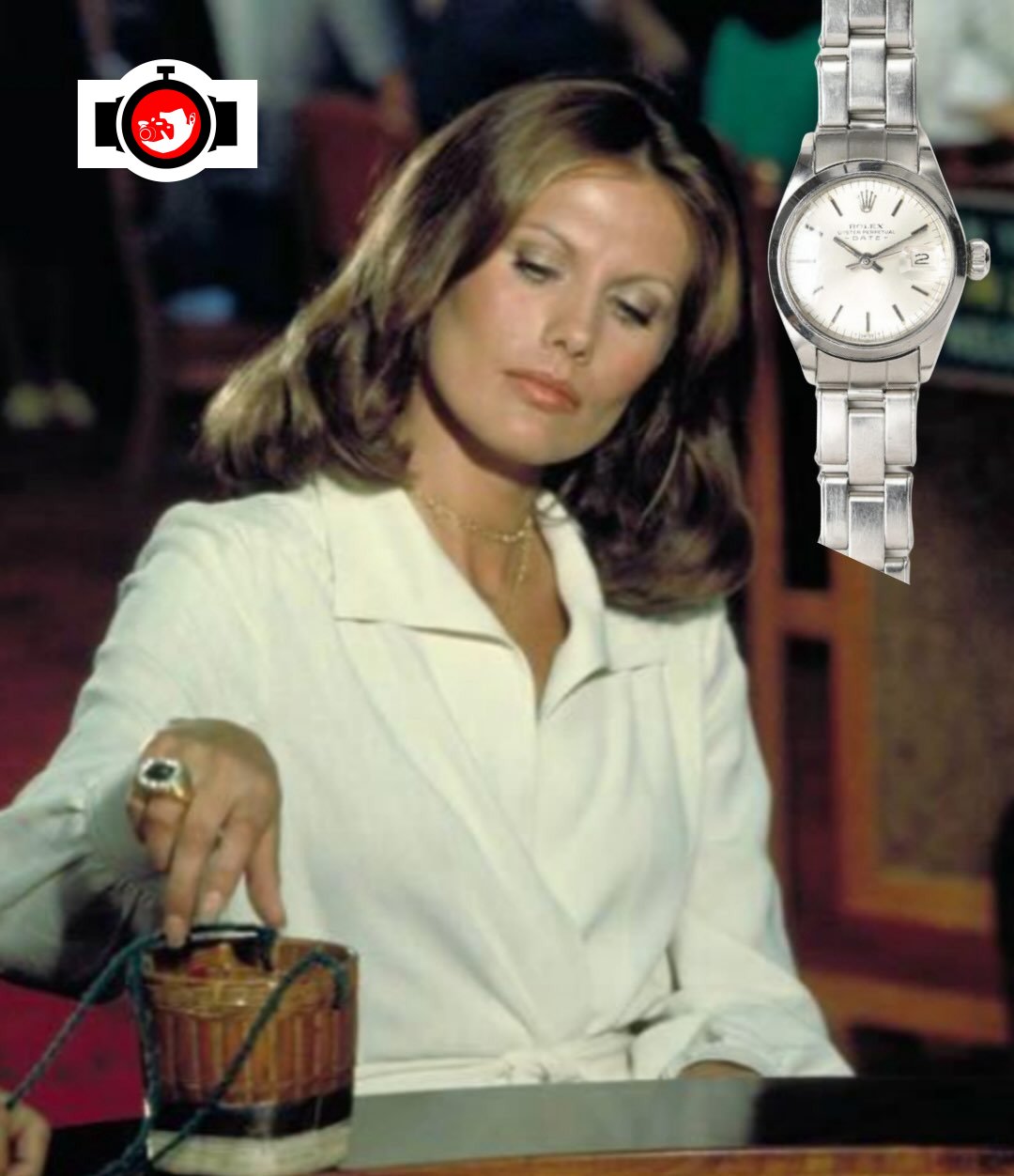
Maud Adams wearing Rolex
Stainless Steel Rolex Datejust Ref. 1600 with Silver Dial and Oyster Bracelet from The Man with the Golden Gun (1974)
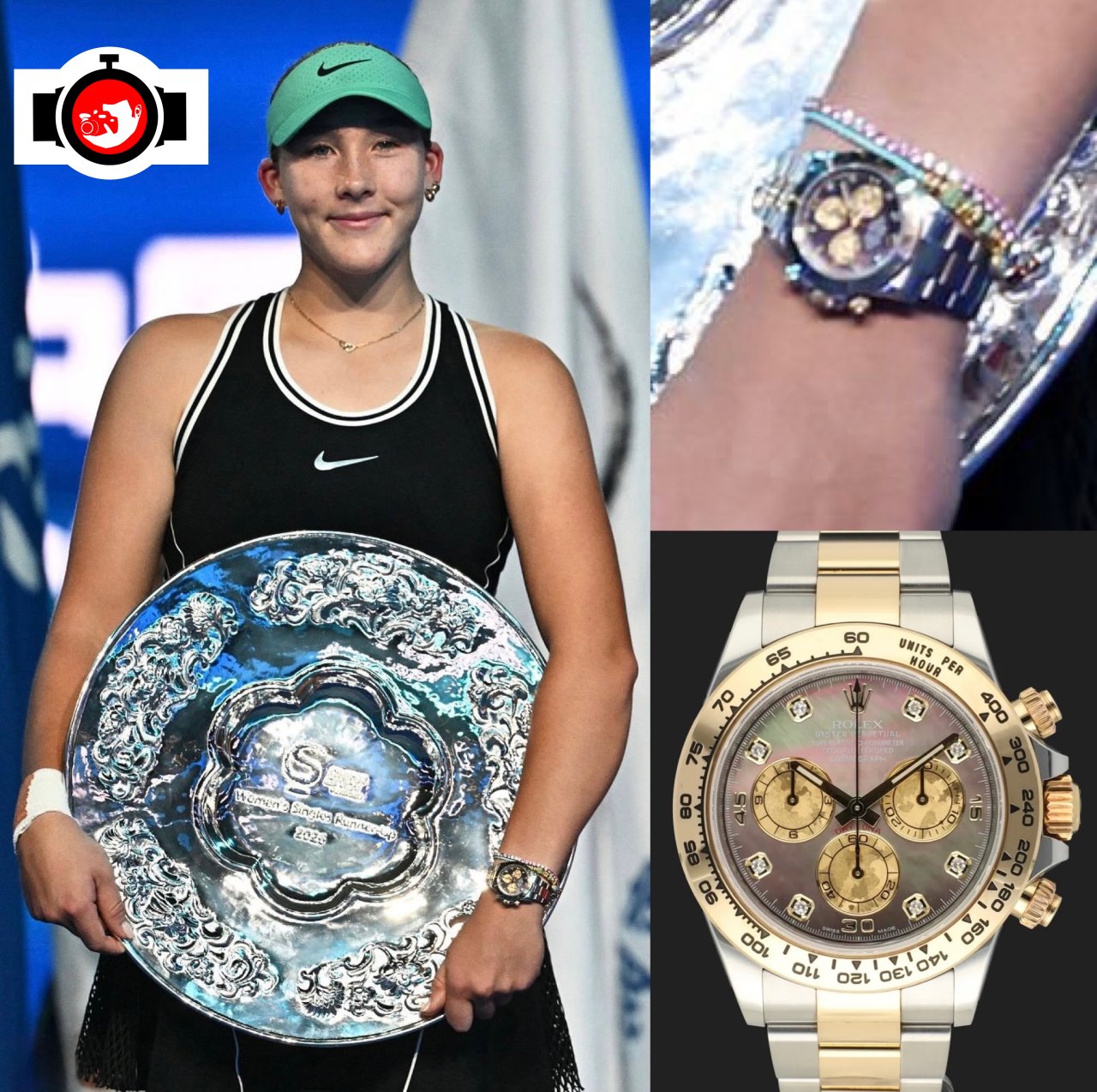
Mirra Andreeva wearing Rolex
Rolex Cosmograph Daytona Ref. 116503-0009 Two-Tone with Diamond-Set Tahitian Mother-of-Pearl Dial
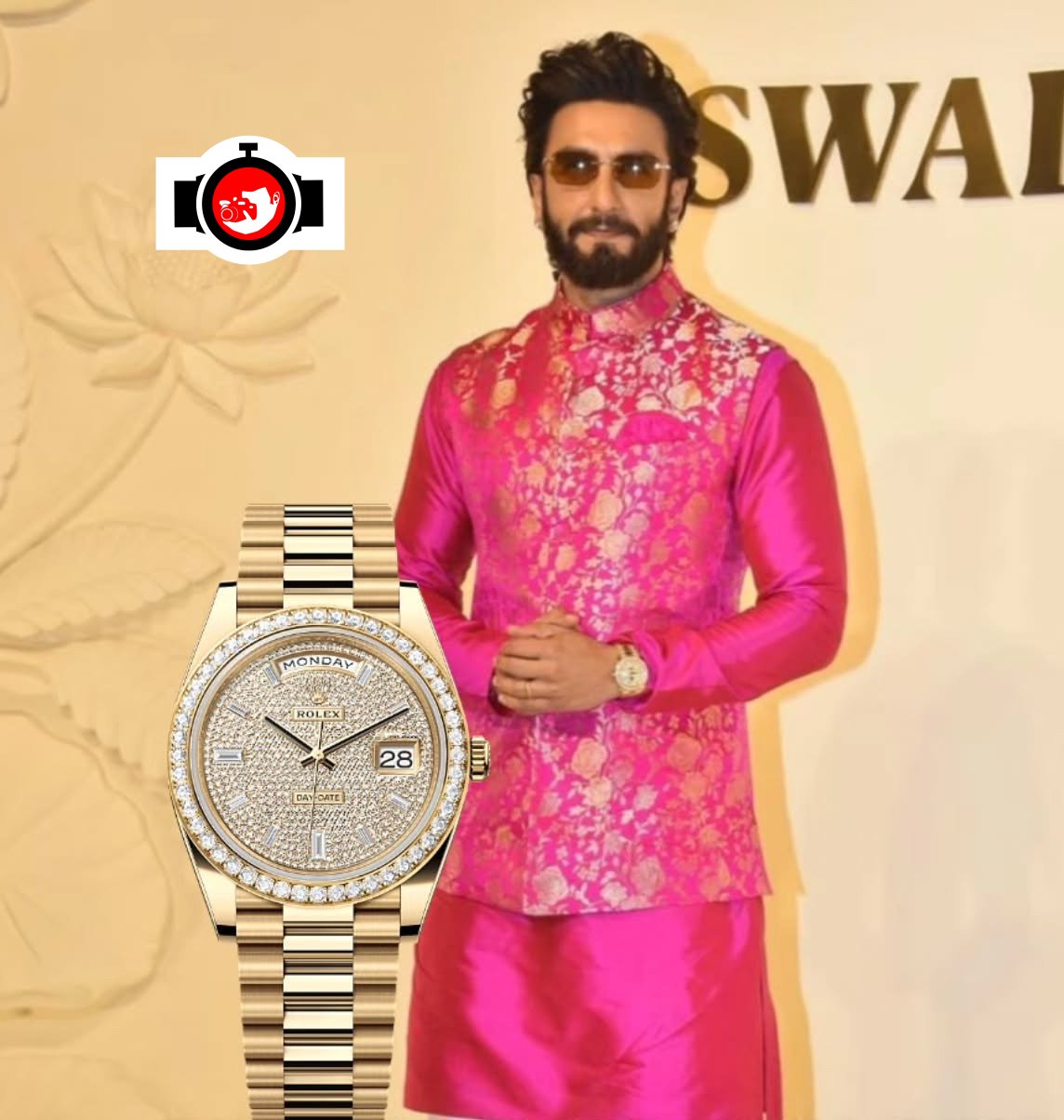
Ranveer Singh wearing Rolex
Rolex Day-Date 40 Ref. 228348RBR-0037 – 18ct Yellow Gold with Full Diamond Pave Dial and Baguette Hour Markers