
Film director Jean-Pierre Melville spotted wearing a Cartier
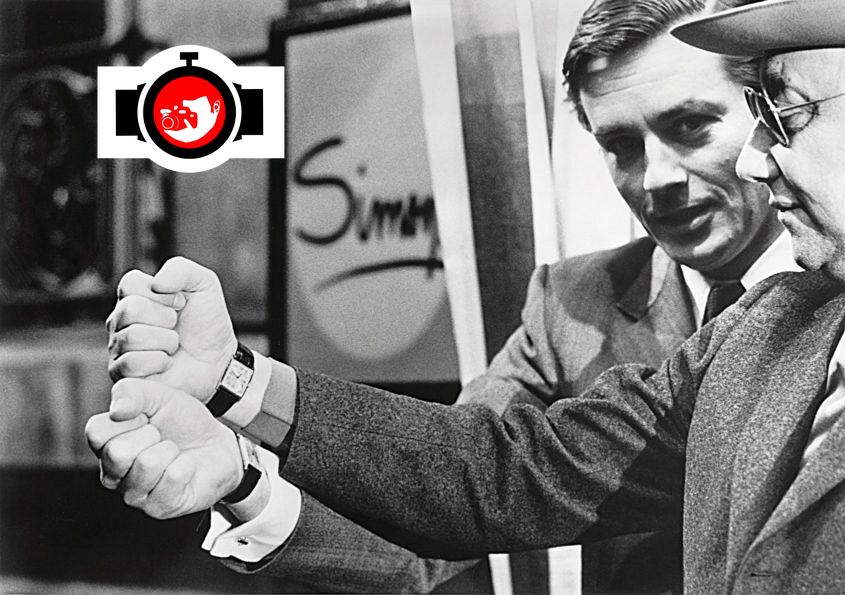
The year is 1972. On the set of 'Un Flic,' Jean-Pierre Melville's final and perhaps most nihilistic crime film, the director is caught in a candid moment beside his leading man Alain Delon — both extending their wrists in what reads as an impromptu watch comparison. Melville's choice of wristwear is entirely consistent with the man: the Cartier Tank, slender, rectangular, and unapologetically Parisian.
The watch visible on Melville's wrist displays the hallmarks of the Tank Louis Cartier reference from the late 1960s to early 1970s era — a clean, Roman numeral dial with the characteristic railway-track chapter ring, blued sword-shaped hands, and a flat bezel integrated into a yellow gold case. The case proportions suggest the small or medium size popular in that period, worn on what appears to be a crocodile leather strap. No bracelet, no complications — exactly as Louis Cartier intended when he presented the first Tank to General John Pershing in 1918.
The Tank Louis Cartier, in its manual-winding yellow gold configuration from this era, housed Cartier's in-house or Jaeger-supplied manual movements — reliable, thin calibers suited to the ultra-low profile that makes the Tank so distinctive. Water resistance was never the point; elegance was. The dial's guilloché texture and the case's polished vertical surfaces catch light in a way no round watch can replicate.
For collectors, a period Tank Louis Cartier in yellow gold from the early 1970s represents exactly the intersection of historical provenance and wearability that drives the vintage Cartier market. These pieces, particularly in confirmed original condition with matching dials and unpolished cases, routinely appear at auction and draw serious attention. The Tank remains one of the few vintage watches that commands respect equally among watch collectors and fashion-conscious buyers.
Melville himself was a study in curated style — his trademark Stetson hat and dark glasses were as deliberate as every cut in 'Le Samouraï.' That his Tank should surface in this image alongside Delon, cinema's definitive embodiment of French masculine cool, is no accident. It is a document of two men who understood that the right object, worn correctly, communicates everything.
More watches like this
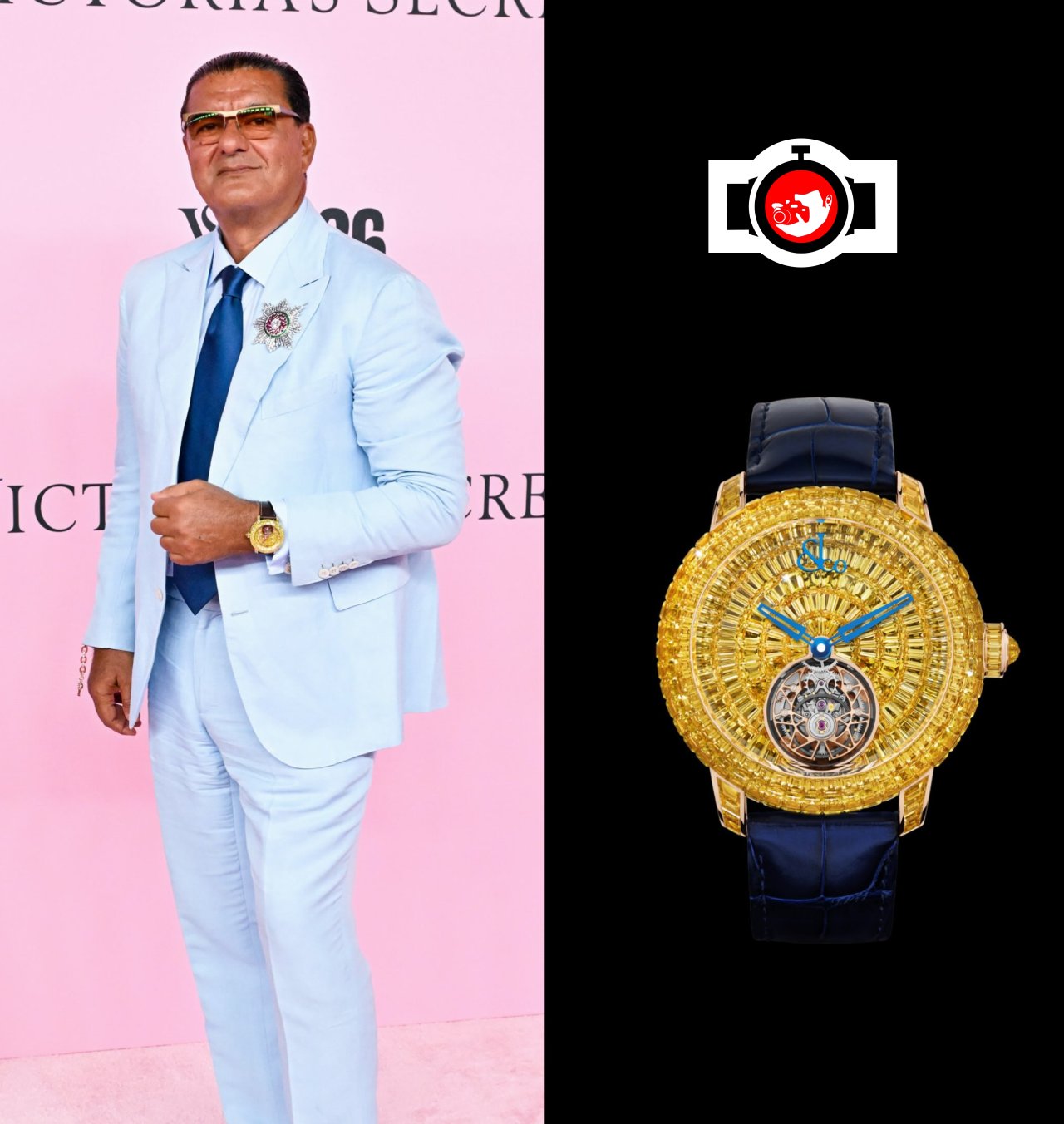
Jacob Arabo wearing Jacob & Co.
18K Rose Gold Jacob & Co. Caviar Tourbillon with Yellow Sapphires and Flying Tourbillon
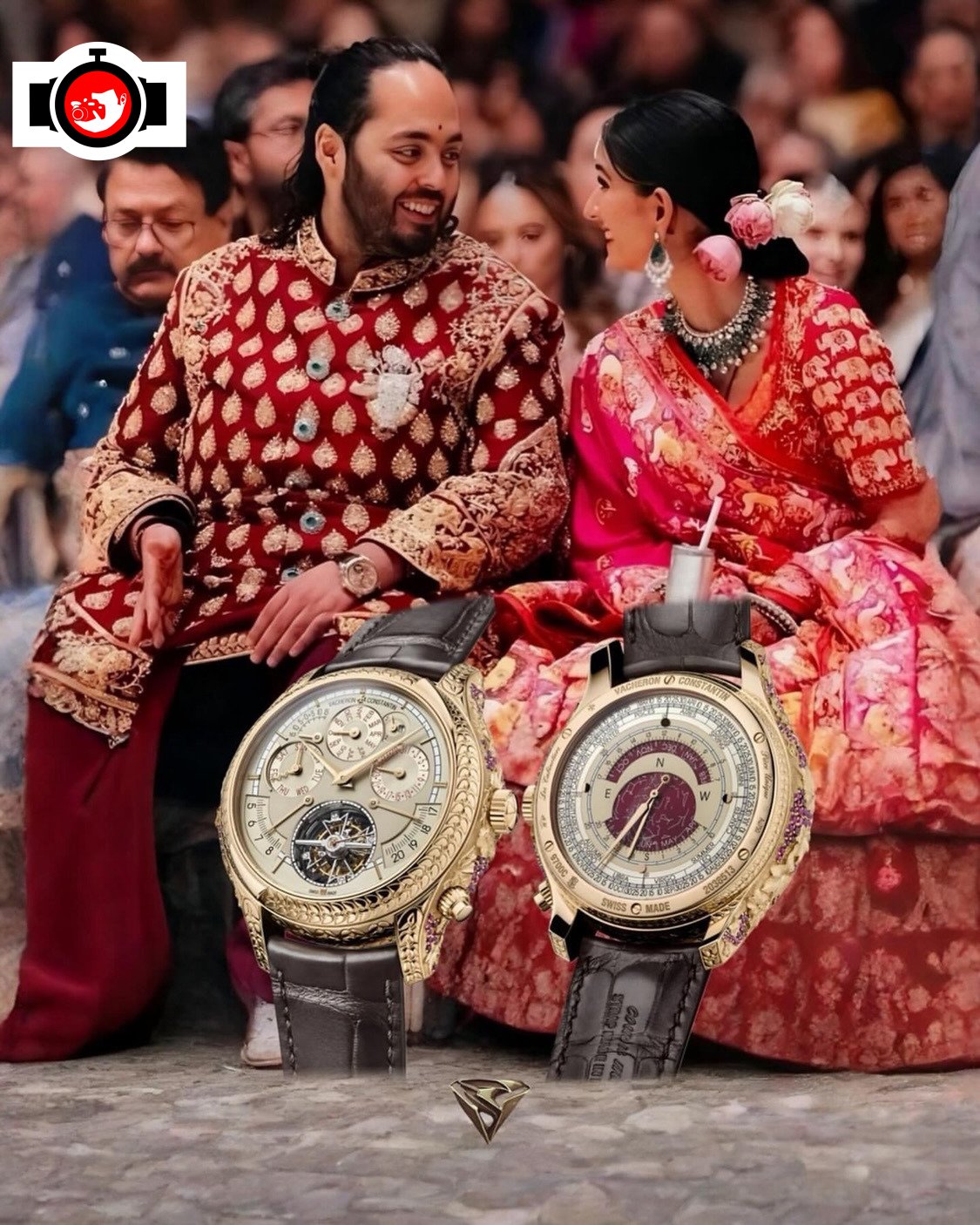
Anant Ambani wearing Vacheron Constantin
18K 5N Gold Vacheron Constantin Les Cabinotiers Grande Complication Bacchus Double-Sided Wristwatch with 16 Complications, Minute Repeater, and Tourbillon
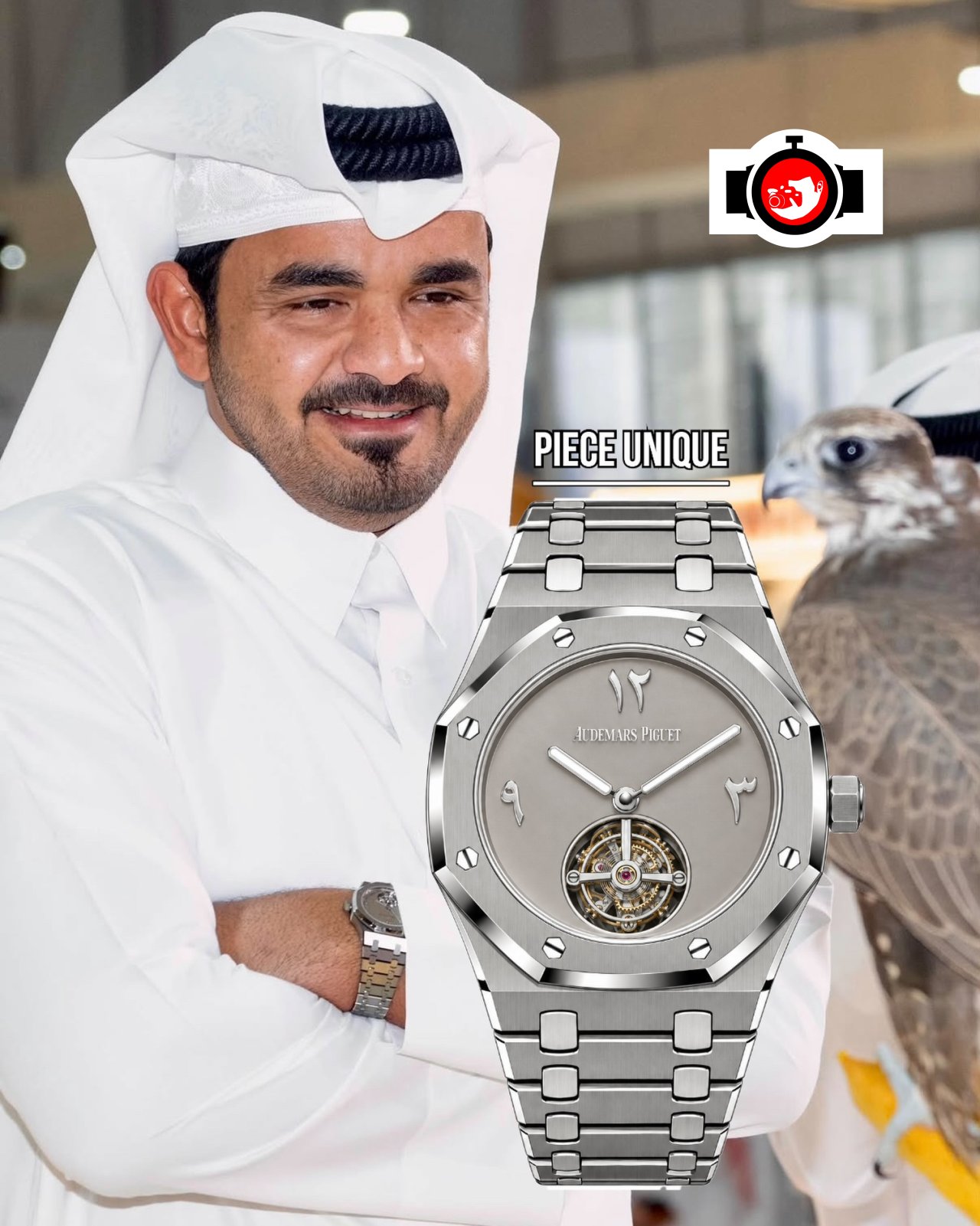
Crown Prince of Qatar wearing Audemars Piguet
Titanium Audemars Piguet Royal Oak Tourbillon with Arabic Numerals and Grey Dial
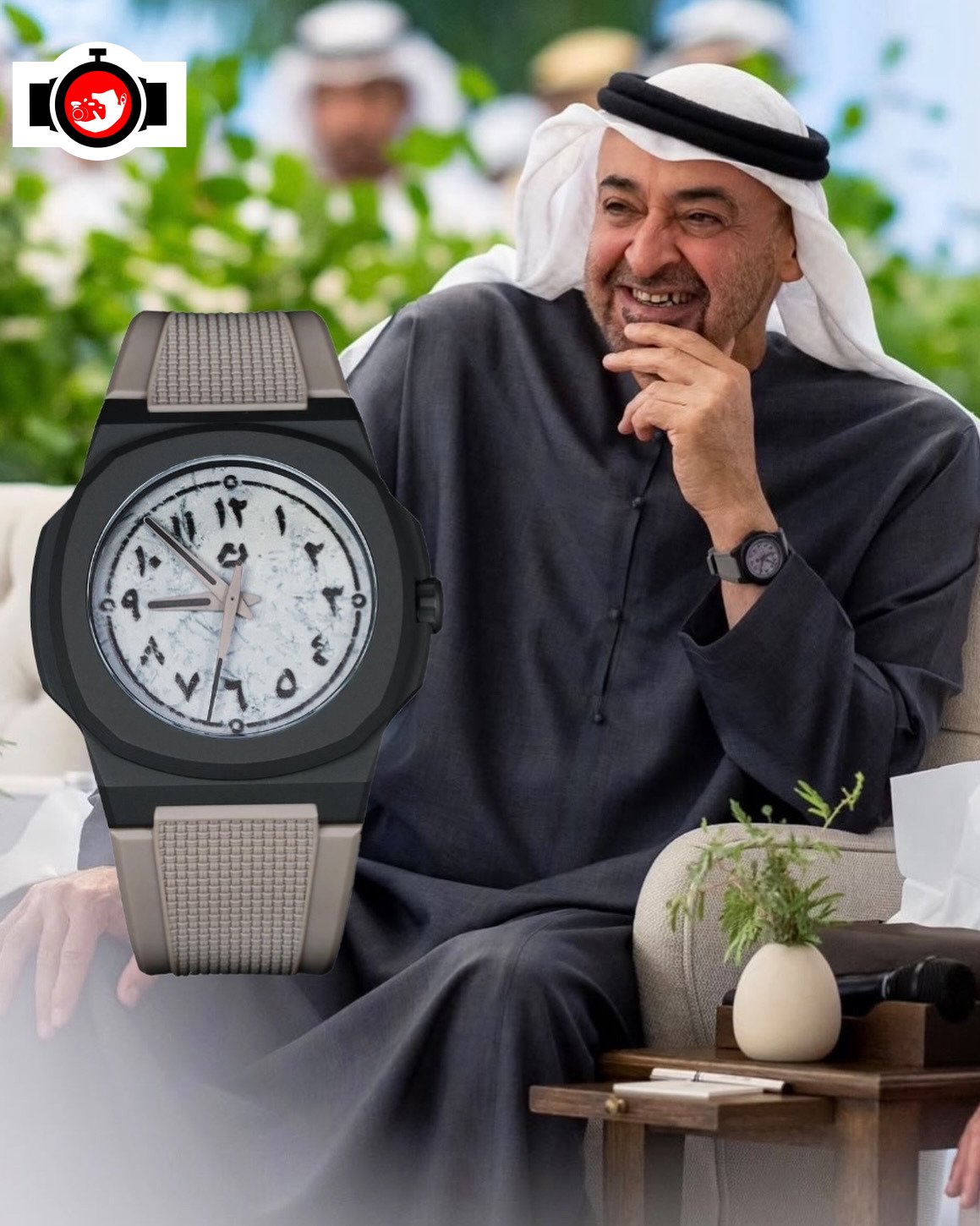
Sheikh Mohamed bin Zayed Al Nahyan wearing Nuncier
Nuncier Carbon Tech Special Edition Watch with Eastern Arabic Numerals and Monochromatic Dial
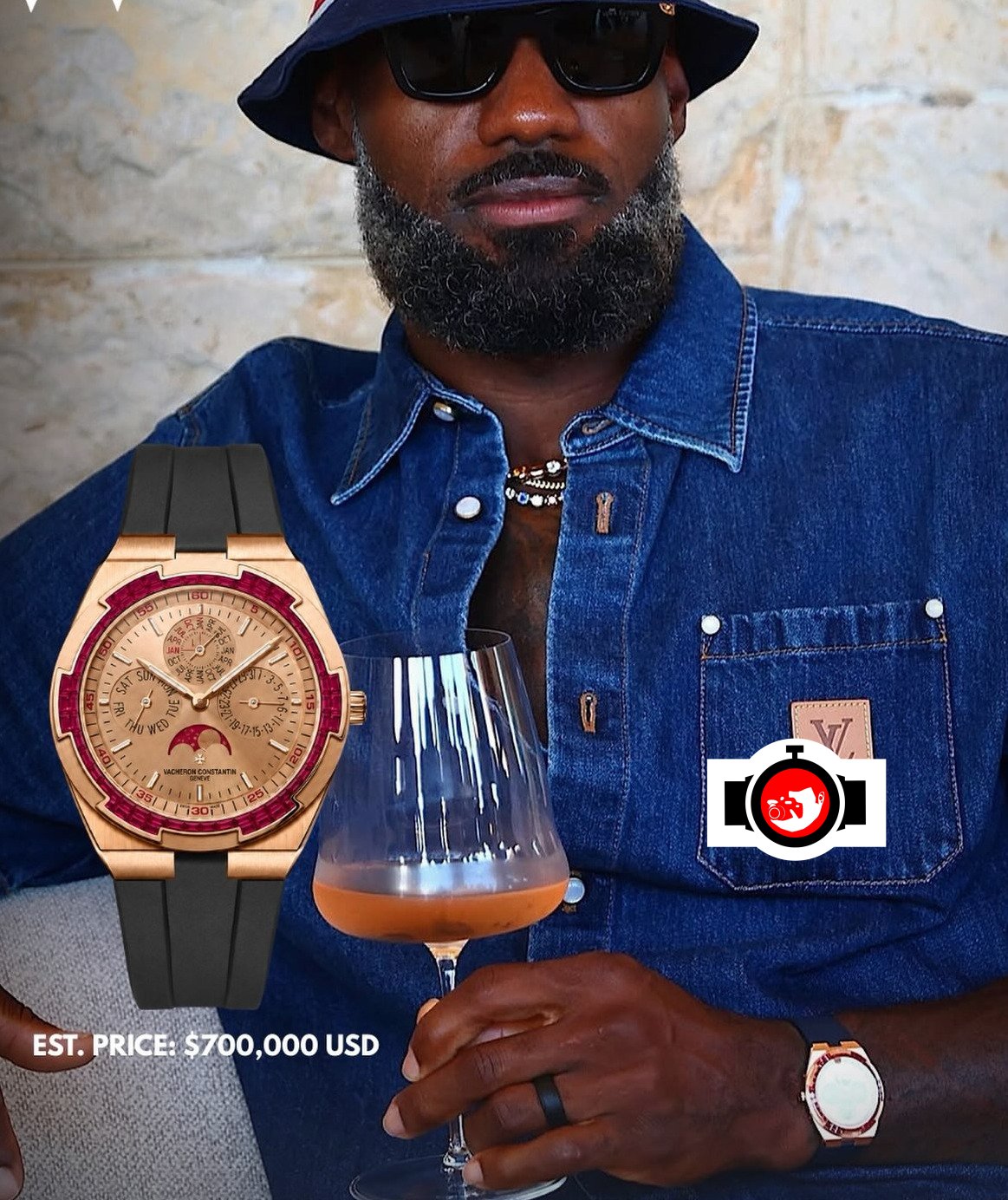
LeBron James wearing Vacheron Constantin
18K Rose Gold Vacheron Constantin Perpetual Calendar with Ruby-Set Baguette Bezel and Rose Dial
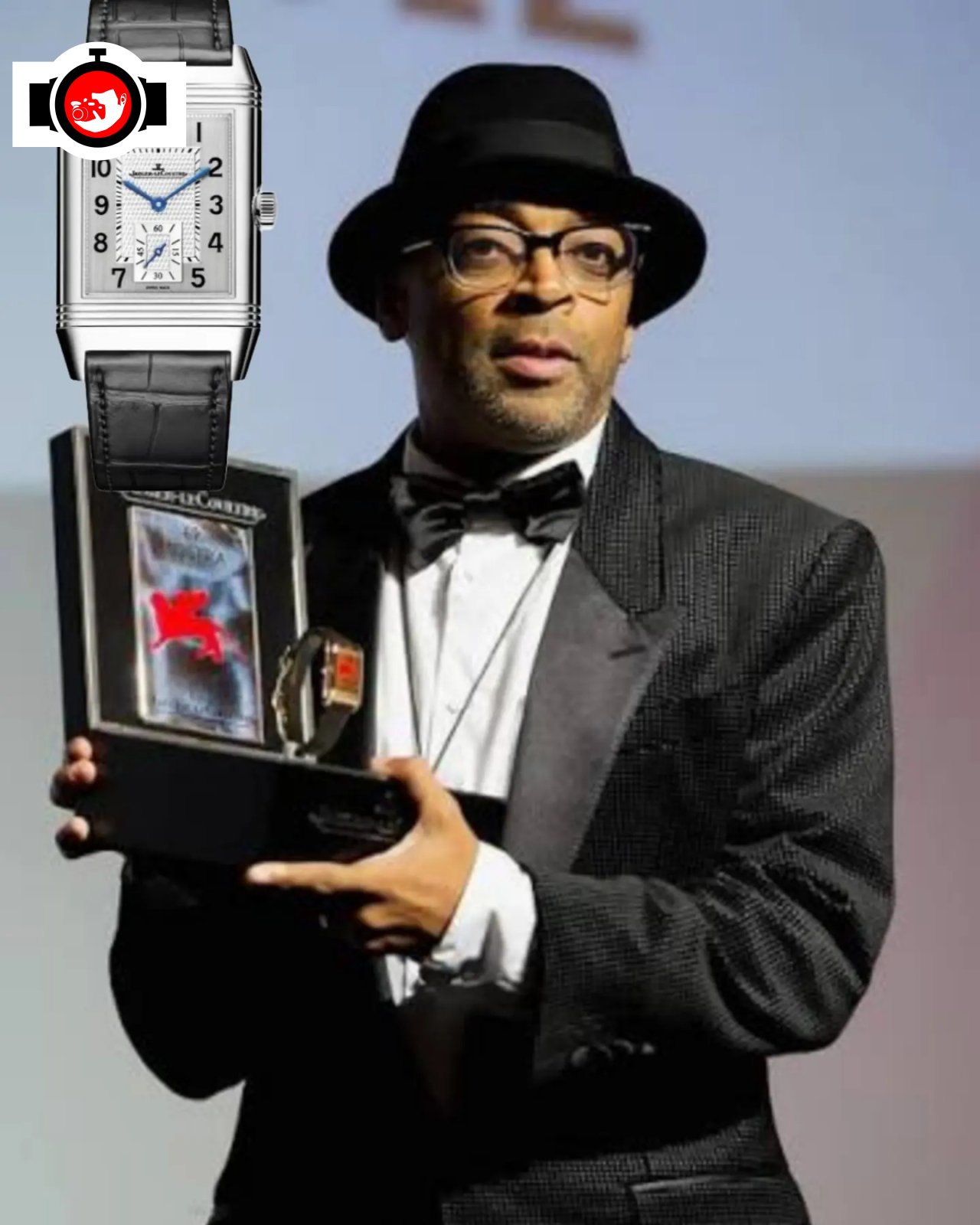
Spike Lee wearing Jaeger LeCoultre
Jaeger-LeCoultre Reverso Custom Presentation Watch — Spike Lee Venice Film Festival Award
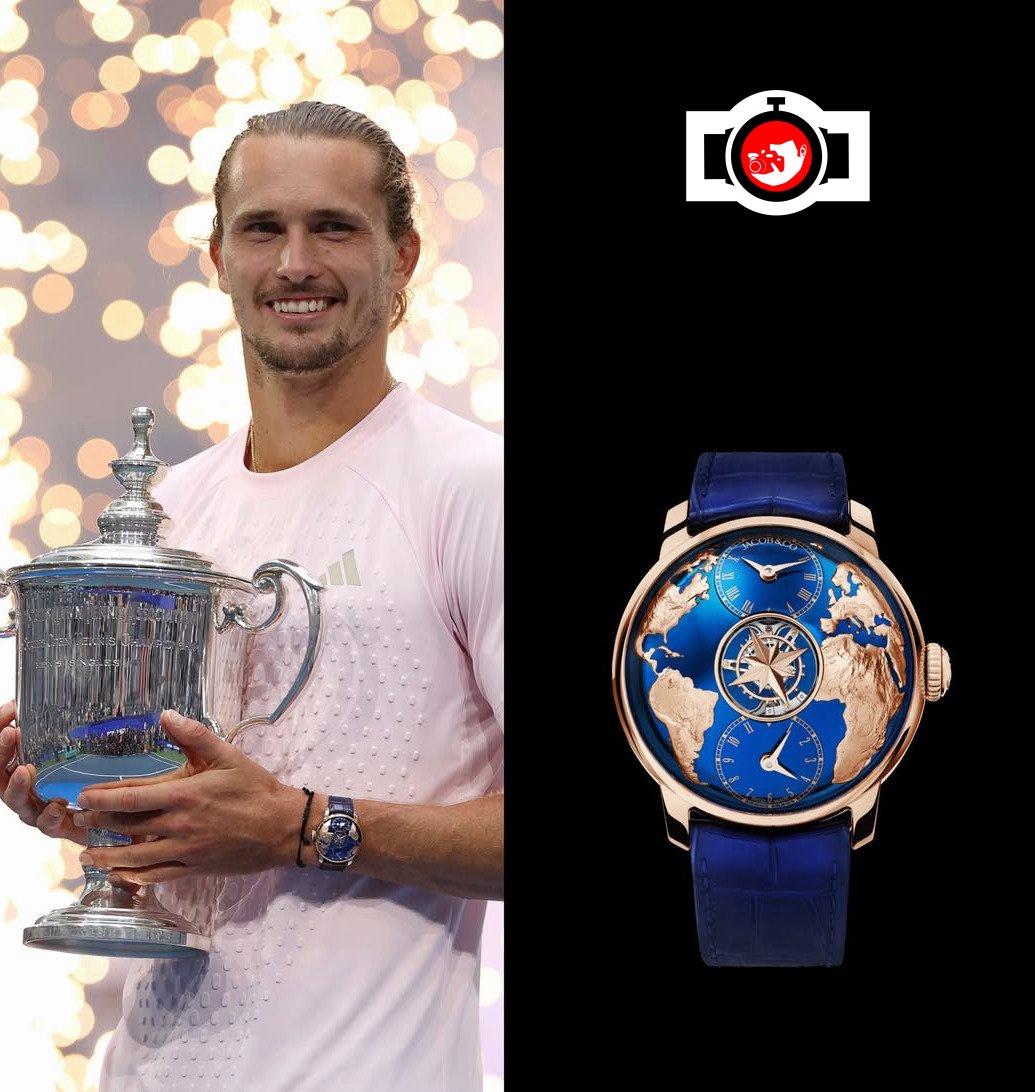
Alexander Zverev wearing Jacob & Co.
Jacob & Co. The World Is Yours Dual Time Zone Tourbillon with World Map Dial and Blue Leather Strap
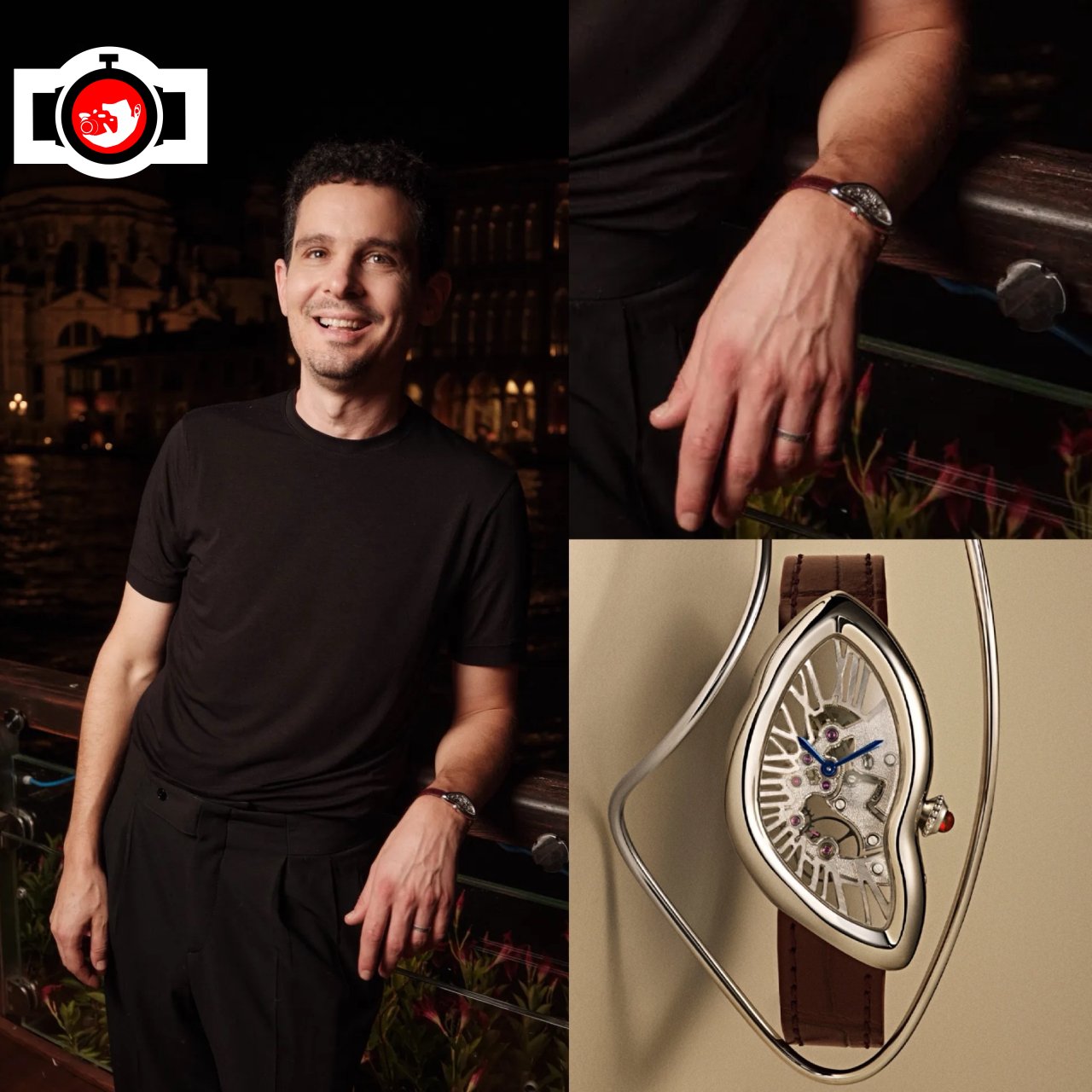
Damien Chazelle wearing Cartier
Platinum Cartier Crash Skeleton with Burgundy Accents and Calibre 1967 MC
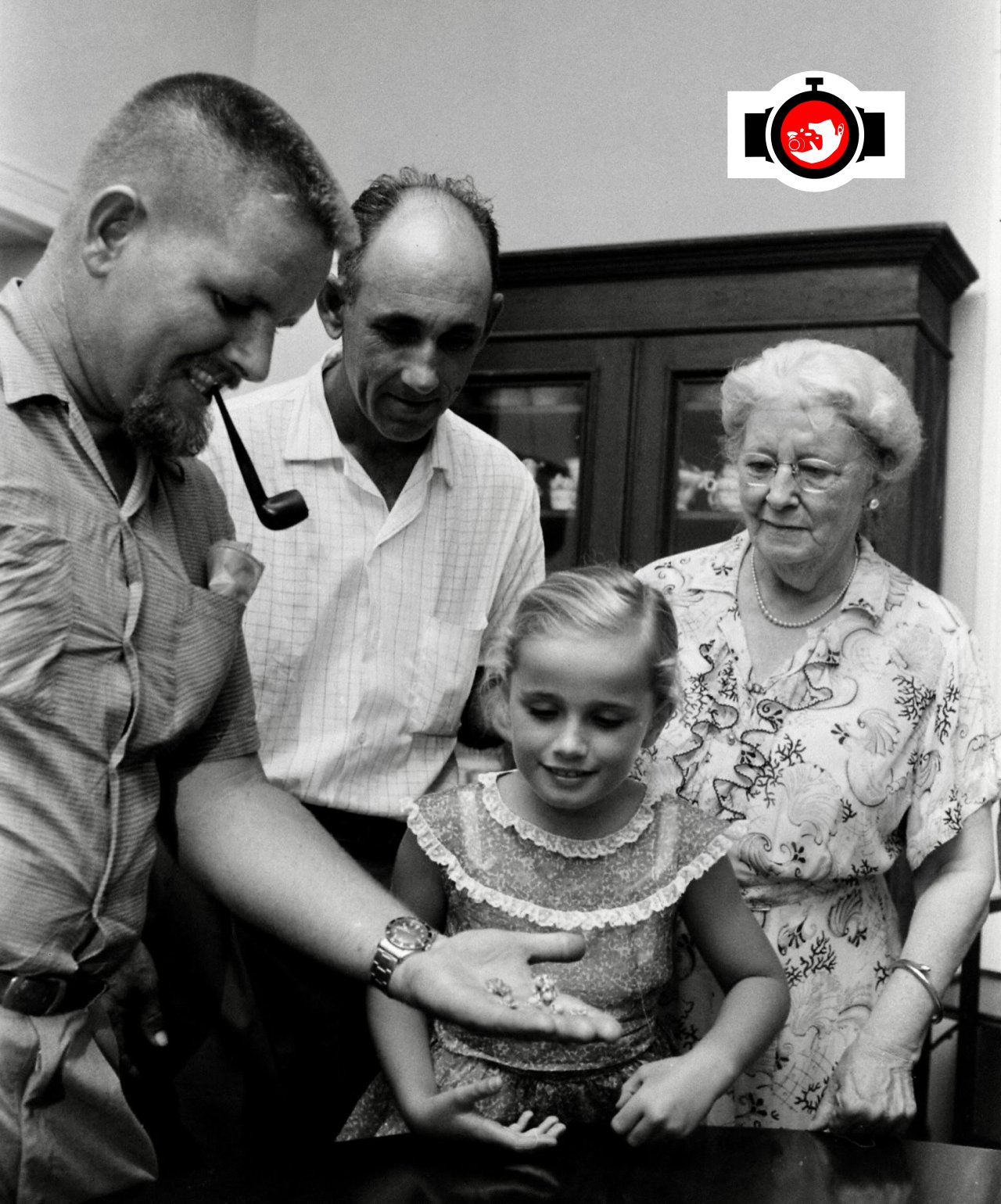
Teddy Tucker wearing Rolex
Rolex Submariner with Inward-Facing Dial – Teddy Tucker's Treasure Hunter's Watch
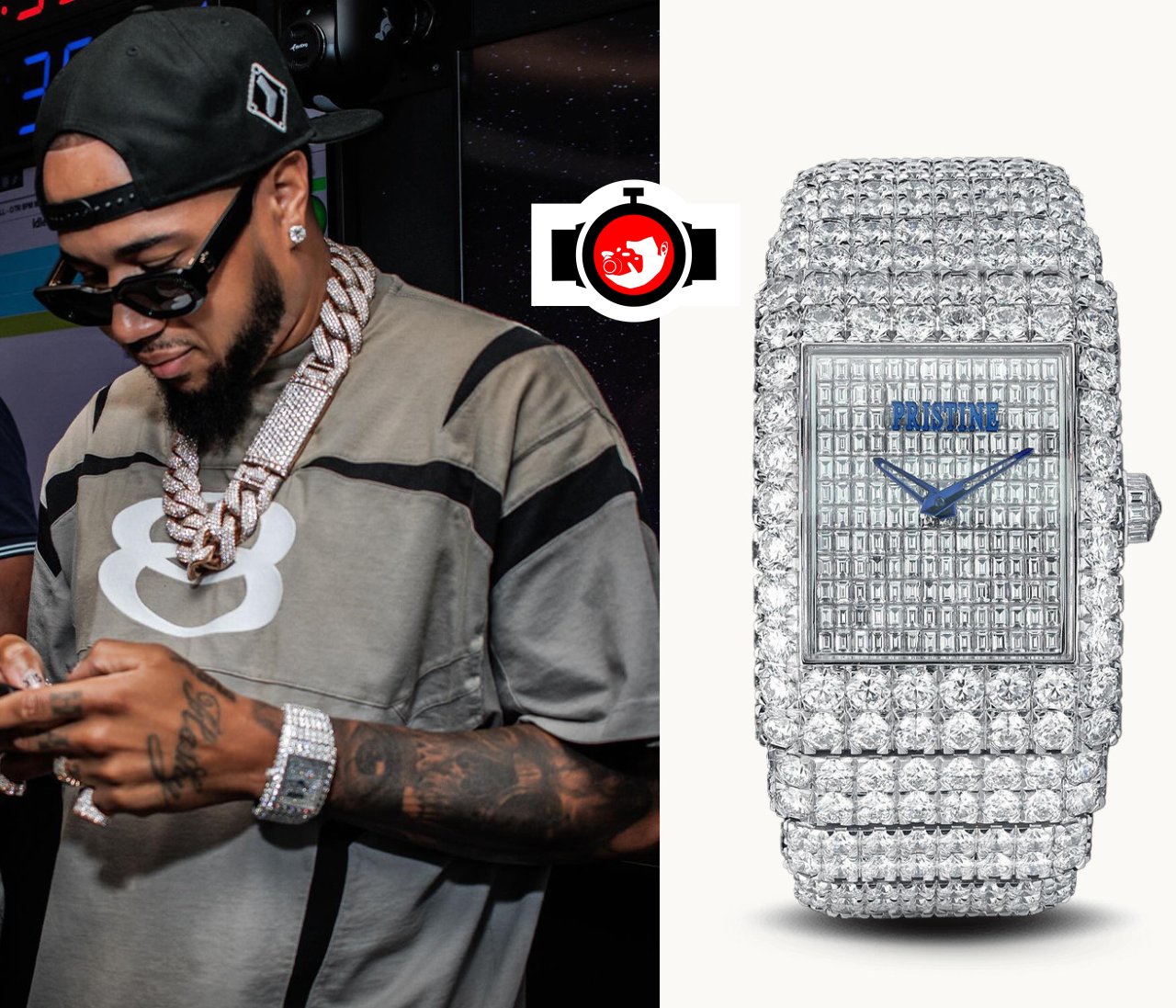
Mazi VS wearing Pristine
18K White Gold Pristine Custom Diamond Watch with Baguette Diamond Dial and 100.75 Carats
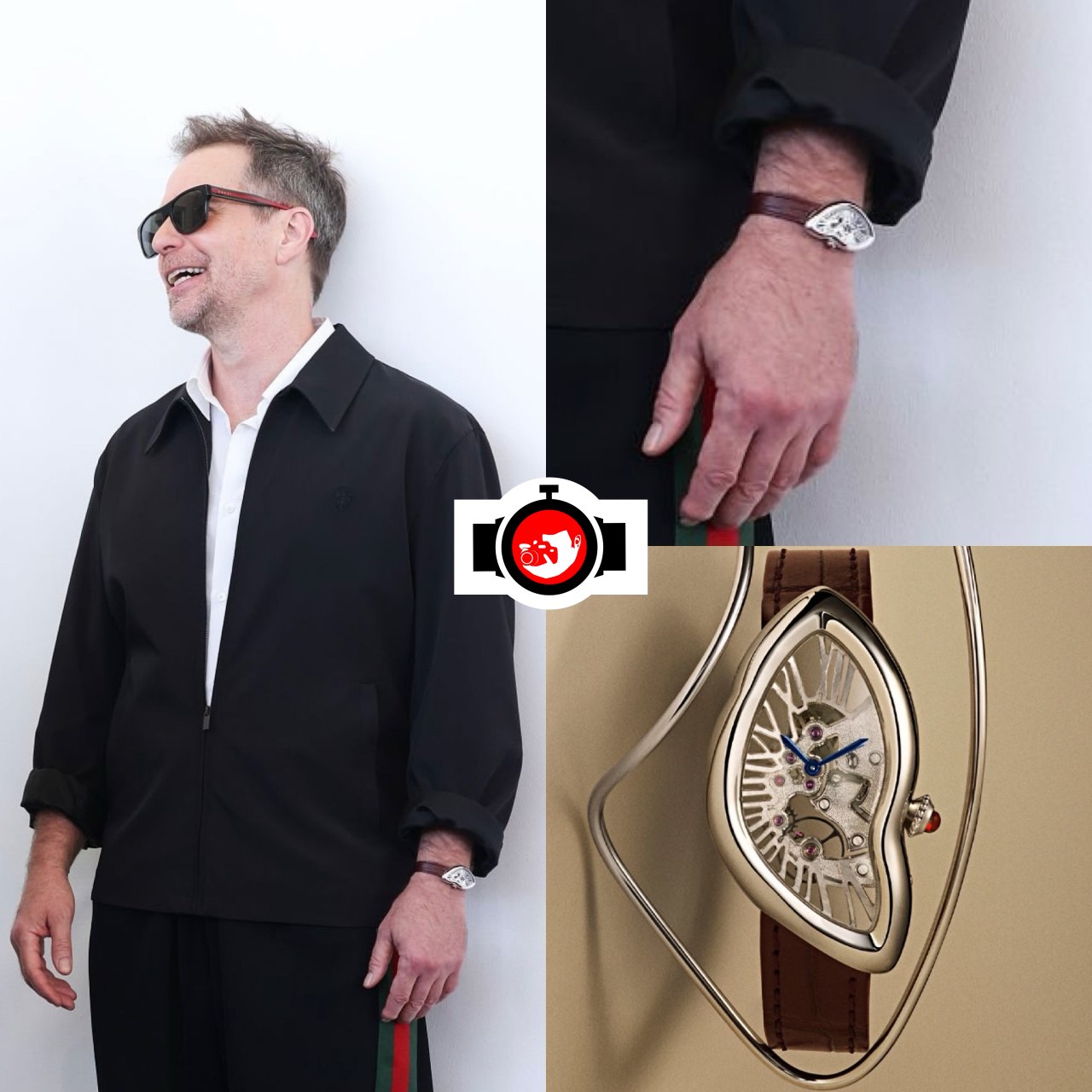
Sam Rockwell wearing Cartier
Platinum Cartier Crash Squelette Skeleton with Burgundy Dial and Calibre 1967 MC
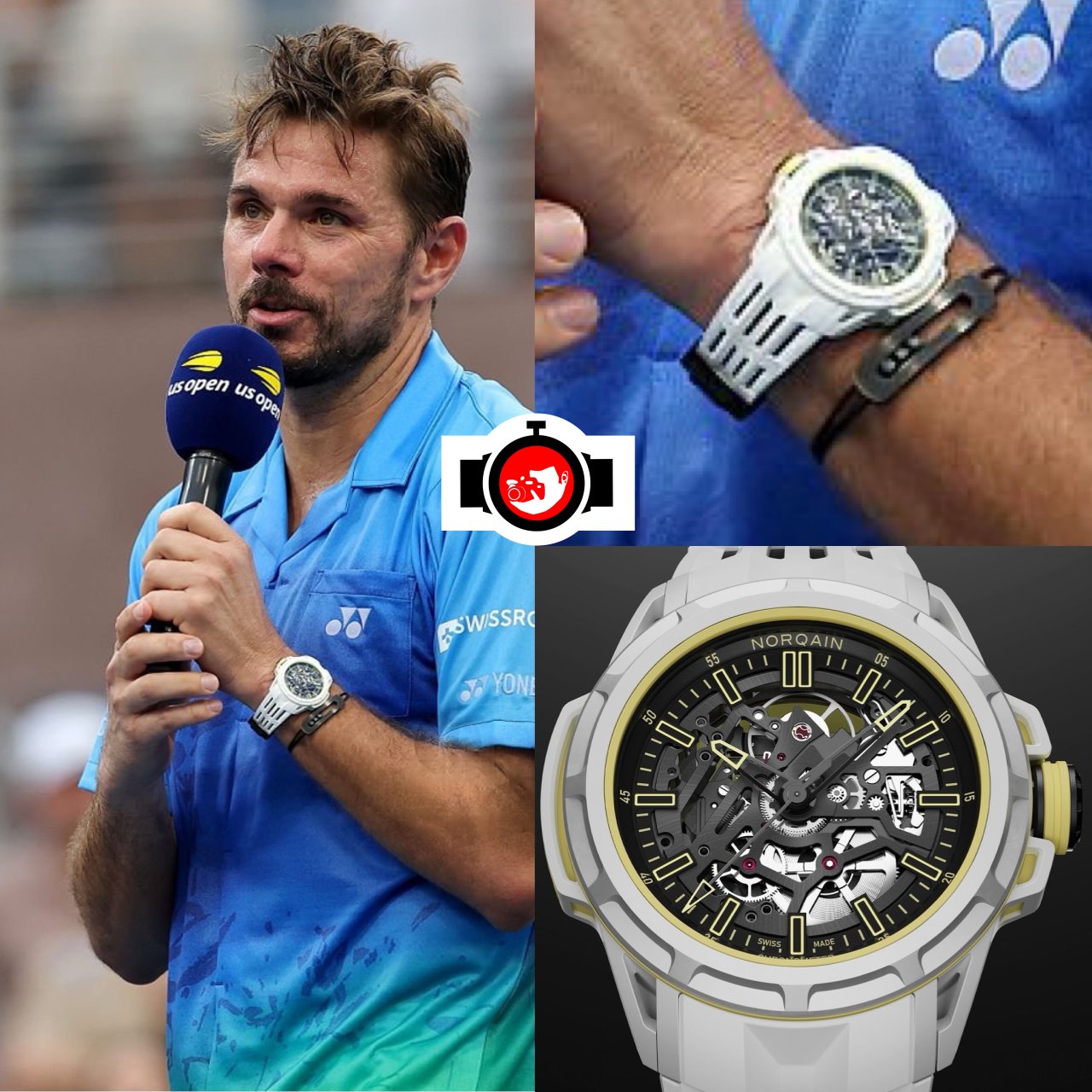
Stan Wawrinka wearing Norqain
Norqain Wild ONE Skeleton X-Lite 'Wimbledon White' Prototype with X-Lite Carbon Fiber Composite Case