
Astronaut David Scott spotted wearing a Bulova
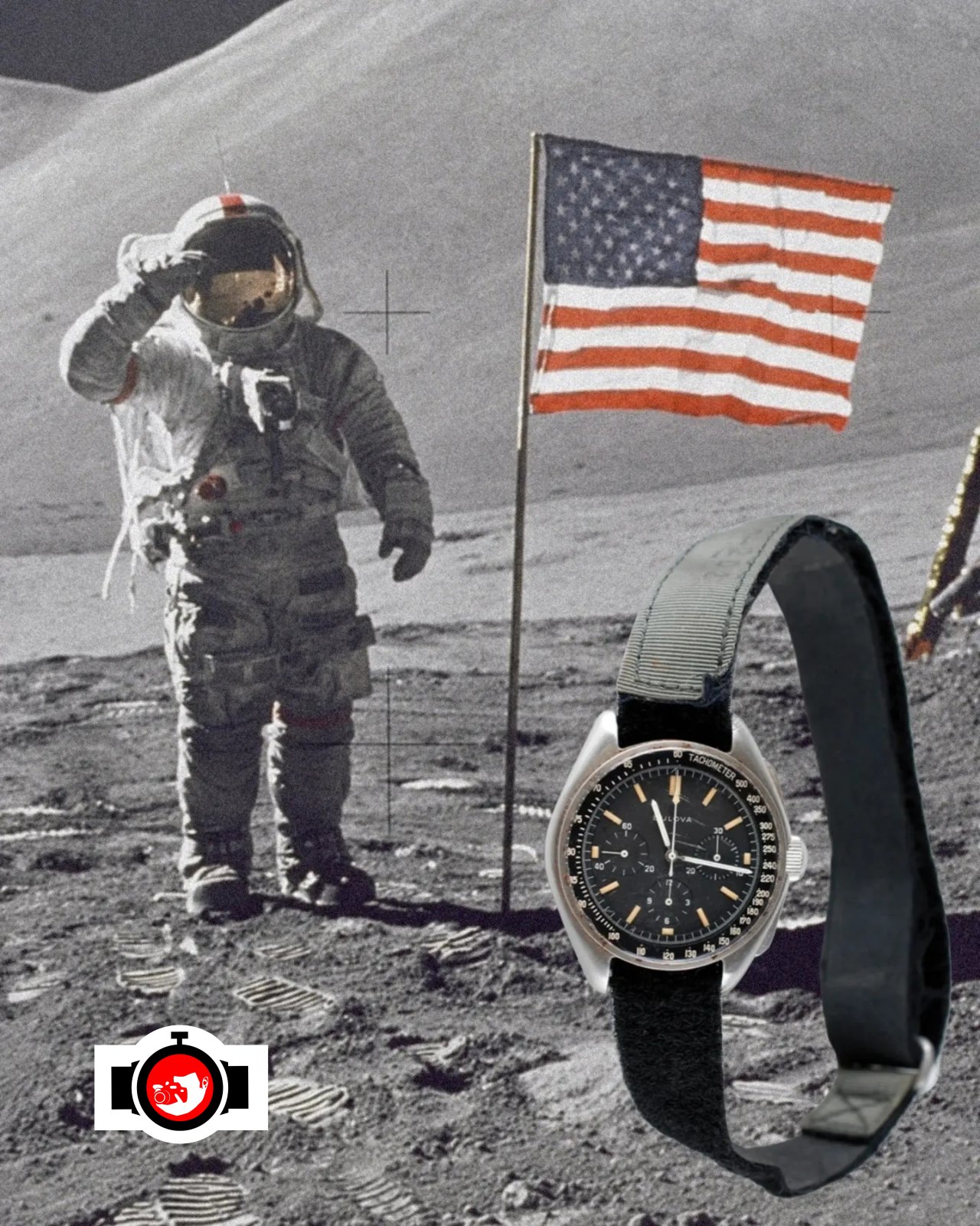
On July 30, 1971, astronaut David Scott stood on the lunar surface during the Apollo 15 mission wearing a personal Bulova chronograph—a decision that would cement this watch's place in space exploration history. When the mission's primary timing equipment malfunctioned, Scott's privately owned Bulova became an essential tool for measuring critical activities during the final moonwalk. The chronograph's presence in the photographs and documentation of that historic lunar excursion transformed it from military-issue timepiece into an artifact of unprecedented significance.
The Bulova UTA-63B is a manual-wind chronograph built around Bulova's 17-jewel calibre with column-wheel construction and horizontal clutch mechanics. The case measures approximately 37mm in stainless steel with a brushed finish typical of 1960s military watches. The dial features a matte black surface with applied indices and printed hour markers in the classic military style, accompanied by three chronograph subdials positioned at 6, 9, and 12 o'clock. A tachymetre scale rings the outer edge, graduated from 0 to 500. The watch carries a water-resistance rating of 50 meters—modest by modern standards but adequate for its original military purpose. Bulova equipped the UTA-63B with a black fabric strap, as shown in the Apollo 15 imagery, though later variants received steel bracelets.
The UTA-63B entered production in the early 1960s as part of Bulova's contracted supply of chronographs to the U.S. military. While many examples remain in collections today, the historical context surrounding Scott's specific watch elevates it beyond comparable examples. The chronograph served as both timekeeper and backup instrumentation during one of humanity's most ambitious expeditions, a dual role that distinguishes it from typical issued military watches.
David Scott's selection of a personal Bulova over official NASA equipment reflects the pragmatic approach of early astronauts to mission-critical tools. Scott, a seasoned pilot and engineer, carried instruments he trusted. His reliance on the Bulova during a mission malfunction demonstrated the watch's reliability under extreme conditions—a validation no advertisement could replicate. The chronograph's presence in the lunar module became a footnote in space history and a defining moment in vintage watch collecting.
When Scott's Bulova UTA-63B came to auction in 2015, it achieved $1.625 million—a price reflecting not the watch's mechanical specifications but the irreplaceable historical narrative attached to it. Few vintage chronographs, regardless of brand or movement quality, command such valuations. The sale cemented the Bulova as a collectible artifact, though replicas and standard UTA-63B examples trade in the secondary market between $3,000 and $12,000 depending on condition and documentation. Scott's watch remains housed in a private collection, inaccessible to the open market but permanently etched into the record of horological significance.
More watches like this

Bugsy Siegel wearing Bulova
Bugsy Siegel's 18K Yellow Gold Bulova Art Deco Tank-Case Wristwatch with Mesh Bracelet – circa 1940s

Ali Siddiq wearing Bulova
Bulova American Clipper Automatic Steel 96C130 – Ali Siddiq

Vasco Rossi wearing Bulova
Bulova Accutron Spaceview Reference 770 – Vintage Tuning Fork Watch Spotted on Vasco Rossi

Paul Newman wearing Bulova
Bulova Accutron Spaceview Stainless Steel Skeleton Dial – Paul Newman Spotted

Juan Mata wearing Bulova
Bulova Accu-Swiss Percheron Treble Manchester United Limited Edition – Juan Mata Sighting

Louis Van Gaal wearing Bulova
Bulova Accu-Swiss Percheron Treble Automatic – Manchester United Limited Edition (Black PVD / Red Accent)

Memphis Depay wearing Bulova
Bulova Accu-Swiss Percheron Treble Manchester United Limited Edition Automatic – Black DLC / Red Accent
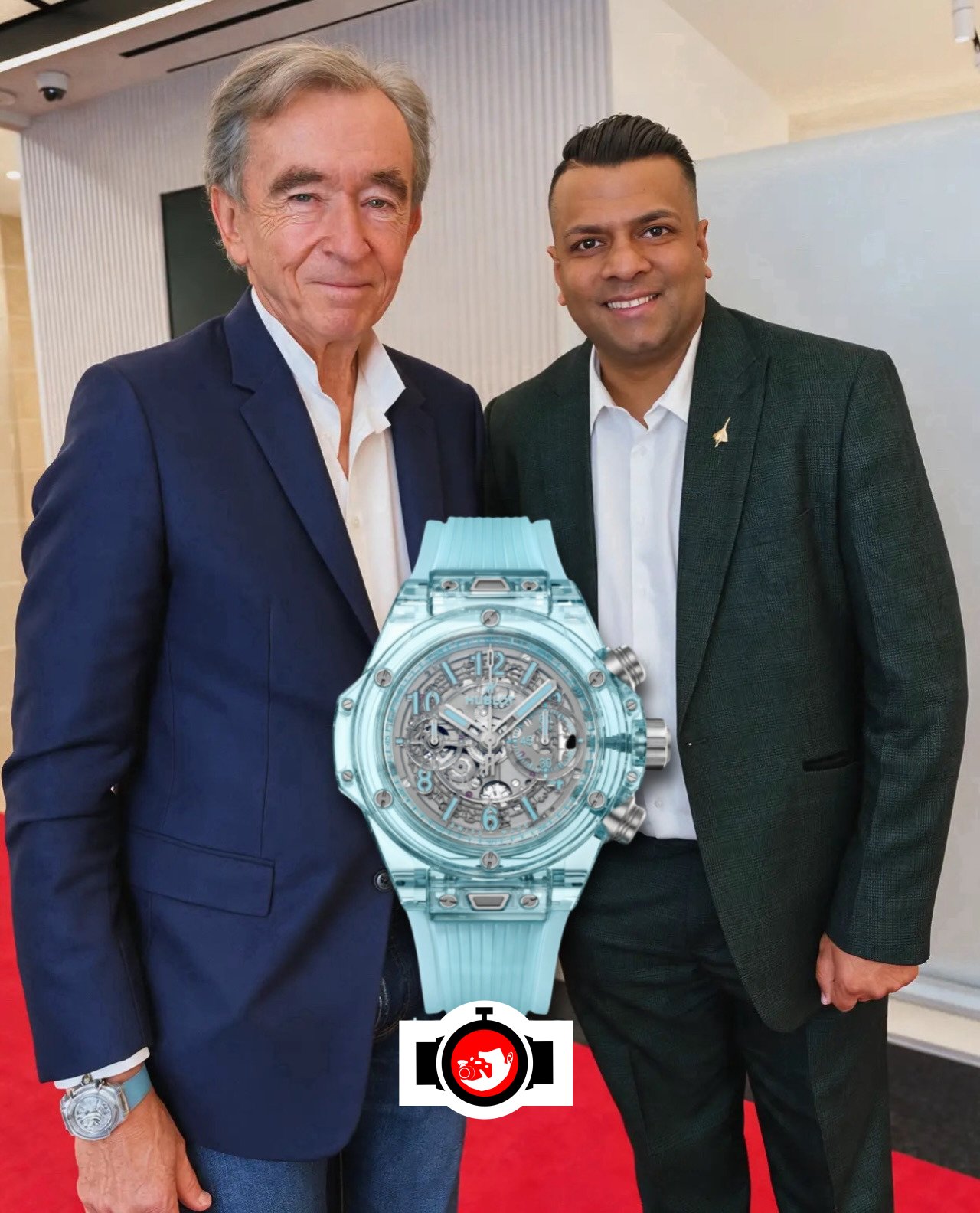
Bernard Arnault wearing Hublot
Hublot Big Bang Unico Blue Sapphire Ref. 421.JL.4890.RT – Limited Edition Transparent Sapphire Chronograph
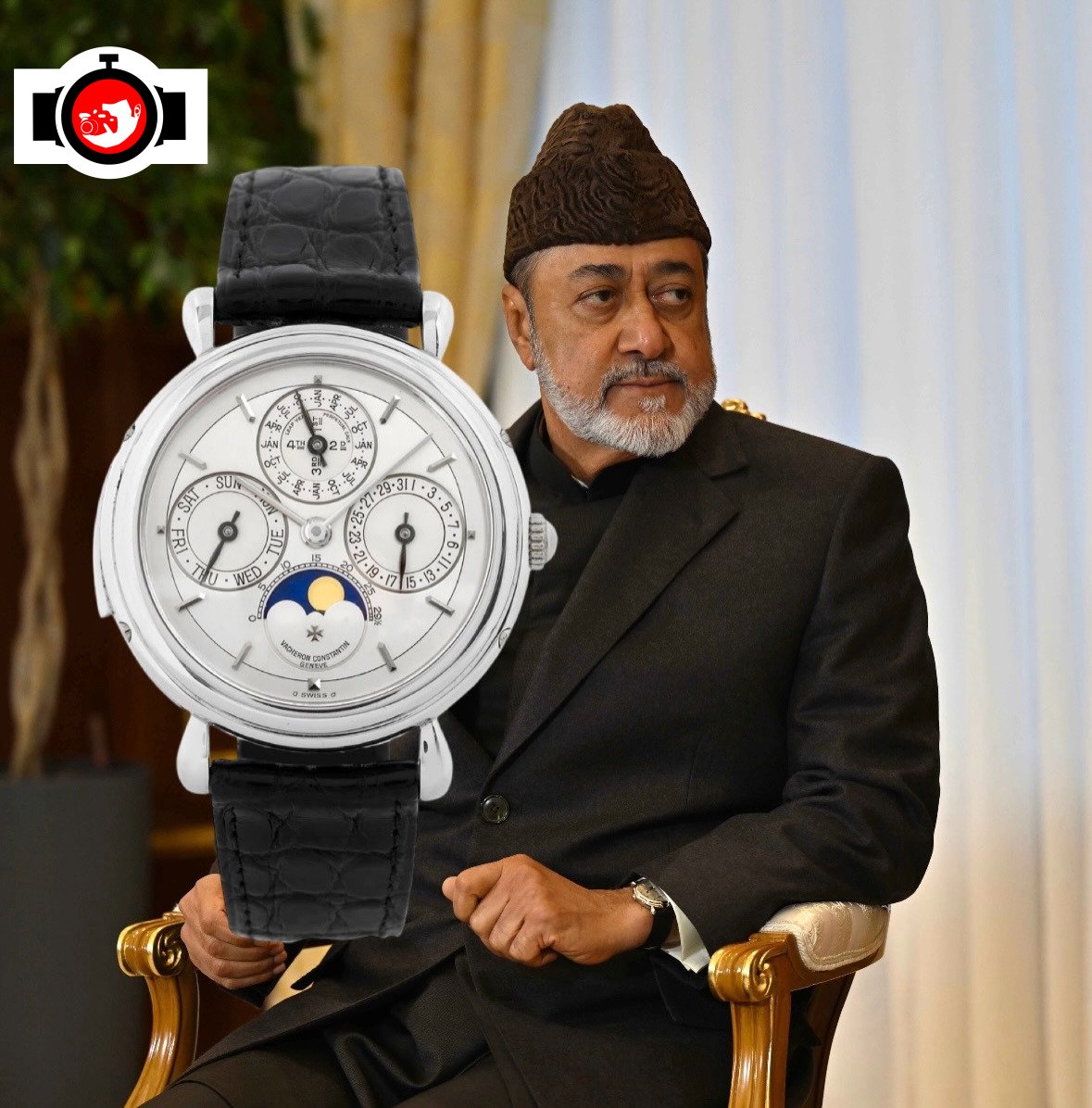
Qaboos bin Said wearing Vacheron Constantin
Platinum Vacheron Constantin Patrimony Perpetual Calendar Minute Repeater Ref. 43175/000P with Annual Calendar and Moonphase
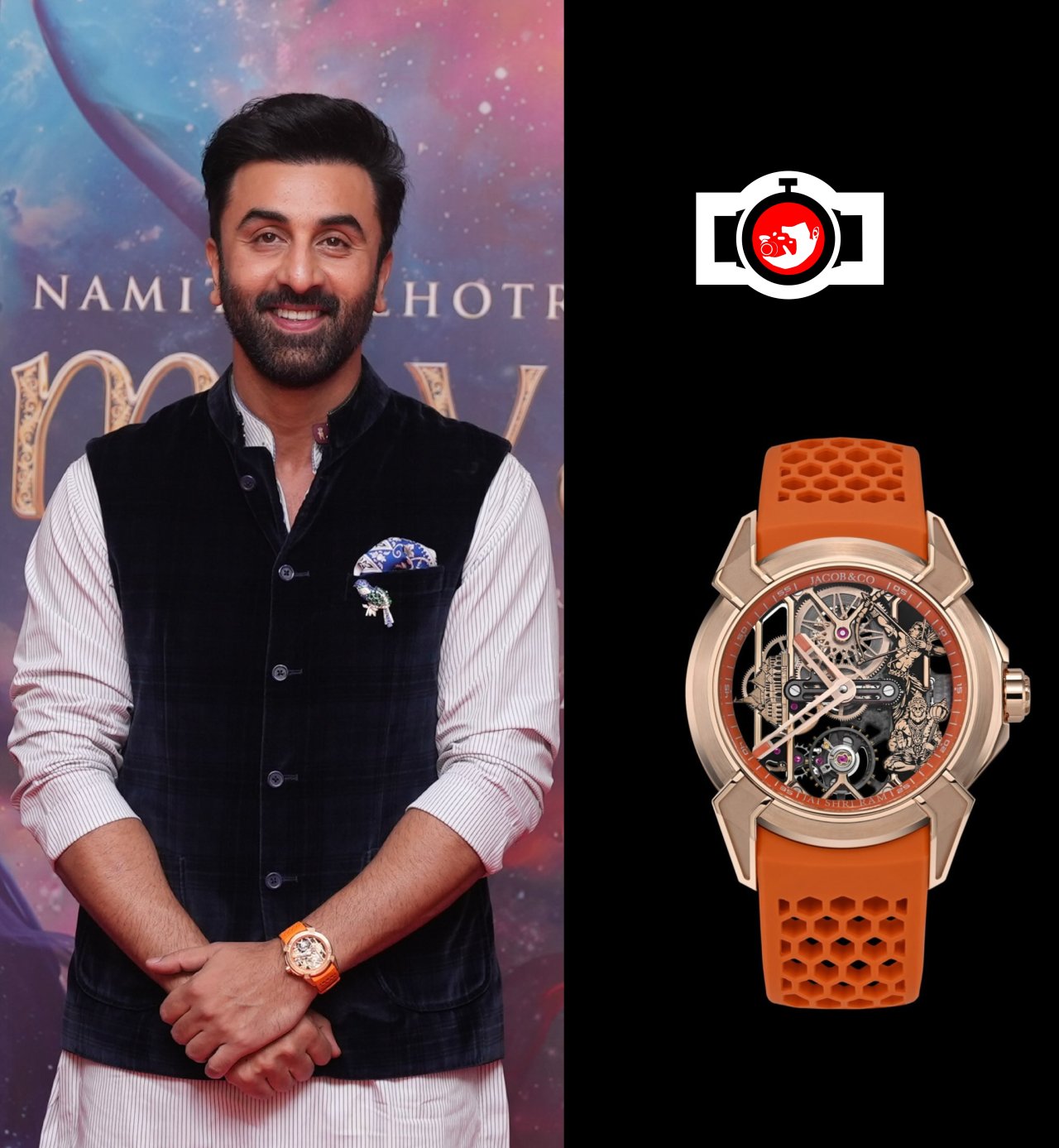
Ranbir Kapoor wearing Jacob & Co.
Jacob & Co. Epic X Ram Janmabhoomi Edition with Skeletonized Dial and Orange Rubber Strap

Ranbir Kapoor wearing Jacob & Co.
Jacob & Co. Epic X Sher-e-Punjab Limited Edition Ref. EX110.20.AT.AA.ABRUA Titanium Skeletonized Watch
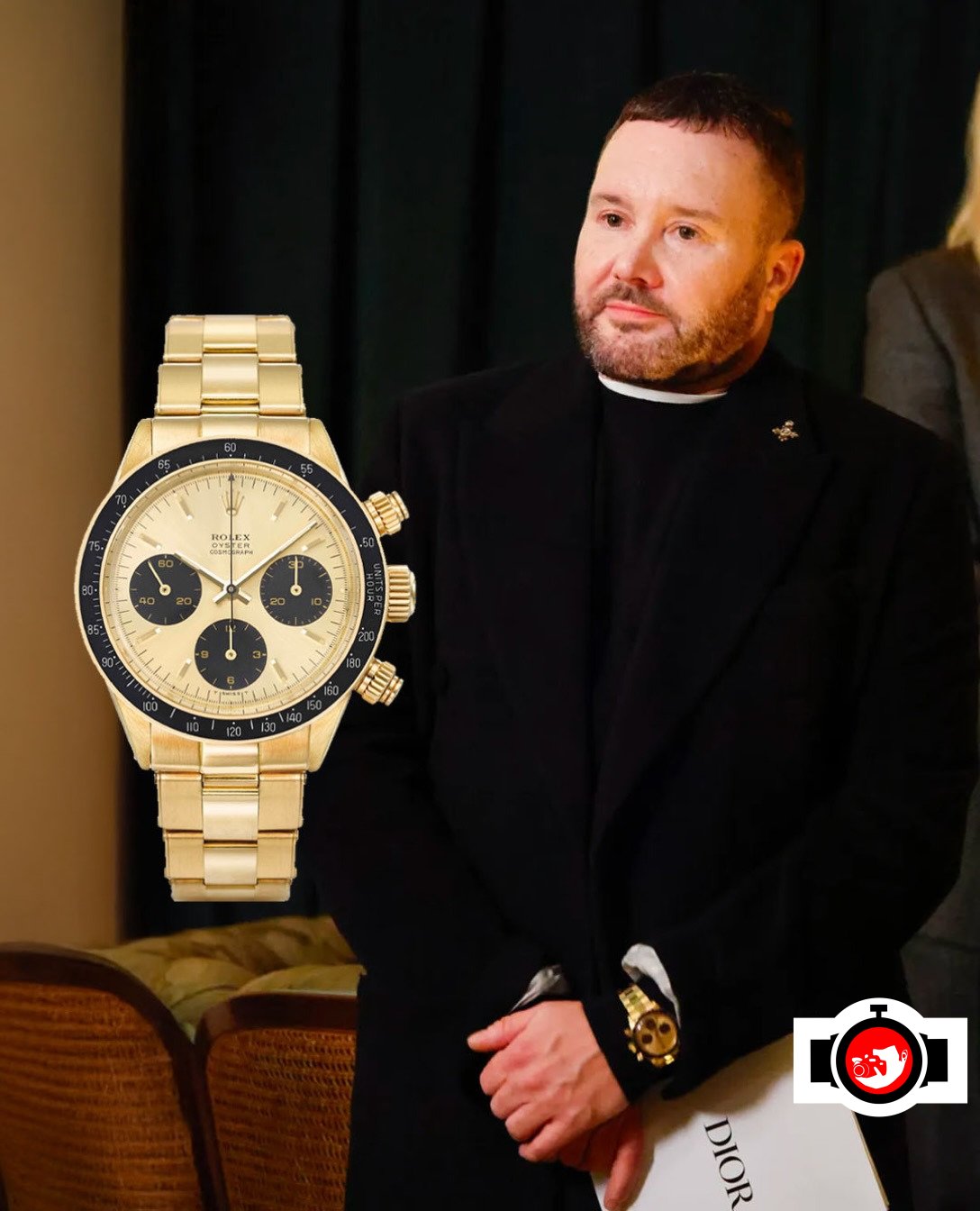
Kim Jones wearing Rolex
Yellow Gold Rolex Daytona Ref. 6263 with Black Acrylic Bezel and Screw-Down Pushers