
Basketball player Cameron Brink spotted wearing a Cartier
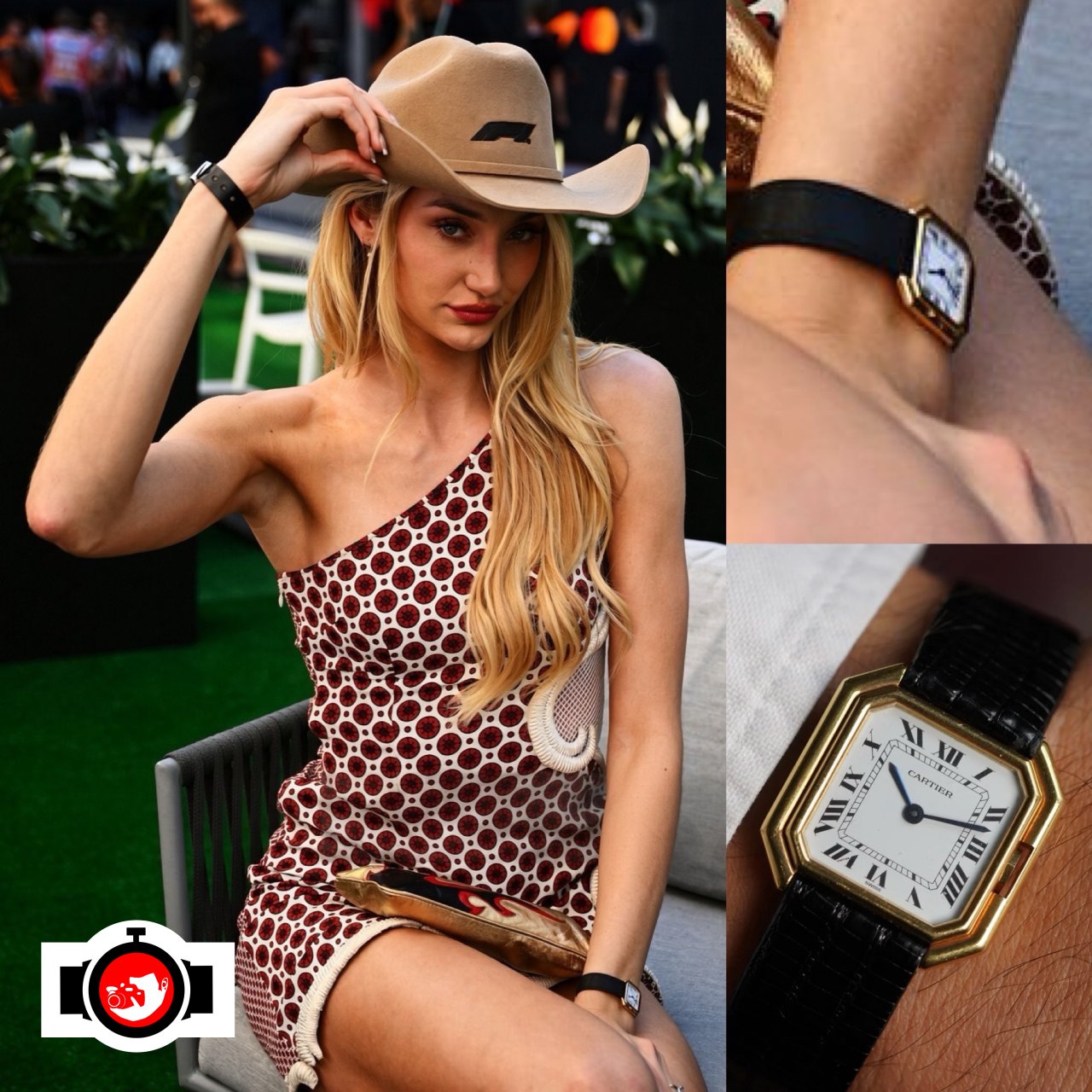
Cameron Brink, guard for the Los Angeles Sparks, made an understated horological statement at the Circuit of the Americas during the F1 United States Grand Prix, selecting a Cartier Ceinture in 18k yellow gold. The timepiece sat elegantly on her wrist against a red and cream geometric print dress, its yellow gold case and black leather strap striking a balance between sporty sophistication and timeless elegance.
The Cartier Ceinture represents a lesser-known but artfully conceived entry in the manufacture's mid-century sports and dress watch portfolio. Originally introduced in 1927, the model derives its name from the French word for "belt," a reference to its distinctive belt-buckle silhouette. Cartier reintroduced the Ceinture in 1973 as part of the 12-model Louis Cartier collection, initially offering 25mm and 27mm case sizes. A larger 31mm iteration followed in 1974. The smaller models typically housed Cartier's handwound calibre 78.1 movement, though some examples received quartz calibres. The case construction features a double-octagonal profile, echoed in the unique crown design—an element Cartier termed "remontoir imperdable" (captive winding crown), positioned between the stepped bezel and the right flank of the case. The dial presents Roman numerals in a clean, legible arrangement, while the black leather strap provides contrast to the warm yellow gold case.
The Ceinture occupies a distinctive niche within Cartier's design hierarchy. Unlike the ubiquitous Tank or Ballon Bleu, the Ceinture remains relatively scarce in the secondary market, making it an astute choice for collectors seeking vintage Cartier without the commonality of more iconic references. The model's geometric case and proportions appeal to those drawn to Art Deco–influenced design and mechanical sophistication. Yellow gold examples command particular attention due to material value and the visual warmth of the metal against dress and sports attire alike.
Brink's selection reflects a growing trend among younger athletes and public figures toward vintage haute horlogerie rather than contemporary luxury sports watches. The Ceinture's refined proportions and understated branding align with this aesthetic shift. The pairing of a classical mechanical timepiece with modern sportswear demonstrates how mid-century Cartier designs translate seamlessly across decades and contexts.
Vintage Cartier Ceinture models in 18k yellow gold typically command prices between $3,500 and $6,500 on the secondary market, depending on condition, movement type, and dial variant. Original yellow gold examples with documented service history remain steady performers in the vintage watch market, supported by steady collector interest in Cartier's mechanical heritage and the model's rarity relative to production volumes.
More watches like this
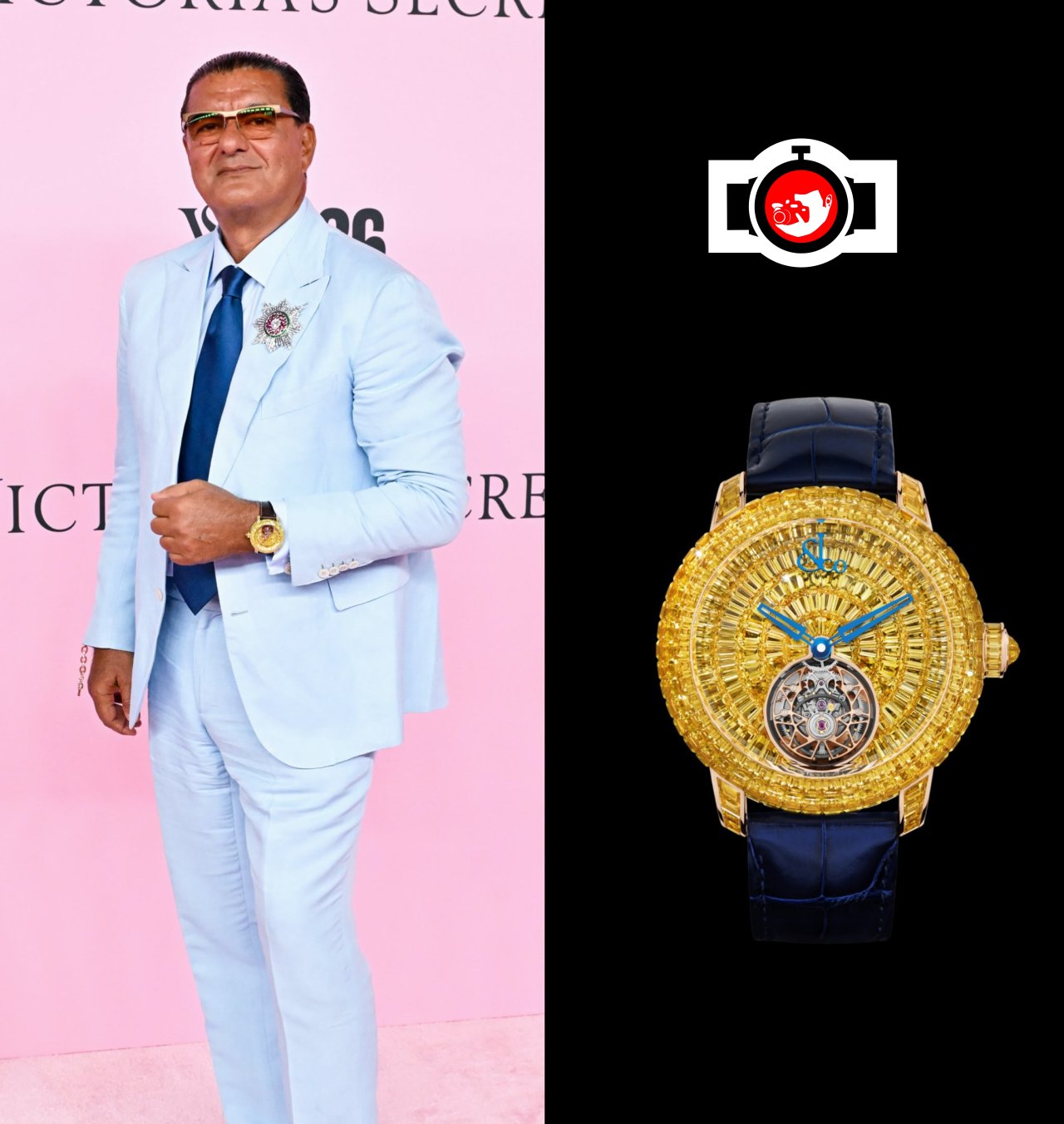
Jacob Arabo wearing Jacob & Co.
18K Rose Gold Jacob & Co. Caviar Tourbillon with Yellow Sapphires and Flying Tourbillon
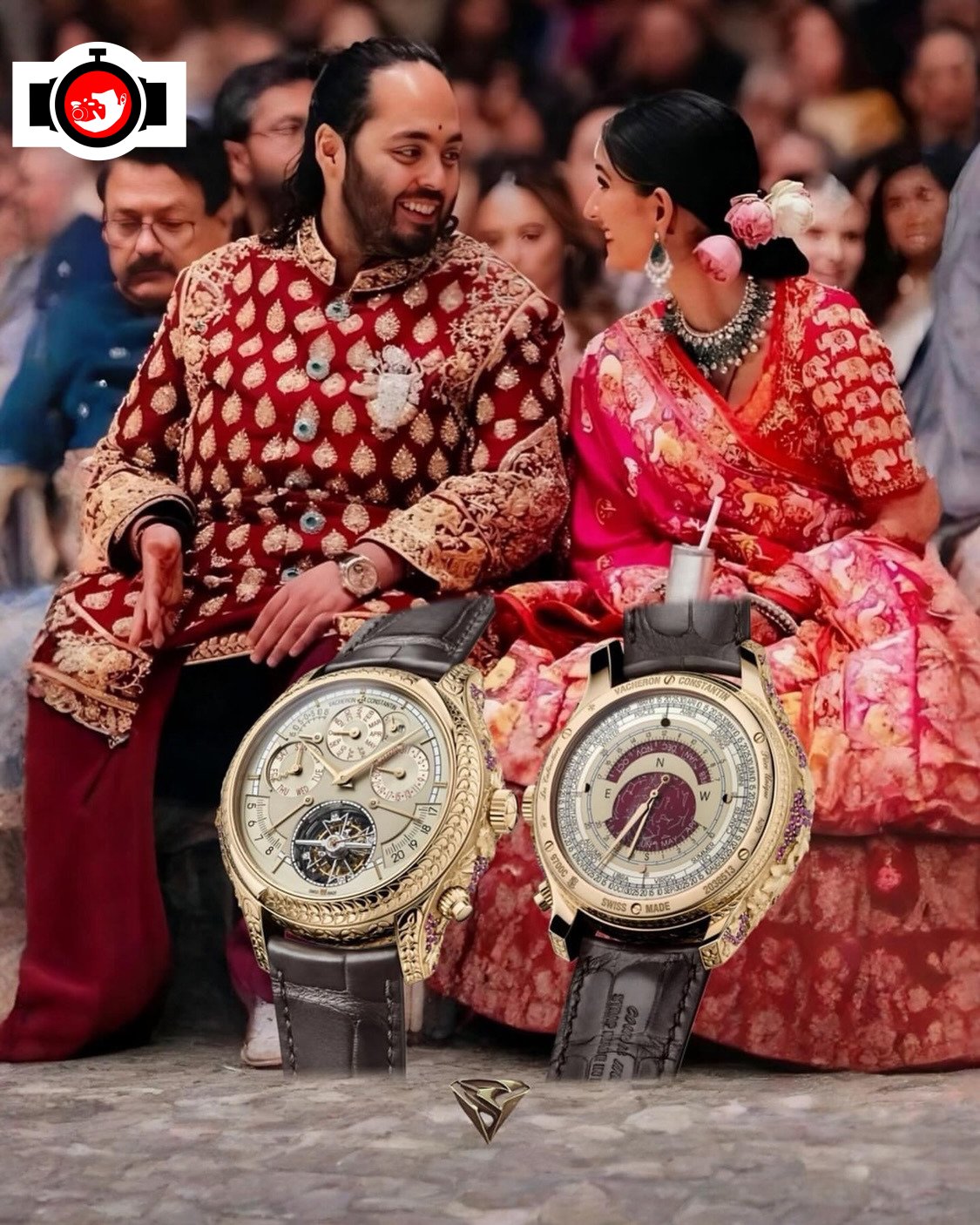
Anant Ambani wearing Vacheron Constantin
18K 5N Gold Vacheron Constantin Les Cabinotiers Grande Complication Bacchus Double-Sided Wristwatch with 16 Complications, Minute Repeater, and Tourbillon
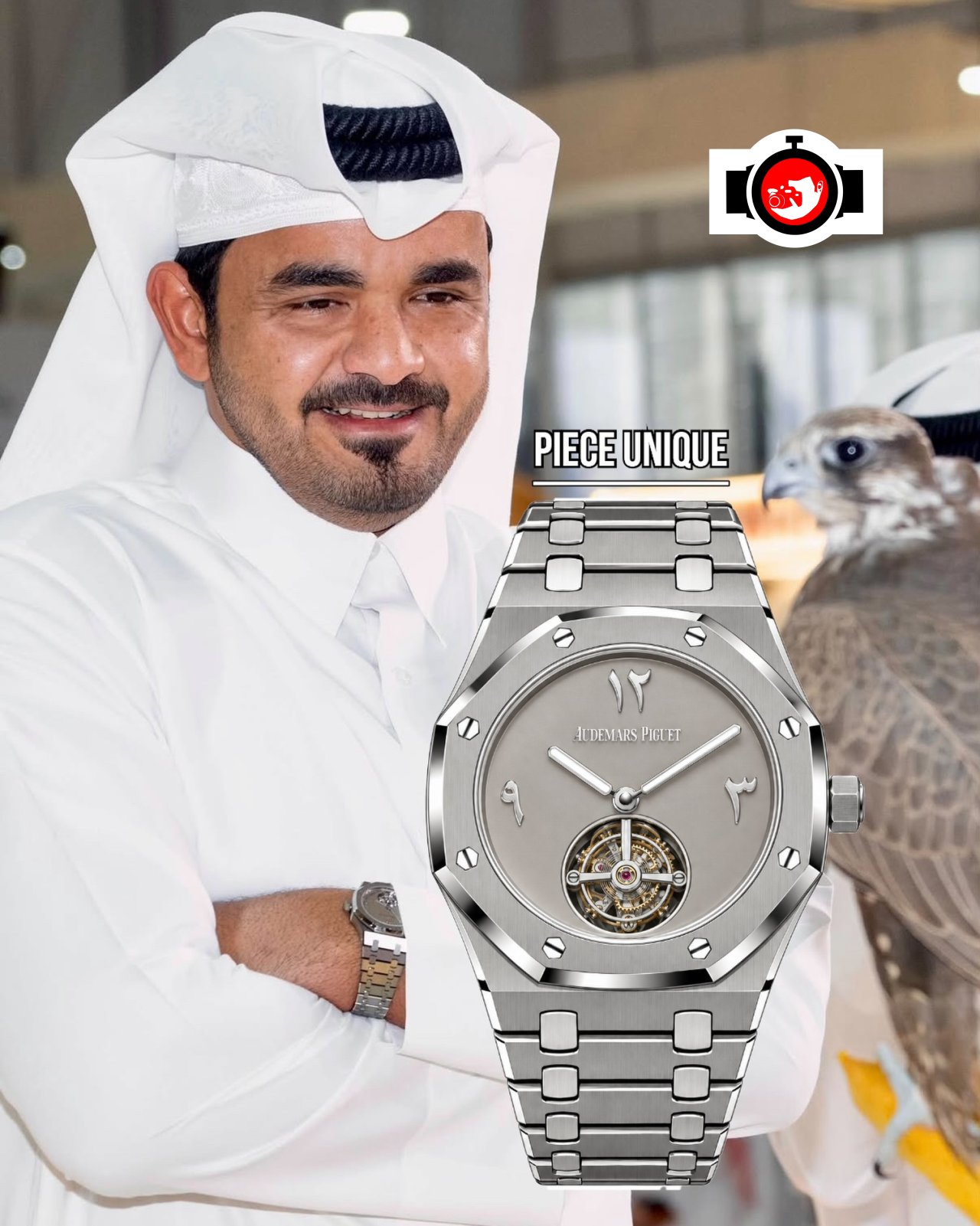
Crown Prince of Qatar wearing Audemars Piguet
Titanium Audemars Piguet Royal Oak Tourbillon with Arabic Numerals and Grey Dial
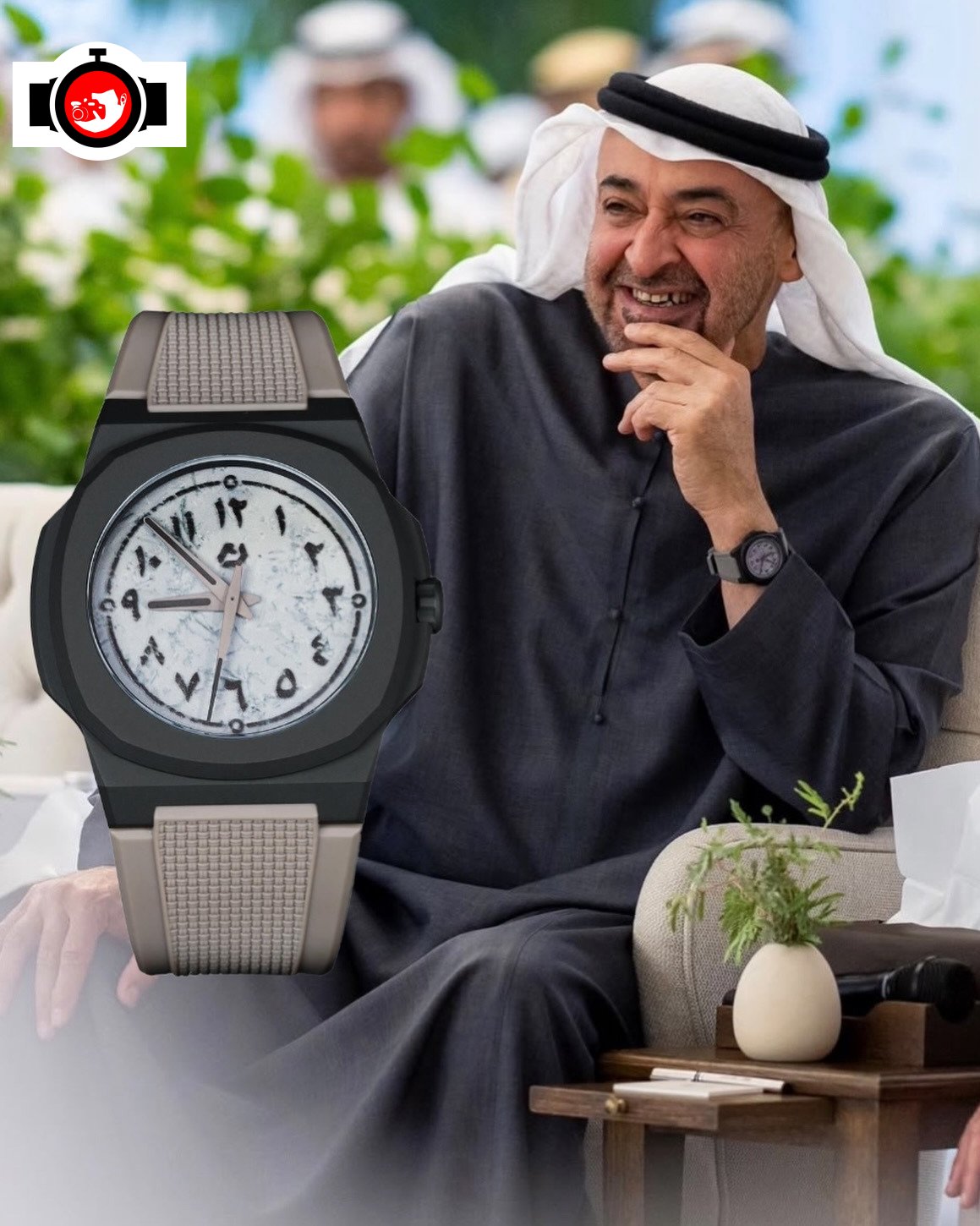
Sheikh Mohamed bin Zayed Al Nahyan wearing Nuncier
Nuncier Carbon Tech Special Edition Watch with Eastern Arabic Numerals and Monochromatic Dial
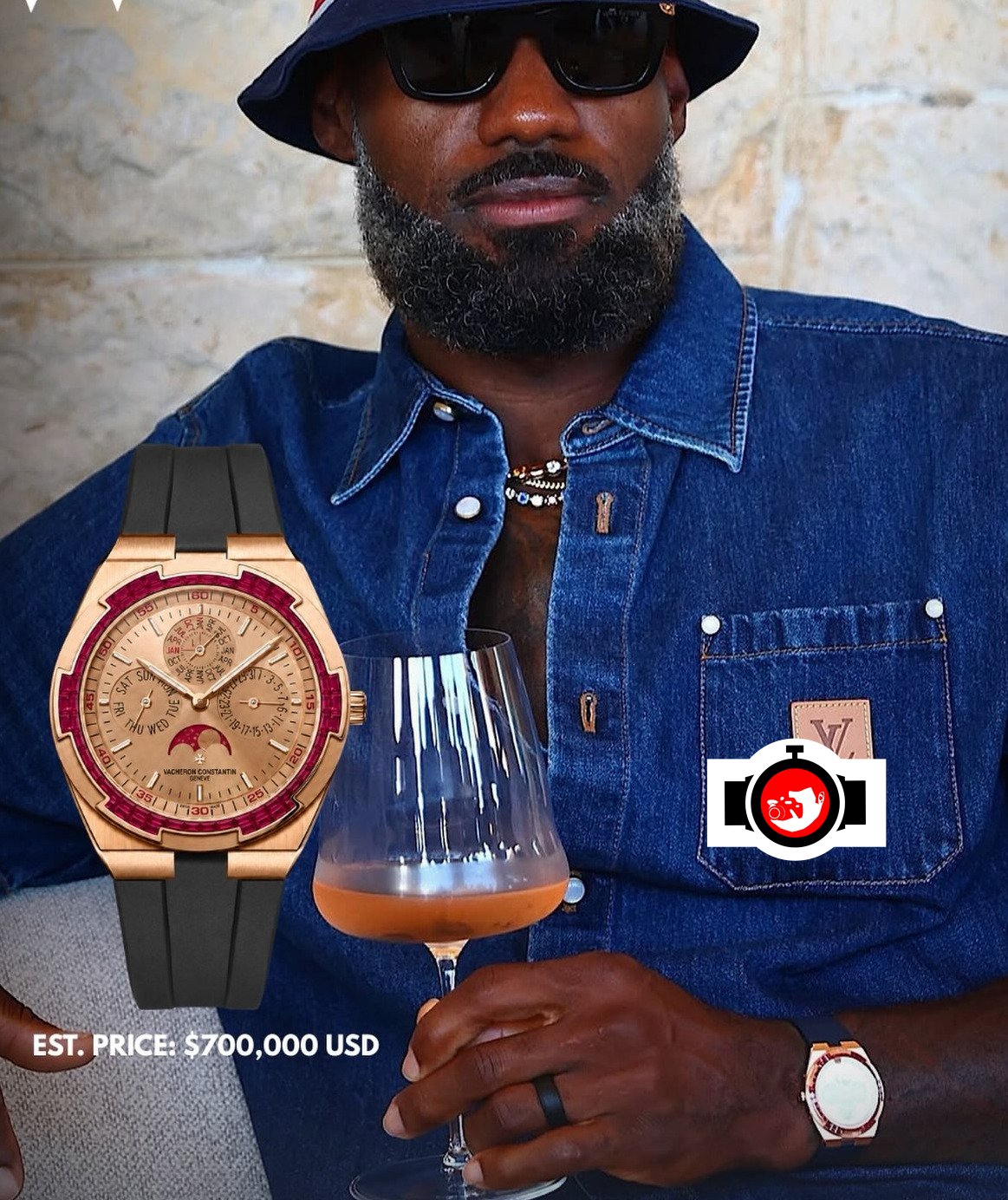
LeBron James wearing Vacheron Constantin
18K Rose Gold Vacheron Constantin Perpetual Calendar with Ruby-Set Baguette Bezel and Rose Dial
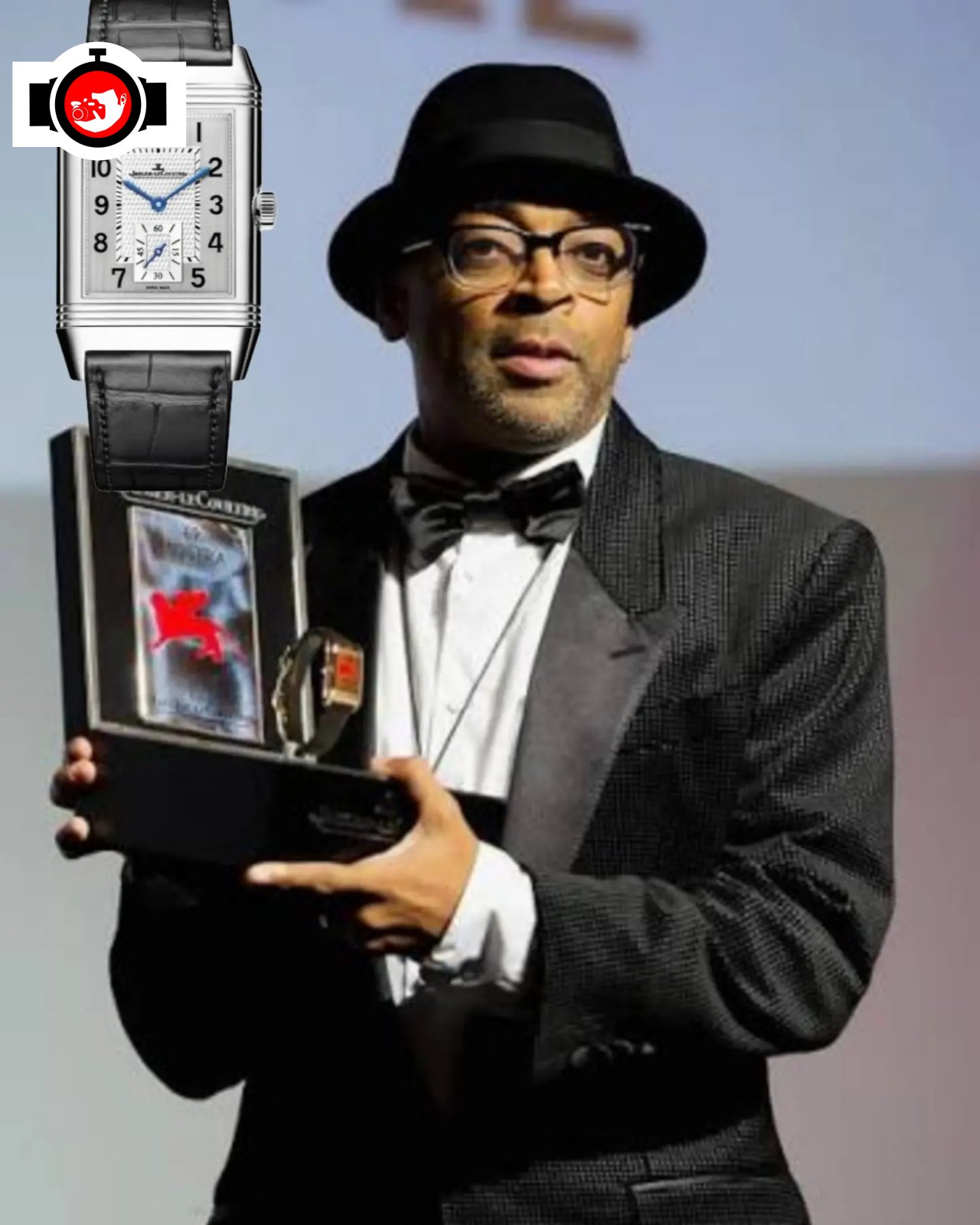
Spike Lee wearing Jaeger LeCoultre
Jaeger-LeCoultre Reverso Custom Presentation Watch — Spike Lee Venice Film Festival Award
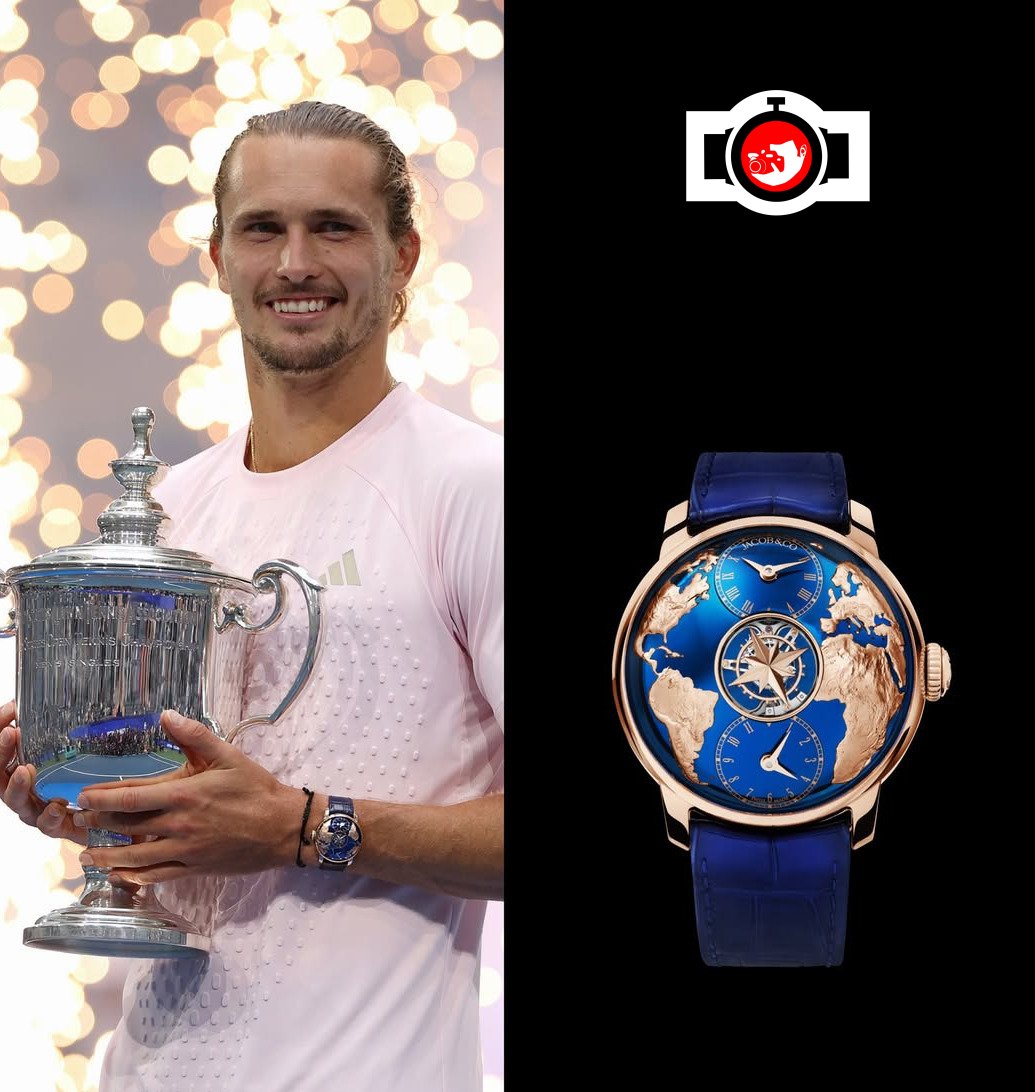
Alexander Zverev wearing Jacob & Co.
Jacob & Co. The World Is Yours Dual Time Zone Tourbillon with World Map Dial and Blue Leather Strap
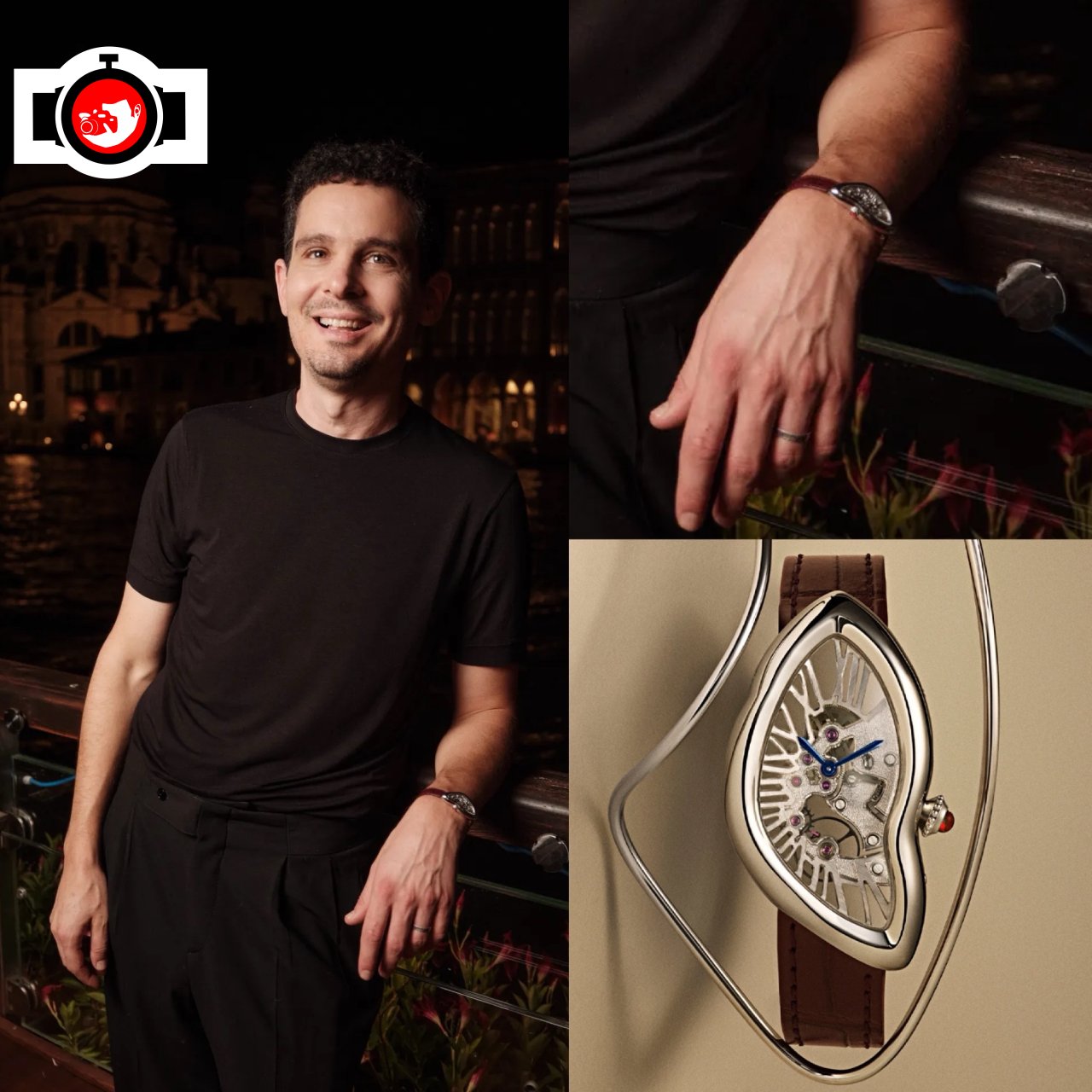
Damien Chazelle wearing Cartier
Platinum Cartier Crash Skeleton with Burgundy Accents and Calibre 1967 MC
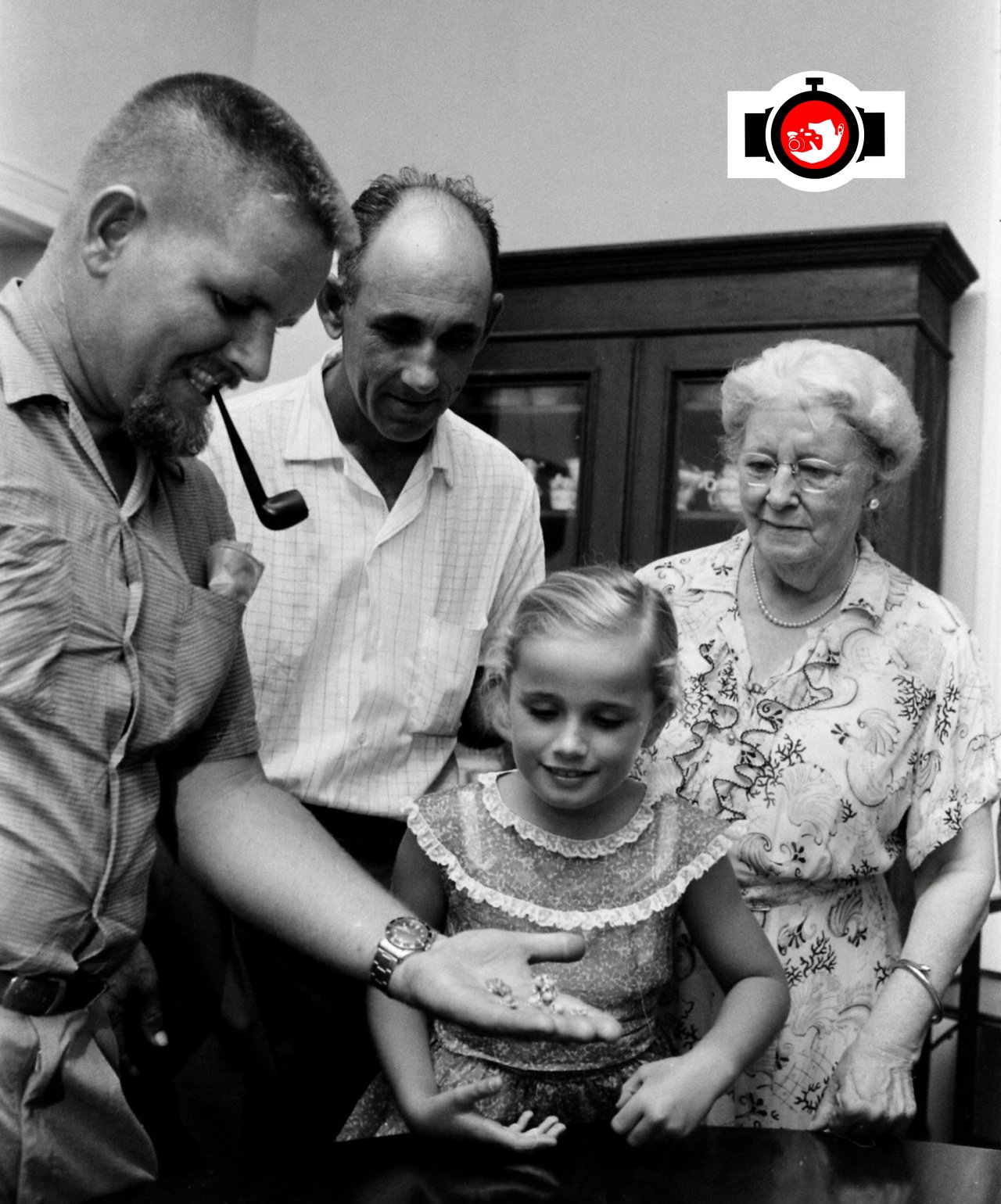
Teddy Tucker wearing Rolex
Rolex Submariner with Inward-Facing Dial – Teddy Tucker's Treasure Hunter's Watch
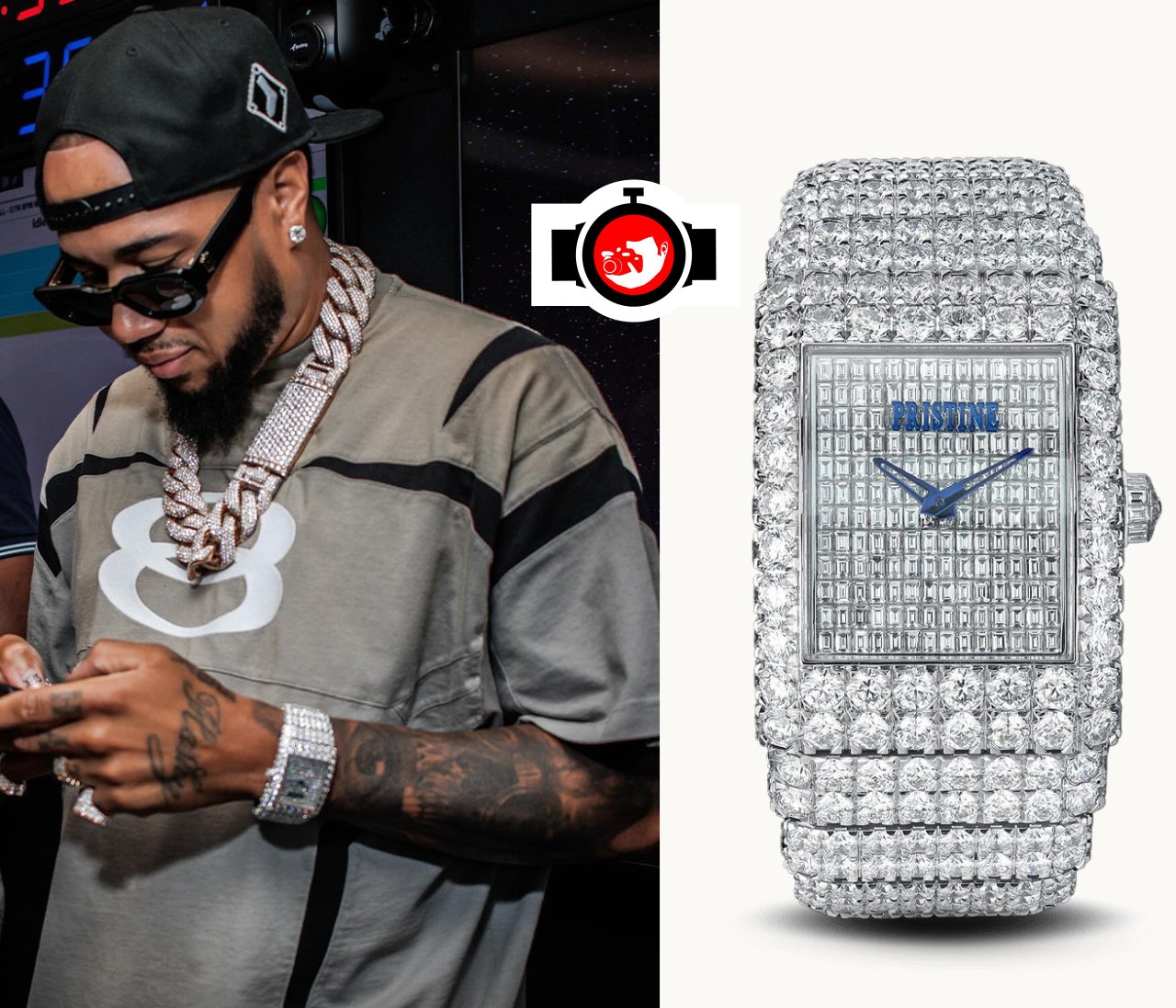
Mazi VS wearing Pristine
18K White Gold Pristine Custom Diamond Watch with Baguette Diamond Dial and 100.75 Carats
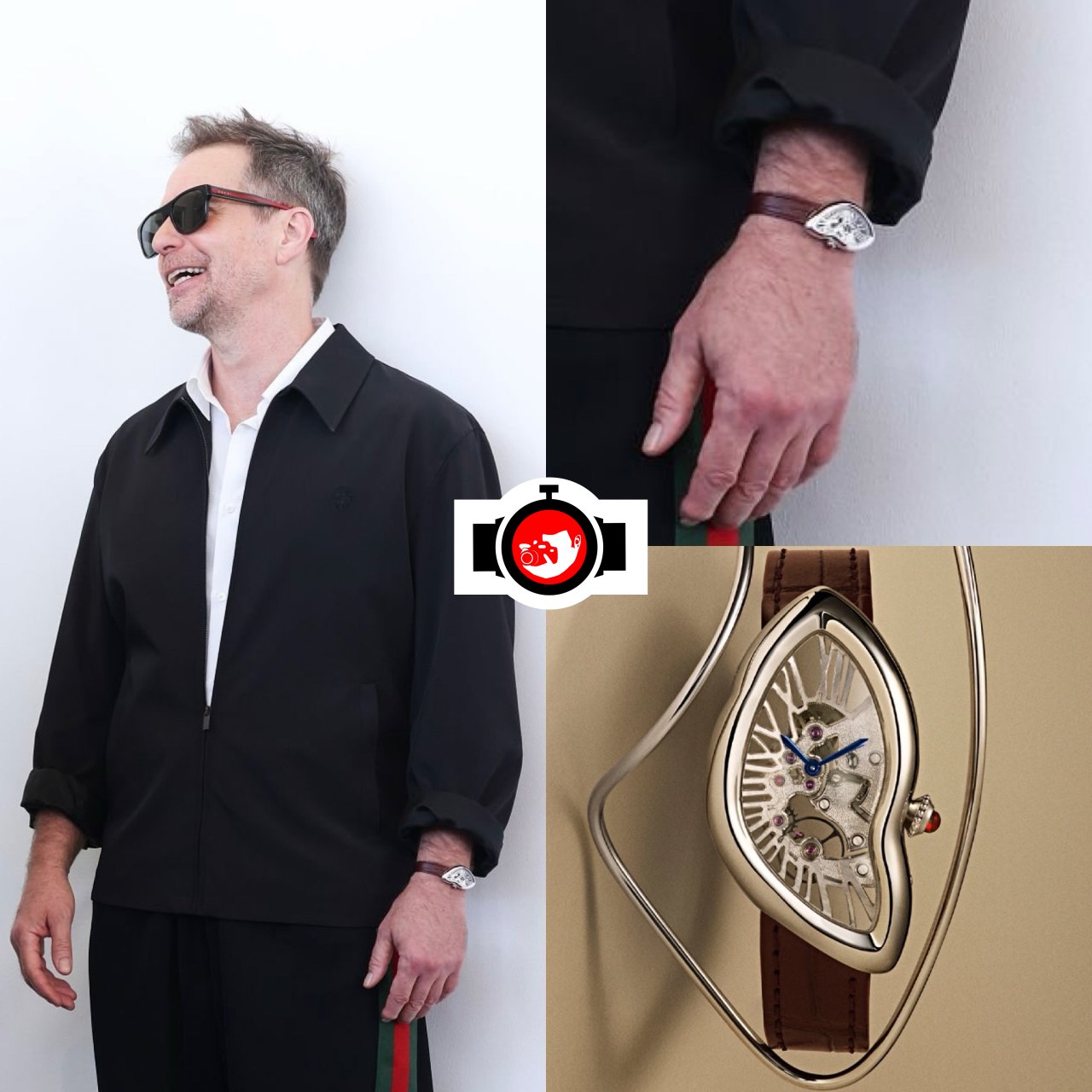
Sam Rockwell wearing Cartier
Platinum Cartier Crash Squelette Skeleton with Burgundy Dial and Calibre 1967 MC
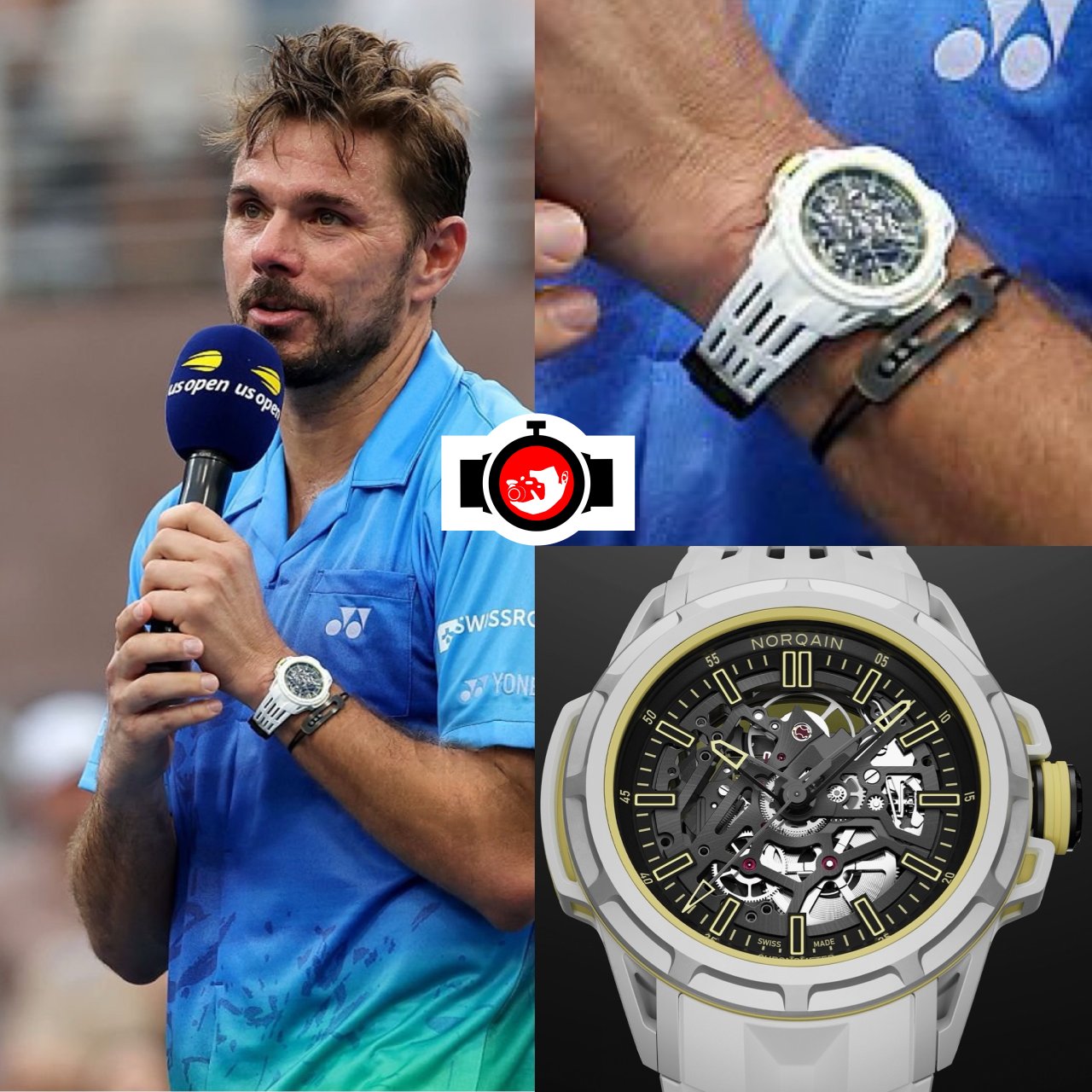
Stan Wawrinka wearing Norqain
Norqain Wild ONE Skeleton X-Lite 'Wimbledon White' Prototype with X-Lite Carbon Fiber Composite Case