
Entrepreneur Jean-Claude Biver spotted wearing a Hublot
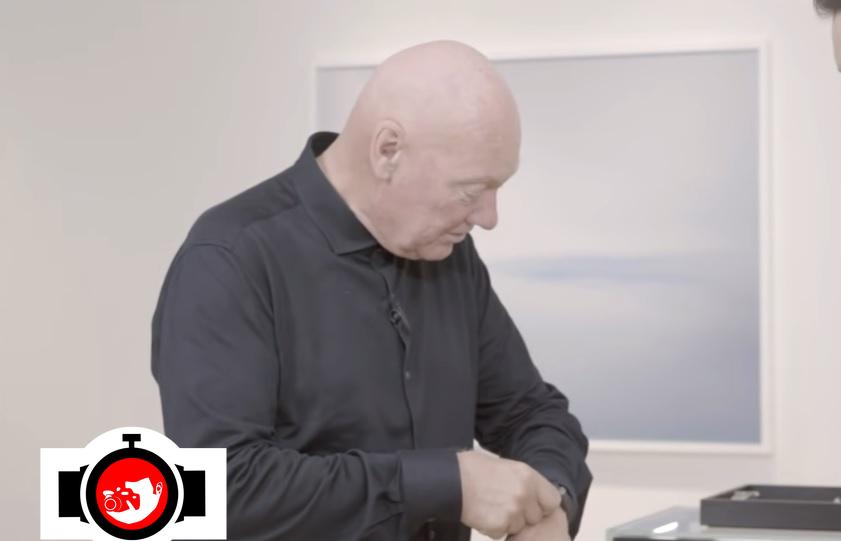
Few sightings in watch journalism carry the weight of an architect wearing his own creation. Jean-Claude Biver — the Swiss-Luxembourgish entrepreneur who repositioned Hublot from a niche rubber-strap curiosity into a billion-dollar brand — is captured here examining what appears to be an early-generation Hublot Big Bang, the model he championed when he took the helm at Hublot in 2004.
The Big Bang launched in 2005 and immediately rewrote the rulebook on contemporary sport-luxury watchmaking. The case architecture — a multi-component, bolt-fastened construction drawing aesthetic DNA from both the Royal Oak and the Audemars Piguet Royal Oak Offshore — paired titanium, ceramic, rubber and sapphire into a coherent whole that the industry at the time called derivative, then quietly copied. The watch worn here features what reads as a dark ceramic or PVD case, approximately 44mm, with the characteristic six H-shaped screws on the bezel, black dial with applied indices, and the signature black vulcanized rubber strap with textile-pattern integration. The early reference family, 301.CX.130.RX, housed the HUB1300 caliber — a reliable base movement by BVL standards — behind a sapphire caseback.
From a collector standpoint, first-generation Big Bangs from 2005–2008 occupy a curious space: historically significant as the watch that redefined Hublot's commercial identity, yet not yet fully embraced by the vintage community the way early Royal Oaks or Nautiluses are. That calculus may shift. The 2005 GPHG Best Design win is a documented milestone, and provenance linked to Biver personally adds a layer of narrative value that no subsequent reissue can replicate.
Biver's genius was positioning the Big Bang not as a watchmaker's watch but as a cultural object — signing athletes, musicians and racing teams before most Swiss manufactures understood what a brand ambassador was. The strategy was polarizing internally but commercially transformative. LVMH acquired Hublot in 2008, in no small part because of the Big Bang's momentum.
On the current market, early ceramic Big Bang references trade on the grey market in the $6,000–$9,000 range depending on condition and box-papers. New-generation equivalents retail from around $15,000. The original remains an entry point — and a historical document.
More watches like this

Jean-Claude Biver wearing Hublot
Hublot Big Bang Unico Titanium Ceramic Jean-Claude Biver Personal Sighting
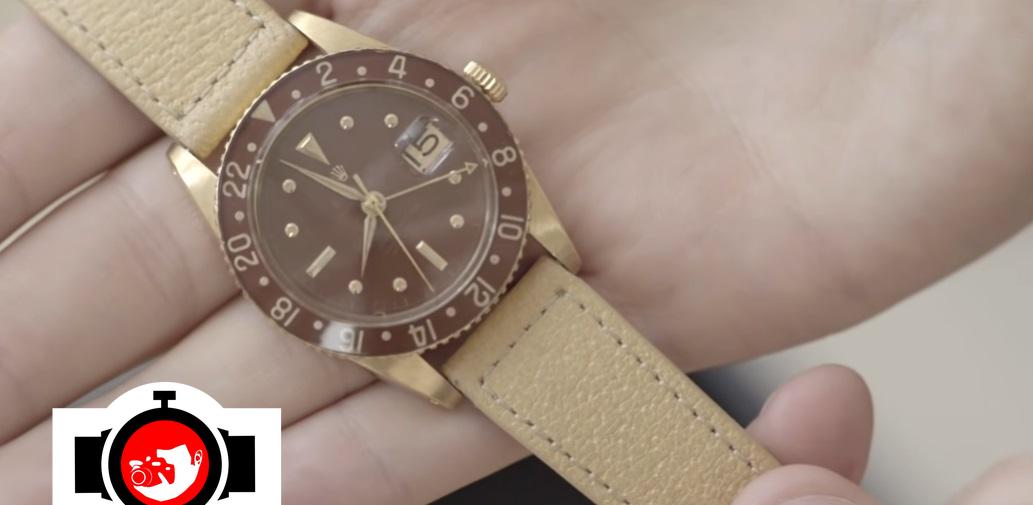
Jean-Claude Biver wearing Rolex
Rolex GMT Master II in Yellow Gold with Bachelite Bezel
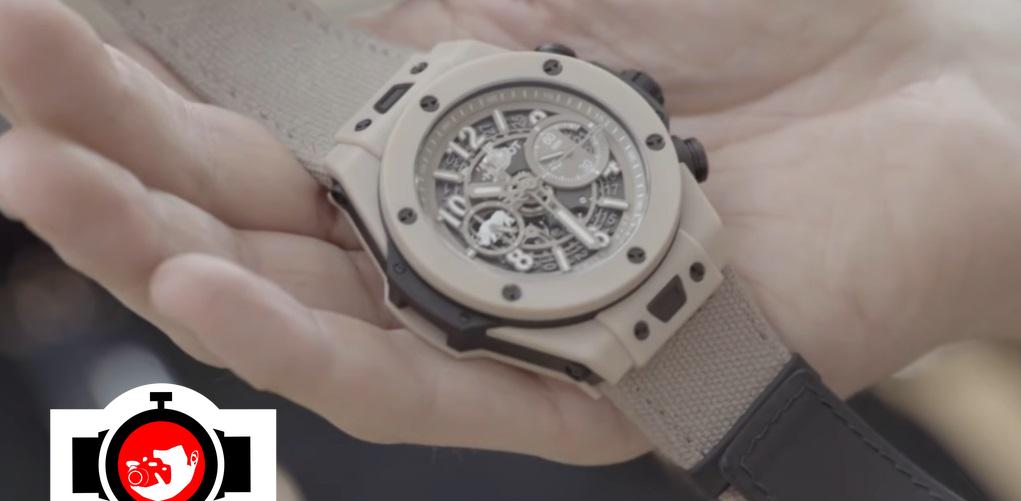
Jean-Claude Biver wearing Hublot
Hublot Big Bang Unico 'Rhinoceros' Matte Beige Ceramic — Jean-Claude Biver Personal Piece
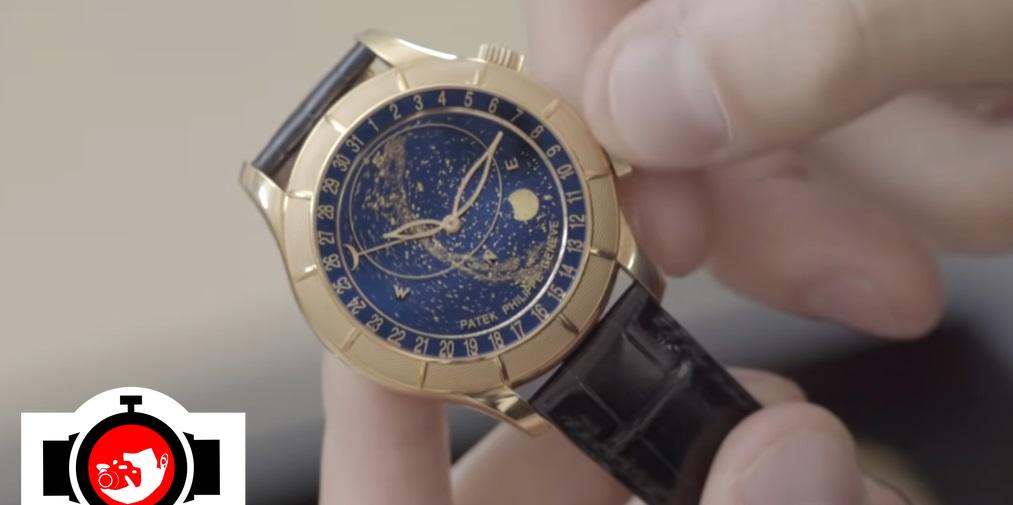
Jean-Claude Biver wearing Patek Philippe
Piece Unique Patek Philippe
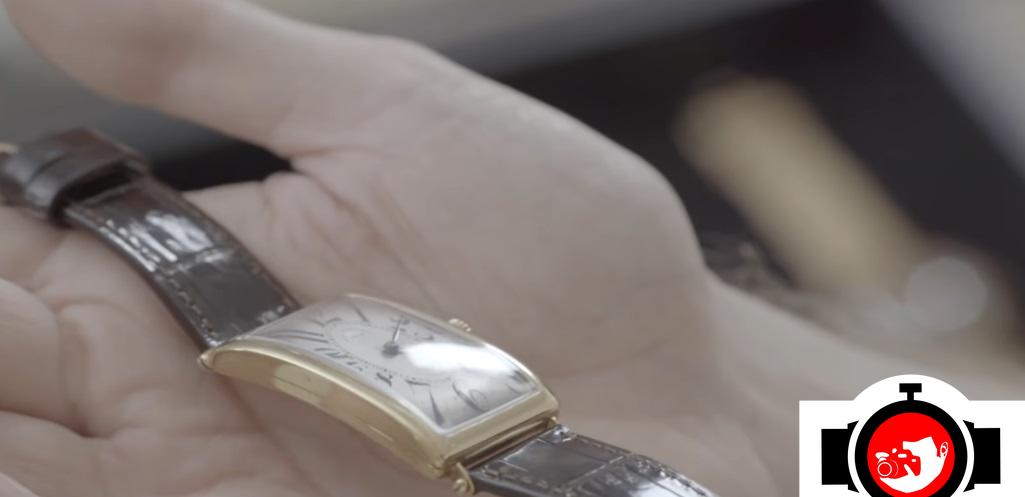
Jean-Claude Biver wearing Patek Philippe
Patek Philippe Gondolo Ref. 5111J Yellow Gold Tonneau Jean-Claude Biver
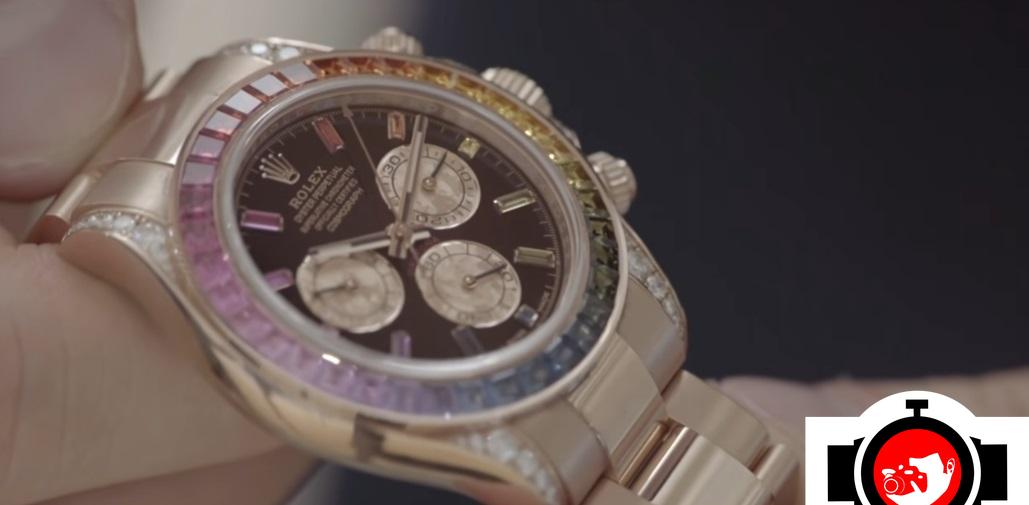
Jean-Claude Biver wearing Rolex
Rolex Cosmograph Daytona Rainbow Rose Gold Ref. 116595RBOW — Jean-Claude Biver's Prized Gem-Set Chronograph
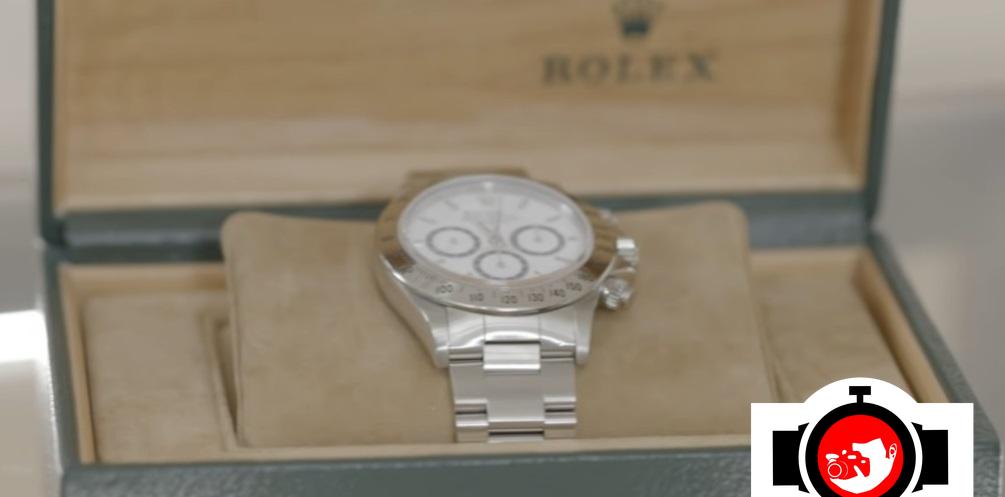
Jean-Claude Biver wearing Rolex
Rolex Cosmograph Daytona 'Zenith' Stainless Steel White Dial Reference 16520 — Jean-Claude Biver
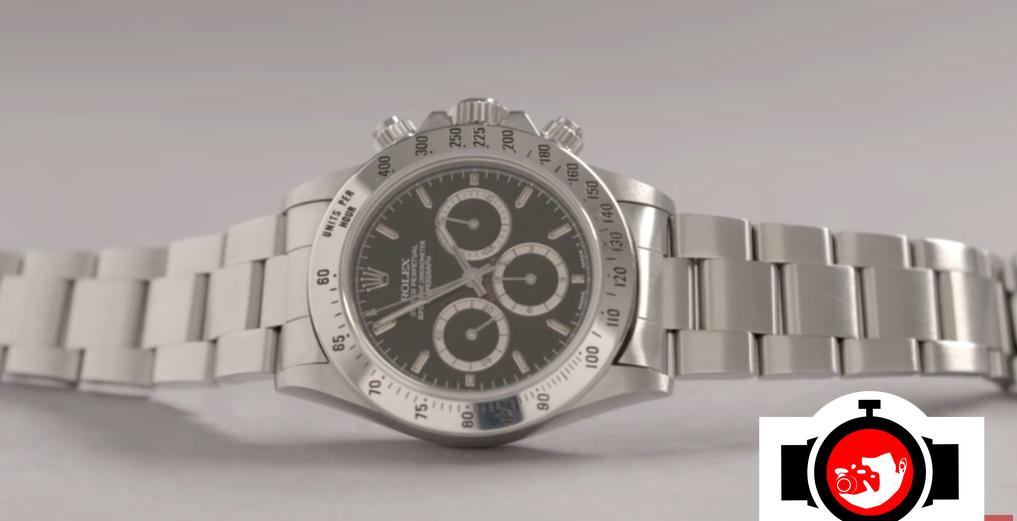
Jean-Claude Biver wearing Rolex
Rolex Cosmograph Daytona 'Zenith' Stainless Steel Black Dial Reference 16520 — Jean-Claude Biver
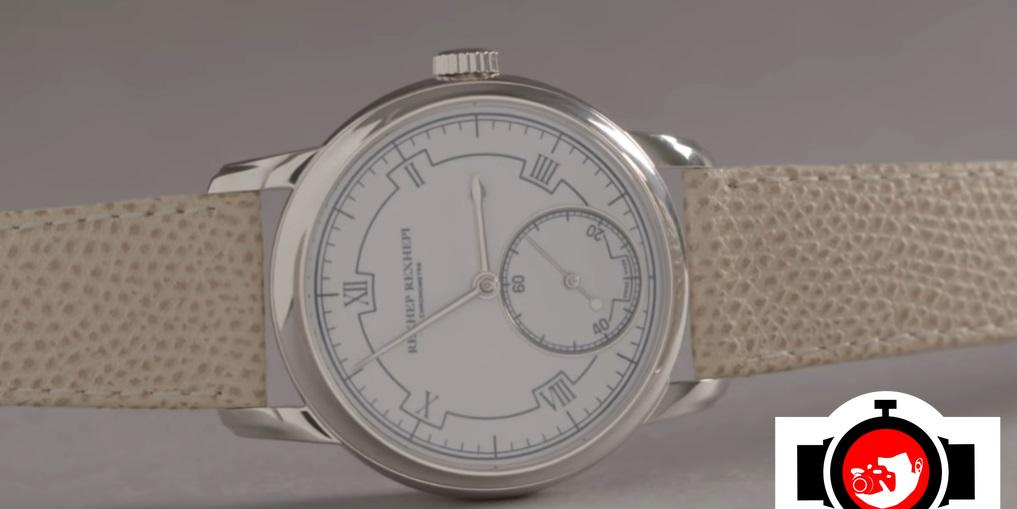
Jean-Claude Biver wearing Rexhep Rexhepi
Rexhep Rexhepi Akrivia AK-06 Platinum — Jean-Claude Biver's Personal Piece No. 1
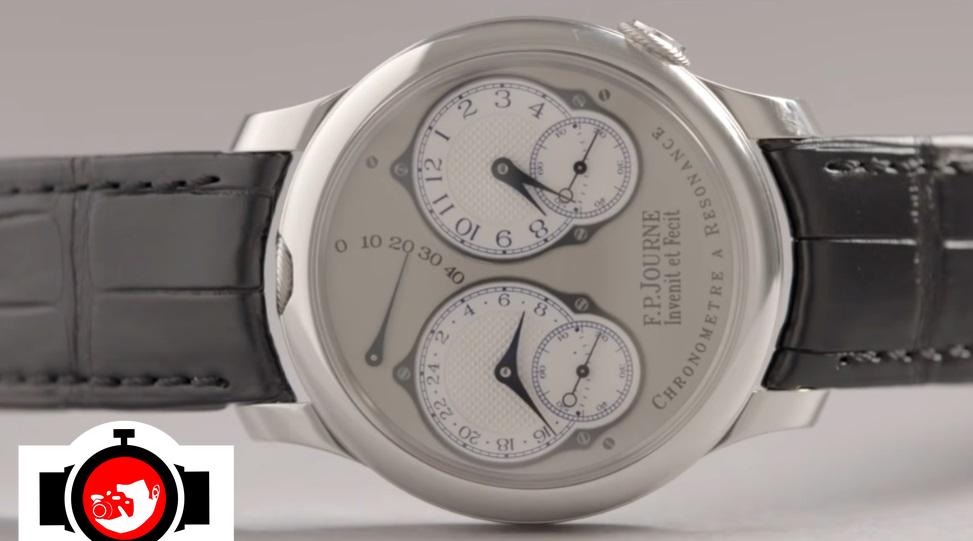
Jean-Claude Biver wearing F.P. Journe
F.P. Journe Invenit et Fecit Chronometre a Resonance
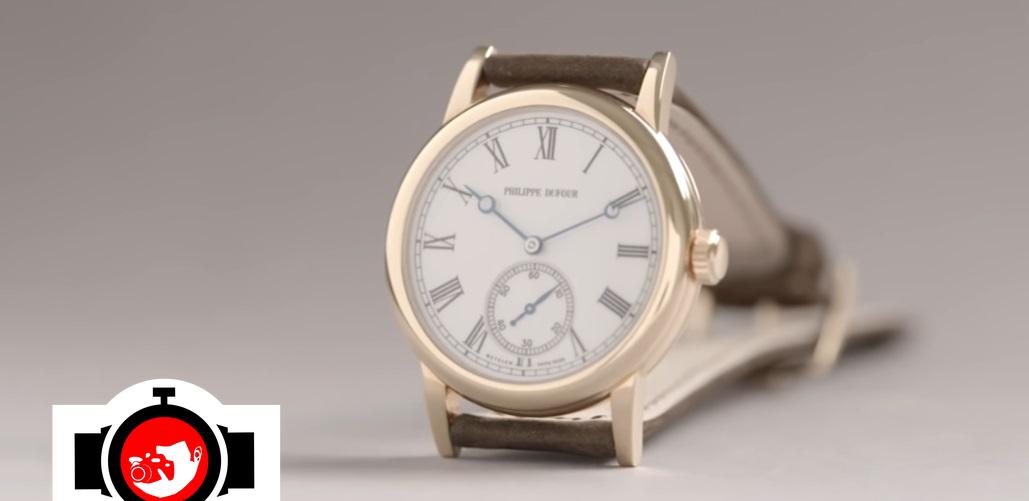
Jean-Claude Biver wearing Philippe Dufour
Philippe Dufour Simplicity Rose Gold Roman Numerals – Jean-Claude Biver's Personal Timepiece
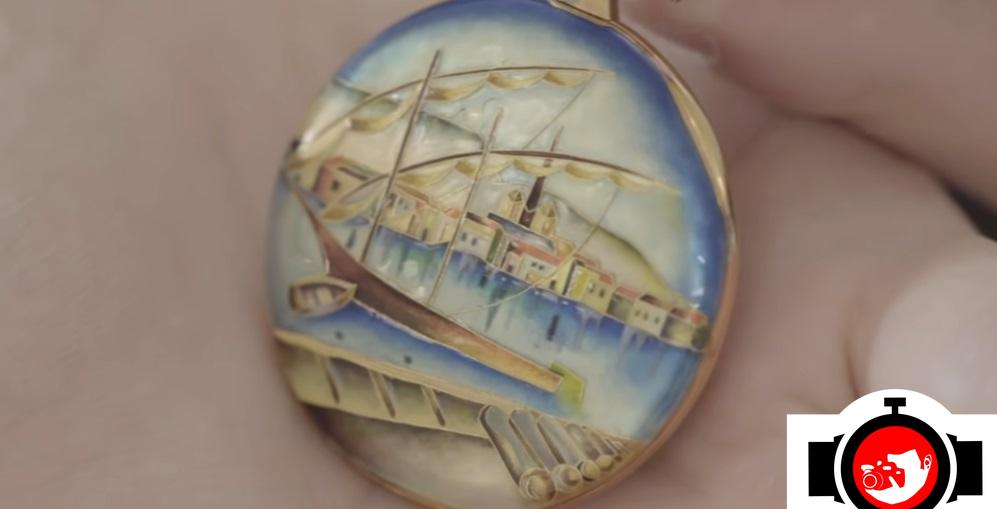
Jean-Claude Biver wearing Patek Philippe
Patek Philippe Yellow Gold Enamel Miniature Painting Pocket Watch – Jean-Claude Biver Sighting