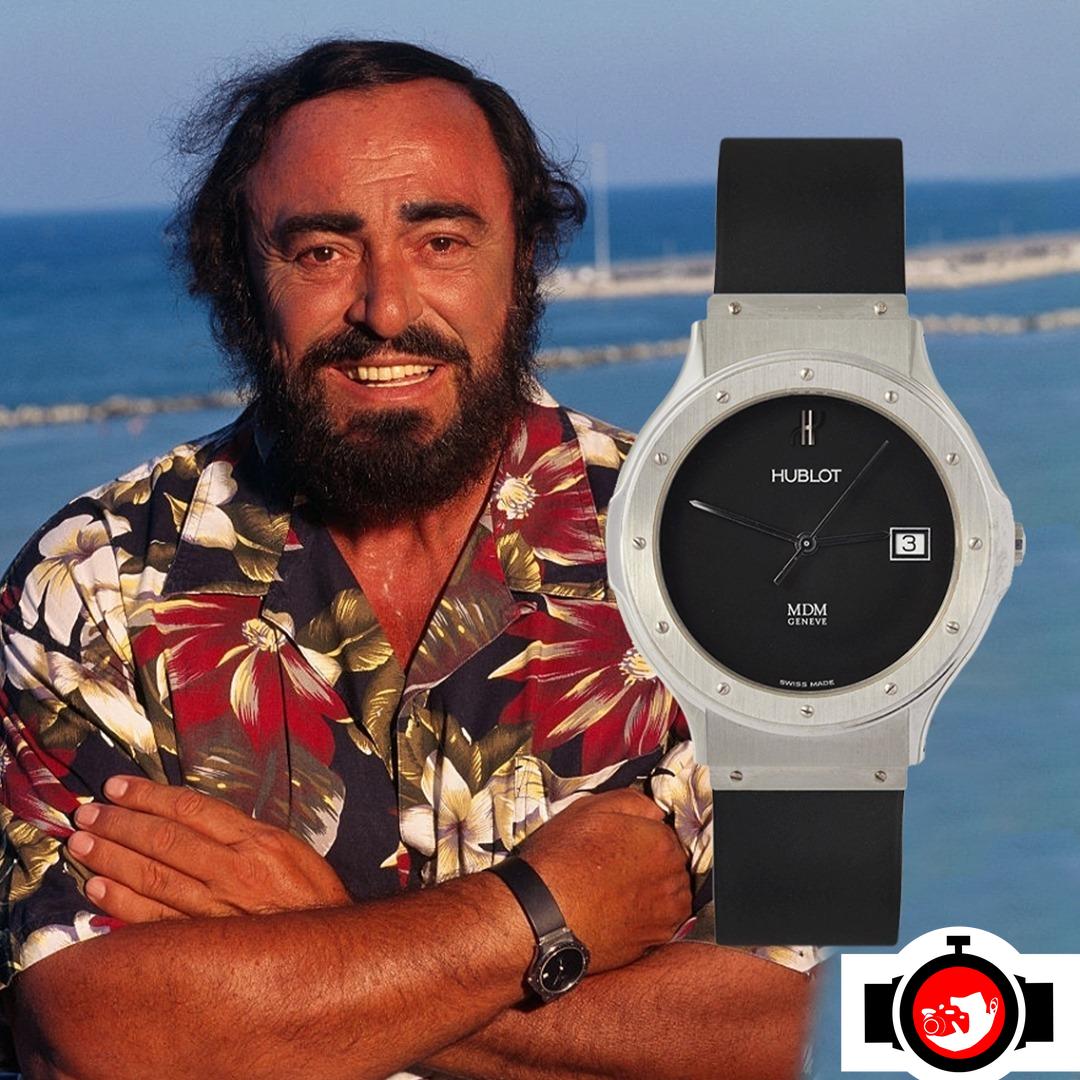
Luciano Pavarotti wearing Hublot
Hublot MDM Genève Classic Stainless Steel Black Dial Rubber Strap – Luciano Pavarotti Sighting

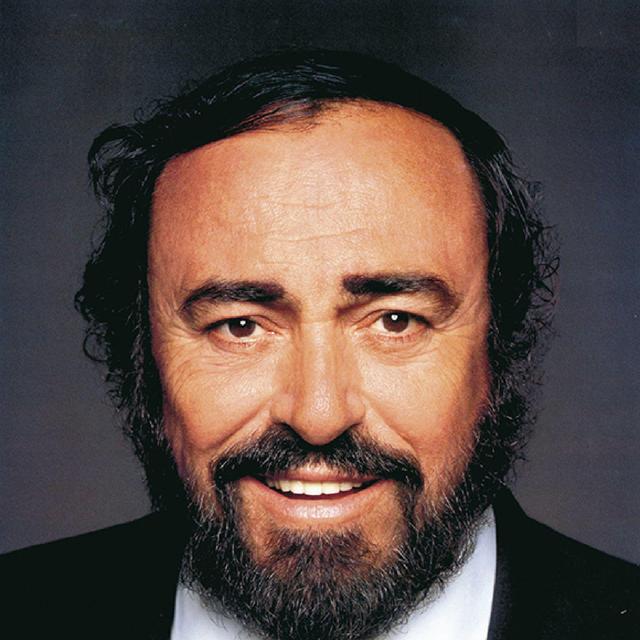
Luciano Pavarotti (1935–2007) was an Italian operatic tenor widely regarded as one of the most gifted voices of the twentieth century. Born in Modena, he rose to global prominence through a combination of extraordinary vocal range, natural charisma, and an ability to bring opera to mainstream audiences that few classical singers have matched before or since. His collaborations with Plácido Domingo and José Carreras as the Three Tenors produced some of the best-attended live performances in recorded history, including their landmark 1990 concert in Rome ahead of the FIFA World Cup final. Beyond the opera house, Pavarotti became a genuine cultural figure — a singer who appeared on mainstream television, sold out stadiums, and raised millions through his annual Pavarotti & Friends charity concerts in Modena.
For a man of his scale of fame, Pavarotti wore his watches quietly. The Luciano Pavarotti watch collection, as documented through photographs and public appearances, reflects a preference for pieces with substance and a degree of originality rather than the expected status symbols of a global celebrity. The standout sighting in our database shows the tenor relaxed by the sea, wearing a first-generation Hublot MDM Genève in stainless steel — a watch that at the time of its adoption was far from the established luxury choice it would later become. Hublot, then operating under the MDM Genève name, was a small Geneva independent with a polarising design built around a porthole-style bezel fastened with visible screws and a natural rubber strap, a material virtually unheard of in fine watchmaking in the early 1980s.
Choosing that particular Hublot when it was still a misunderstood newcomer says something concrete about Pavarotti's sensibility. He was not following a collector's consensus or a publicist's briefing — he was wearing something he found compelling on its own terms. The first-generation MDM Genève is now a sought-after piece among serious Hublot collectors precisely because so few people took it seriously at the time. Pavarotti, it turns out, was ahead of that particular curve.
Hublot MDM Genève Classic Stainless Steel Black Dial Rubber Strap – Luciano Pavarotti Sighting