
Entrepreneur Thomas Wilhelmsen spotted wearing a Jaeger LeCoultre
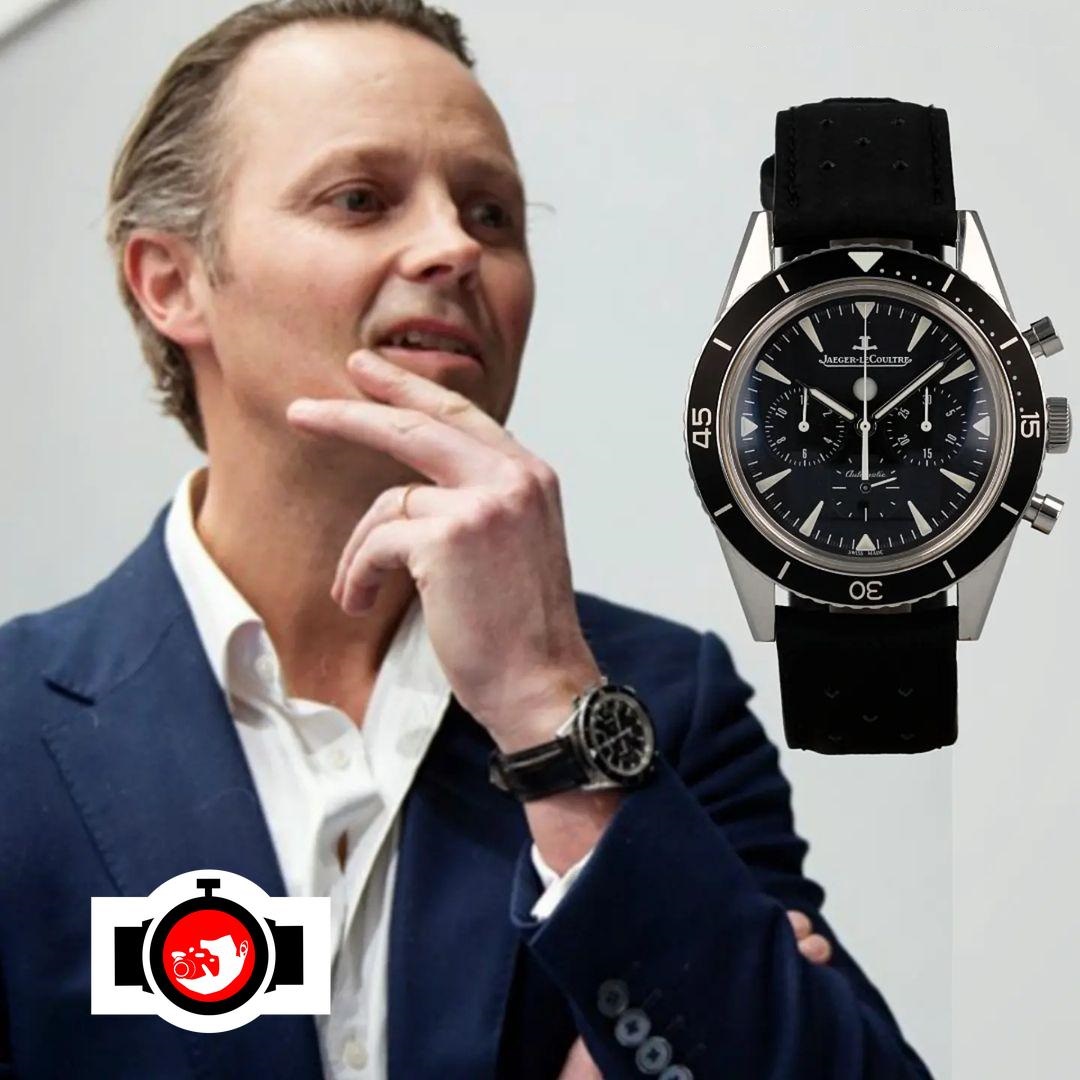
At what appears to be a business or cultural event, Thomas Wilhelmsen, the Oslo-based CEO of Wilh. Wilhelmsen ASA, was photographed wearing a Jaeger-LeCoultre Deep Sea Chronograph on a black leather strap. The choice is anything but accidental: few watches carry maritime credentials as authentically as this JLC reference, and few executives are as deeply rooted in the sea as Wilhelmsen, whose family shipping enterprise dates back to 1861.
The Jaeger-LeCoultre Deep Sea Chronograph traces its lineage to 1959, when JLC introduced one of the first wristwatches to integrate a pulsometer-style chronograph with a unidirectional rotating dive bezel. The watch on Wilhelmsen's wrist shows the characteristic black dial with applied luminous baton indices, bi-compax subdial layout — small seconds at 9 o'clock and 30-minute counter at 3 — and a broad, high-contrast bidirectional bezel insert marked at 15, 30, and 45-minute intervals with a triangle at 12. The stainless steel case sits on a black leather strap. The modern reissue variant, reference Q208T570 or the closely related tribute references, uses JLC Calibre 751 or 751J, an automatic movement with column-wheel chronograph mechanism offering approximately 65 hours of power reserve.
Among collectors, the Deep Sea Chronograph occupies a nuanced position. It lacks the auction room frenzy of a Patek or vintage Rolex, yet commands deep respect in horological circles for its technical ambition and the rarity of original 1959 examples. The modern reissue, produced in limited numbers, keeps the spirit of the original intact without being a slavish copy — a balance JLC manages better than most maisons.
For Wilhelmsen, the symbolism is almost too neat to ignore. His company operates one of the world's largest roll-on/roll-off shipping fleets; a watch engineered for the deep ocean is, at minimum, thematically appropriate. It speaks to a collector who values provenance and function over flash — consistent with a family-controlled industrial dynasty that has never needed to shout.
On the secondary market, the modern Deep Sea Chronograph typically trades close to its original retail price, occasionally dipping slightly below. Grey-market premiums are modest, reflecting steady but not speculative demand. For a watch of this engineering heritage and maritime narrative, the value proposition remains strong.
More watches like this
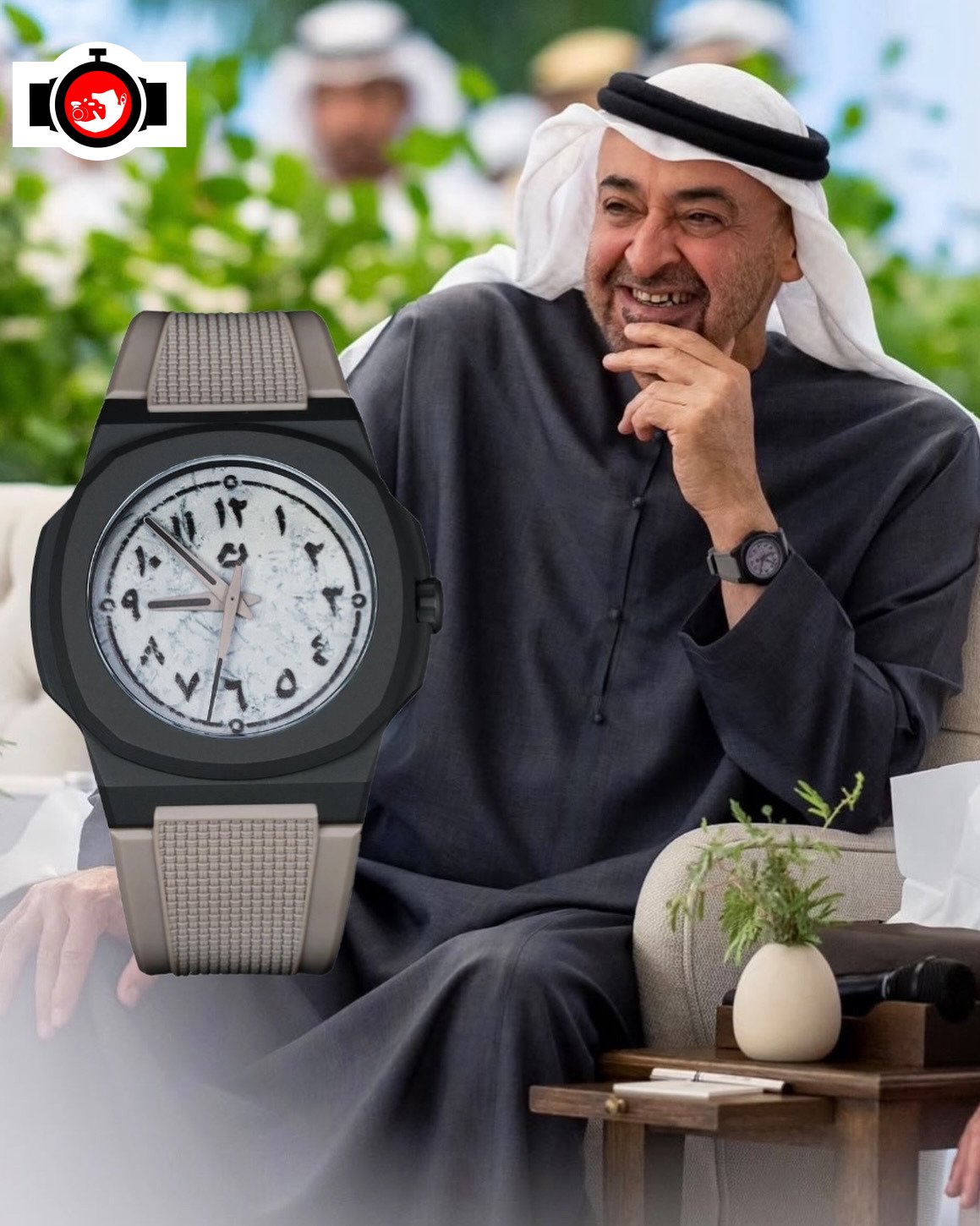
Sheikh Mohamed bin Zayed Al Nahyan wearing Nuncier
Nuncier Carbon Tech Special Edition Watch with Eastern Arabic Numerals and Monochromatic Dial
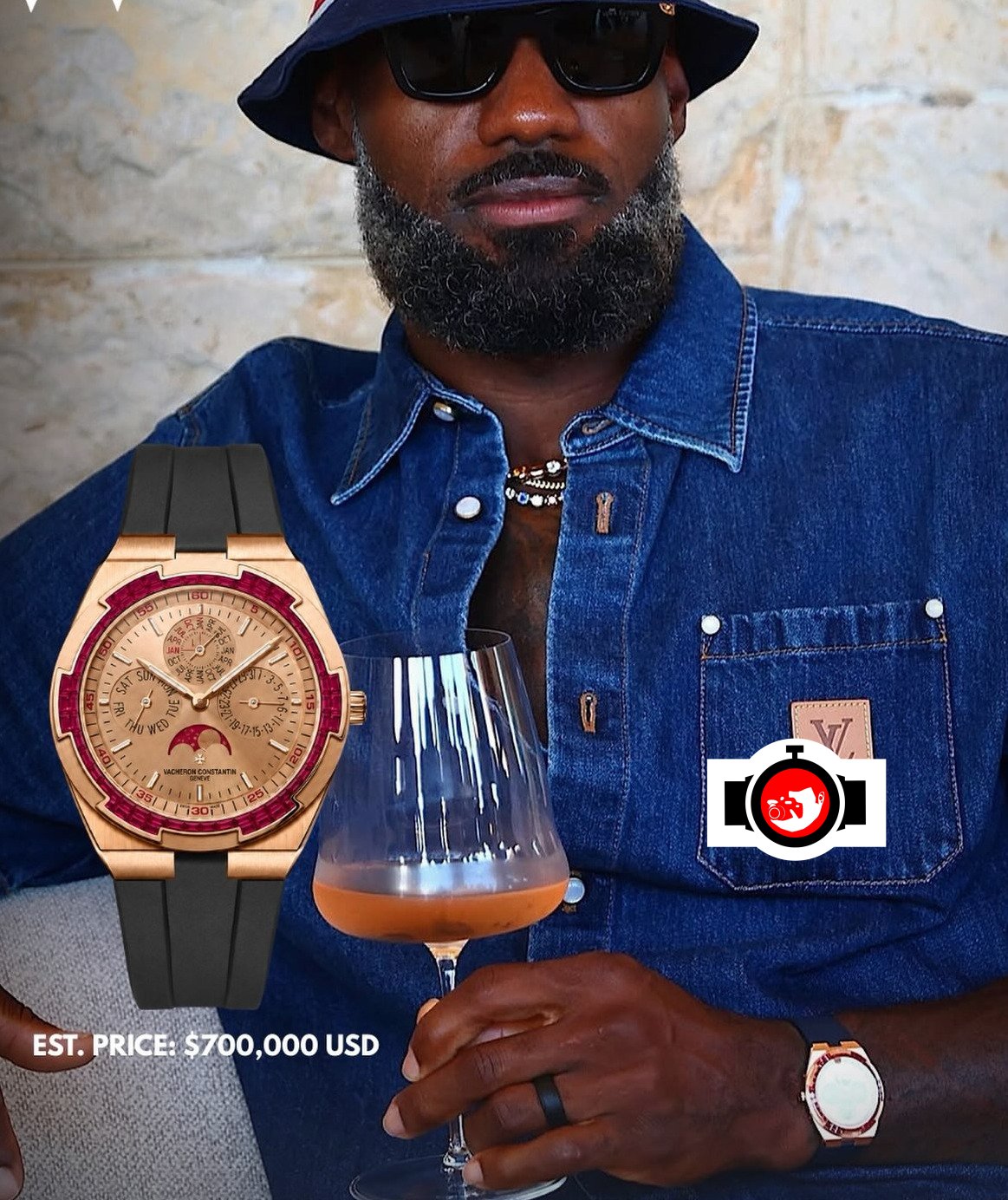
LeBron James wearing Vacheron Constantin
18K Rose Gold Vacheron Constantin Perpetual Calendar with Ruby-Set Baguette Bezel and Rose Dial
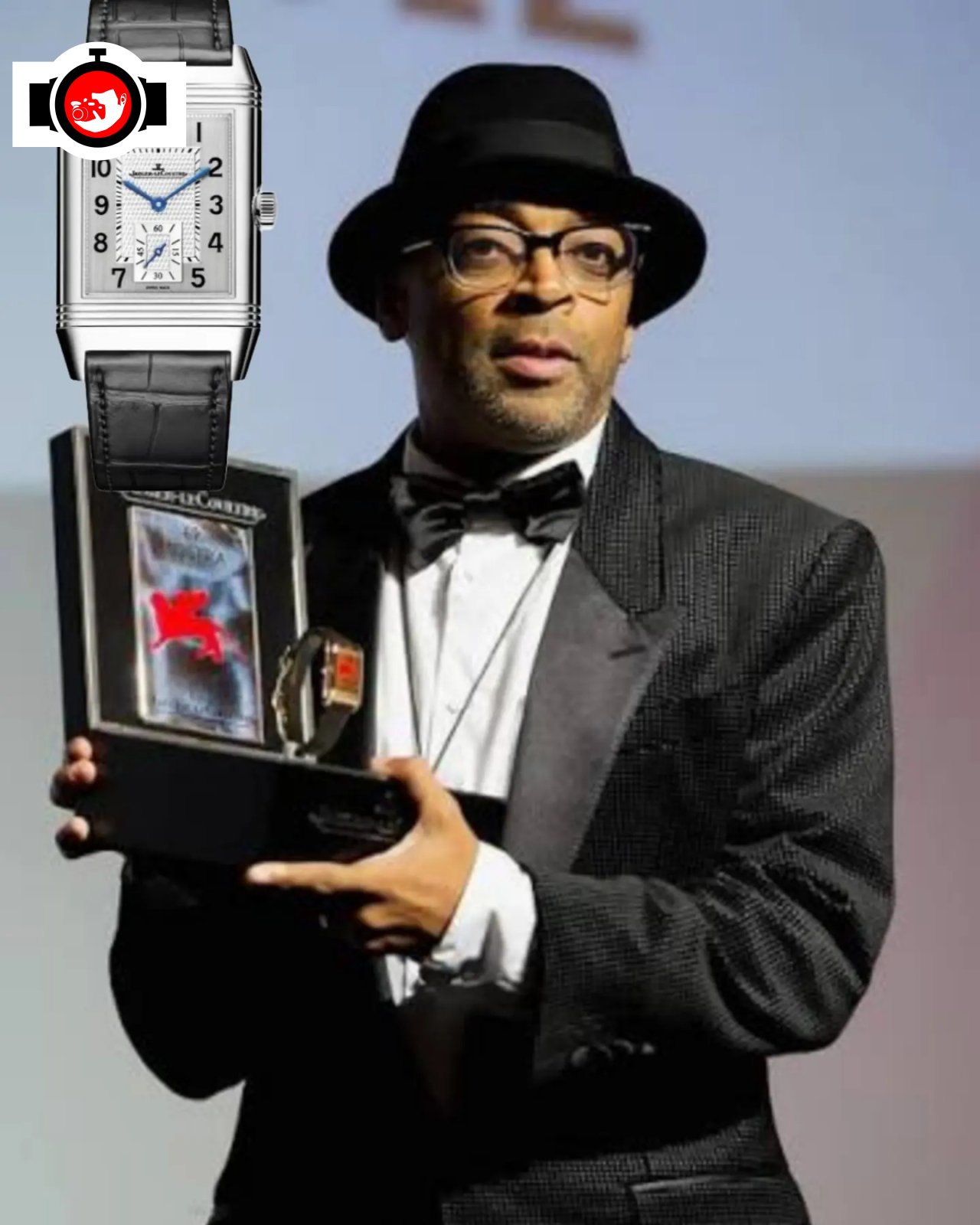
Spike Lee wearing Jaeger LeCoultre
Jaeger-LeCoultre Reverso Custom Presentation Watch — Spike Lee Venice Film Festival Award
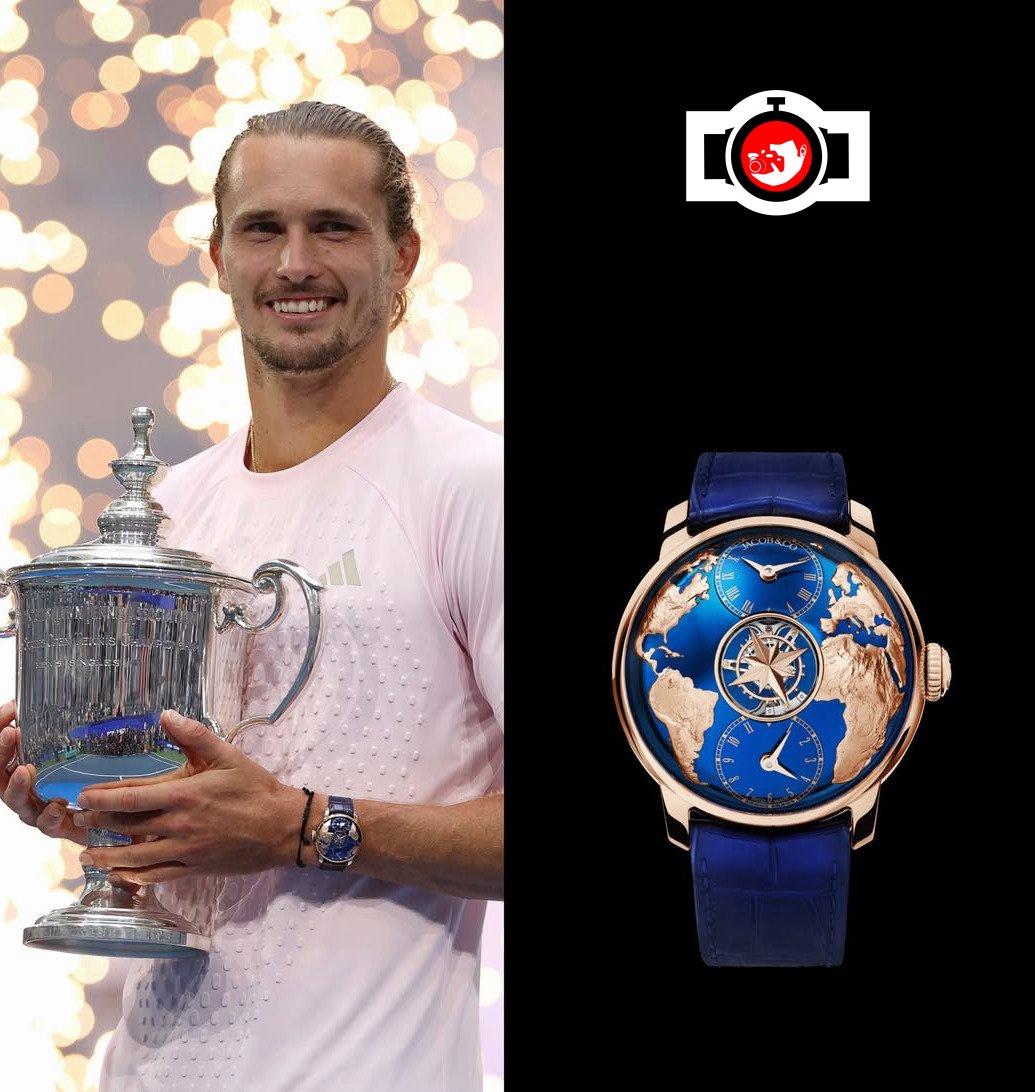
Alexander Zverev wearing Jacob & Co.
Jacob & Co. The World Is Yours Dual Time Zone Tourbillon with World Map Dial and Blue Leather Strap
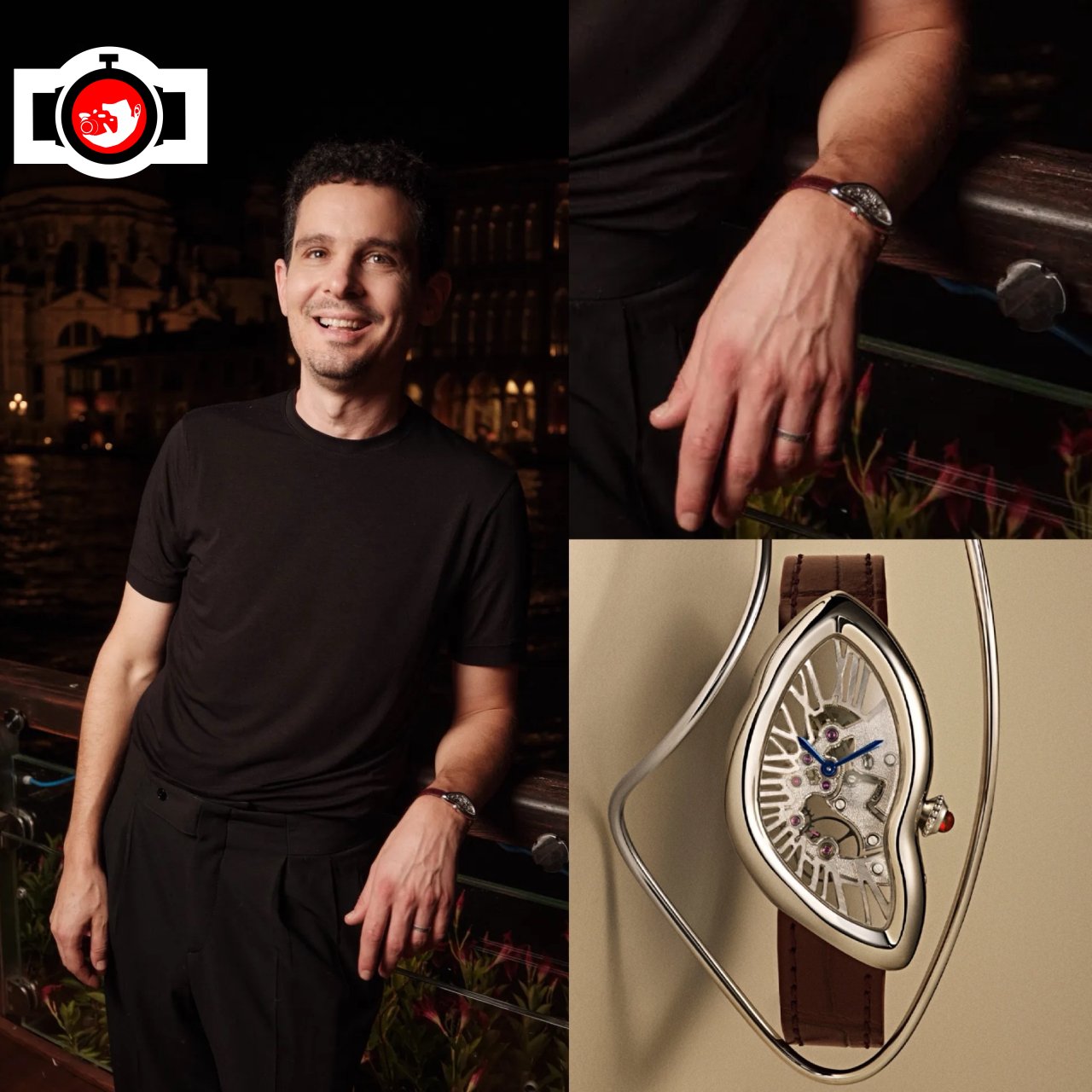
Damien Chazelle wearing Cartier
Platinum Cartier Crash Skeleton with Burgundy Accents and Calibre 1967 MC

Teddy Tucker wearing Rolex
Rolex Submariner with Inward-Facing Dial – Teddy Tucker's Treasure Hunter's Watch
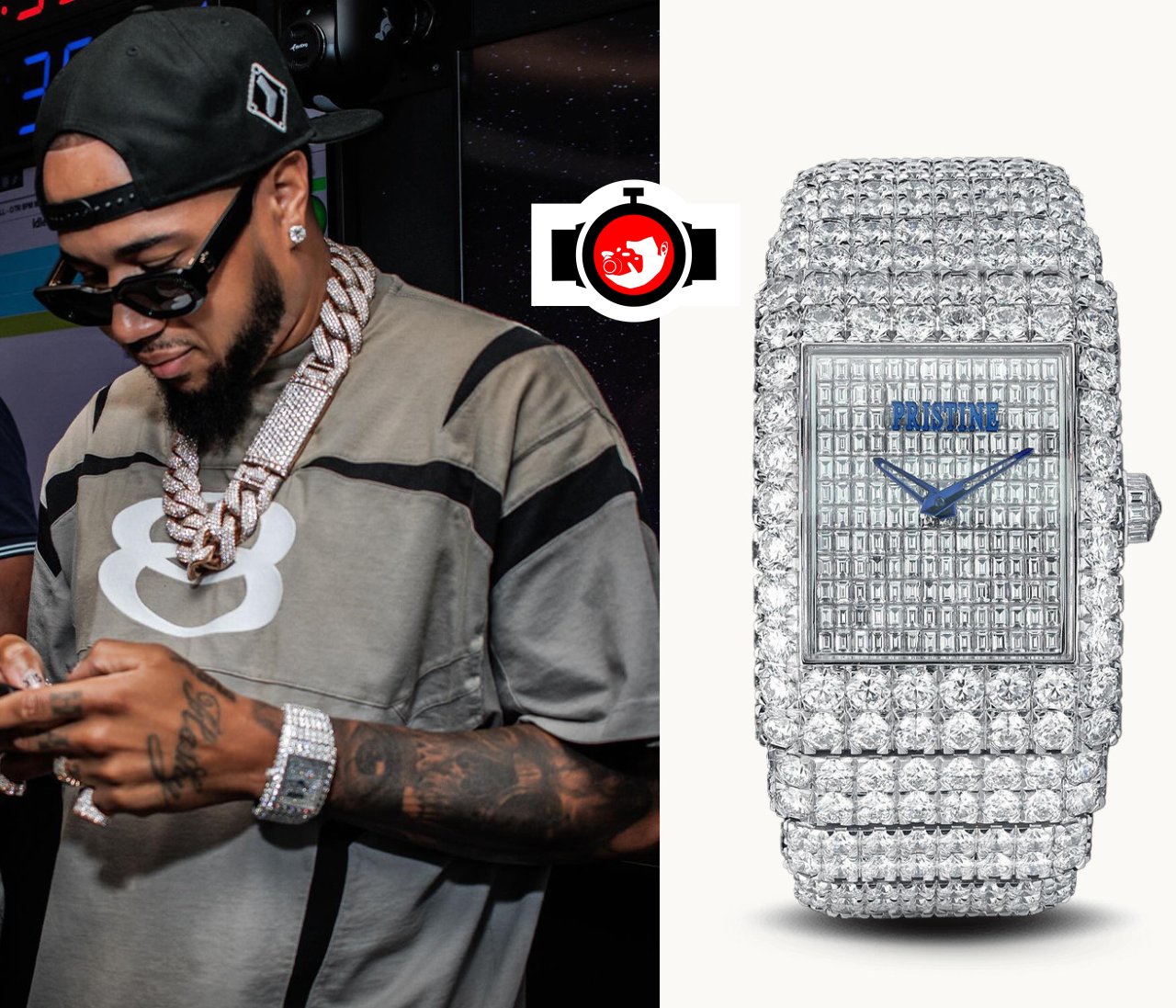
Mazi VS wearing Pristine
18K White Gold Pristine Custom Diamond Watch with Baguette Diamond Dial and 100.75 Carats
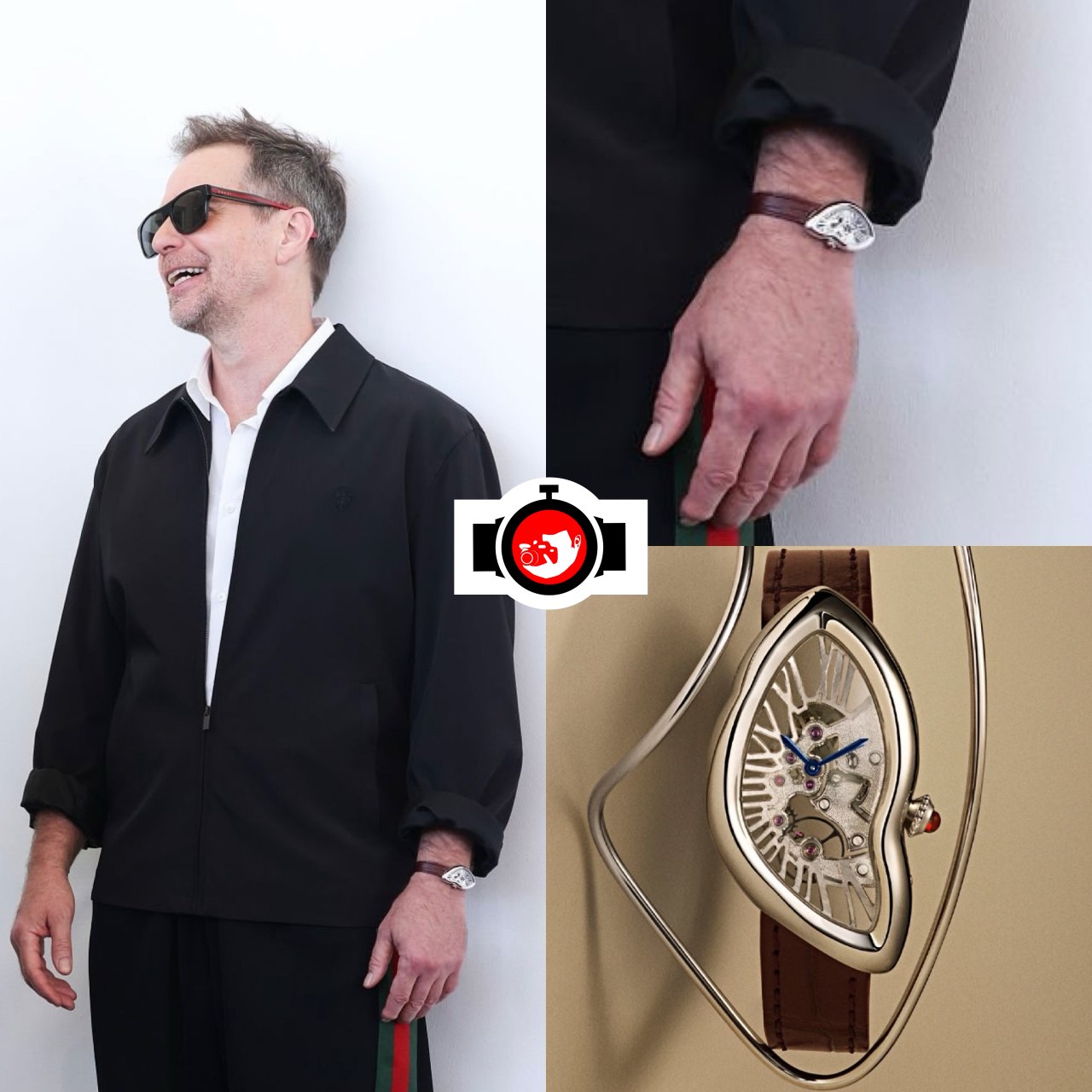
Sam Rockwell wearing Cartier
Platinum Cartier Crash Squelette Skeleton with Burgundy Dial and Calibre 1967 MC
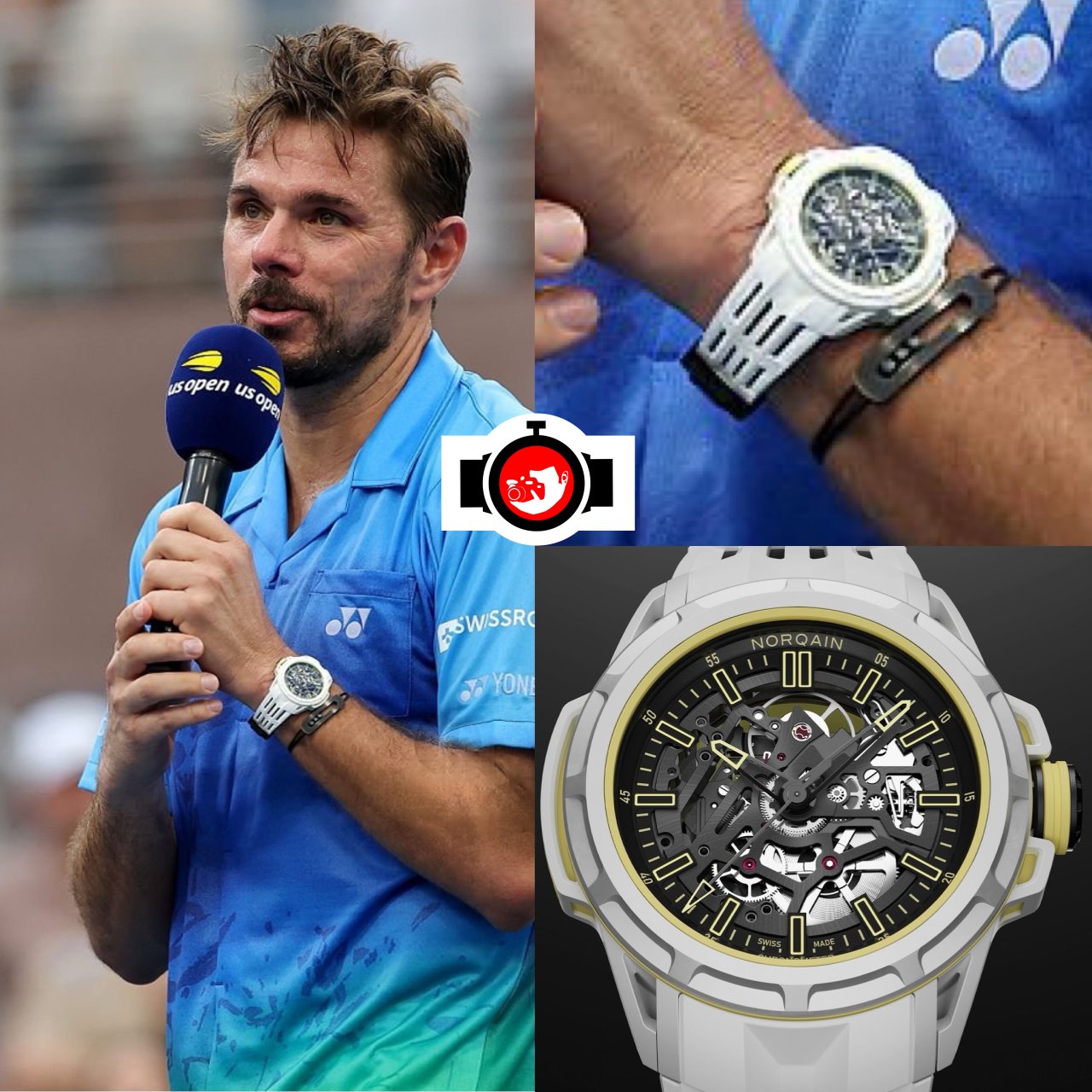
Stan Wawrinka wearing Norqain
Norqain Wild ONE Skeleton X-Lite 'Wimbledon White' Prototype with X-Lite Carbon Fiber Composite Case
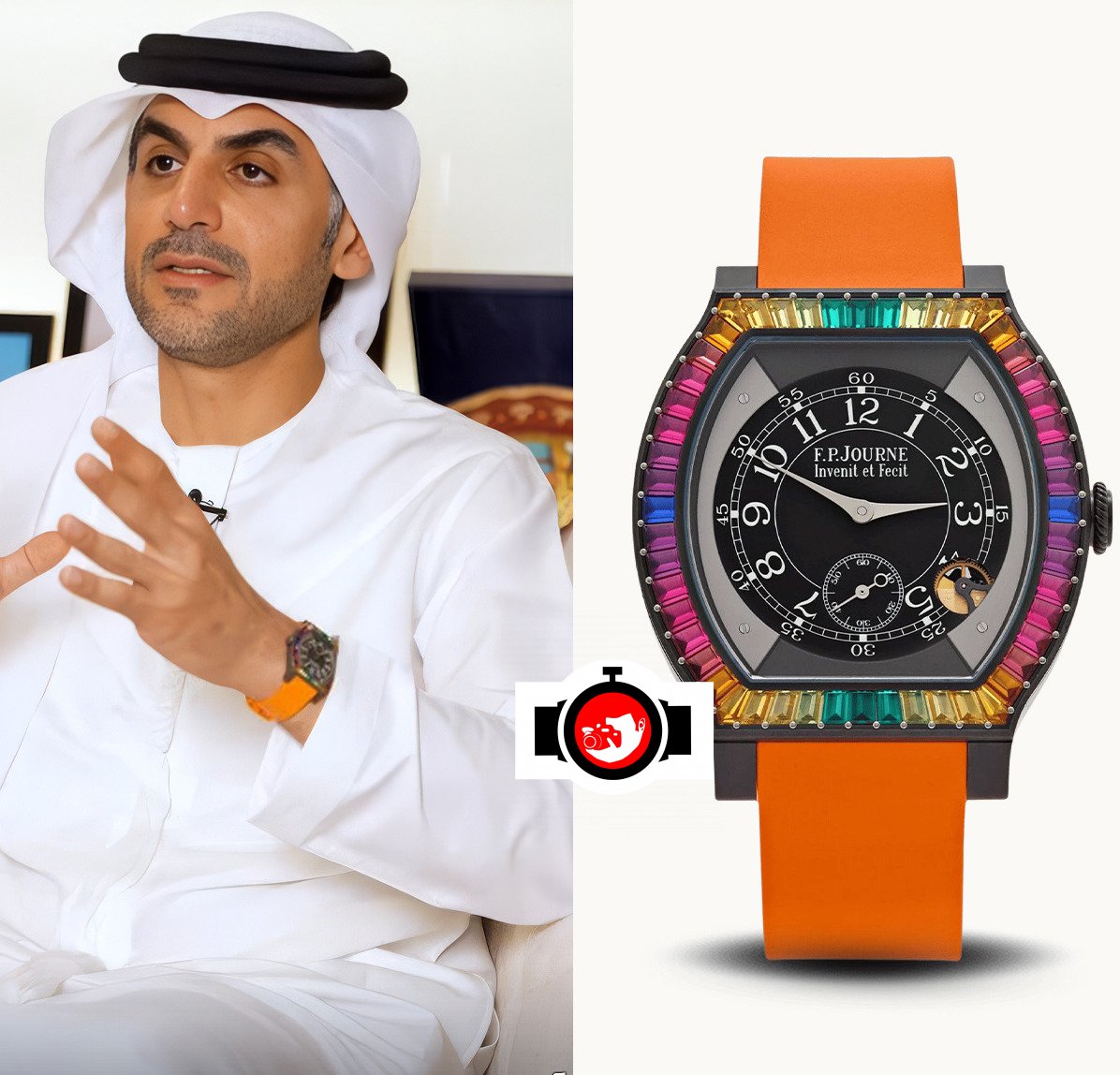
Marwan Ibrahim Haji Nasser wearing F.P. Journe
F.P. Journe Élégante 'Gino's Dream' Rainbow Titanium Watch with Rainbow Baguette Bezel
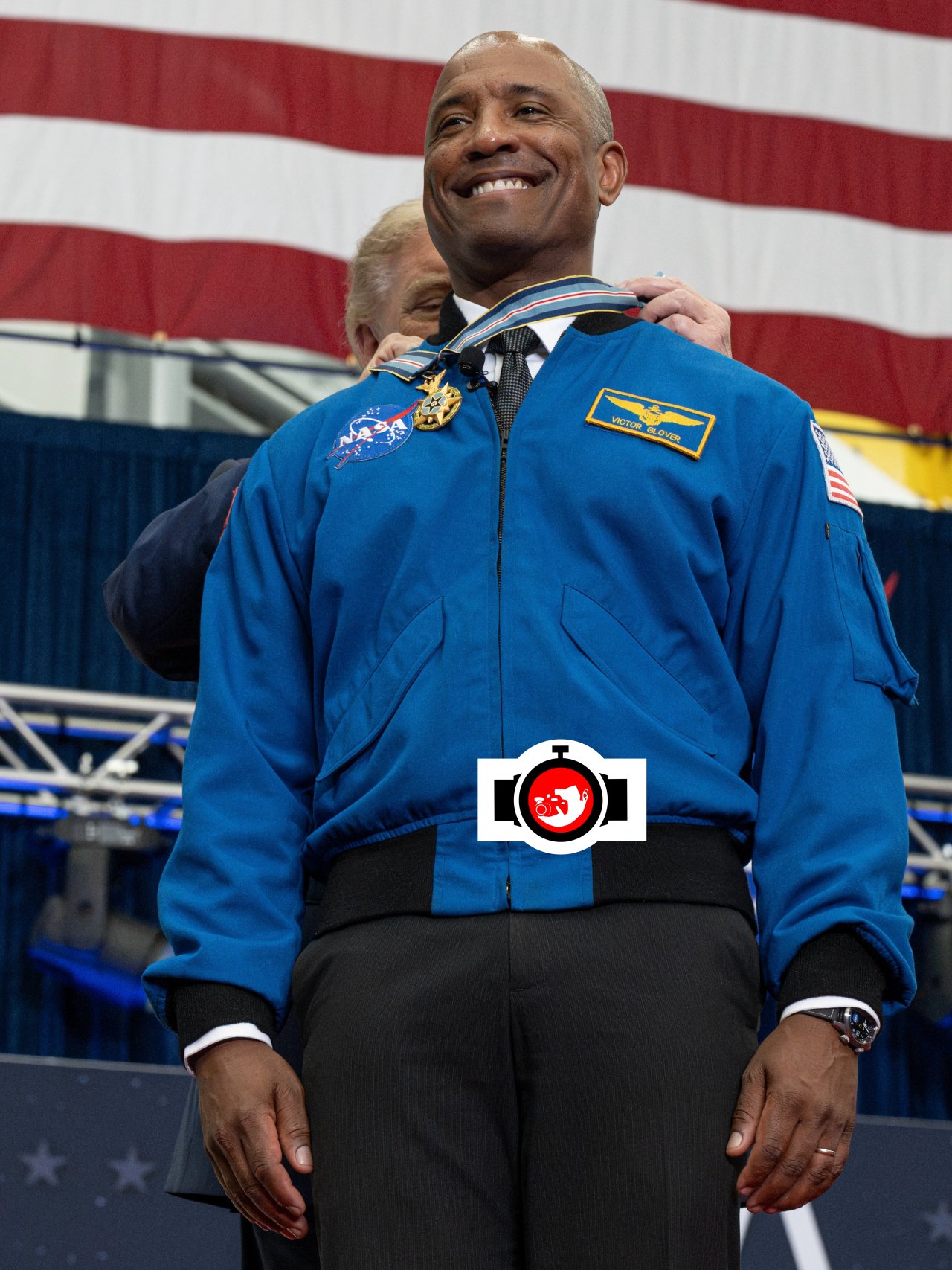
Victor Glover wearing Breitling
Breitling Pilot Watch with NASA Logo Worn by Artemis II Astronaut Victor Glover
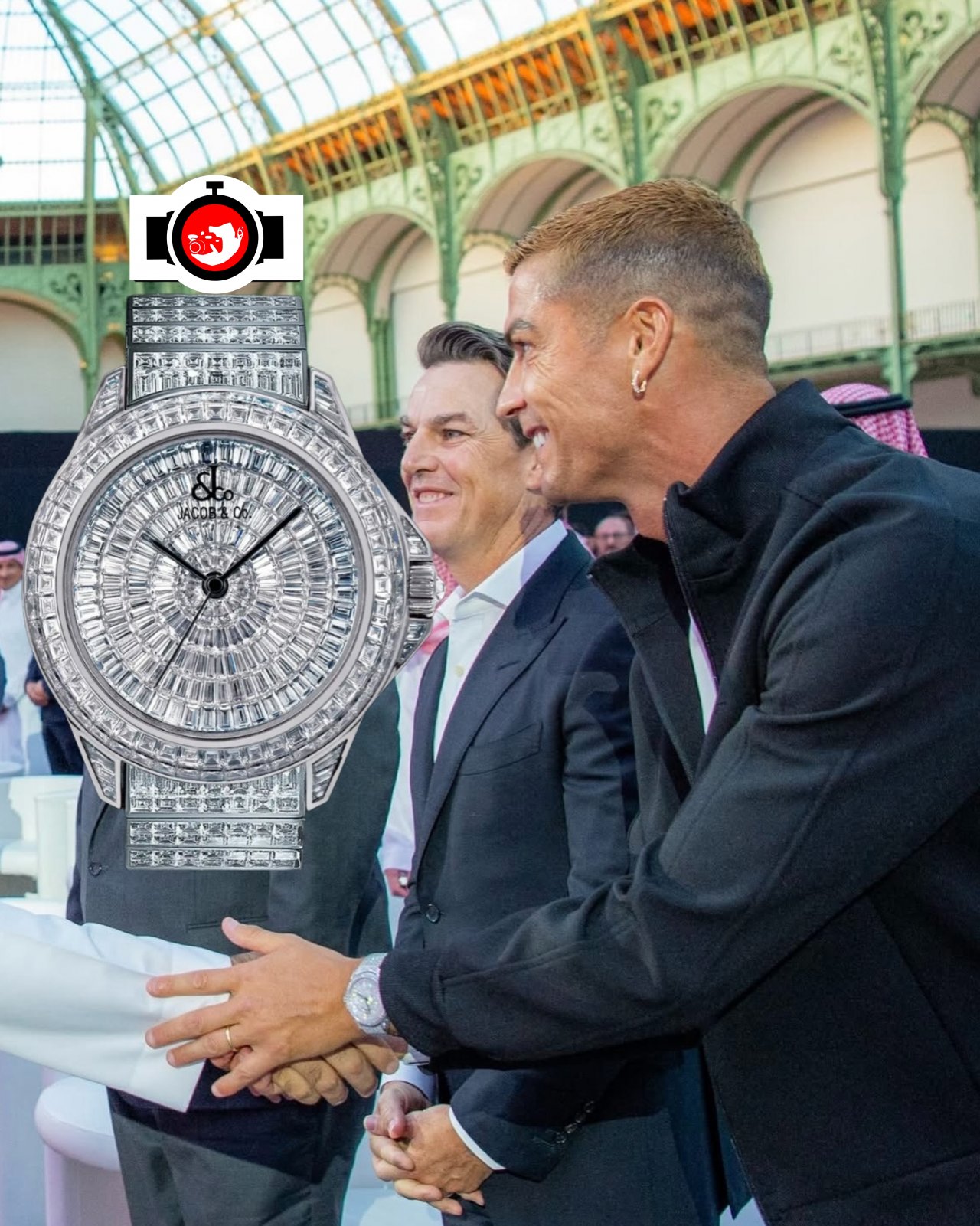
Cristiano Ronaldo wearing Jacob & Co
18K White Gold Jacob & Co Royal Baguette with 59 Baguette-Cut Diamonds