
Entrepreneur Stephan Winkelmann spotted wearing a Rolex
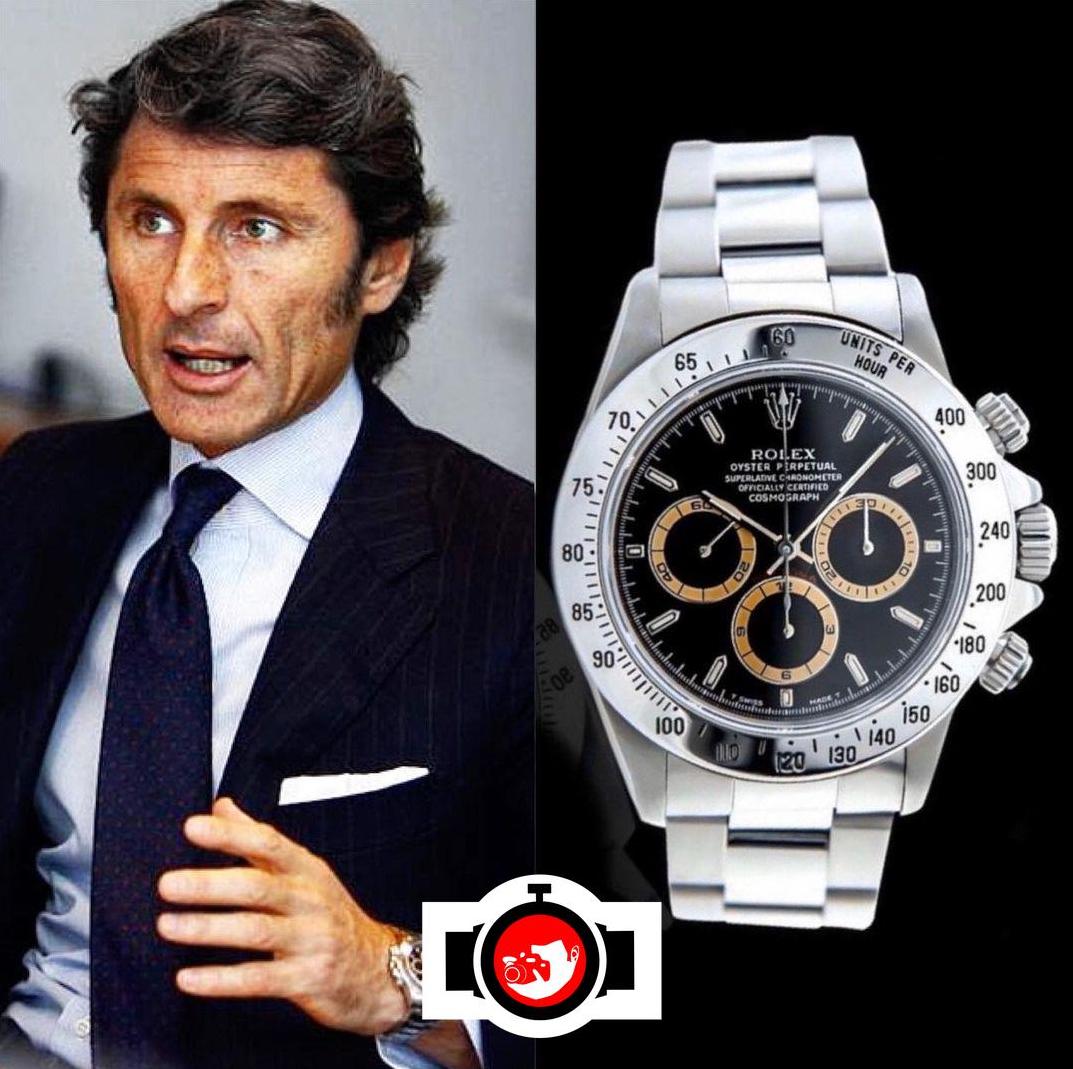
Stephan Winkelmann, the German-born entrepreneur who has led both Lamborghini and Bugatti to their commercial peaks, was photographed wearing one of the most talked-about accidental variations in the Rolex Daytona lineage: the reference 16520 with a so-called 'Patrizzi dial.' The sighting places a serious horological artefact on the wrist of a man whose professional life revolves around engineering obsession and material precision — a fitting pairing.
The Rolex Daytona reference 16520 was produced from 1988 to 2000 and represented a watershed moment for the model: it was the first Daytona to house an automatic movement, the Zenith El Primero-derived calibre 4030, significantly modified by Rolex to meet their specifications. The case measures 38mm in stainless steel, and this example features the distinctive black dial with what appear to be warm, tawny-brown sub-registers — the hallmark of the 'Patrizzi' phenomenon. This discolouration occurs in the chapter rings of the three subsidiary chronograph dials and is the result of a specific lacquer formulation reacting to UV light and oxygen over decades.
The designation 'Patrizzi dial' entered collector vocabulary in 2005 when Osvaldo Patrizzi, the Italian watch auctioneer and co-founder of Antiquorum, identified and publicly named the variation. Not all 16520 dials develop this patina; the specific batch of dials affected makes authenticated Patrizzi examples genuinely scarce. Collectors prize them for their organic, unrepeatable character — something no dial manufacturer today would intentionally reproduce.
For Winkelmann, whose professional identity is inseparable from Volkswagen Group's pinnacle performance brands, the choice of a mechanically complex, collector-grade Rolex over a more ostentatious luxury piece reads as deliberate understatement. The 16520 Daytona sits at the intersection of technical credibility and rarity — values consistent with his public persona.
On the grey market, a standard 16520 in solid condition trades between $25,000 and $40,000 depending on serial and condition. A confirmed Patrizzi-dial example with strong provenance regularly achieves $60,000 to $100,000 at auction, with exceptional examples surpassing six figures. This is one of those cases where a spontaneous chemical process, rather than gold or diamonds, drives the premium.
More watches like this
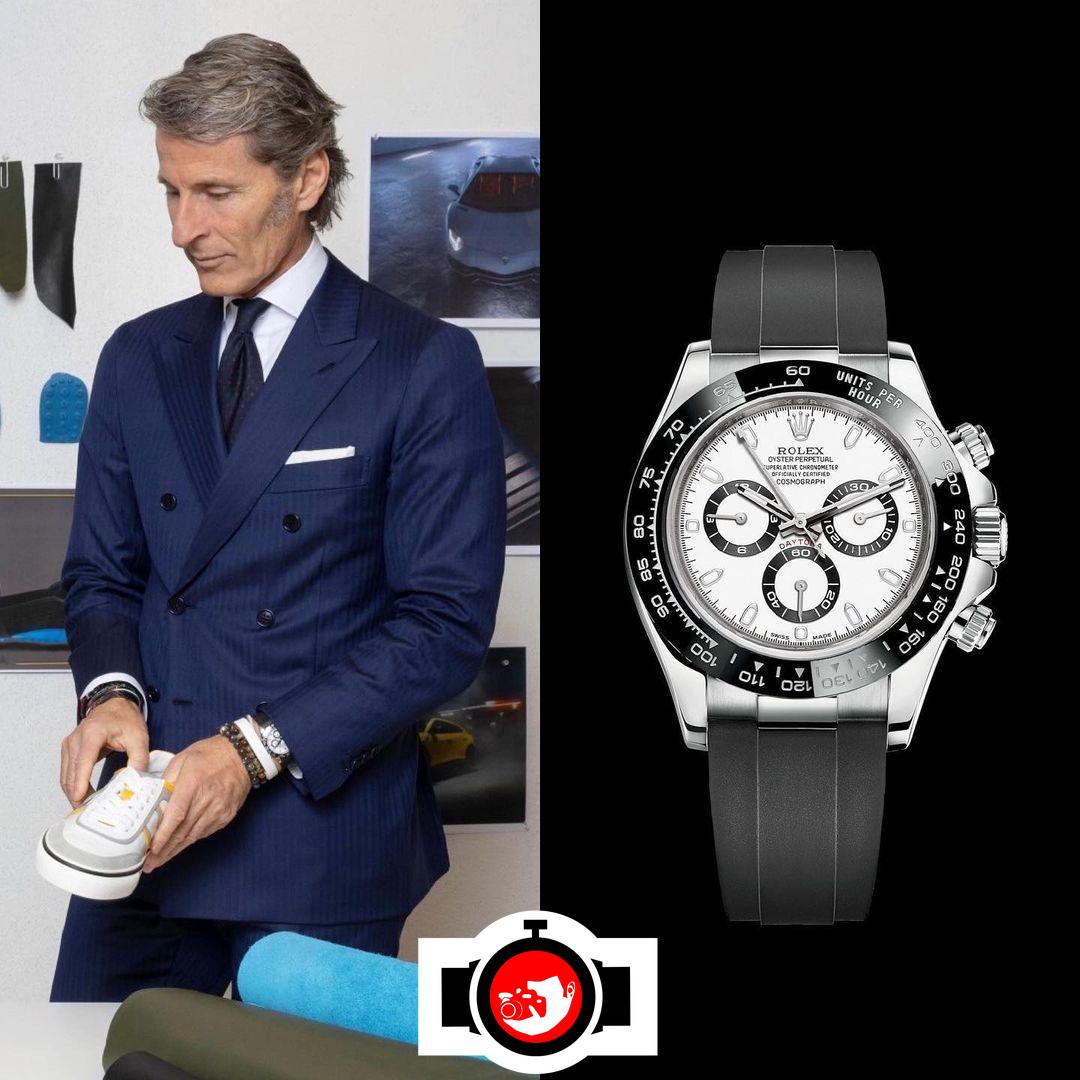
Stephan Winkelmann wearing Rolex
Rolex Cosmograph Daytona 'Panda' Ref. 116500LN Stainless Steel White Dial – Stephan Winkelmann

Stephan Winkelmann wearing Jacob & Co
Jacob & Co Epic X Chrono Bugatti Edition Forged Carbon EC311.21.AE.AB.ABUГА – Stephan Winkelmann Sighting
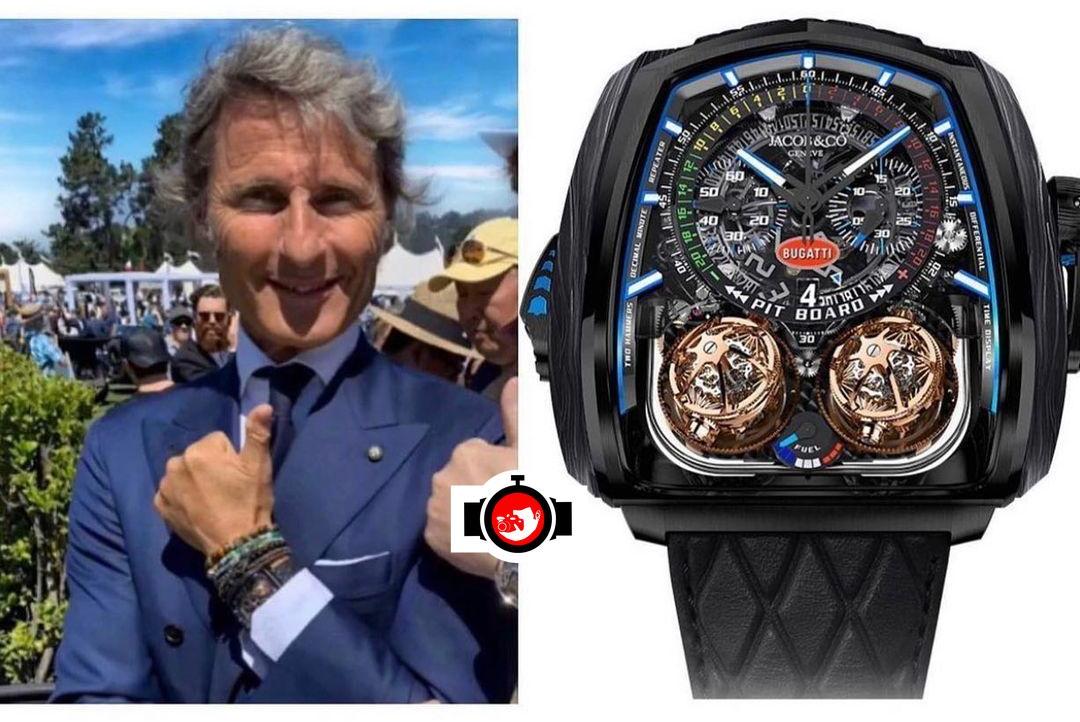
Stephan Winkelmann wearing Jacob & Co
Black DLC Titanium & Forged Carbon Jacob & Co x Bugatti 'Twin Turbo Furious Bugatti' Ref. TT200.21.AA.AA.A
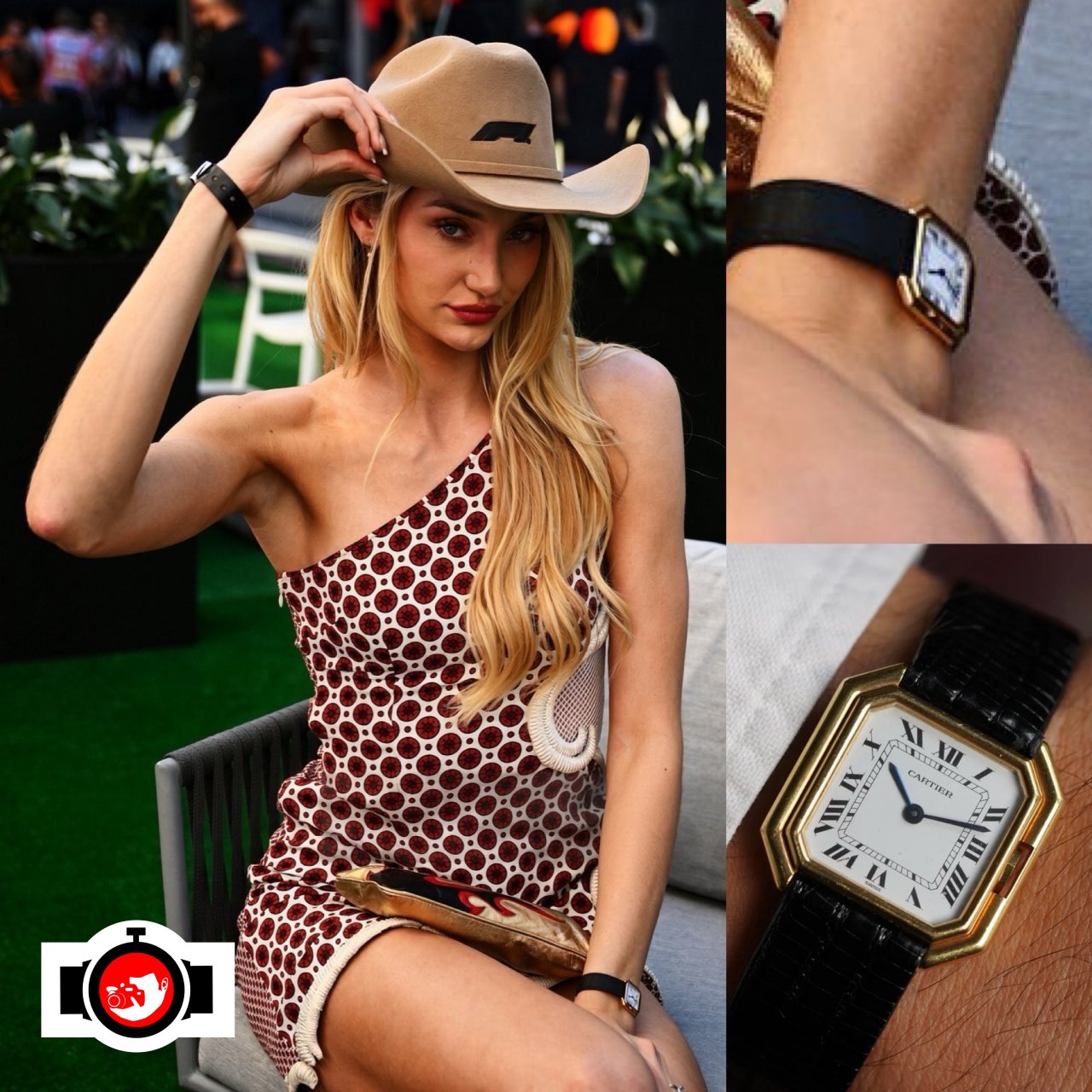
Cameron Brink wearing Cartier
18k Yellow Gold Cartier Ceinture with Roman Numeral Dial and Black Leather Strap
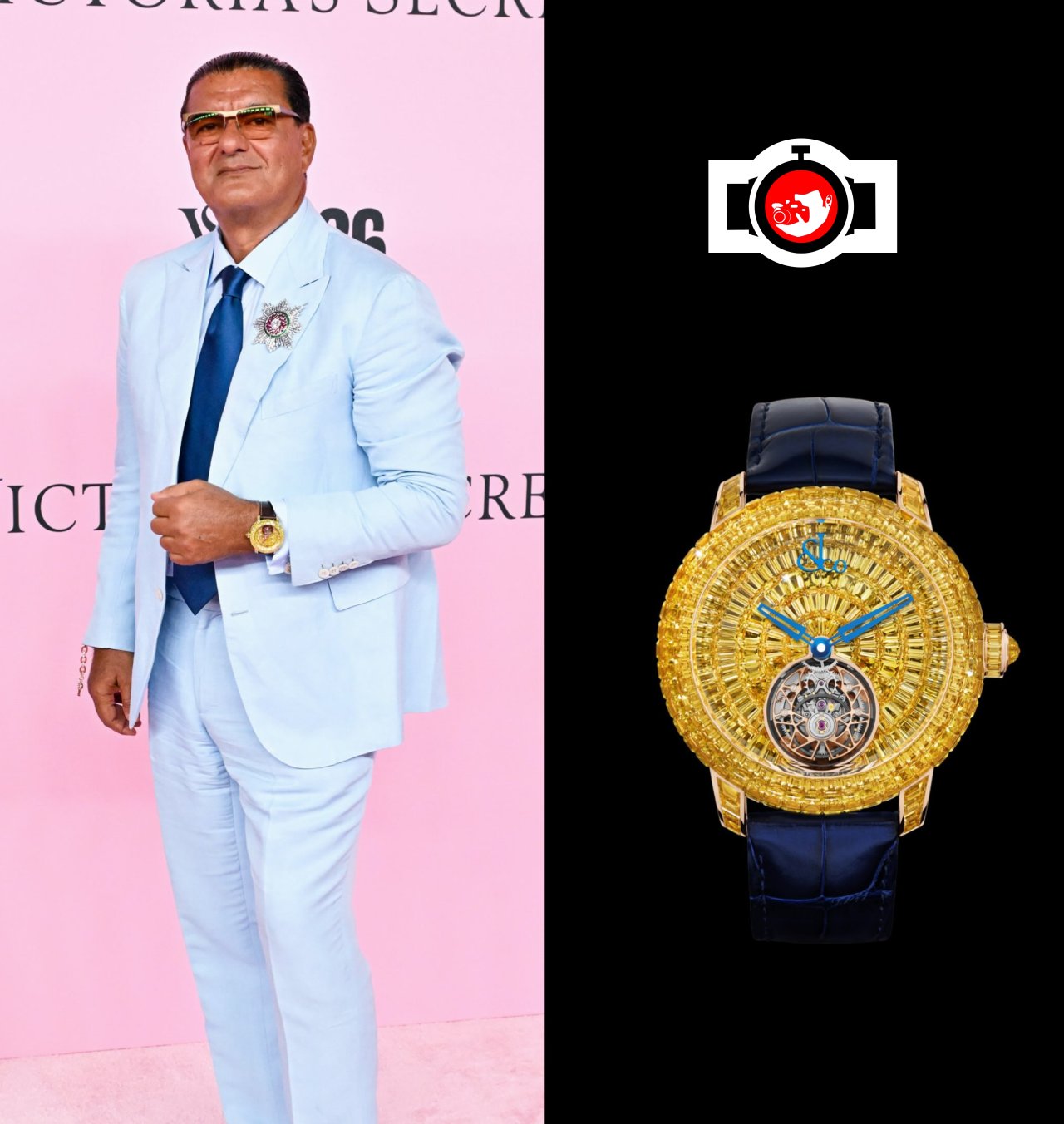
Jacob Arabo wearing Jacob & Co.
18K Rose Gold Jacob & Co. Caviar Tourbillon with Yellow Sapphires and Flying Tourbillon
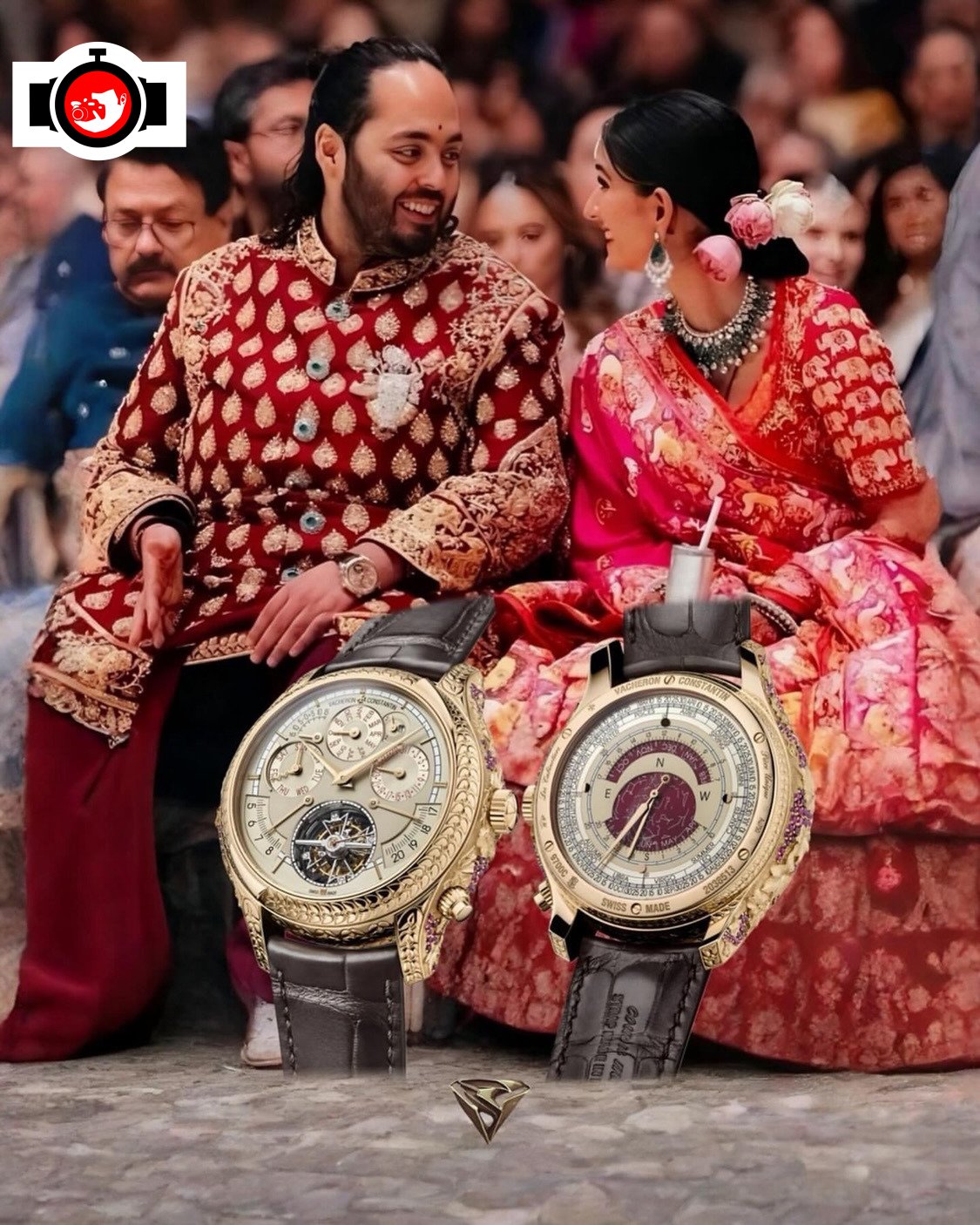
Anant Ambani wearing Vacheron Constantin
18K 5N Gold Vacheron Constantin Les Cabinotiers Grande Complication Bacchus Double-Sided Wristwatch with 16 Complications, Minute Repeater, and Tourbillon
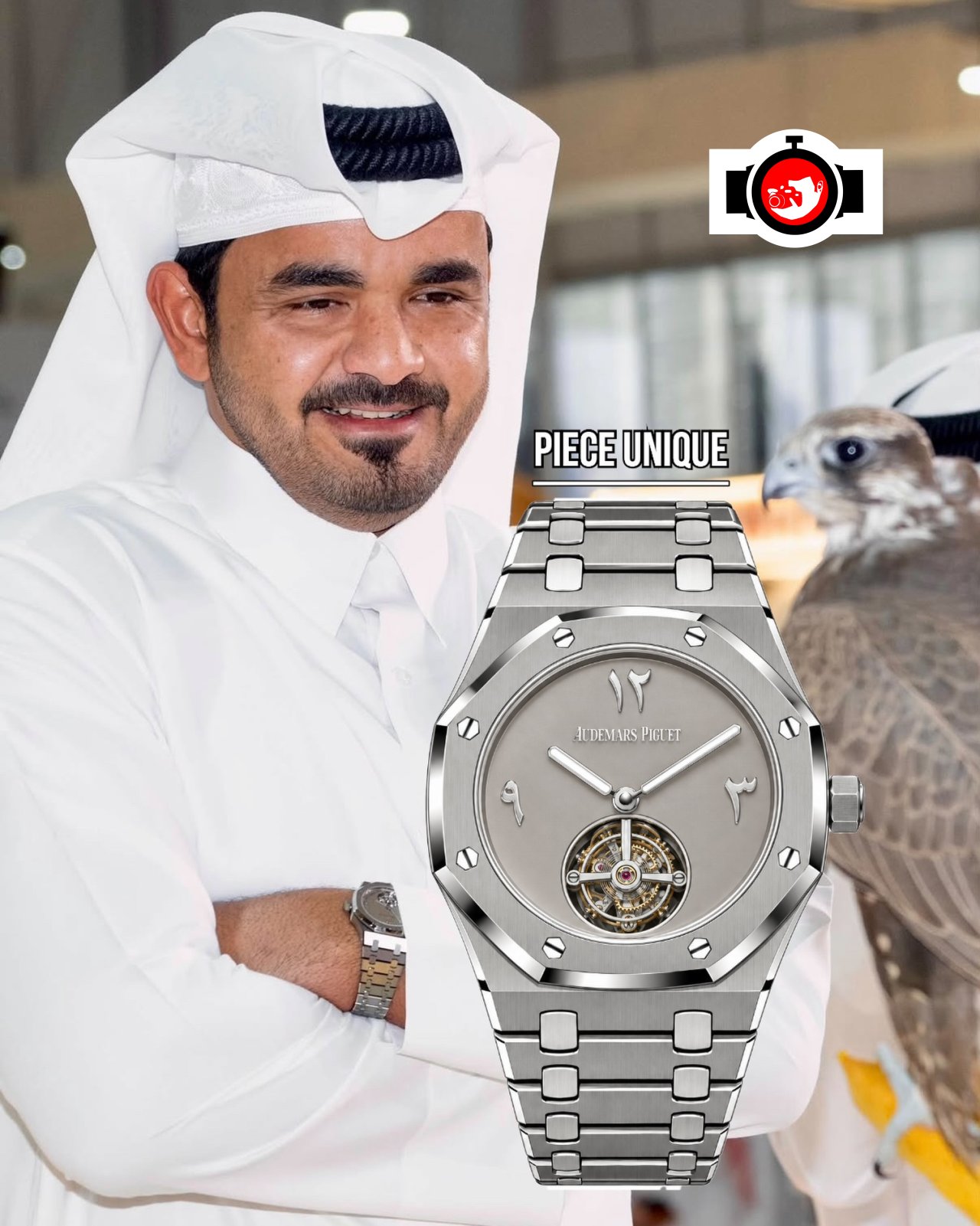
Crown Prince of Qatar wearing Audemars Piguet
Titanium Audemars Piguet Royal Oak Tourbillon with Arabic Numerals and Grey Dial

Sheikh Mohamed bin Zayed Al Nahyan wearing Nuncier
Nuncier Carbon Tech Special Edition Watch with Eastern Arabic Numerals and Monochromatic Dial
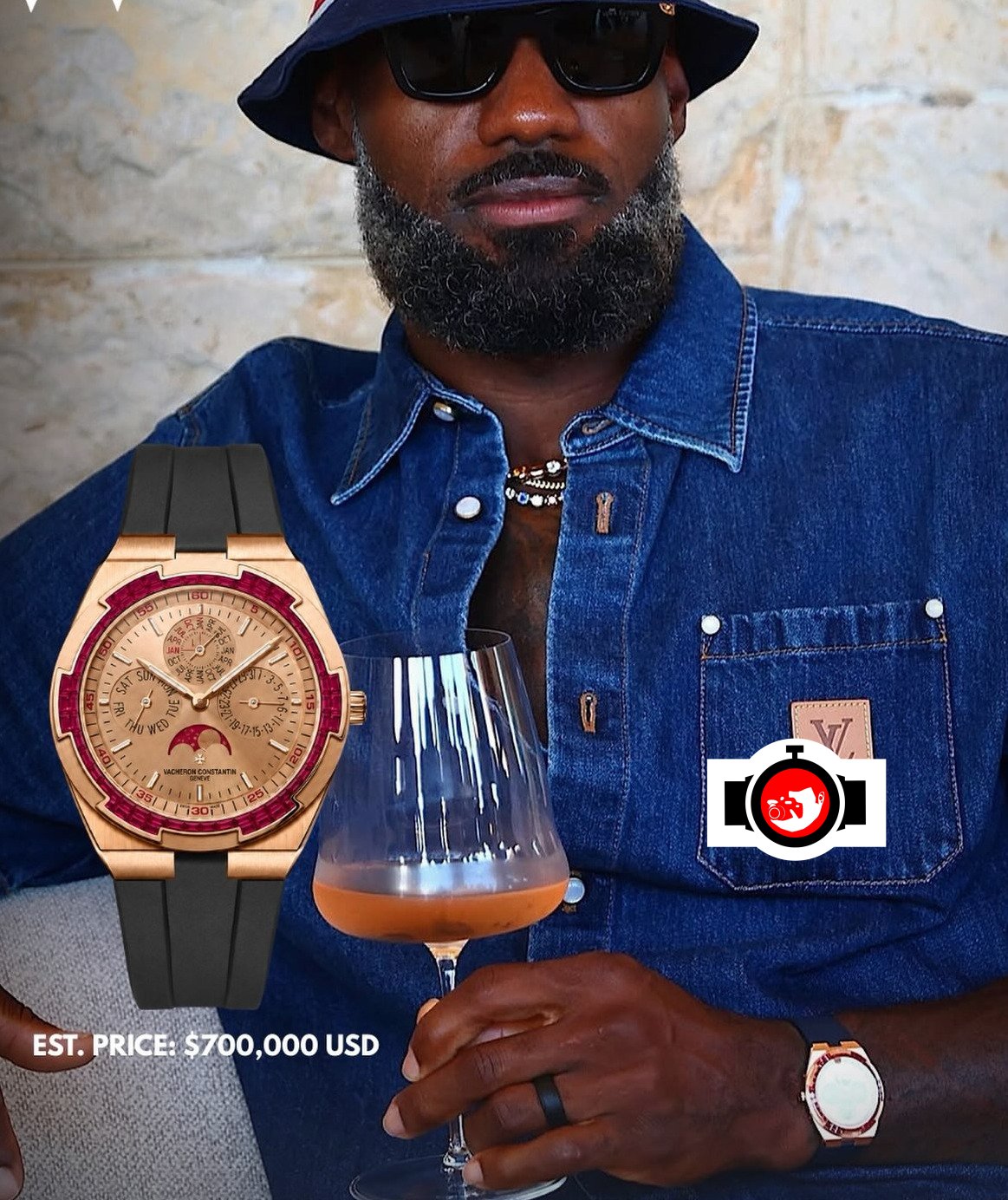
LeBron James wearing Vacheron Constantin
18K Rose Gold Vacheron Constantin Perpetual Calendar with Ruby-Set Baguette Bezel and Rose Dial
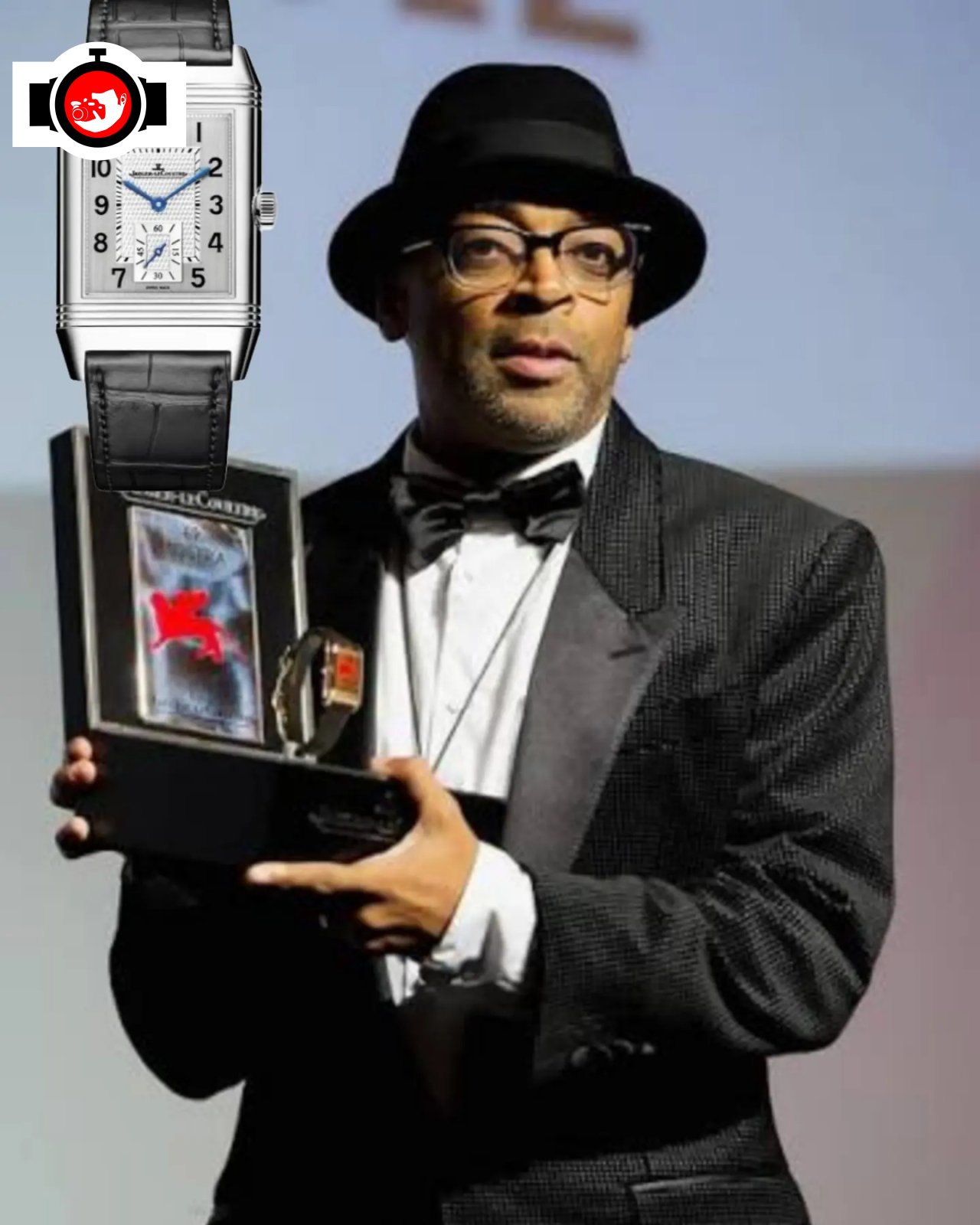
Spike Lee wearing Jaeger LeCoultre
Jaeger-LeCoultre Reverso Custom Presentation Watch — Spike Lee Venice Film Festival Award
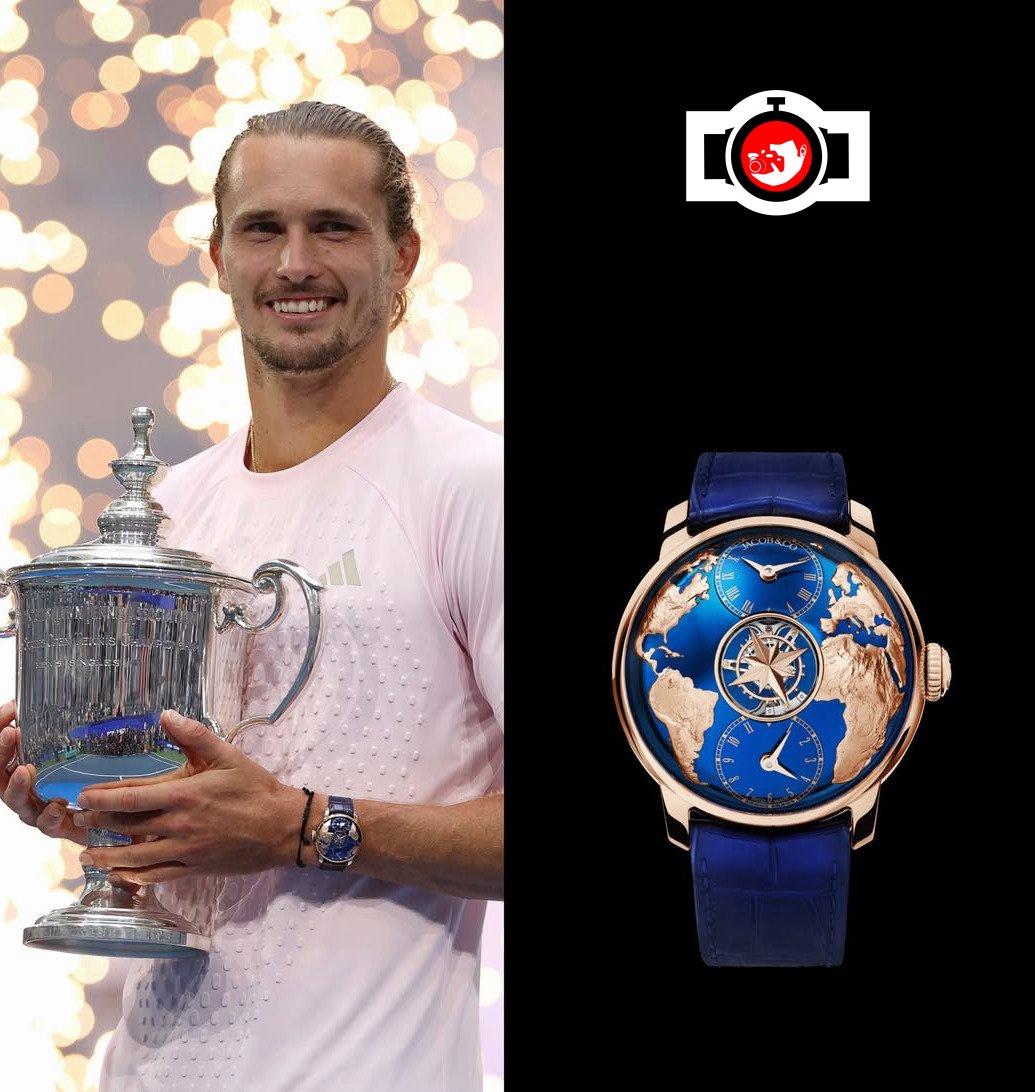
Alexander Zverev wearing Jacob & Co.
Jacob & Co. The World Is Yours Dual Time Zone Tourbillon with World Map Dial and Blue Leather Strap
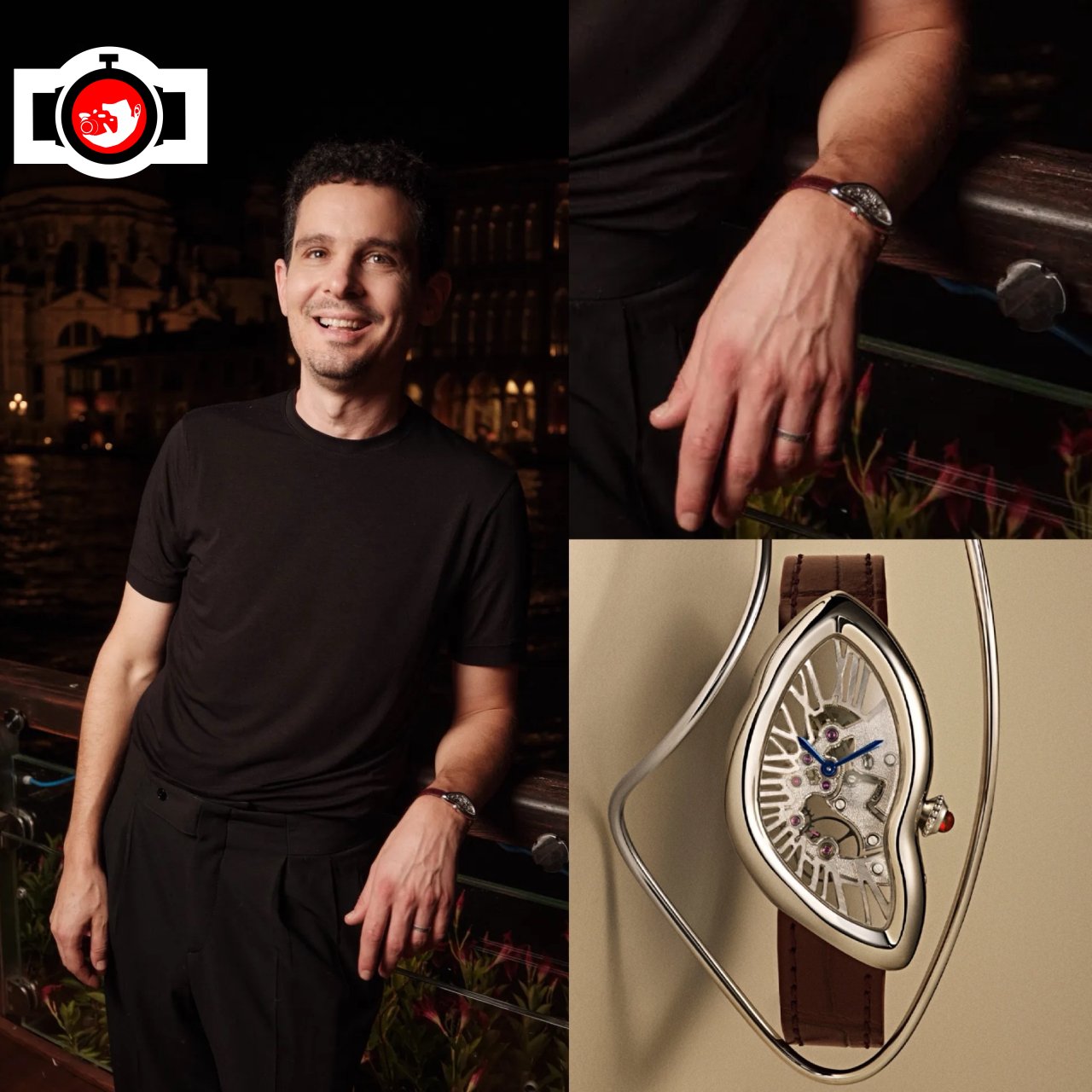
Damien Chazelle wearing Cartier
Platinum Cartier Crash Skeleton with Burgundy Accents and Calibre 1967 MC