
Tennis player Stan Wawrinka spotted wearing a Audemars Piguet
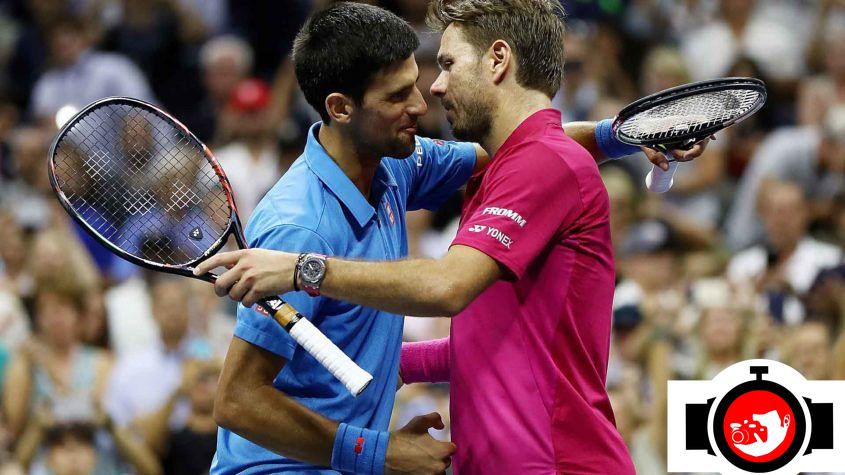
At the conclusion of the 2016 US Open men's singles final, as Stan Wawrinka embraced a defeated Novak Djokovic at the net, the camera caught a telling glint on his left wrist — the distinctive octagonal bezel of an Audemars Piguet Royal Oak Offshore Chronograph in steel. Wawrinka had worn this same piece across every round of the tournament, an unusual detail that transforms a routine celebrity sighting into a genuinely compelling watch story.
The Royal Oak Offshore Chronograph in 42mm steel — most likely reference 26170ST.OO.1000ST.08 or a closely related variant from that generation — is built around AP's calibre 3126/3840, a self-winding movement with a 50-hour power reserve, column-wheel chronograph mechanism, and a 21,600 vph beat rate. The case measures 42mm across and 14.4mm thick, finished in brushed and polished steel with the model's signature 'tapisserie' patterned dial, oversized pushers, and rubber-integrated bracelet. It is a substantial, unambiguously sporty tool watch — not the obvious choice for a red-carpet appearance, but entirely credible on a tournament-winning wrist.
The Royal Oak Offshore, introduced in 1993 as a deliberately oversized, more aggressive interpretation of Gerald Genta's original 1972 Royal Oak, has developed its own distinct collector following. The steel chronograph variants occupy a sweet spot in the market — accessible relative to precious-metal references, yet mechanically serious and aesthetically bold. Wawrinka's choice of steel over gold reads as considered rather than conservative.
Wawrinka has a long-standing relationship with Audemars Piguet, having served as a brand ambassador. Yet wearing a personal piece through an entire Grand Slam — not a bespoke tournament edition, not a presentation model — carries a different weight. It suggests genuine attachment rather than contractual visibility.
On the secondary market, steel Royal Oak Offshore Chronograph references from this era trade at a modest premium to retail, reflecting steady demand among sport-watch collectors. The 2016 US Open association, while not formally certified by AP, adds a layer of provenance that serious collectors will note. For a watch already defined by performance credentials, that context is anything but incidental.
More watches like this
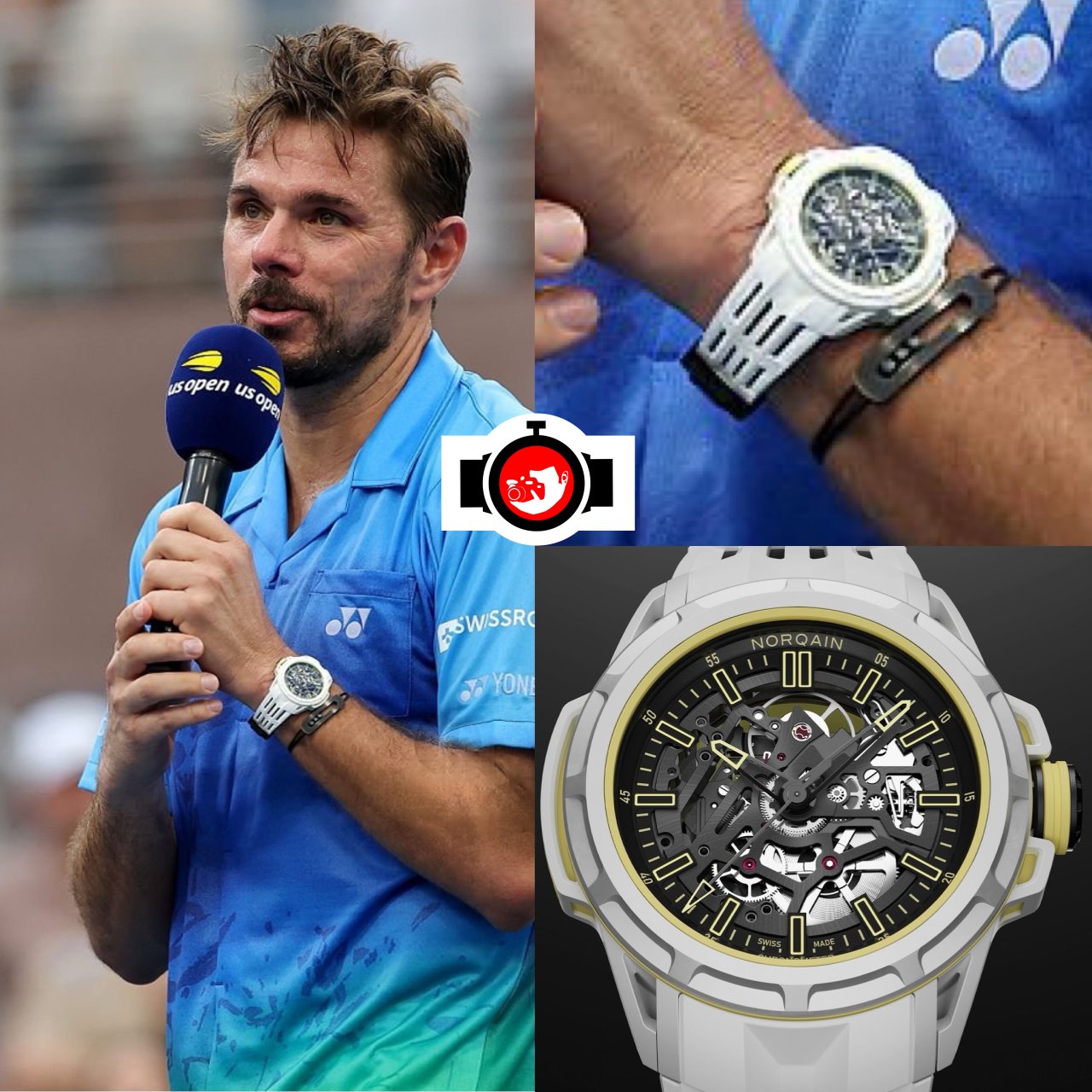
Stan Wawrinka wearing Norqain
Norqain Wild ONE Skeleton X-Lite 'Wimbledon White' Prototype with X-Lite Carbon Fiber Composite Case
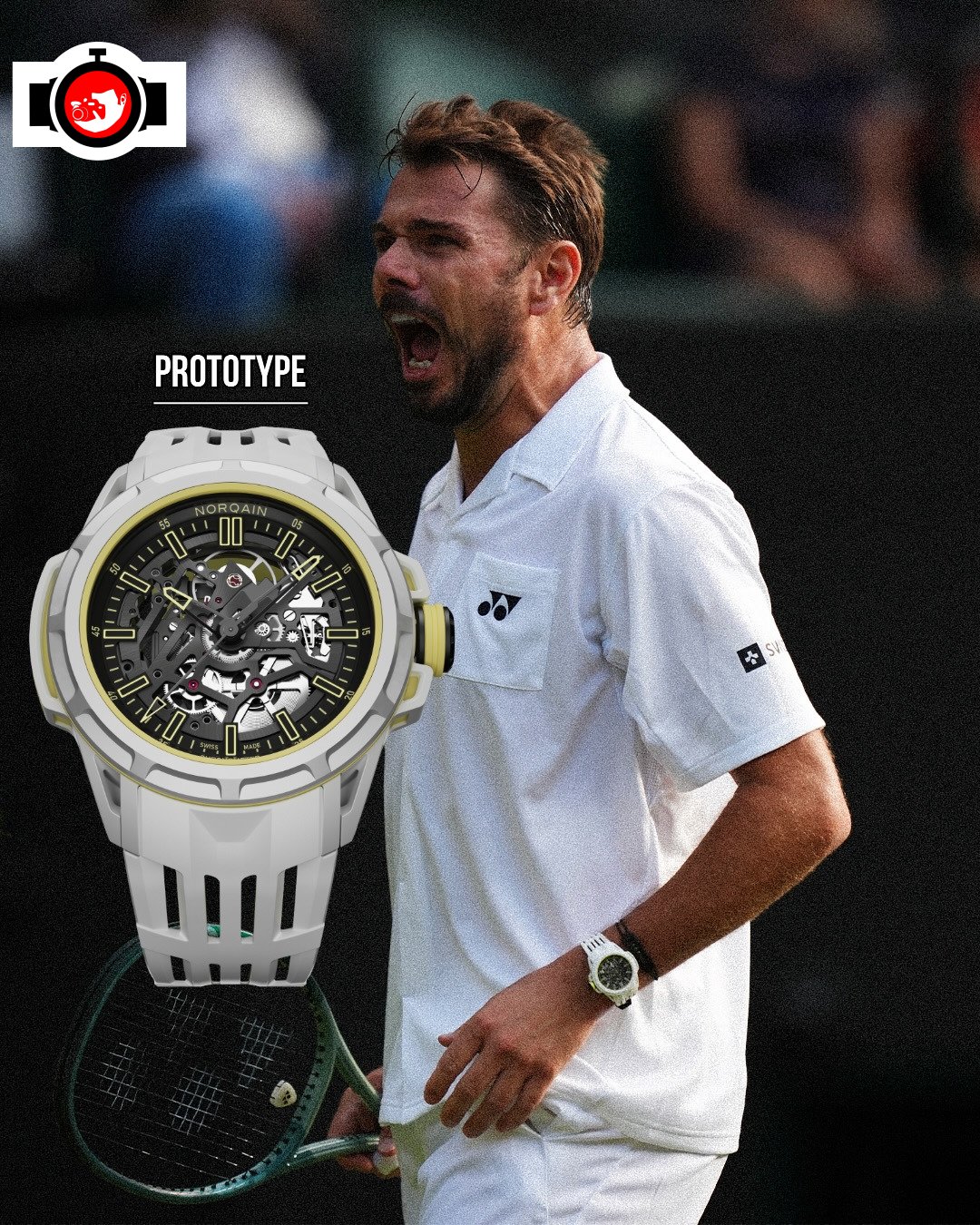
Stan Wawrinka wearing Norqain
Norqain Wild ONE Skeleton X-Lite 41mm Prototype – White Case with Skeletonized Dial and Gold Accents
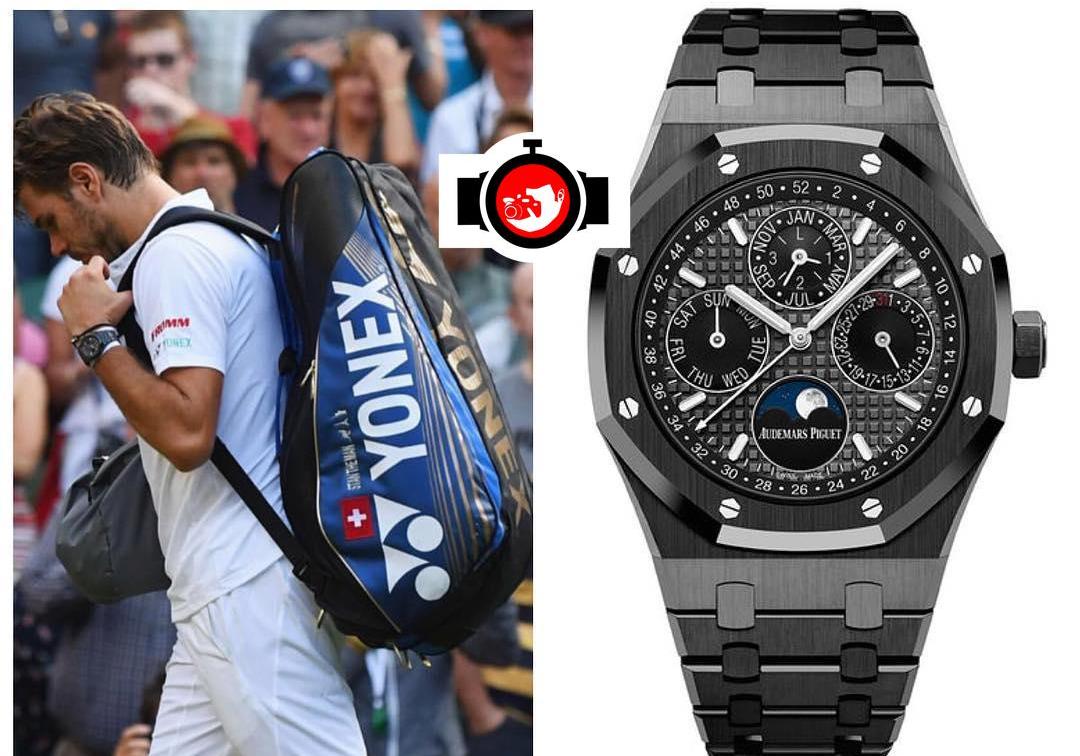
Stan Wawrinka wearing Audemars Piguet
Audemars Piguet Royal Oak Perpetual Calendar Black Ceramic Reference 26579CE
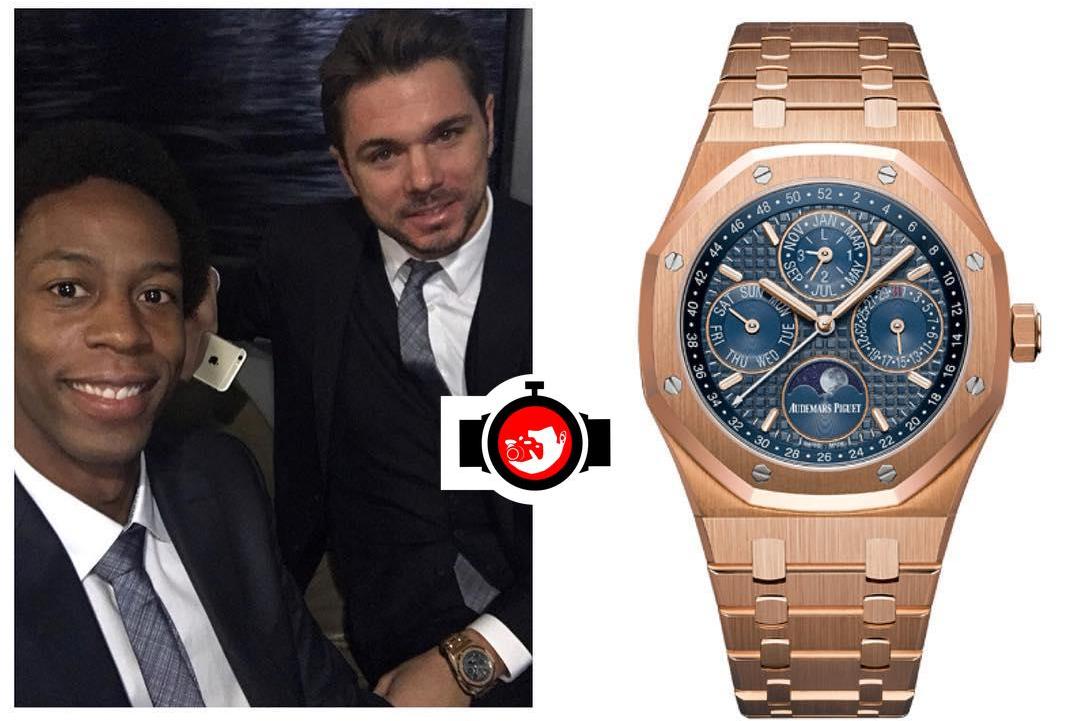
Stan Wawrinka wearing Audemars Piguet
Audemars Piguet Royal Oak Perpetual Calendar 18kt Pink Gold – Reference 26574OR

Stan Wawrinka wearing Audemars Piguet
Audemars Piguet Royal Oak Offshore Chronograph Steel Blue Dial Stan Wawrinka Special Edition – Limited to 12 Pieces
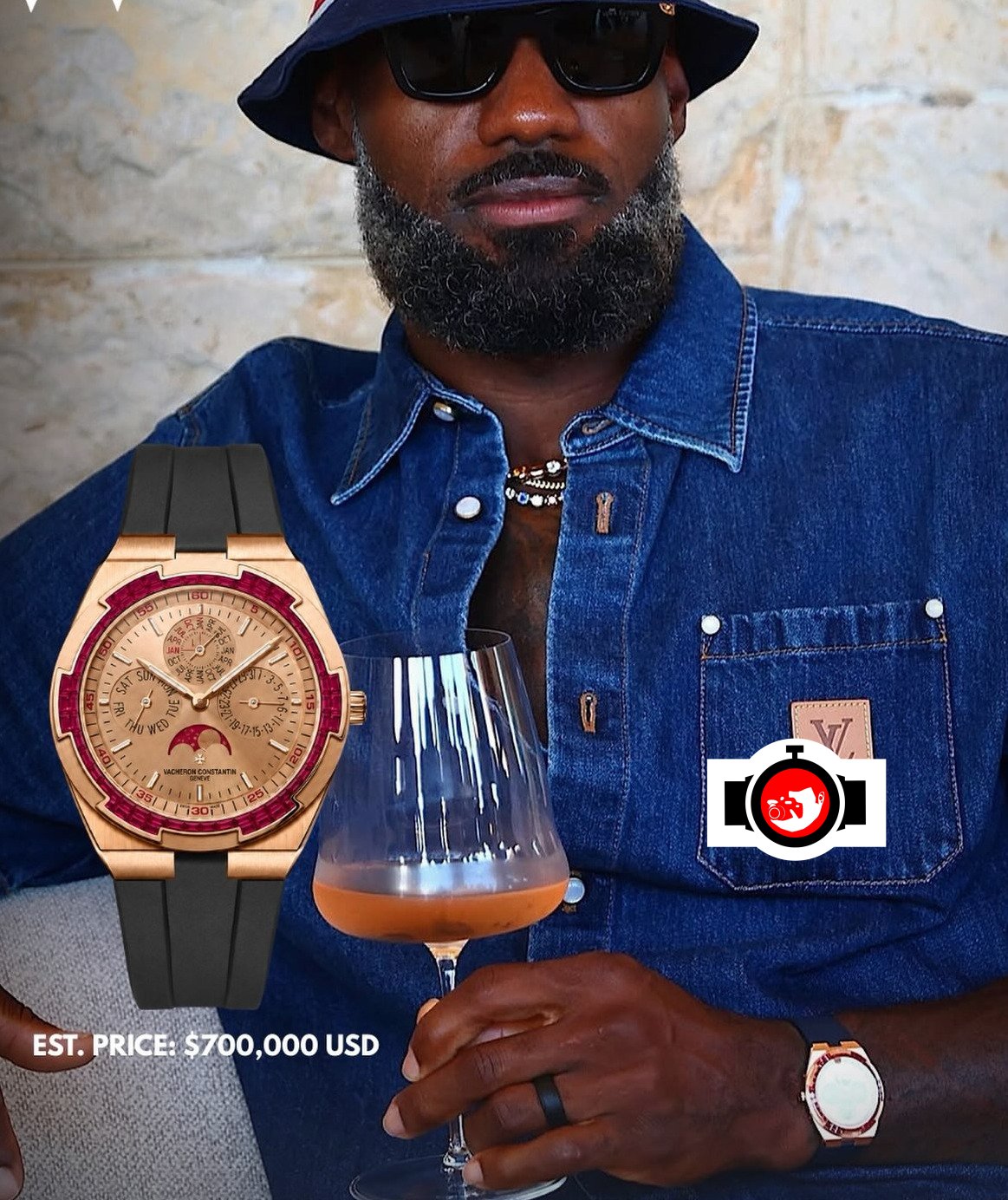
LeBron James wearing Vacheron Constantin
18K Rose Gold Vacheron Constantin Perpetual Calendar with Ruby-Set Baguette Bezel and Rose Dial
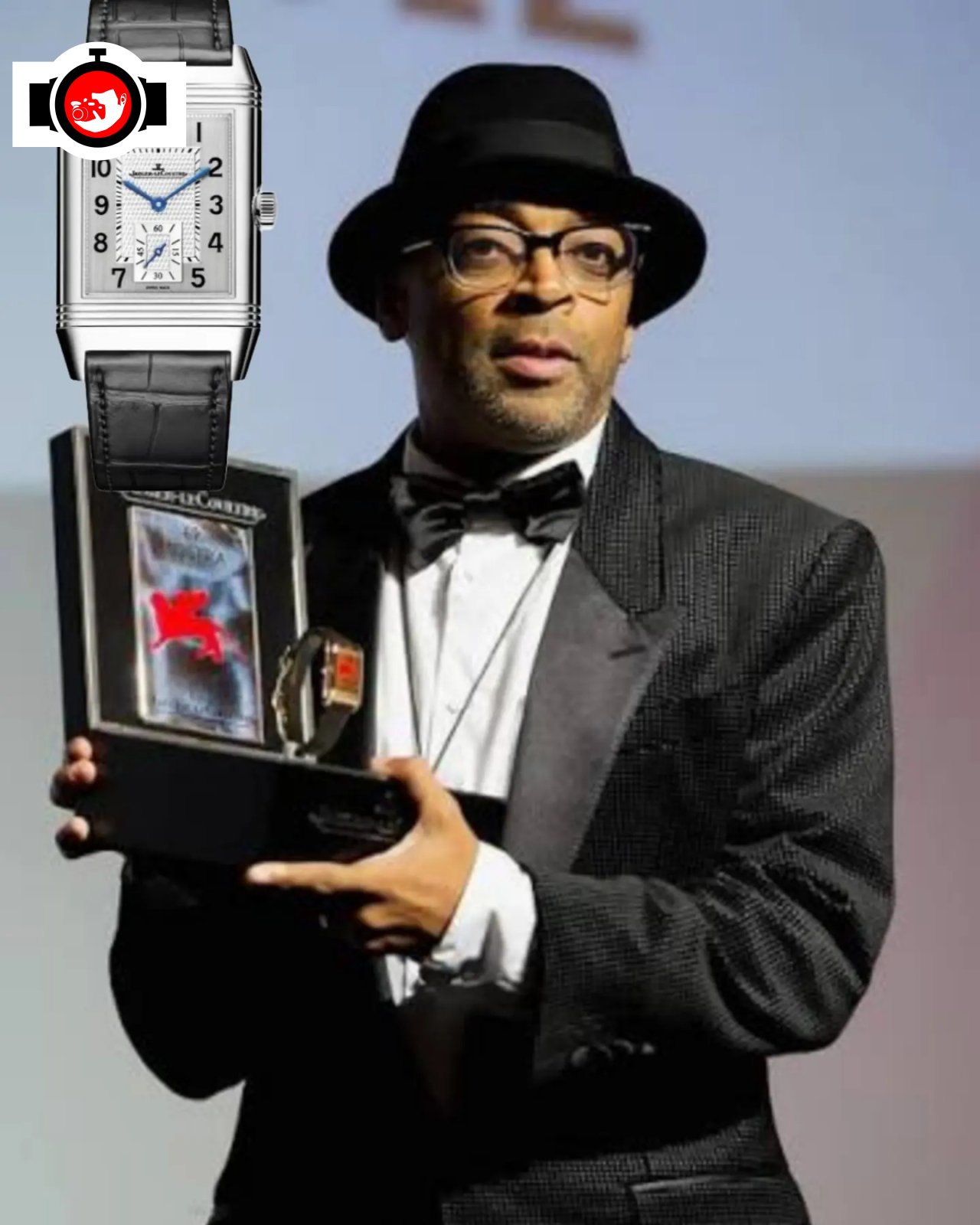
Spike Lee wearing Jaeger LeCoultre
Jaeger-LeCoultre Reverso Custom Presentation Watch — Spike Lee Venice Film Festival Award
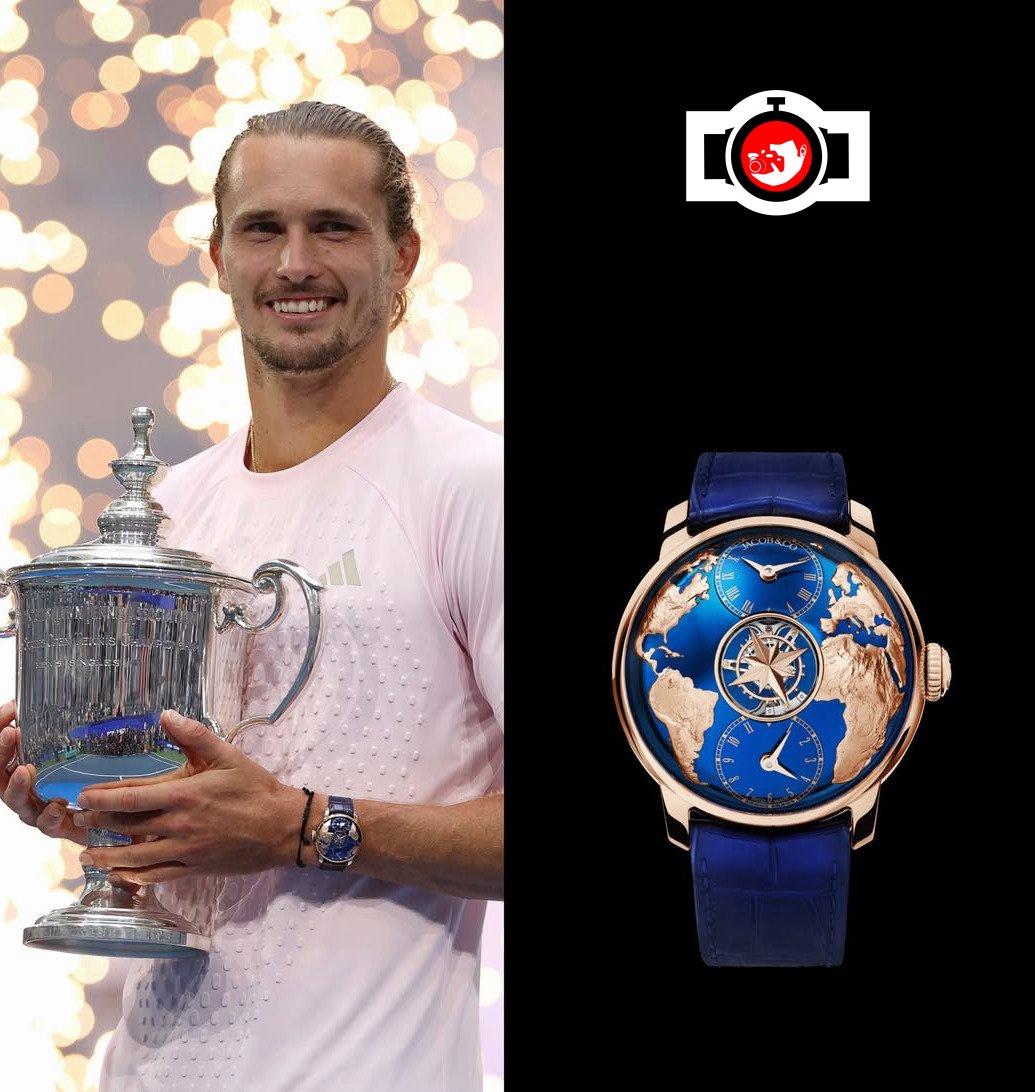
Alexander Zverev wearing Jacob & Co.
Jacob & Co. The World Is Yours Dual Time Zone Tourbillon with World Map Dial and Blue Leather Strap
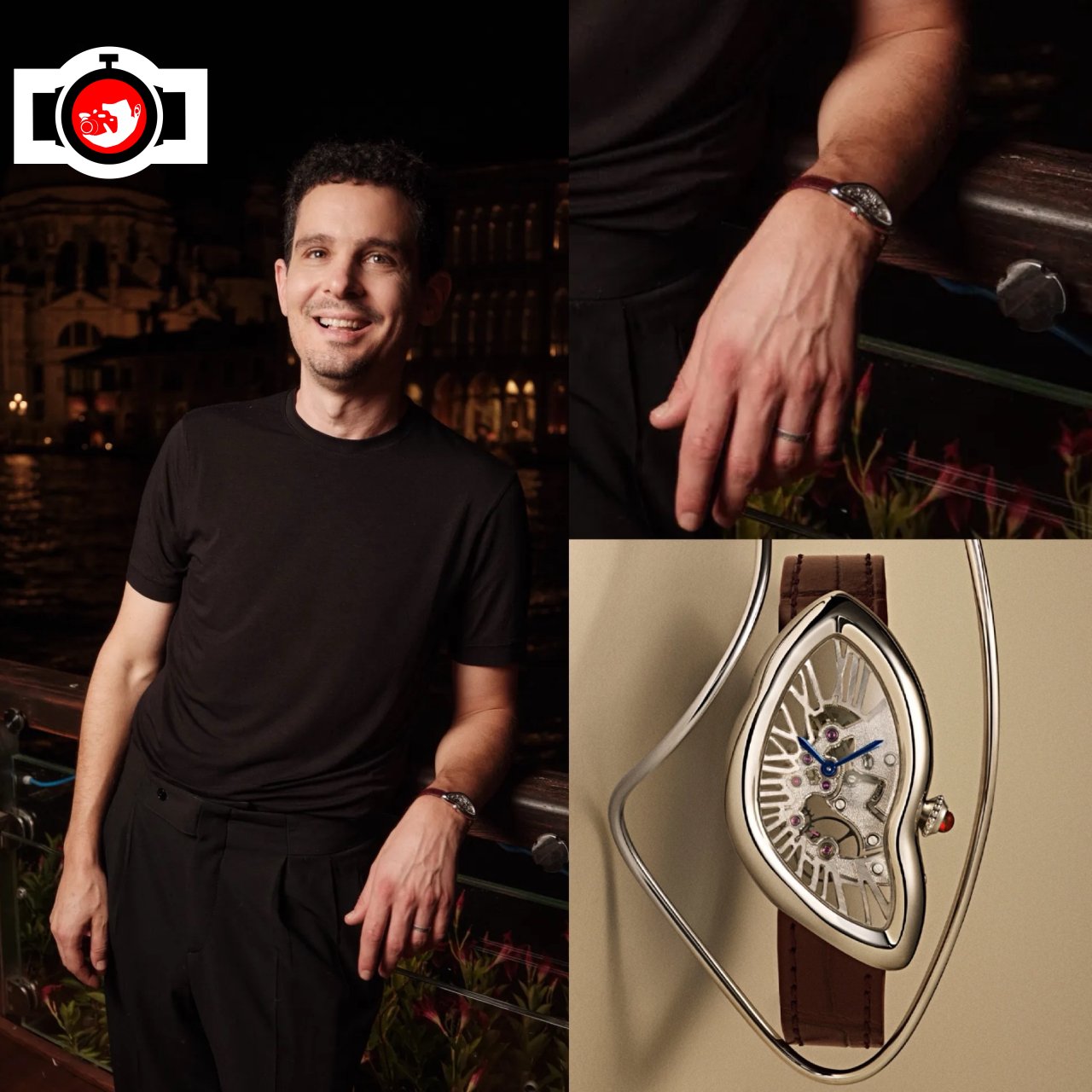
Damien Chazelle wearing Cartier
Platinum Cartier Crash Skeleton with Burgundy Accents and Calibre 1967 MC
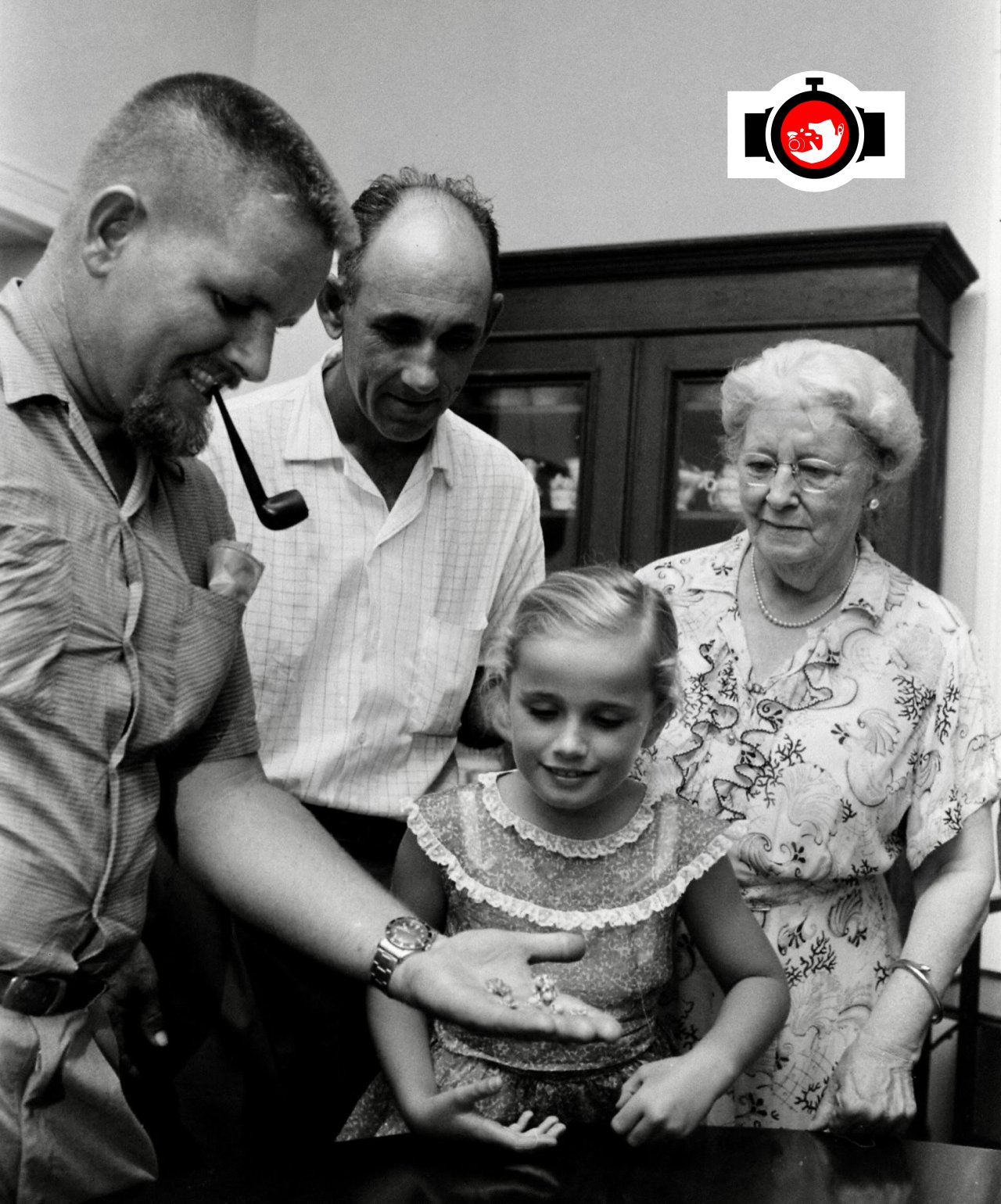
Teddy Tucker wearing Rolex
Rolex Submariner with Inward-Facing Dial – Teddy Tucker's Treasure Hunter's Watch
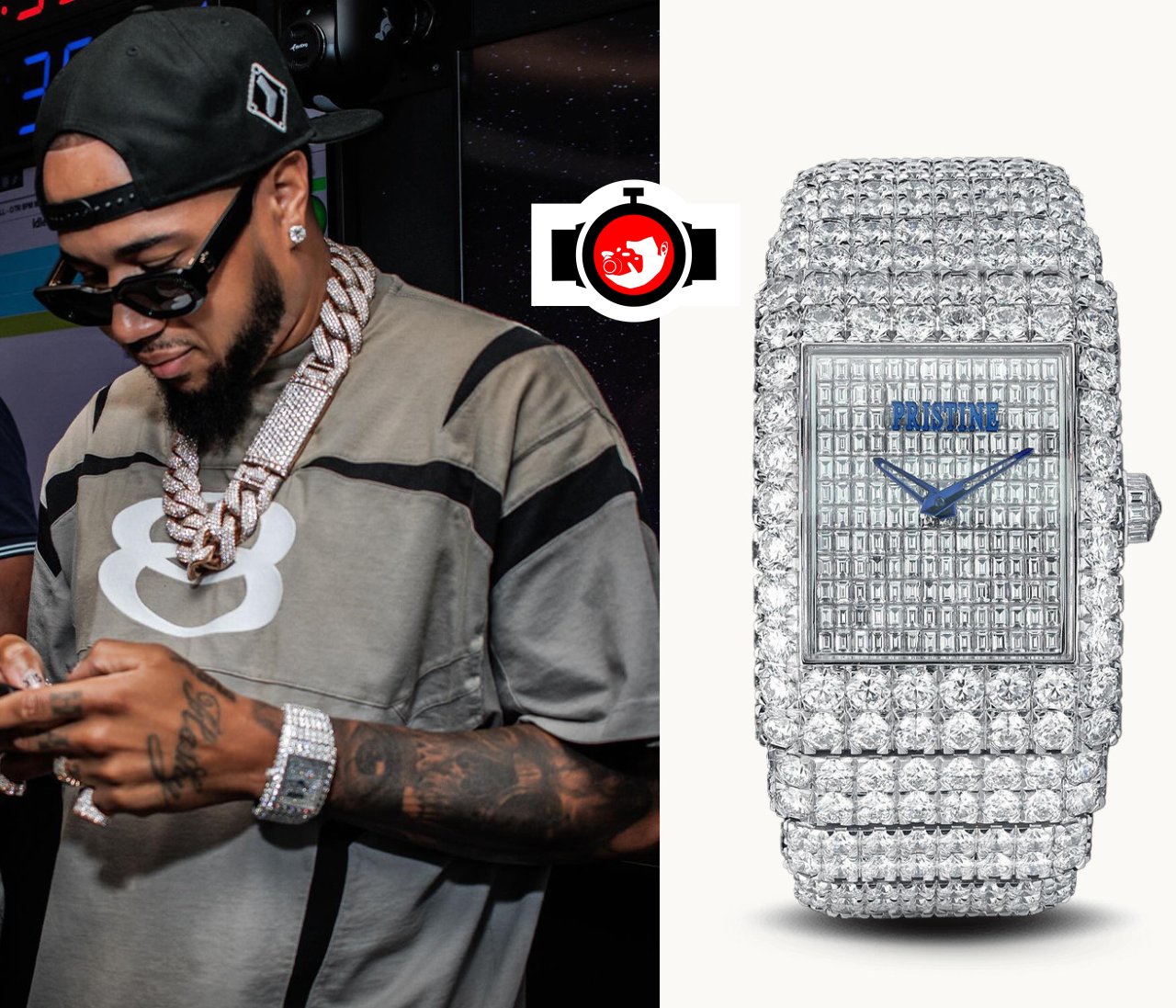
Mazi VS wearing Pristine
18K White Gold Pristine Custom Diamond Watch with Baguette Diamond Dial and 100.75 Carats
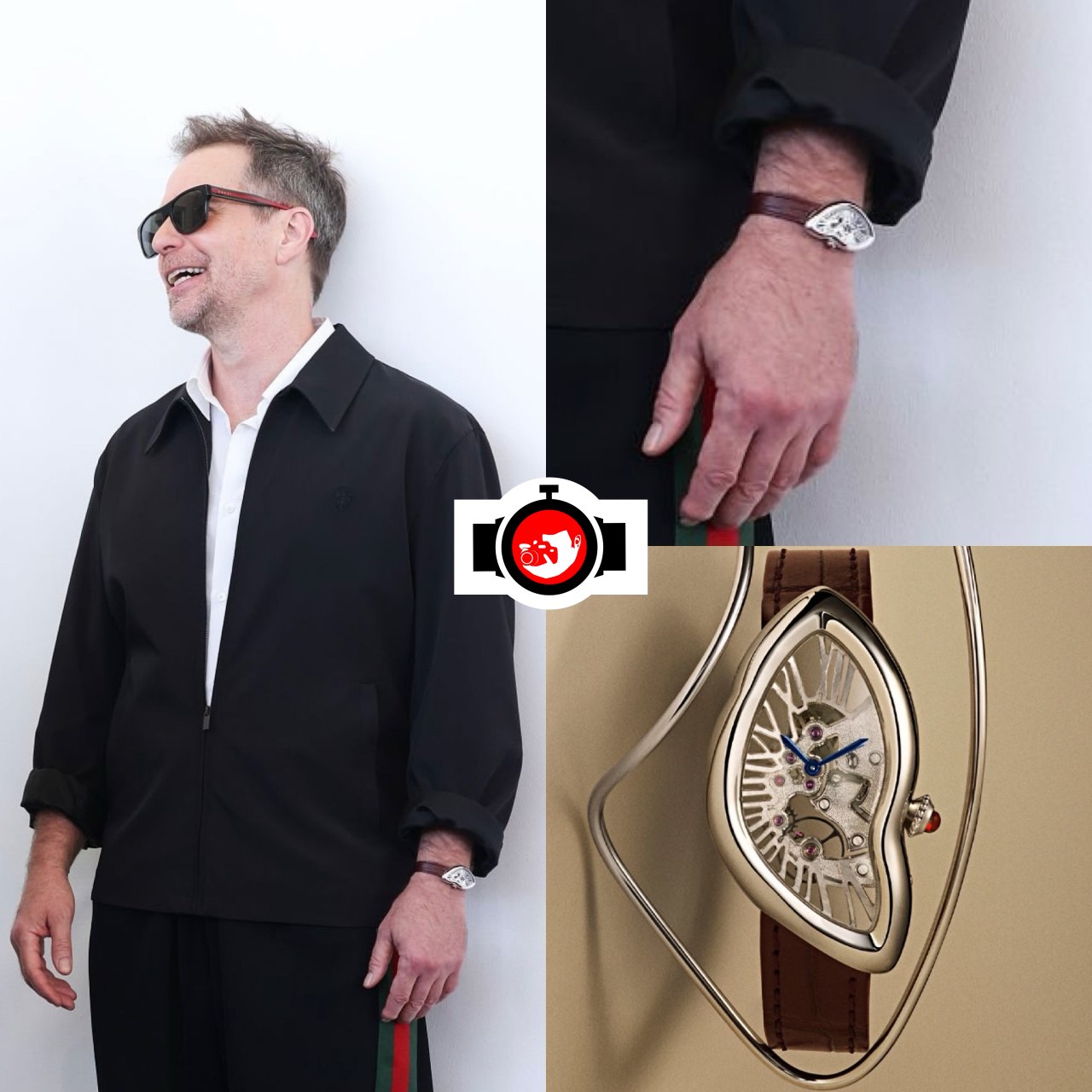
Sam Rockwell wearing Cartier
Platinum Cartier Crash Squelette Skeleton with Burgundy Dial and Calibre 1967 MC