
Politician Rajendra Prasad spotted wearing a Rolex
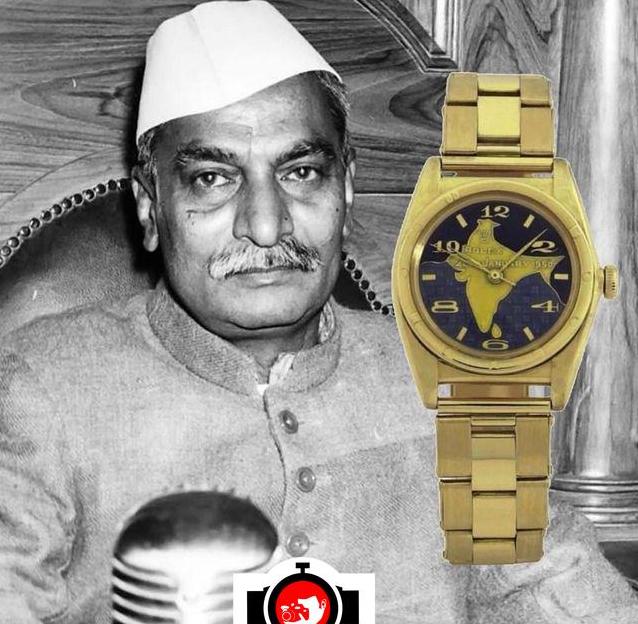
On January 26, 1950, as India's constitutional republic came into being, Dr. Rajendra Prasad accepted the oath of office as the nation's first President — and received one of the most historically charged wristwatches ever commissioned. The piece in question: a bespoke 18K yellow gold Rolex Oyster Perpetual bearing a dial depicting the map of the Indian subcontinent, framed by Arabic numerals on a deep navy background, with the inscription marking Republic Day, 26 January 1950. Rolex produced exactly two examples of this commission; the second was intended for Prime Minister Jawaharlal Nehru. No other examples are known to exist.
The watch sits within the broad Oyster Perpetual family of the early 1950s — a period when Rolex was refining its self-winding Perpetual rotor movement, housed in the robust, water-resistant Oyster case that Hans Wilsdorf had patented in 1926. The yellow gold Oyster case of this era features a cushion-adjacent round profile, the characteristic fluted or smooth bezel typical of dress references of the period, and a gold integrated or semi-integrated bracelet consistent with presentation pieces of state. The dial, clearly bespoke, was almost certainly executed by an independent specialist dial maker working to Rolex's specifications — a practice common for diplomatic and commemorative commissions of the era.
From a collector standpoint, this piece occupies a category beyond conventional rarity. Unique provenance watches tied to founding heads of state represent the apex of political horology. Comparable items — Eisenhower's Rolex Day-Date, for instance — command stratospheric premiums at auction precisely because the object encodes a moment of historical rupture. A watch presented on the first day of a republic's existence, to its first president, is not merely a timepiece but a constitutional artifact.
Dr. Rajendra Prasad, born in 1884 in Bihar, was a jurist, independence leader, and close associate of Mahatma Gandhi. He served as President from 1950 to 1962 — the only person to hold the office for two terms. The watch was stolen from Sadaqat Ashram, his residence in Patna, in 1964, two years after his death. Its subsequent reappearance has kept it alive in Indian horological and historical circles.
Given its unique status, no grey-market or auction comparable exists. Were it ever to surface at Christie's or Sotheby's, estimates would likely open north of $500,000, driven entirely by provenance rather than reference scarcity. The Rolex Oyster Perpetual 'Map of India' remains one of South Asia's great missing horological treasures.
More watches like this
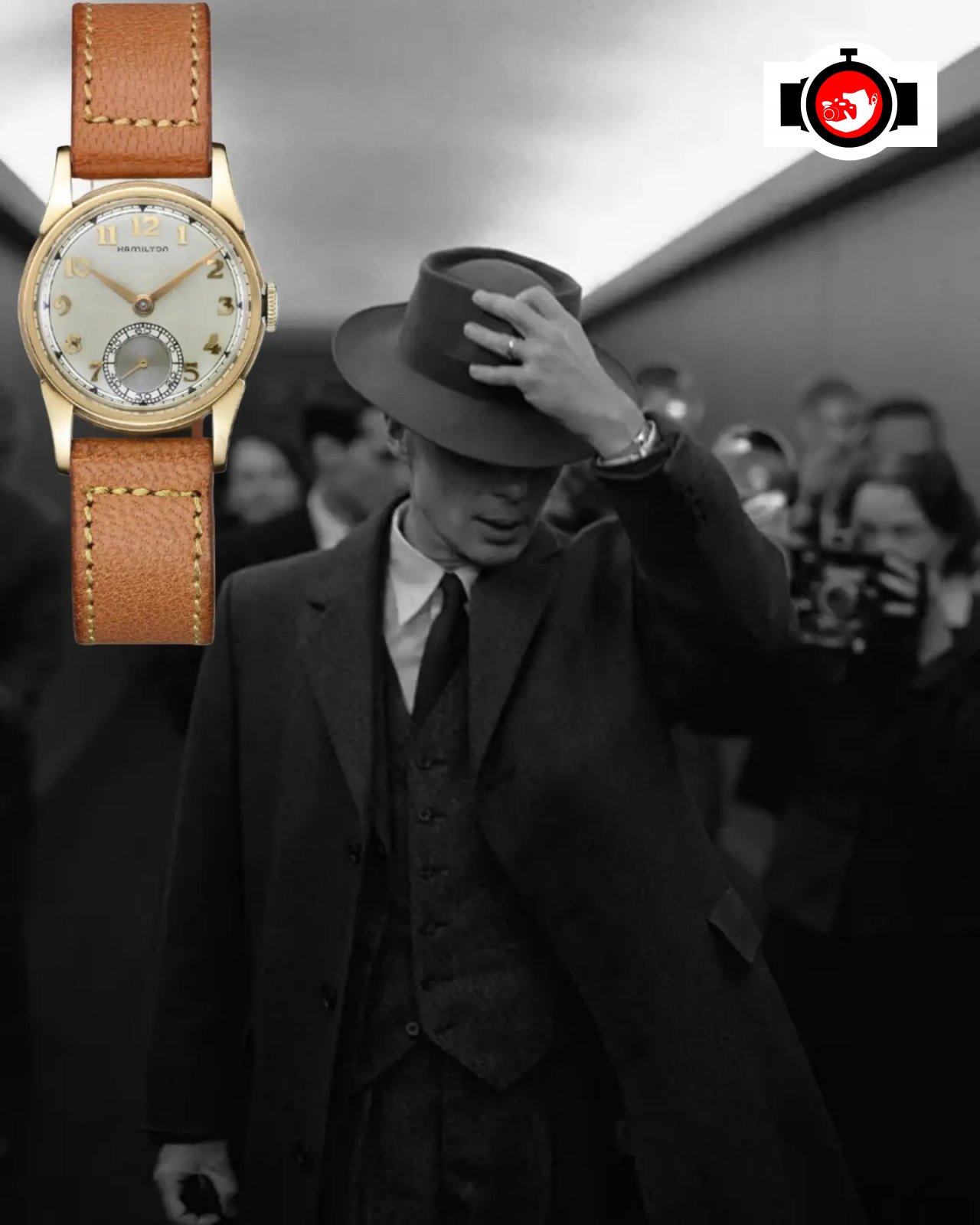
Cillian Murphy wearing Hamilton
Vintage Hamilton 1930s Gold Case Watch with Arabic Numerals and Sub-Seconds Dial

Kostas Tsimikas wearing Audemars Piguet
Yellow Gold Audemars Piguet Vintage Ultra-Thin Dress Watch with Dark Dial and Mesh Bracelet
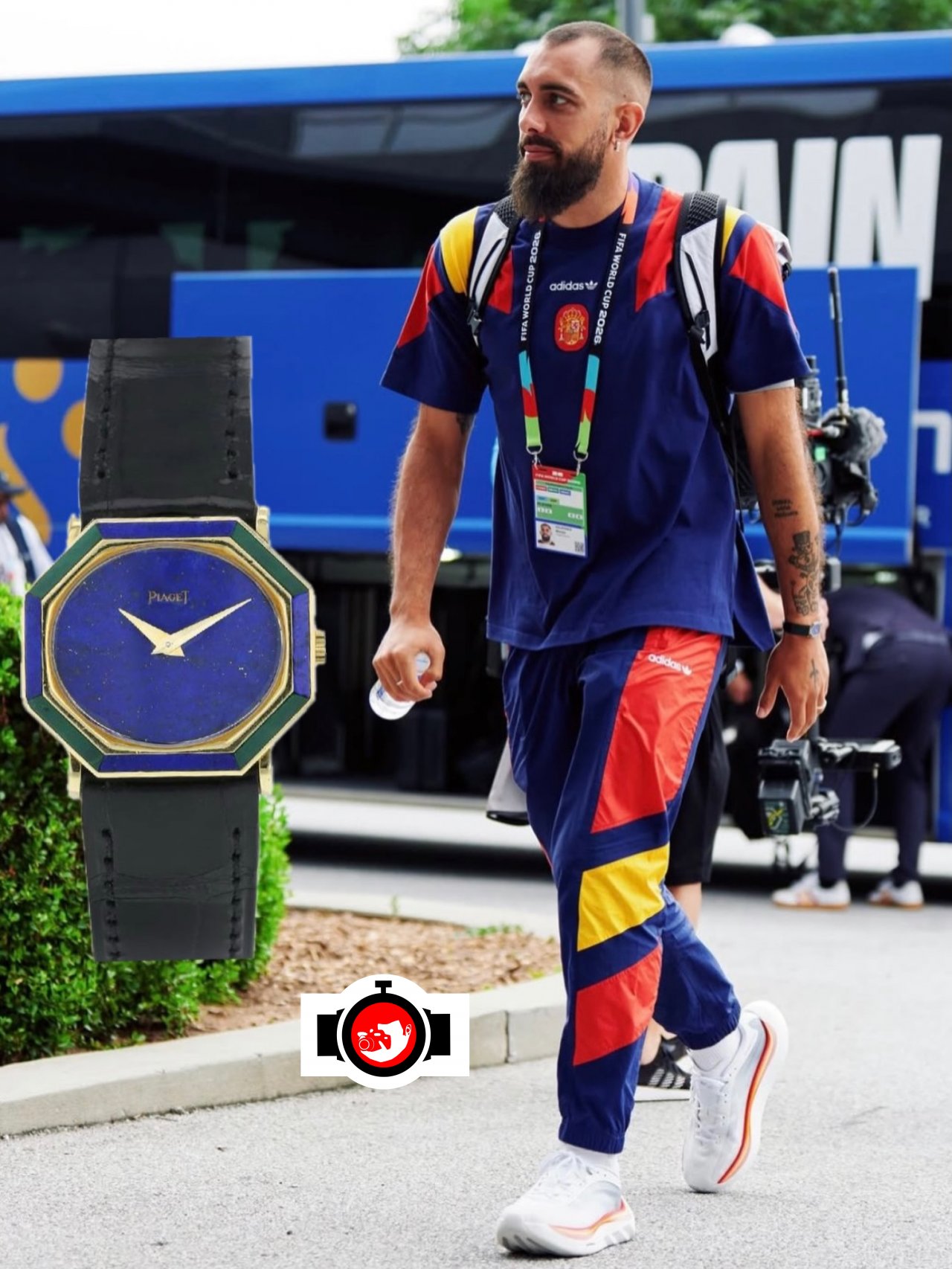
Borja Iglesias wearing Piaget
Piaget Octagonal Vintage Gold and Steel Watch with Blue Dial
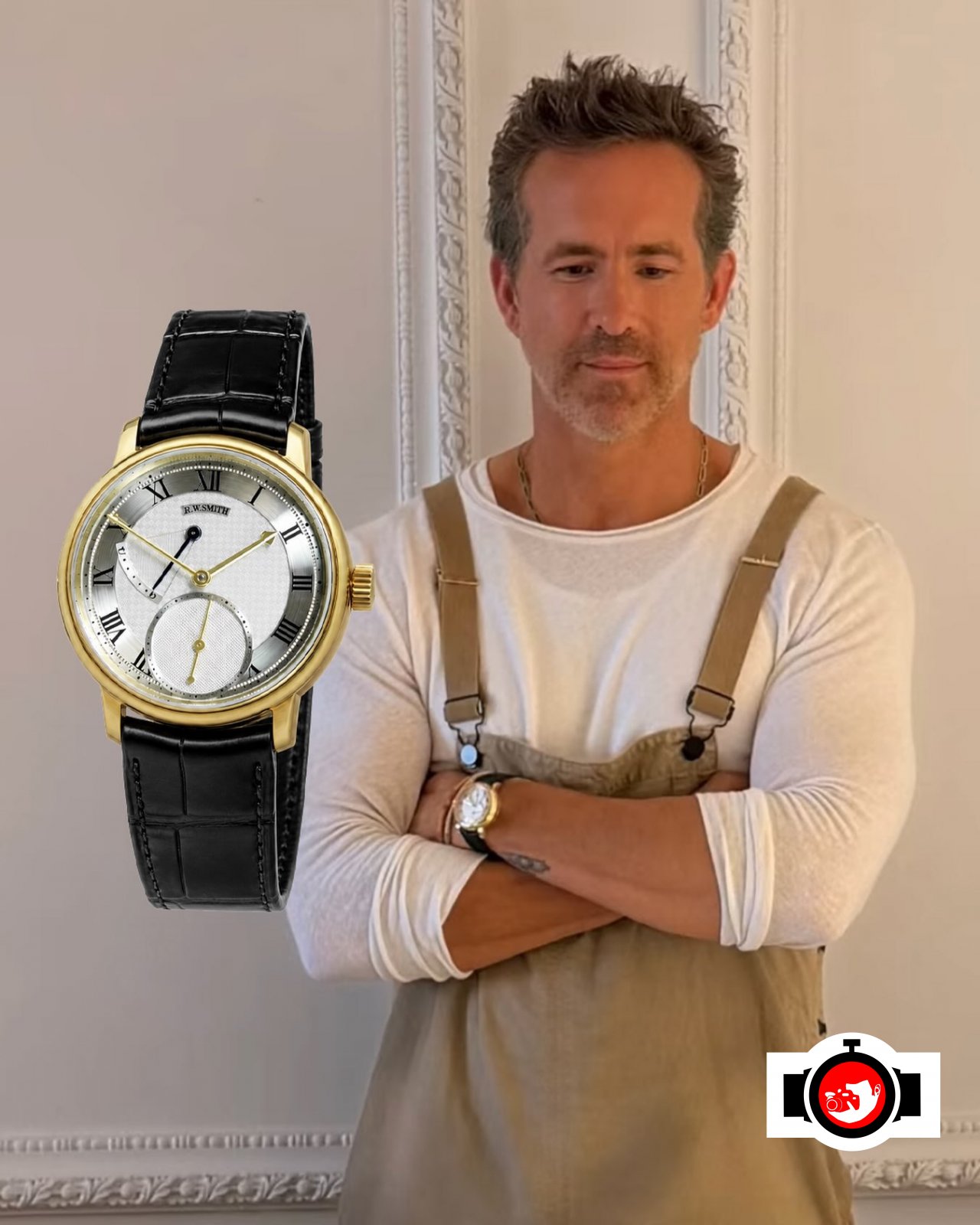
Ryan Reynolds wearing Roger W. Smith
Gold Roger W. Smith Series II Handcrafted Watch with White Dial and Subsidiary Seconds
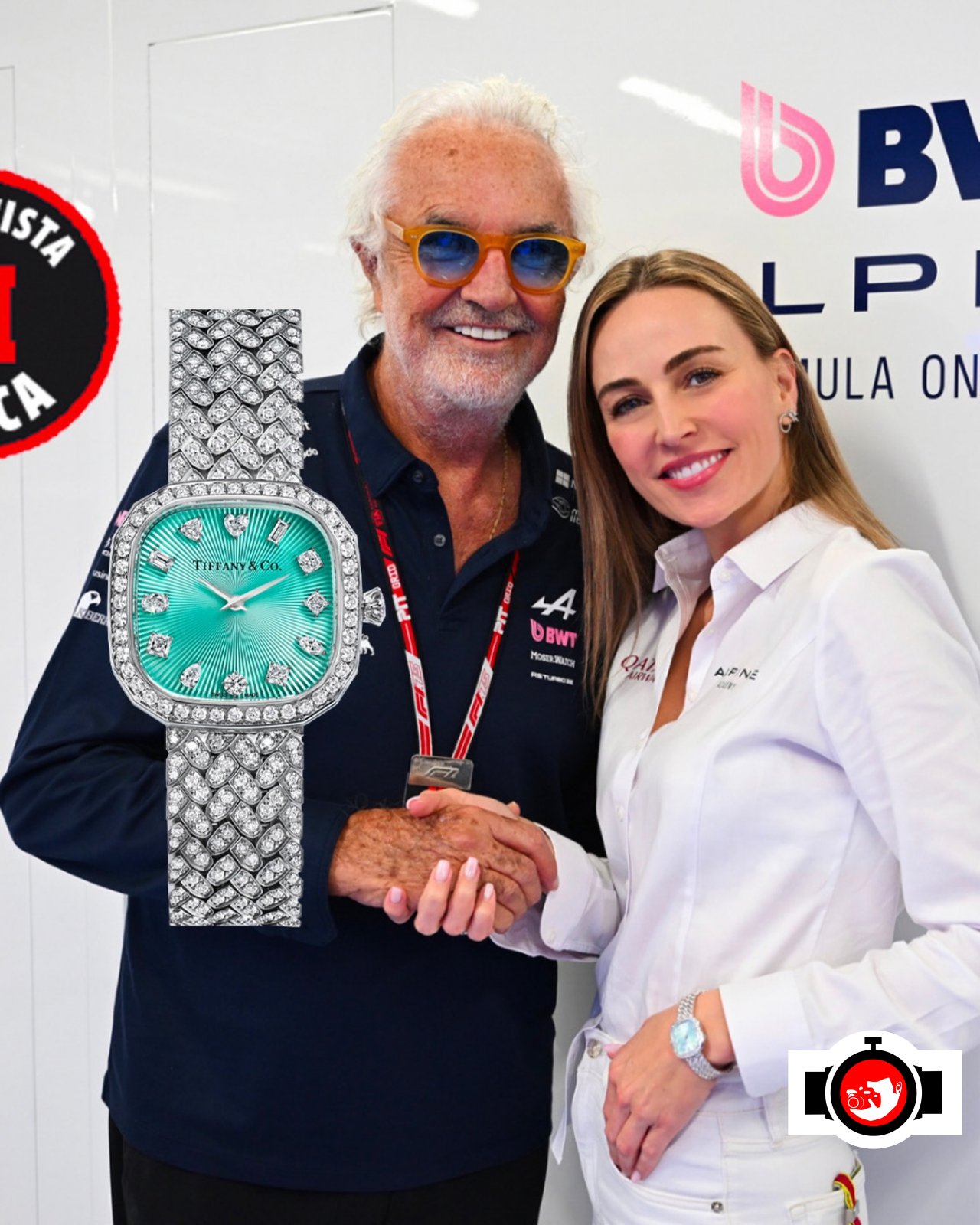
Carmen Jorda wearing Tiffany & Co.
White Gold Tiffany & Co. Eternity with Mixed Diamond Cuts and Tiffany Setting Crown
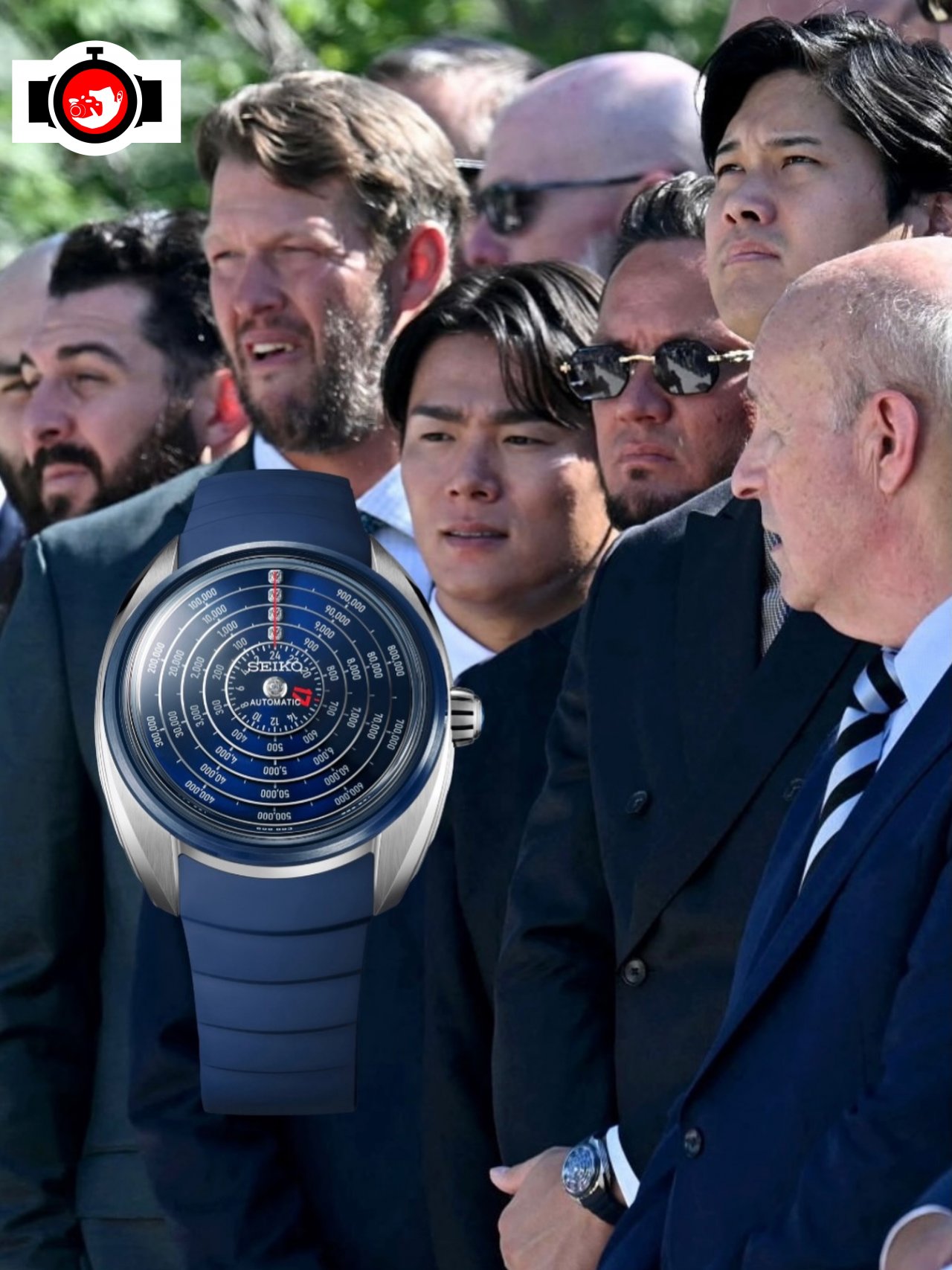
Shohei Ohtani wearing Seiko
Seiko Prospex Automatic Blue Dial Watch – Custom White House Edition
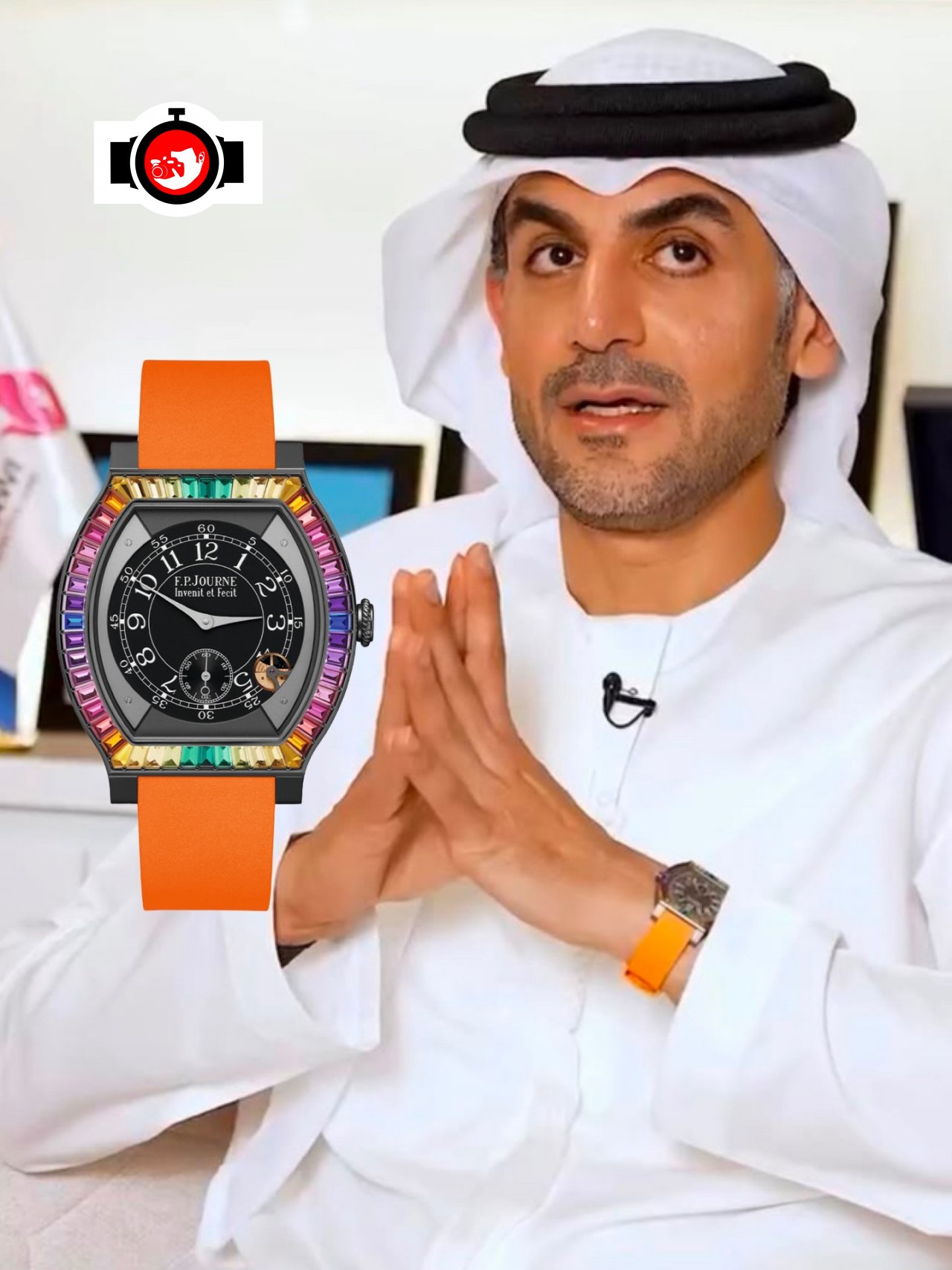
Marwan Ibrahim Haji Nasser wearing F.P. Journe
Titanium F.P. Journe Elegante Geno Dream with Rainbow Baguette Bezel and Orange Rubber Strap
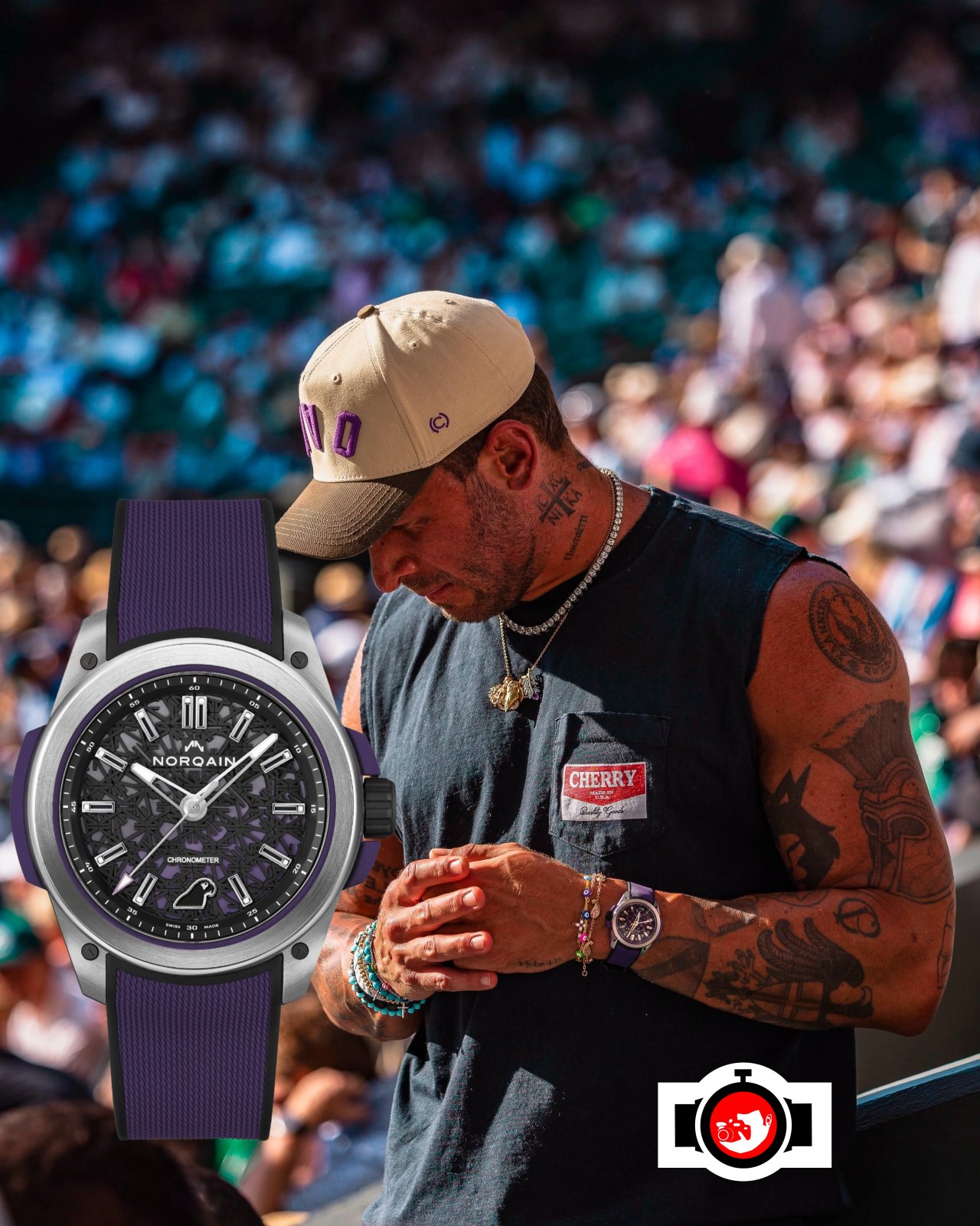
Georgios Frangulis wearing Norqain
Norqain X Oakberry Wild One Prototype with Custom Purple Dial and Parrot Motif
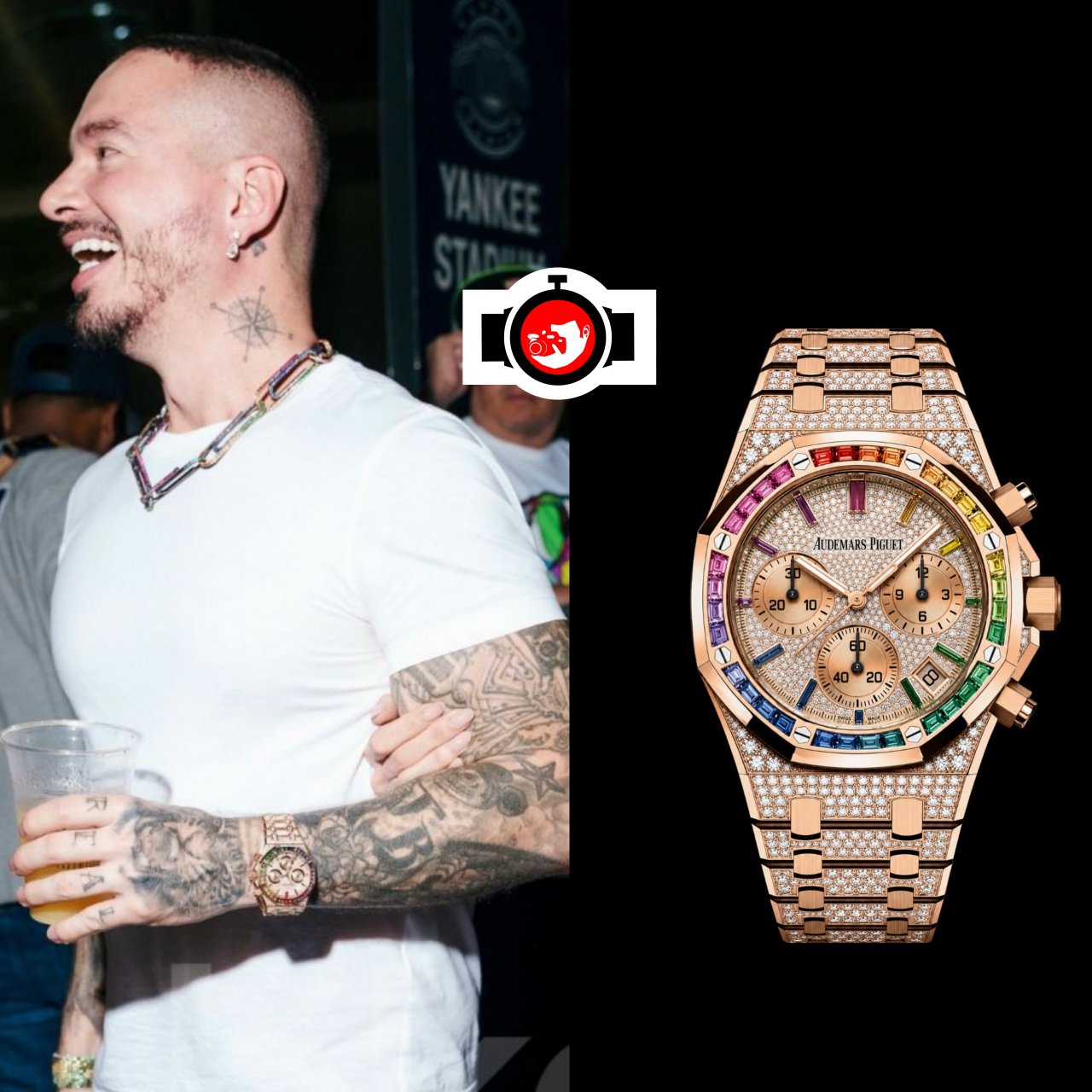
J Balvin wearing Audemars Piguet
18K Rose Gold Audemars Piguet Royal Oak Chronograph Rainbow with Full Diamond Pave and Sapphire Bezel
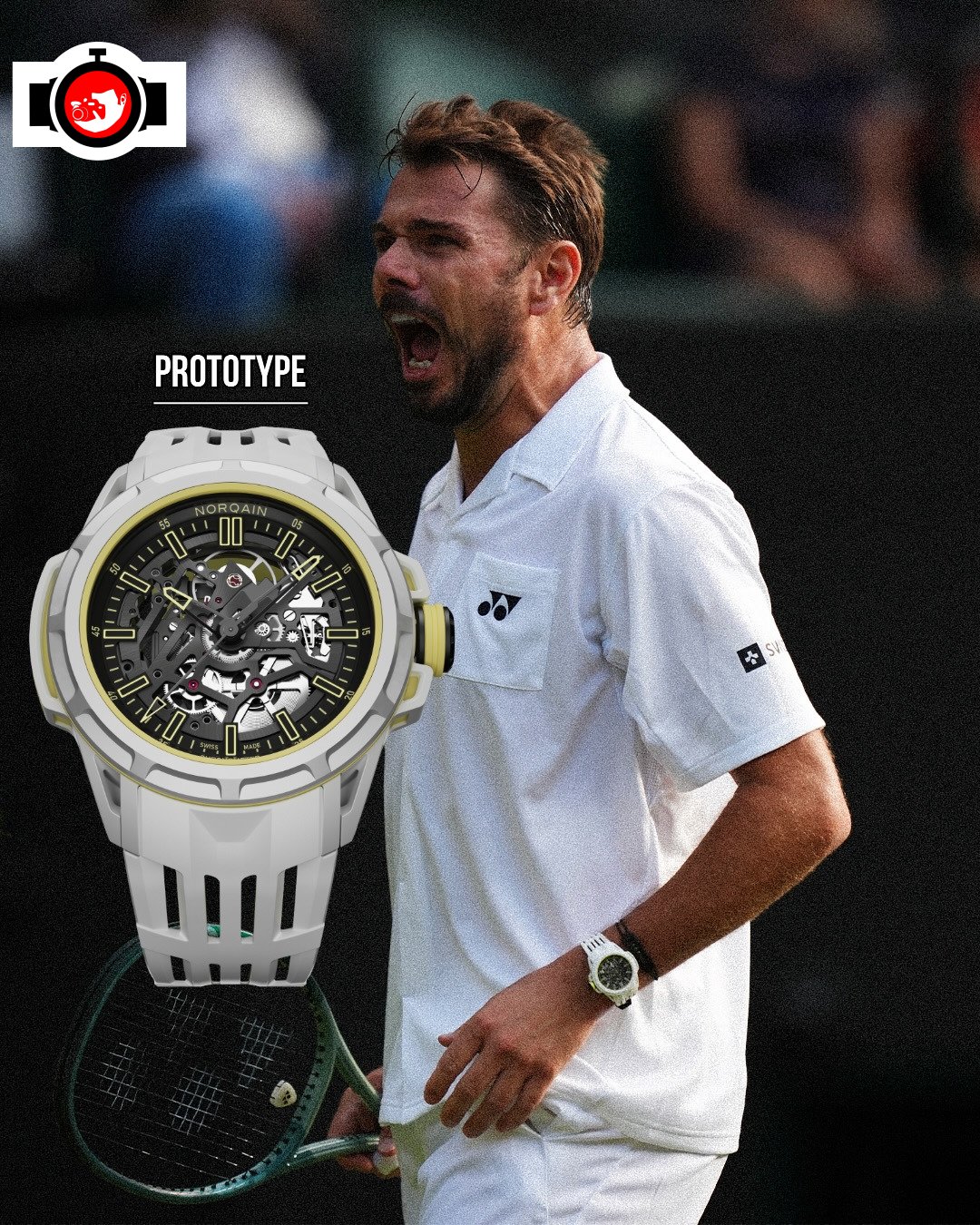
Stan Wawrinka wearing Norqain
Norqain Wild ONE Skeleton X-Lite 41mm Prototype – White Case with Skeletonized Dial and Gold Accents
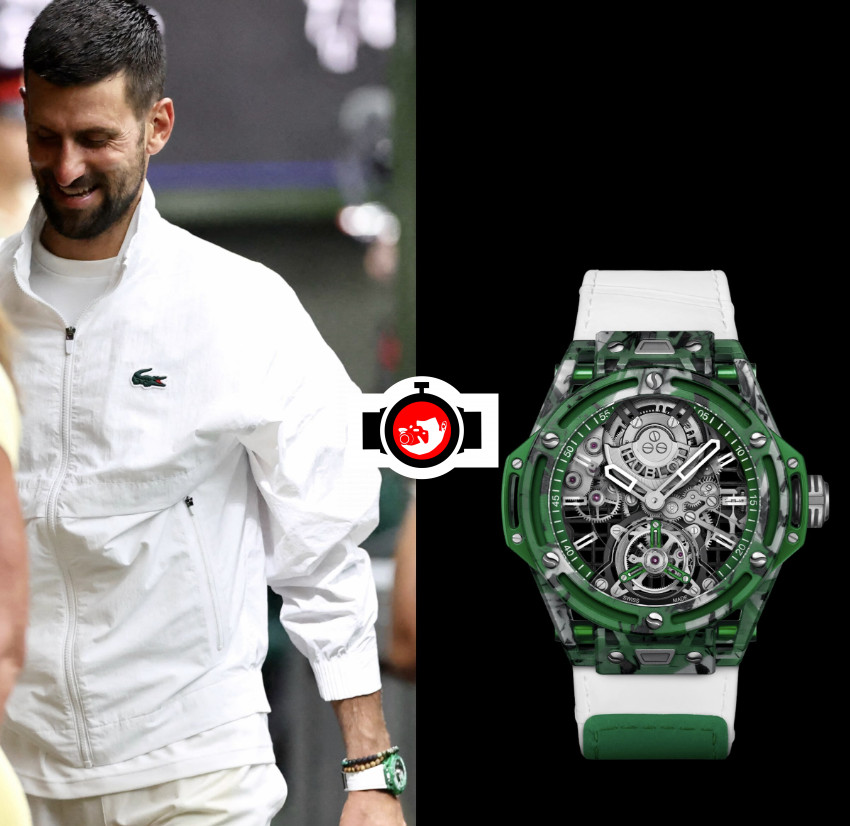
Novak Djokovic wearing Hublot
Hublot Big Bang Tourbillon Novak Djokovic GOAT Edition Green Limited 44mm
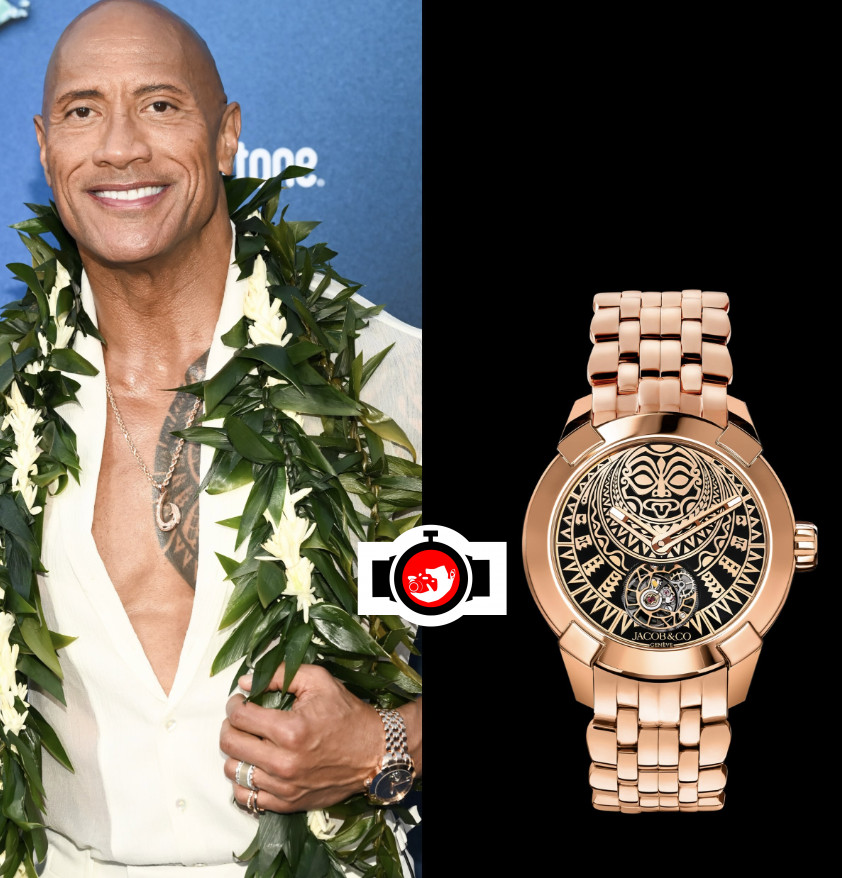
Dwayne Johnson wearing Jacob & Co
Jacob & Co. Matai Tourbillon Rose Gold Bespoke Watch with Polynesian Dial – Dwayne Johnson Custom Commission