
Actor Robin Williams spotted wearing a Azimuth
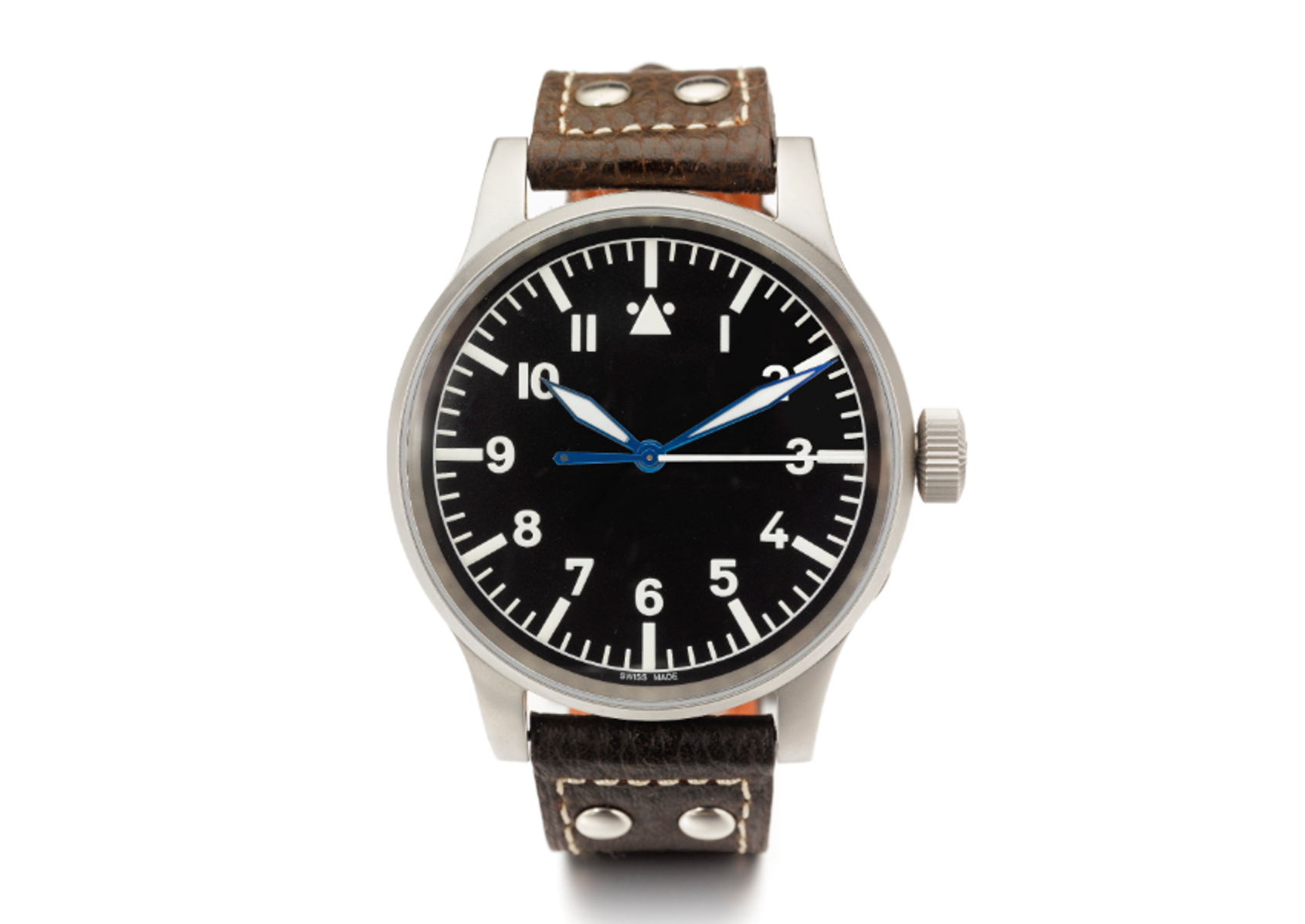
On October 4th, 2018, Bonhams San Francisco conducted a sale of personal property from the estate of Robin Williams, the beloved comedian and actor who passed away in August 2014. Among the lots was a collection of wristwatches that offered a rare window into Williams's private horological sensibility — serious, historically literate, and decidedly unpretentious. This Azimuth Flieger was among them.
The watch adheres faithfully to the B-Uhr template codified by the German Luftwaffe in the late 1930s. The specification called for cases of at least 55mm, a matte black dial, luminous Arabic numerals in an instantly readable sans-serif font, the characteristic navigation triangle at 12 o'clock flanked by two dots, and — crucially — blued steel hands: a minute hand shaped as a fine pointer, an hour hand with a large luminous lozenge, and a running seconds hand. Azimuth's interpretation preserves all these elements in a more wearable modern case with a polished/brushed steel finish, mounted on a brown double-ridged leather cuff strap with exposed rivets, itself a nod to original Luftwaffe-era watch straps designed to be worn over a flight suit.
Azimuth Watch Co., founded in Singapore by Raymond Loh, occupies an intriguing niche: a brand that blends historical homage with occasionally avant-garde complications, always underpinned by Swiss movements. The Flieger line represents its more restrained, purist side, appealing to collectors who value the B-Uhr lineage without committing to the price points of IWC's Big Pilot or A. Lange & Söhne's Pilot. The dial reads 'Swiss Made' at the bottom — consistent with Azimuth's use of ETA or Sellita base calibres.
That Robin Williams owned this watch is entirely in character. By multiple accounts he was a genuine collector — not a red-carpet watch wearer — who sought out pieces with narrative weight. A WWII aviator's instrument watch, produced by a small Singapore independent, fits that profile exactly: no status signalling, maximum story.
At auction, pieces from the Williams estate carried provenance premiums well above catalogue estimates. For a brand like Azimuth, whose retail pricing sits modestly in the mid-hundreds to low thousands of dollars, Williams's ownership represents an extraordinary secondary-market catalyst. Collectors tracking celebrity estate pieces will note this as a sleeper lot.
More watches like this
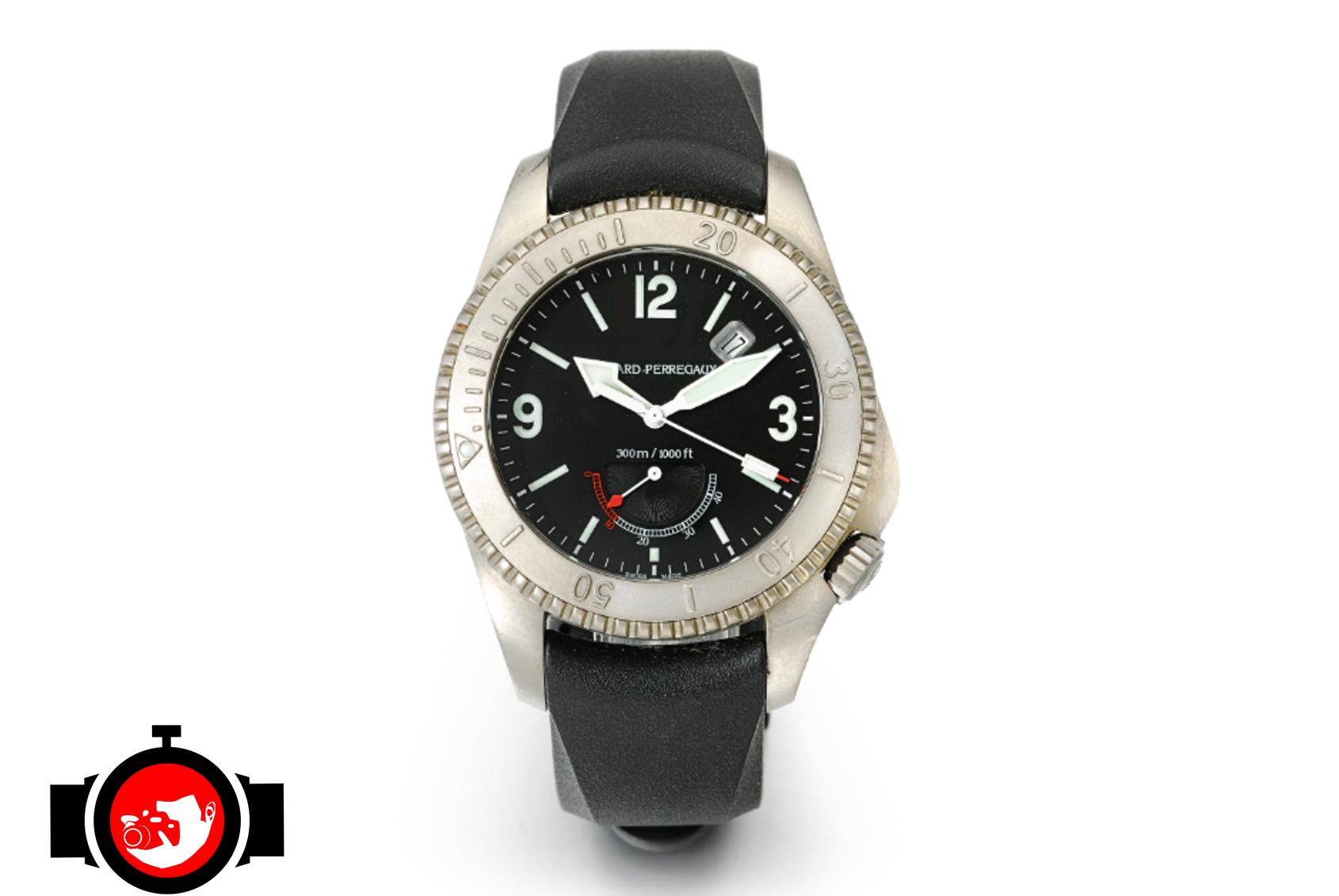
Robin Williams wearing Girard Perregaux
Girard-Perregaux Sea Hawk II Titanium Power Reserve Diver – Robin Williams Collection
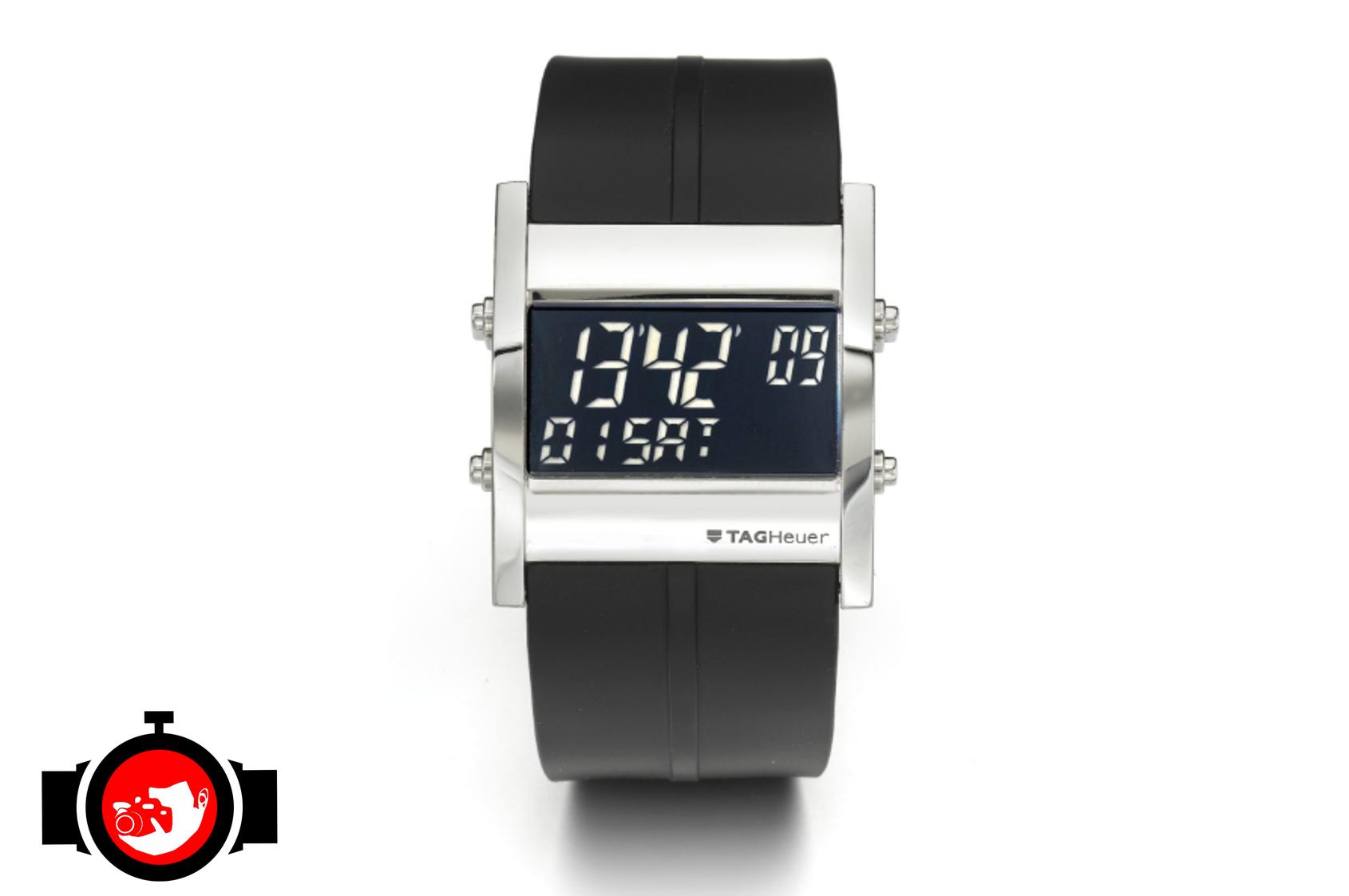
Robin Williams wearing Tag Heuer
TAG Heuer Microtimer
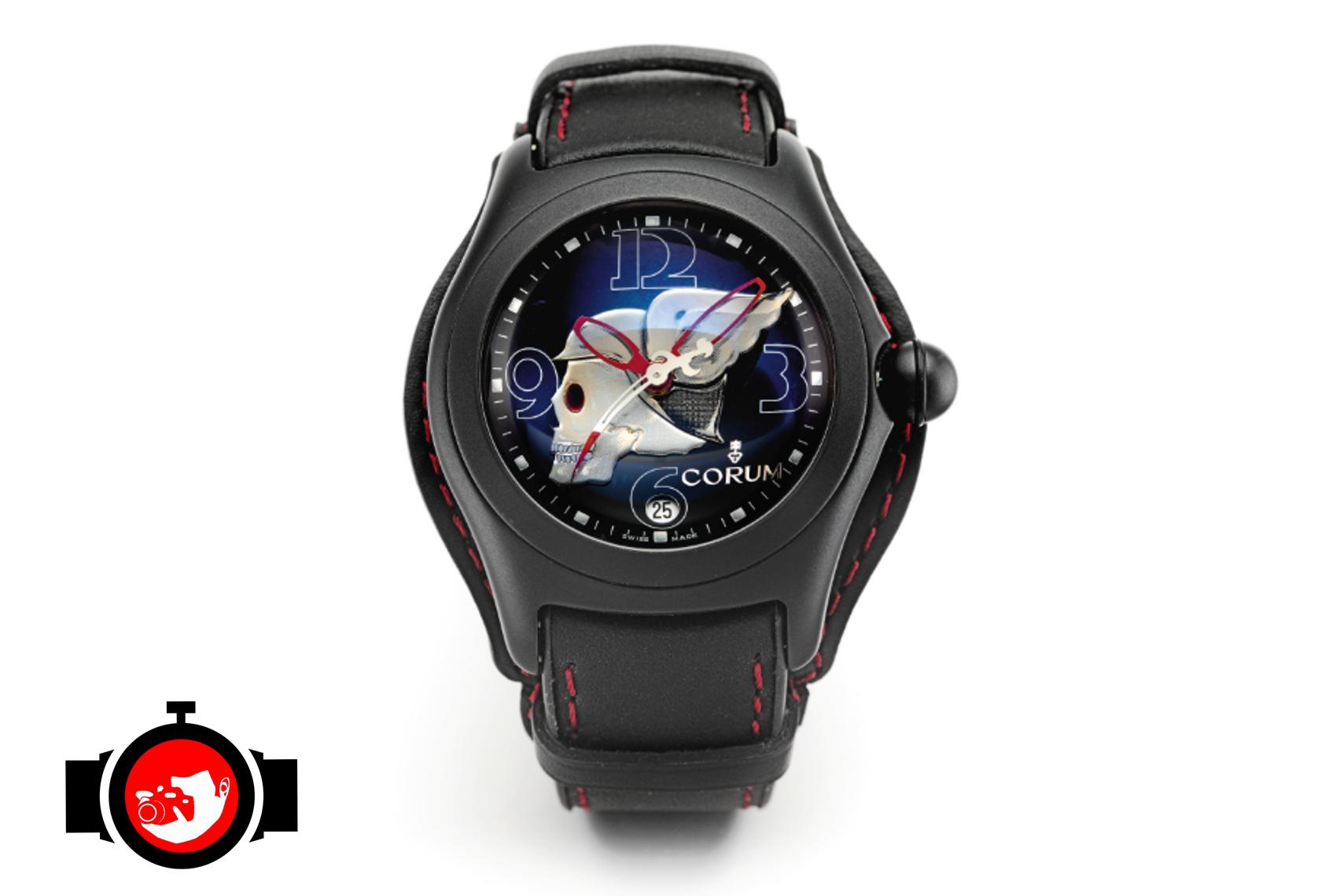
Robin Williams wearing Corum
Corum Bubble Night Flyer Black PVD Steel Limited Edition – Robin Williams Estate Watch
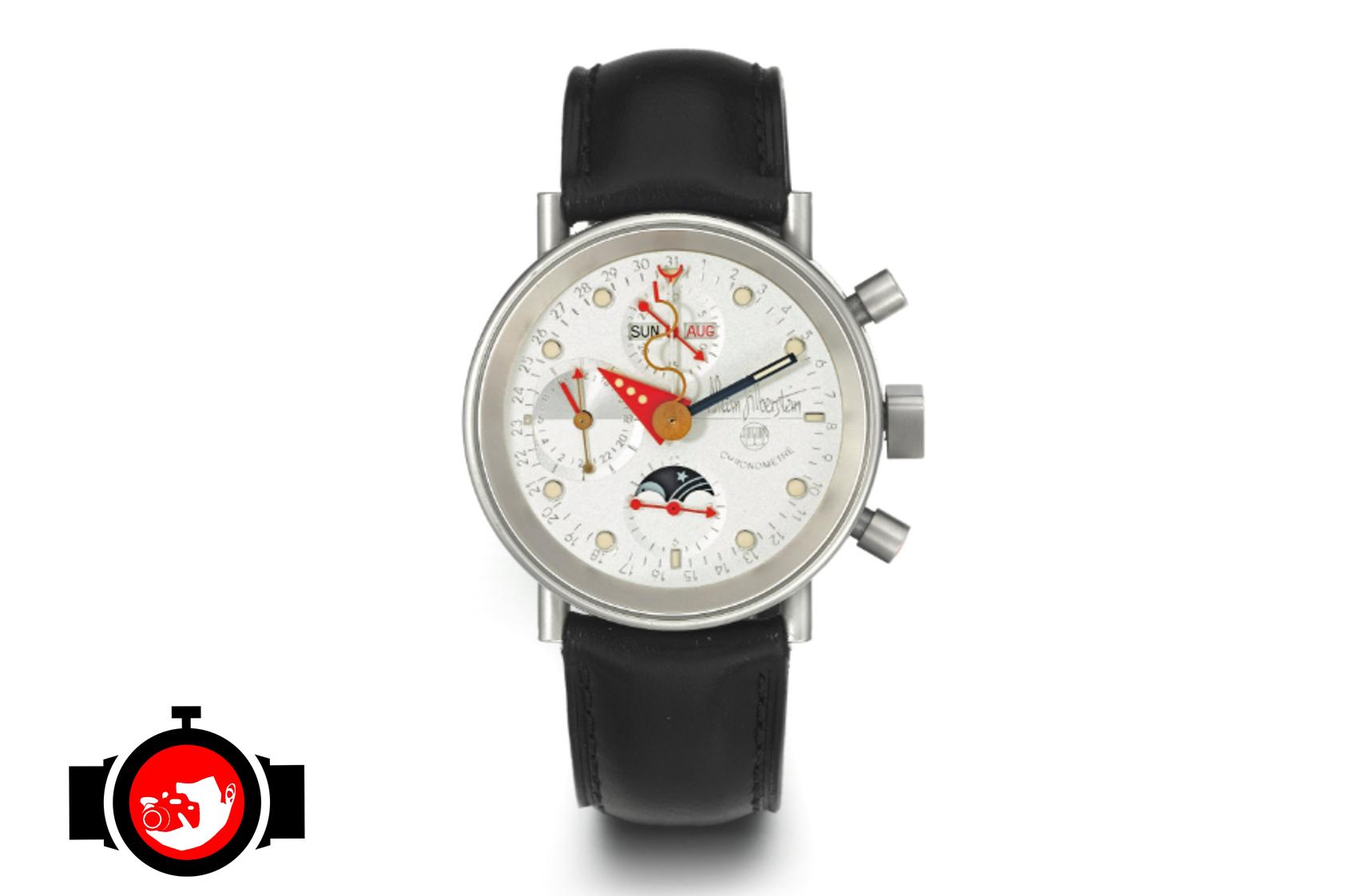
Robin Williams wearing Alain Silberstein
Alain Silberstein Triple Calendar and Moonphase
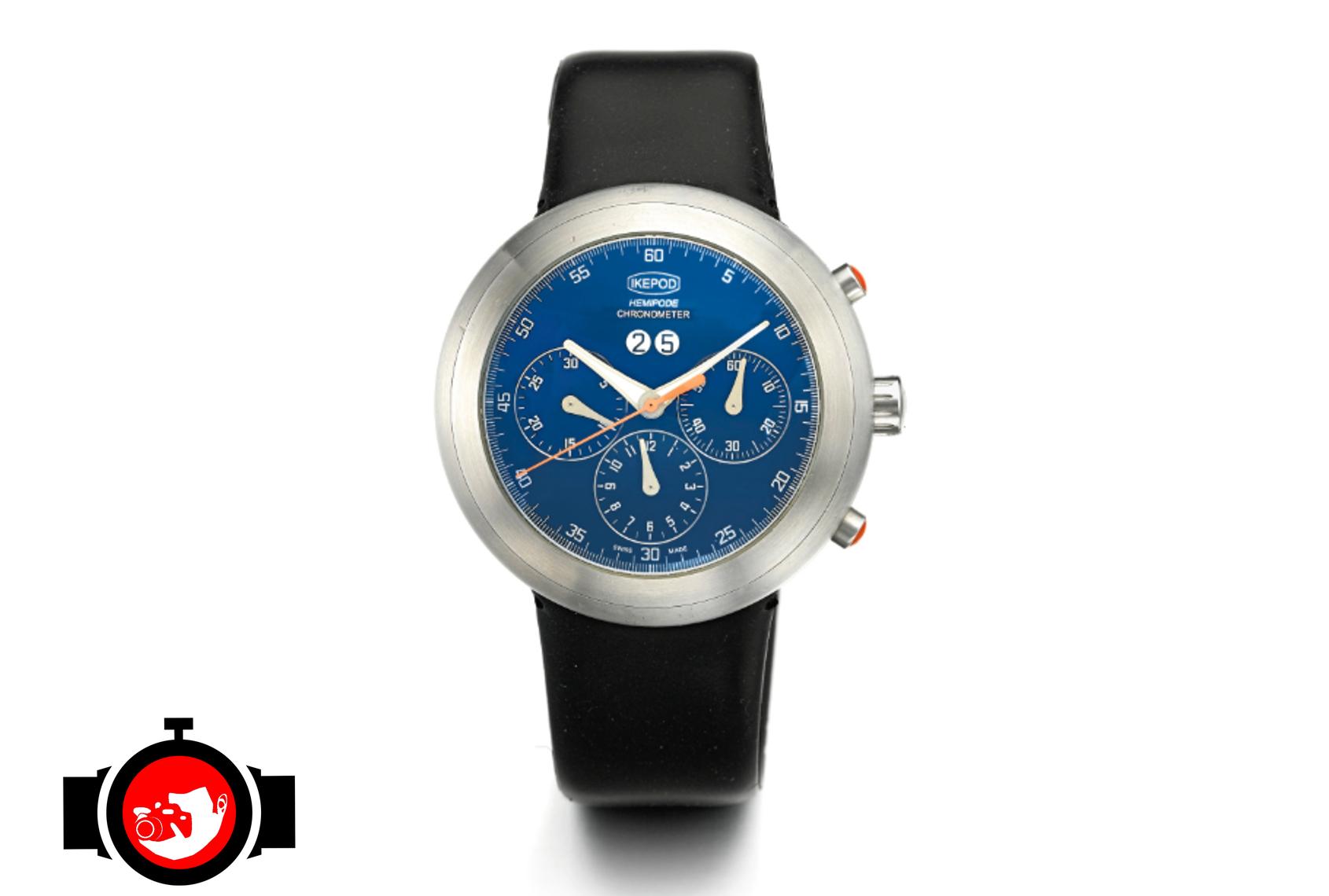
Robin Williams wearing Ikepod
Ikepod Hemipode Chronometer Chronograph Blue Dial Stainless Steel – Robin Williams Estate Watch
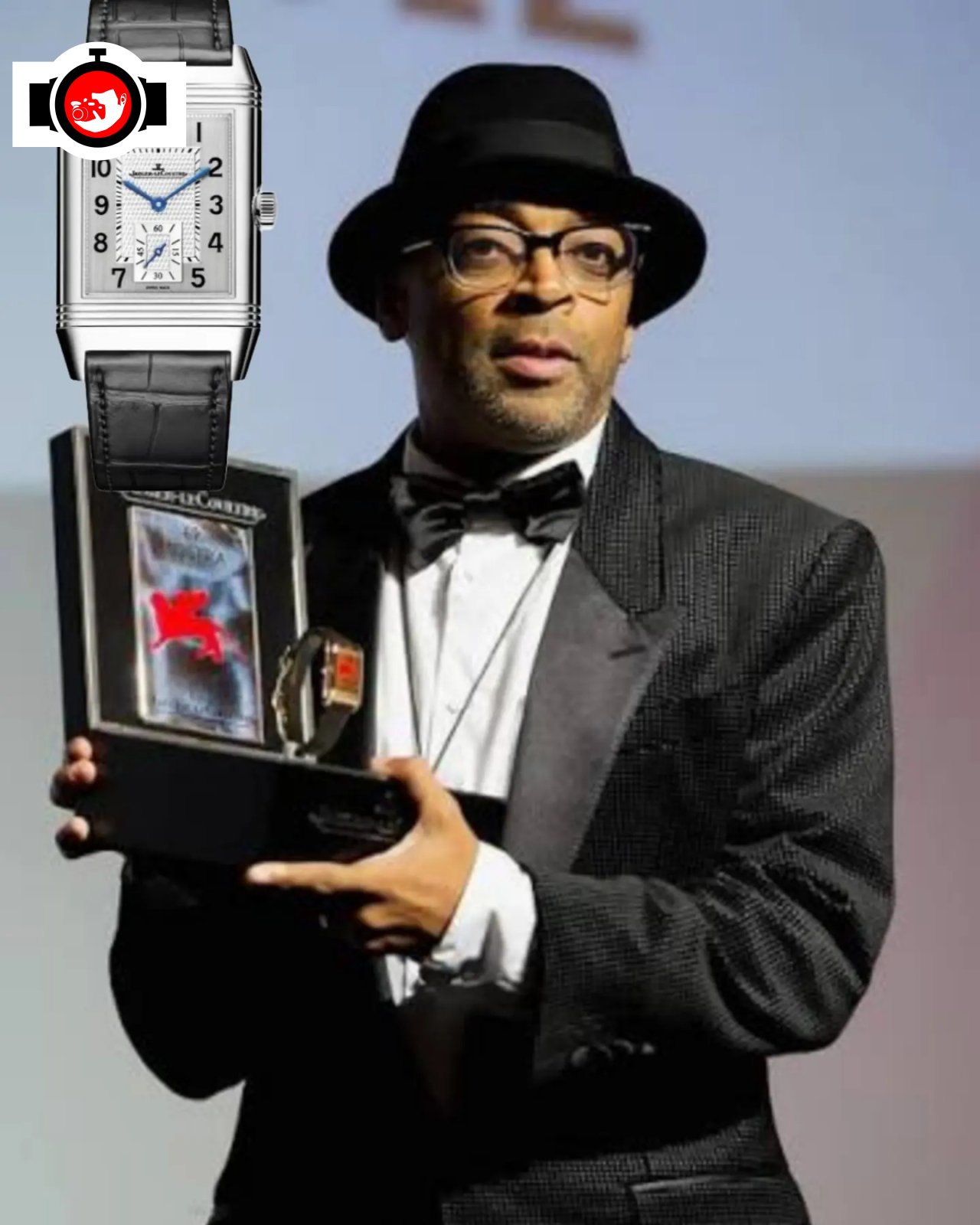
Spike Lee wearing Jaeger LeCoultre
Jaeger-LeCoultre Reverso Custom Presentation Watch — Spike Lee Venice Film Festival Award
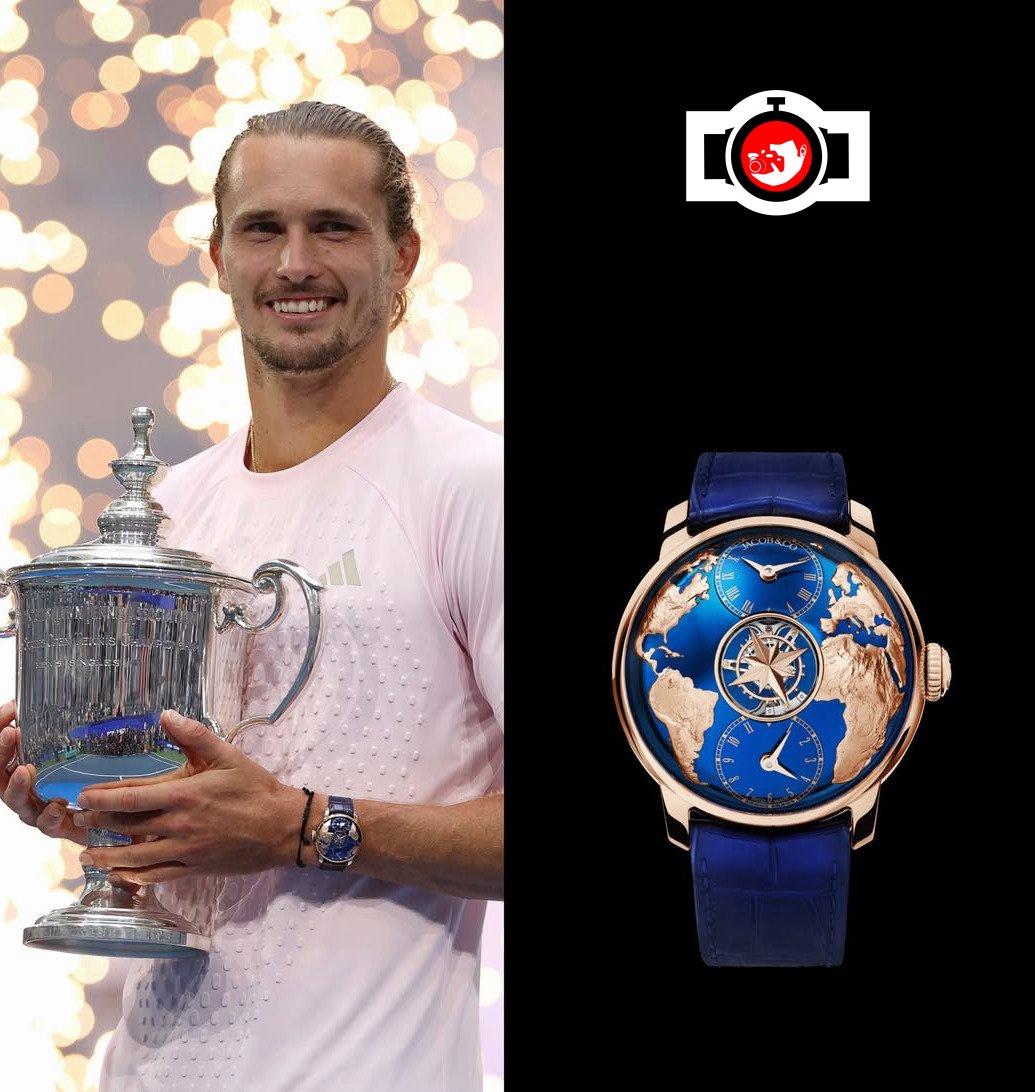
Alexander Zverev wearing Jacob & Co.
Jacob & Co. The World Is Yours Dual Time Zone Tourbillon with World Map Dial and Blue Leather Strap
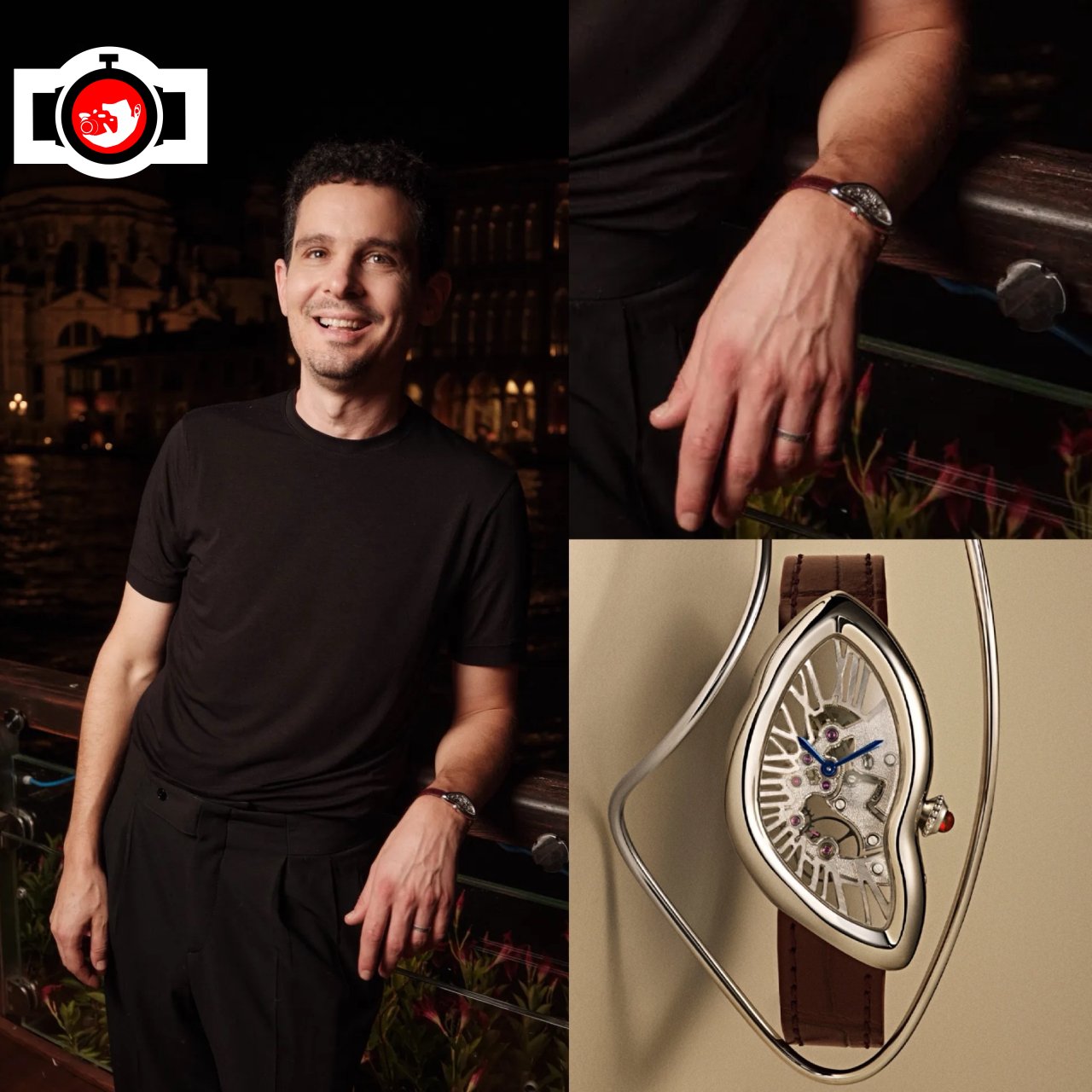
Damien Chazelle wearing Cartier
Platinum Cartier Crash Skeleton with Burgundy Accents and Calibre 1967 MC
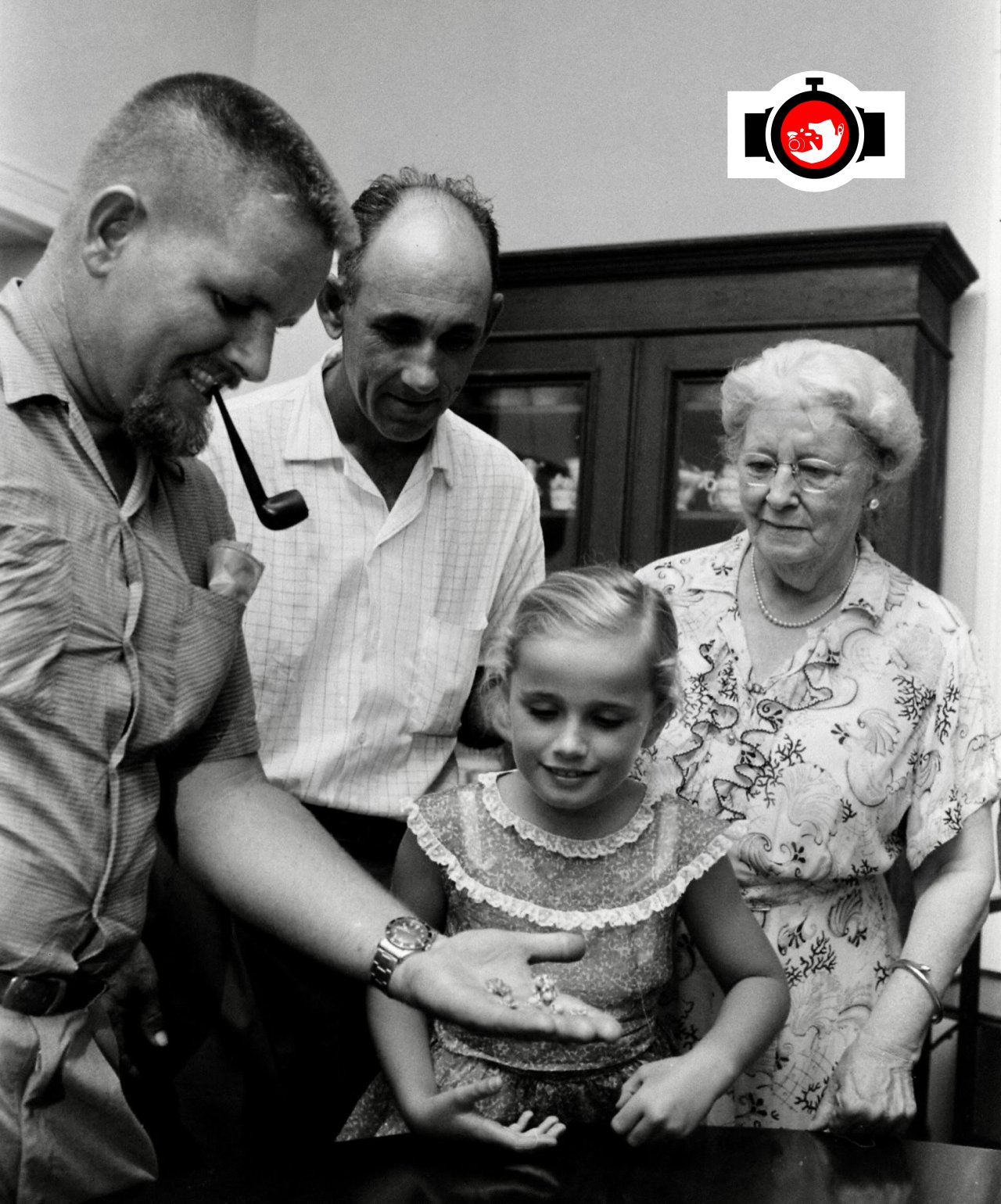
Teddy Tucker wearing Rolex
Rolex Submariner with Inward-Facing Dial – Teddy Tucker's Treasure Hunter's Watch
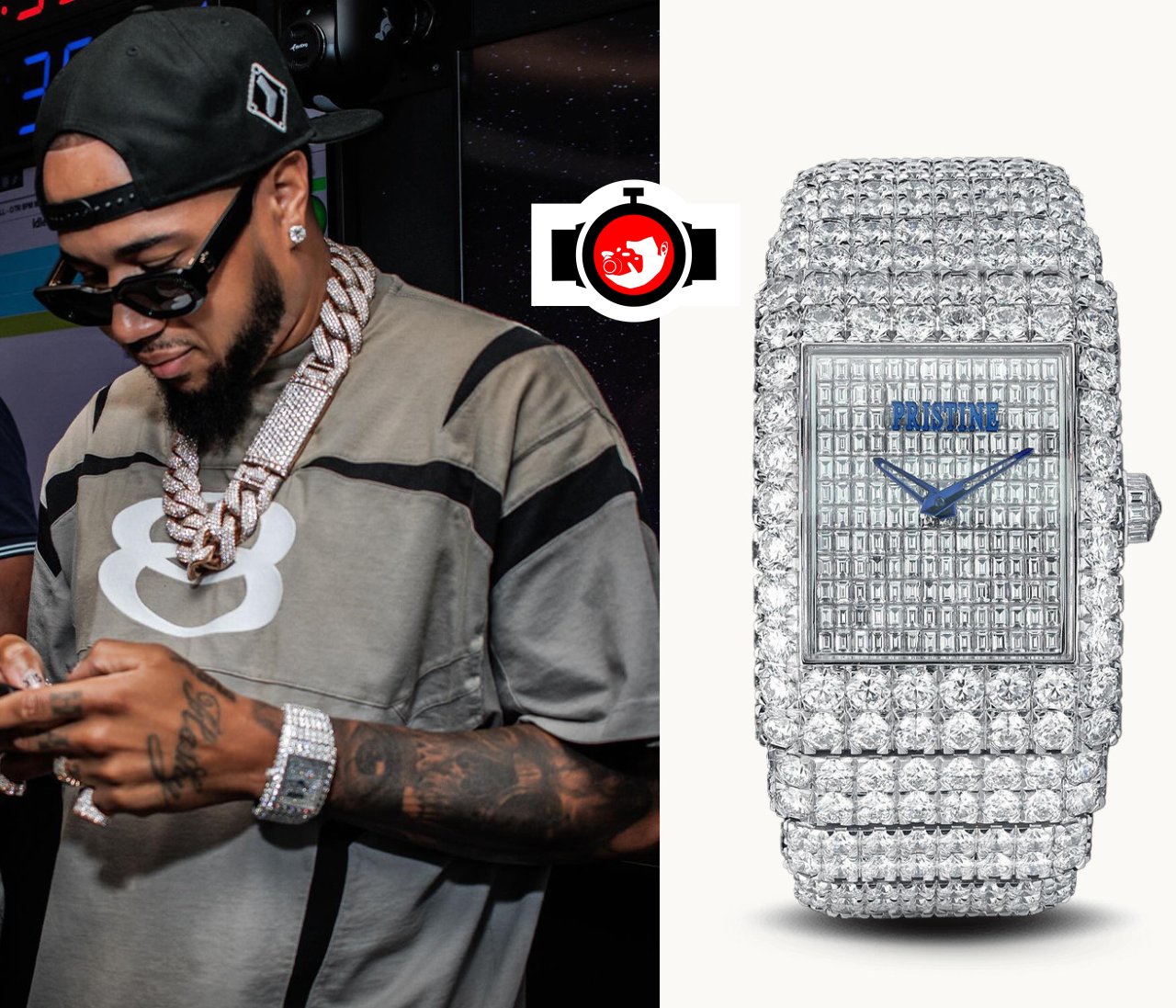
Mazi VS wearing Pristine
18K White Gold Pristine Custom Diamond Watch with Baguette Diamond Dial and 100.75 Carats
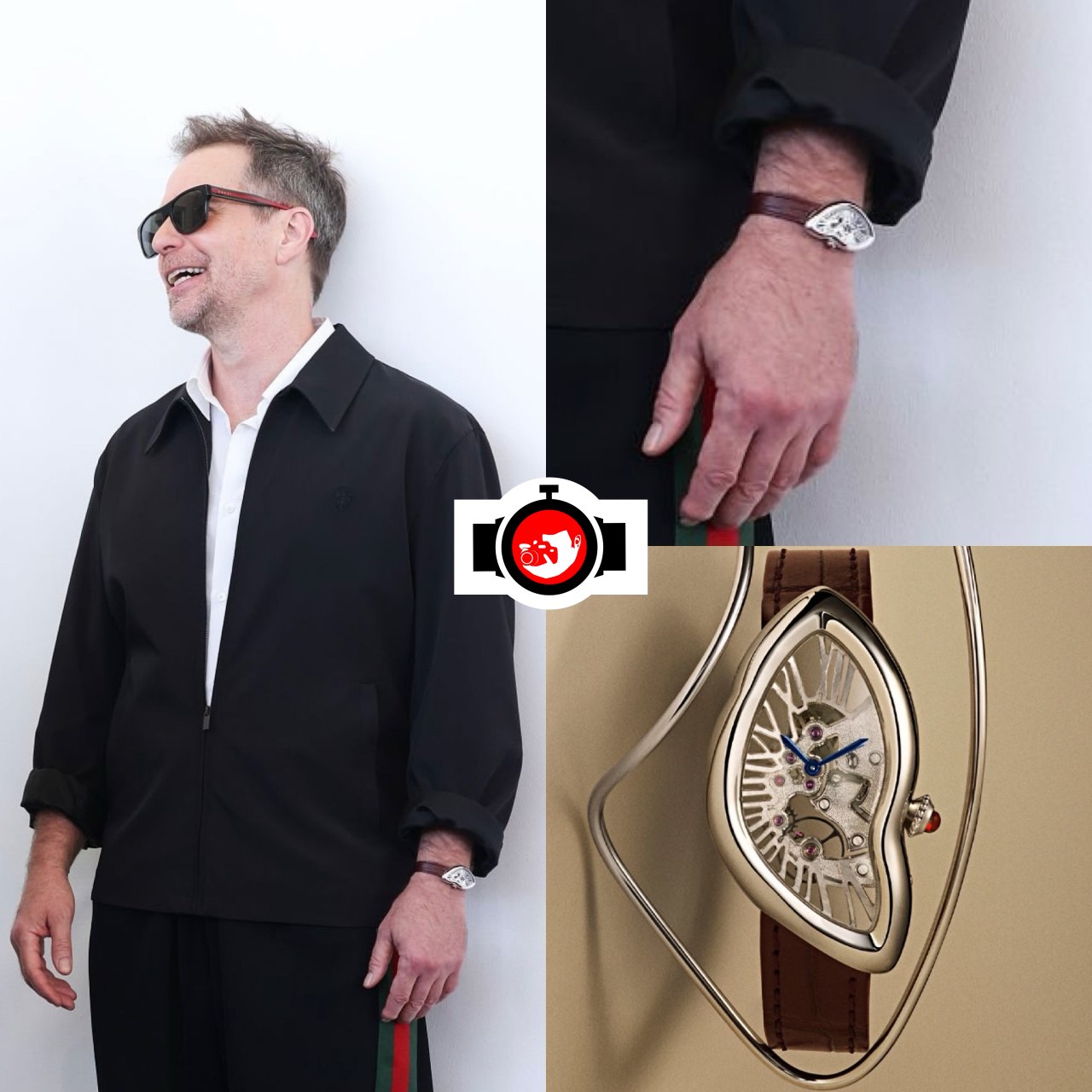
Sam Rockwell wearing Cartier
Platinum Cartier Crash Squelette Skeleton with Burgundy Dial and Calibre 1967 MC
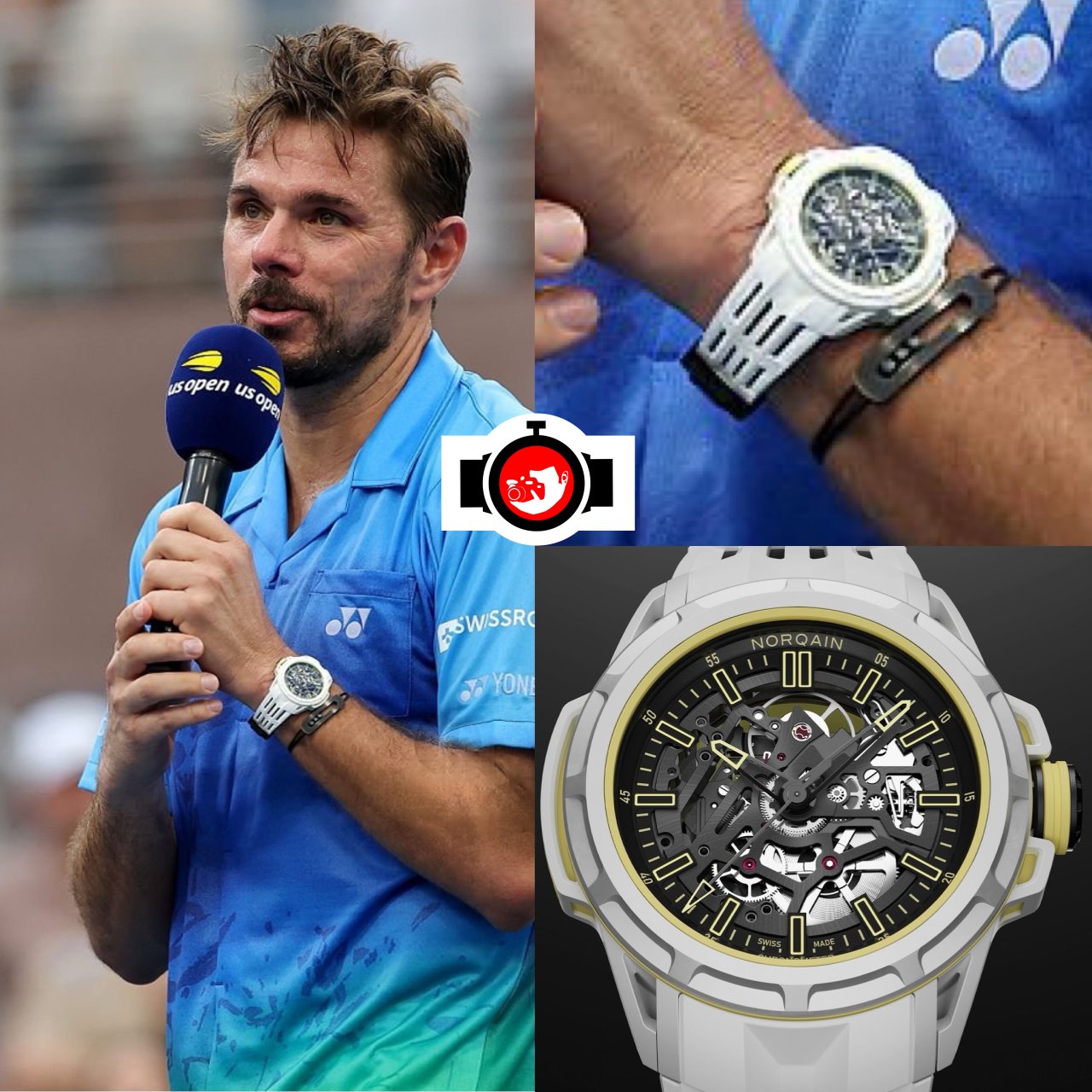
Stan Wawrinka wearing Norqain
Norqain Wild ONE Skeleton X-Lite 'Wimbledon White' Prototype with X-Lite Carbon Fiber Composite Case