
Entrepreneur Steve Jobs spotted wearing a Seiko
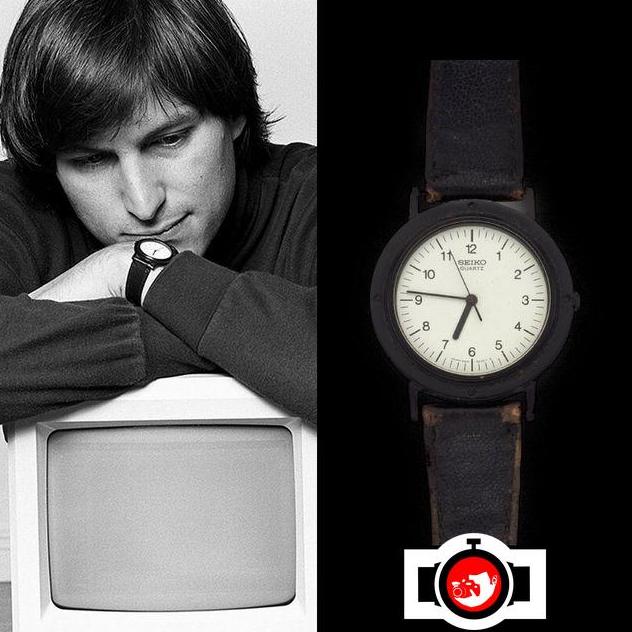
The photograph is one of the most reproduced images in tech history: a young Steve Jobs, arms folded across an early Macintosh, gazing downward with the focused intensity that would come to define an era. On his wrist, almost invisible against the sleeve of a dark sweater, sits a Seiko Quartz with a black case — a watch that cost less than a tank of gas and outlasted empires.
The watch in question appears to be a Seiko Quartz from the early 1980s fitted with a round, matte black resin or plastic case, a clean white dial with minimalist baton indices, and a slim dark leather strap now heavily aged and cracked — consistent with years of daily wear. The dial carries the classic Seiko Quartz branding of the period, with a simple two-hand layout and no date complication. The movement would be one of Seiko's reliable 2-jewel or 5-jewel quartz calibers of the era, accurate to roughly ±15 seconds per month — utilitarian by design, built for mass-market accessibility.
Seiko's quartz program had, by the early 1980s, already detonated the Swiss watch industry. The 1969 Astron had fired the first shot; by the time Jobs wore this piece, Seiko was producing tens of millions of quartz movements annually, driving prices to the floor and quality to a surprisingly high standard for the price bracket. This particular model sits at the absolute entry level of that ecosystem — a watch for people who needed to know the time, not to display wealth.
That Jobs chose it is not accidental. His personal aesthetic at the time was one of studied anti-materialism: he famously lived in a near-empty house, sat on the floor, and wore the same style of clothes daily to eliminate trivial decisions. The Seiko Quartz fit that worldview perfectly. It told the time. That was enough.
For collectors today, the watch has essentially no secondary market value on its own merits — examples surface on eBay for $10–$40. But the provenance here is everything. A documented Jobs-worn example would be a museum artifact. As a cultural object, this $12 Seiko may be the most significant watch ever photographed.
More watches like this
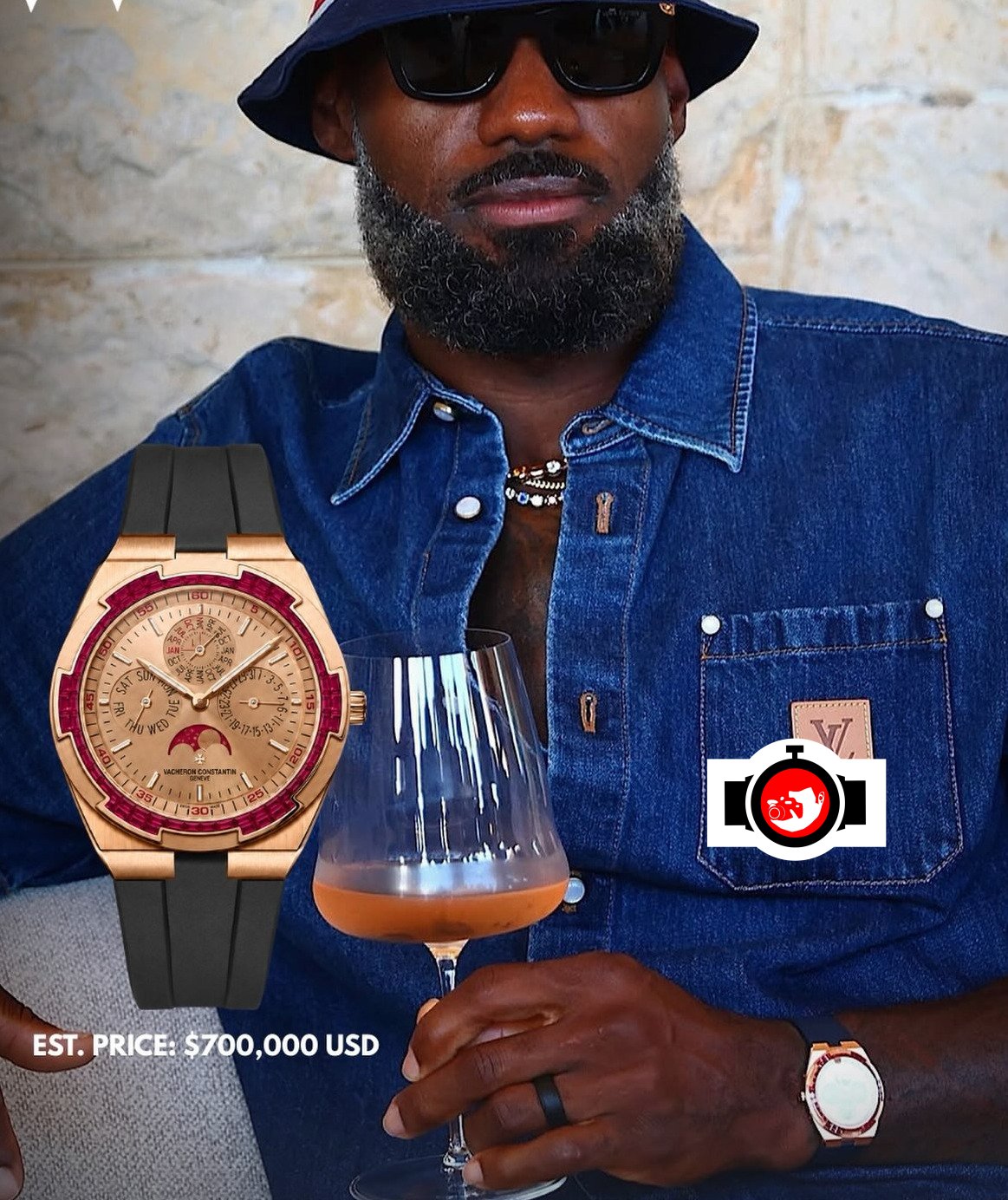
LeBron James wearing Vacheron Constantin
18K Rose Gold Vacheron Constantin Perpetual Calendar with Ruby-Set Baguette Bezel and Rose Dial
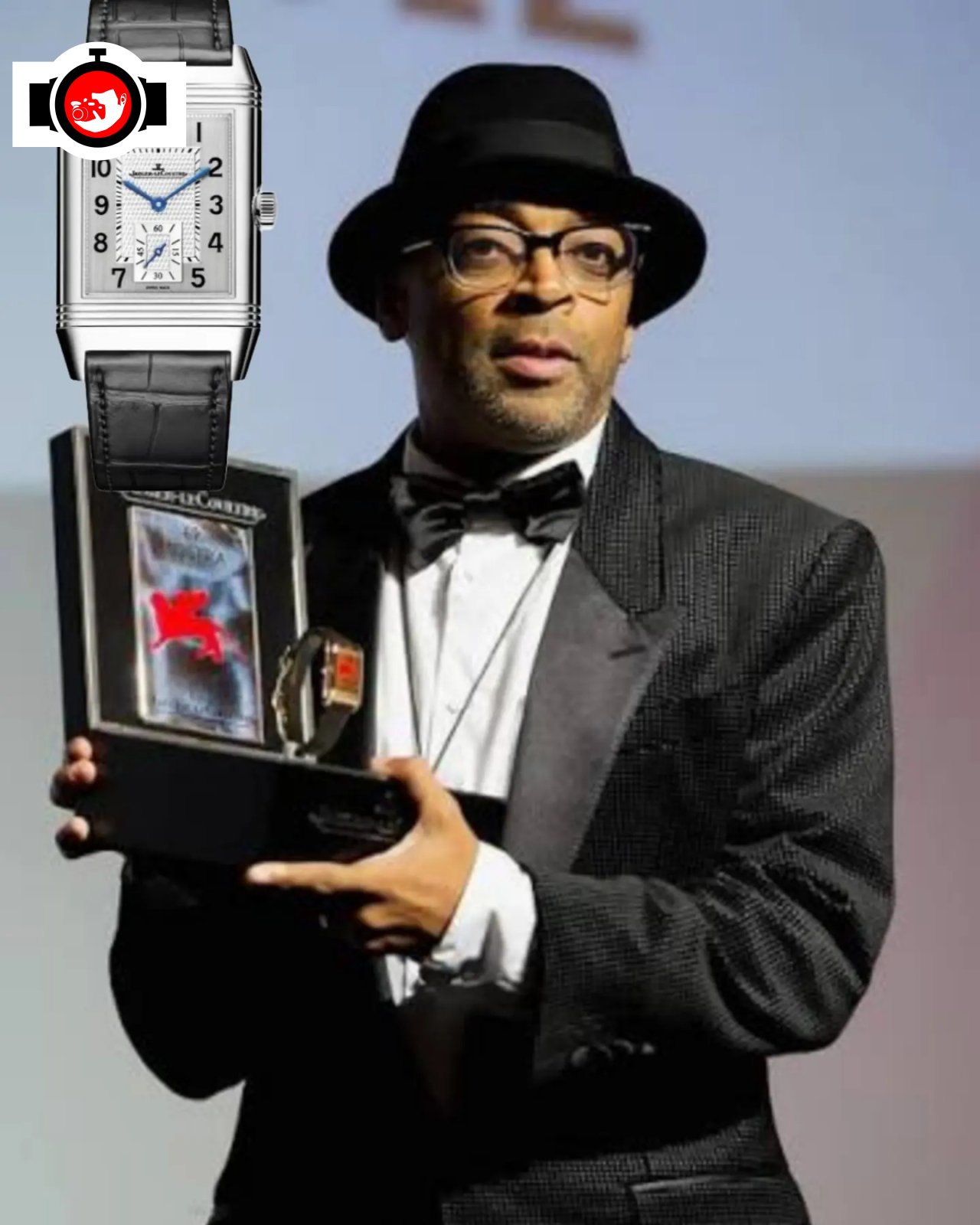
Spike Lee wearing Jaeger LeCoultre
Jaeger-LeCoultre Reverso Custom Presentation Watch — Spike Lee Venice Film Festival Award
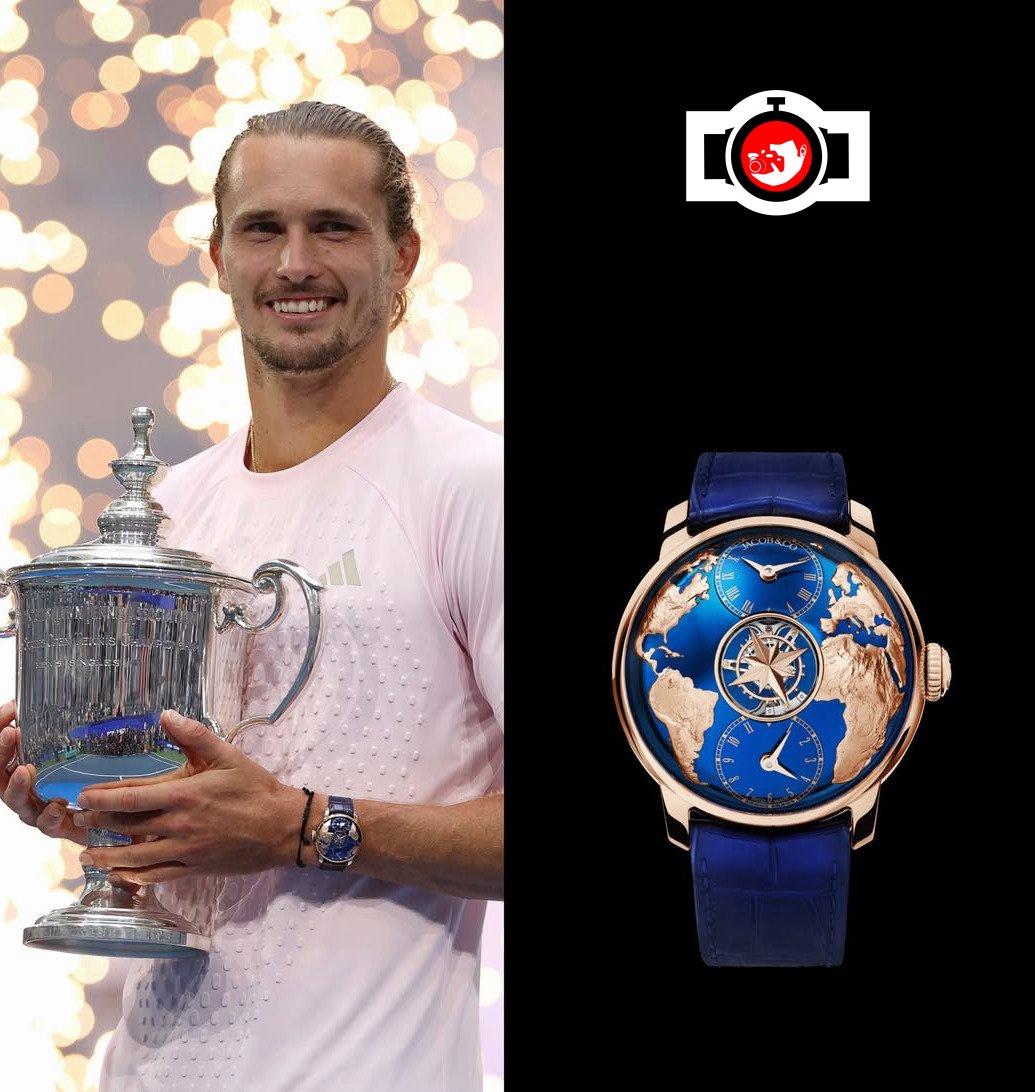
Alexander Zverev wearing Jacob & Co.
Jacob & Co. The World Is Yours Dual Time Zone Tourbillon with World Map Dial and Blue Leather Strap
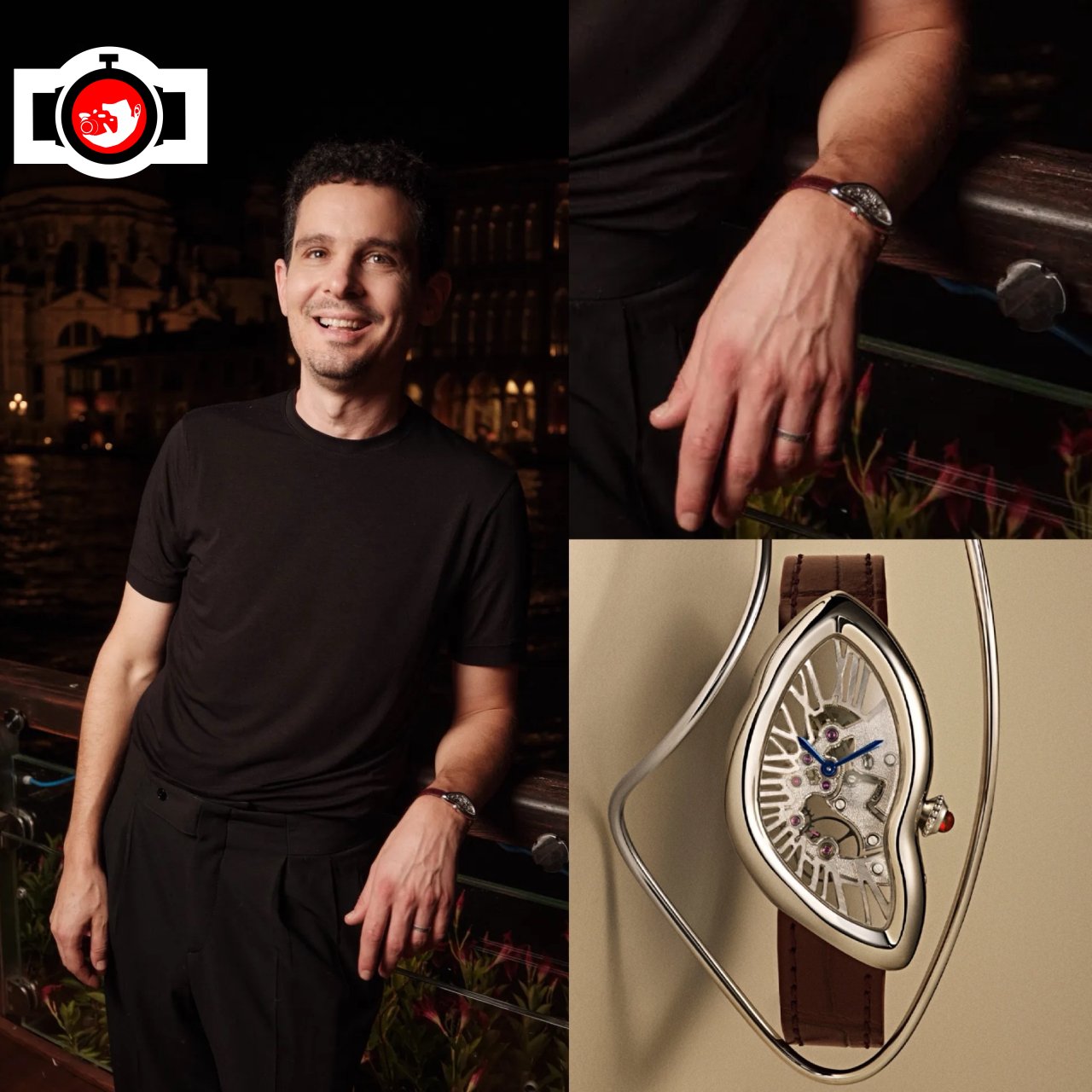
Damien Chazelle wearing Cartier
Platinum Cartier Crash Skeleton with Burgundy Accents and Calibre 1967 MC
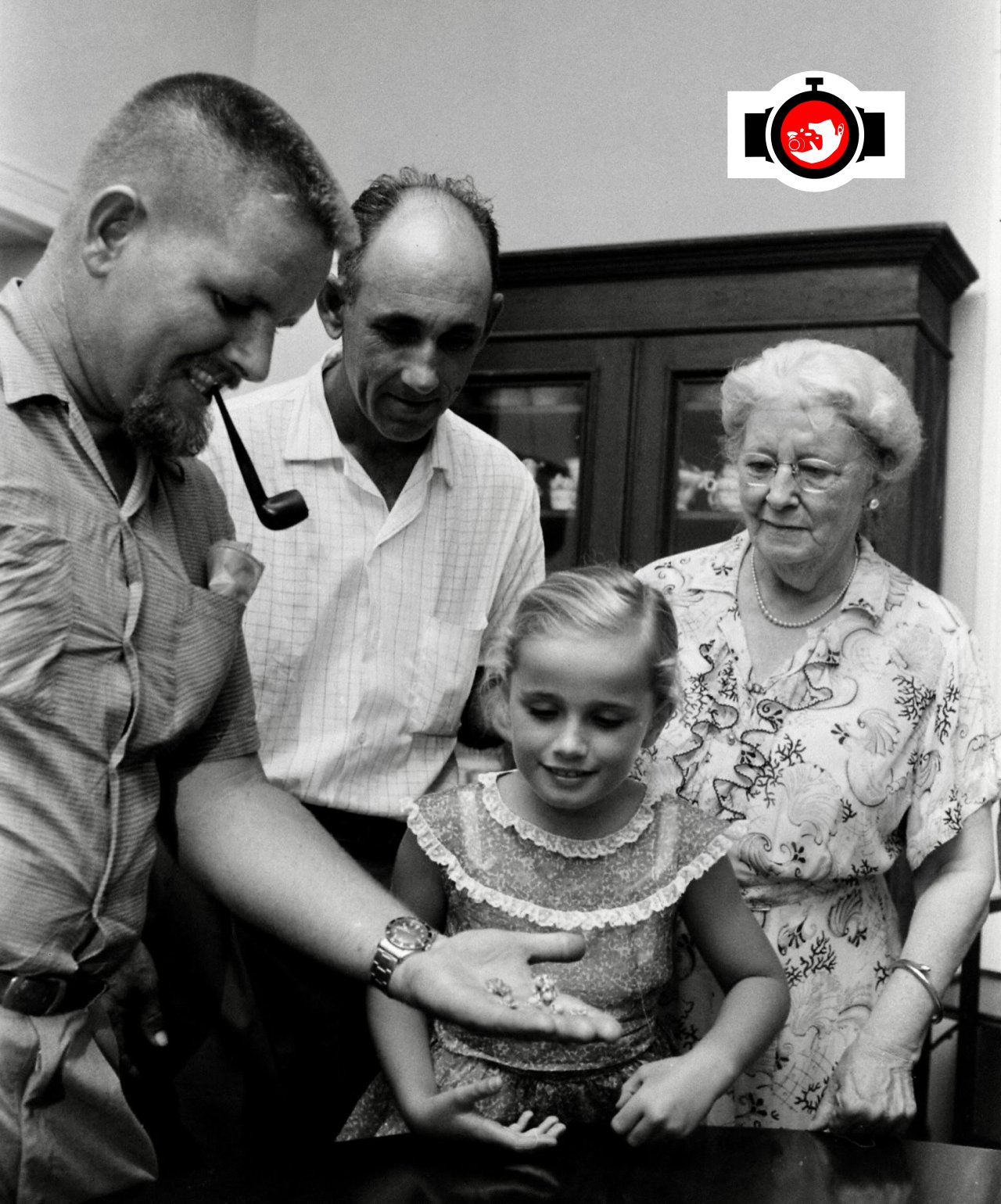
Teddy Tucker wearing Rolex
Rolex Submariner with Inward-Facing Dial – Teddy Tucker's Treasure Hunter's Watch
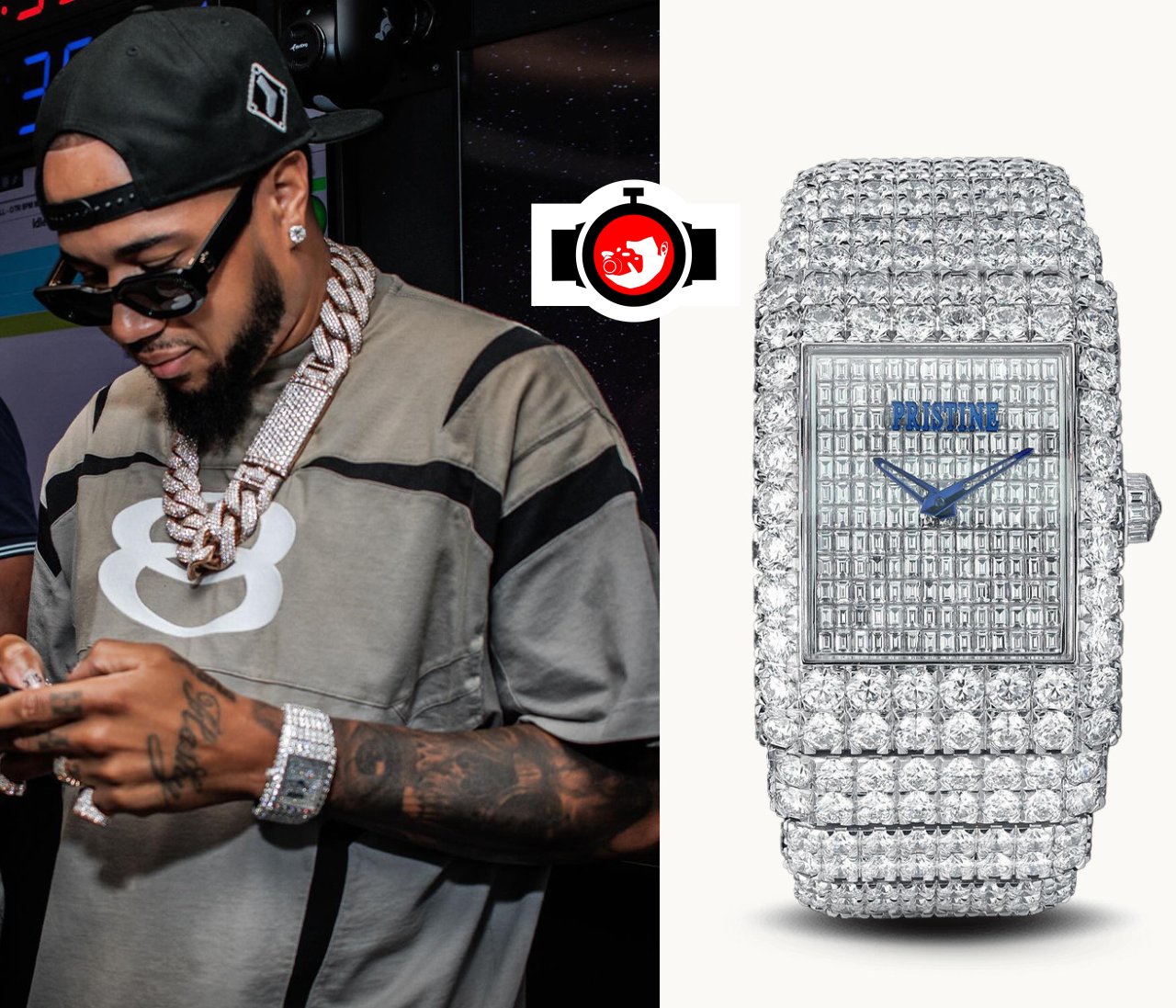
Mazi VS wearing Pristine
18K White Gold Pristine Custom Diamond Watch with Baguette Diamond Dial and 100.75 Carats
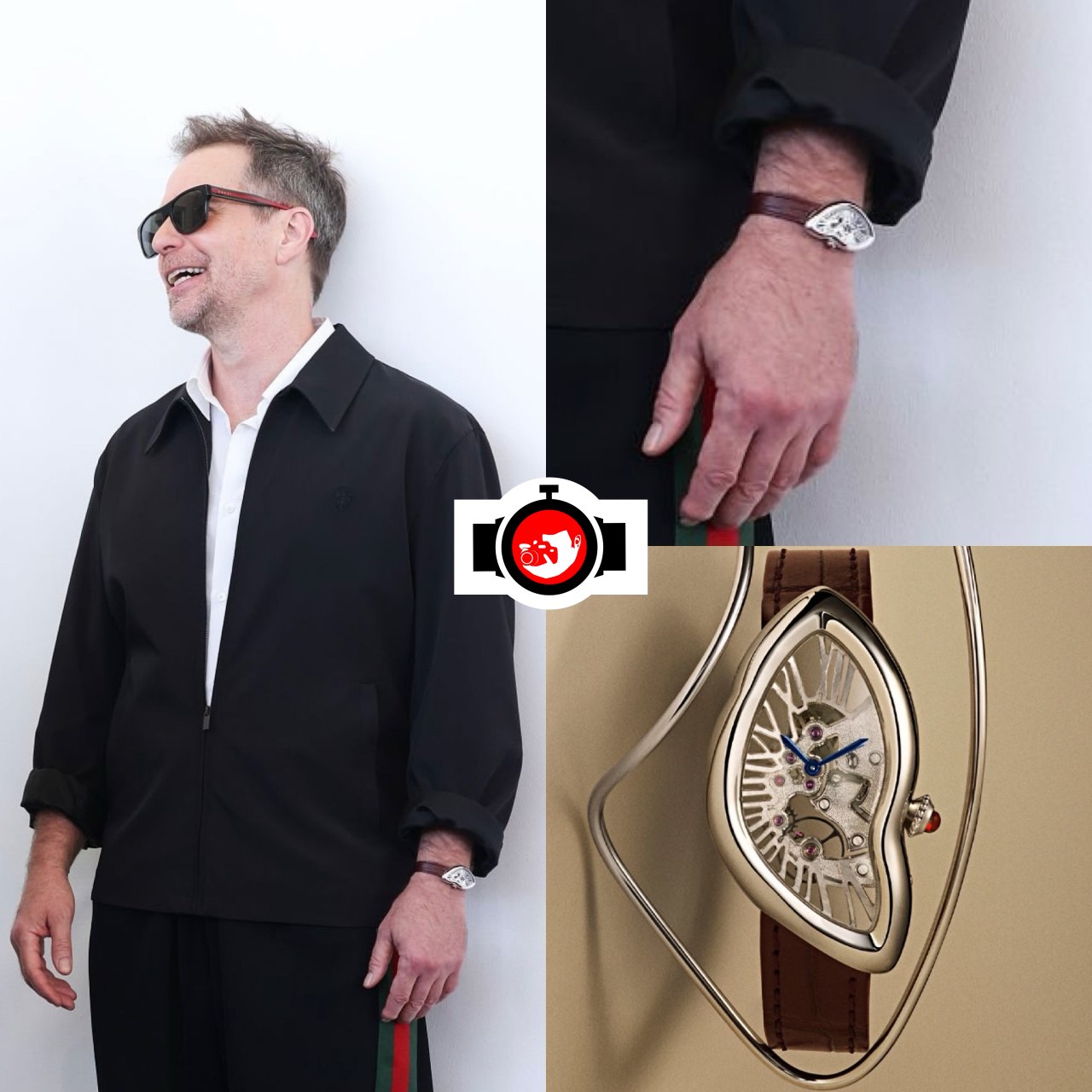
Sam Rockwell wearing Cartier
Platinum Cartier Crash Squelette Skeleton with Burgundy Dial and Calibre 1967 MC
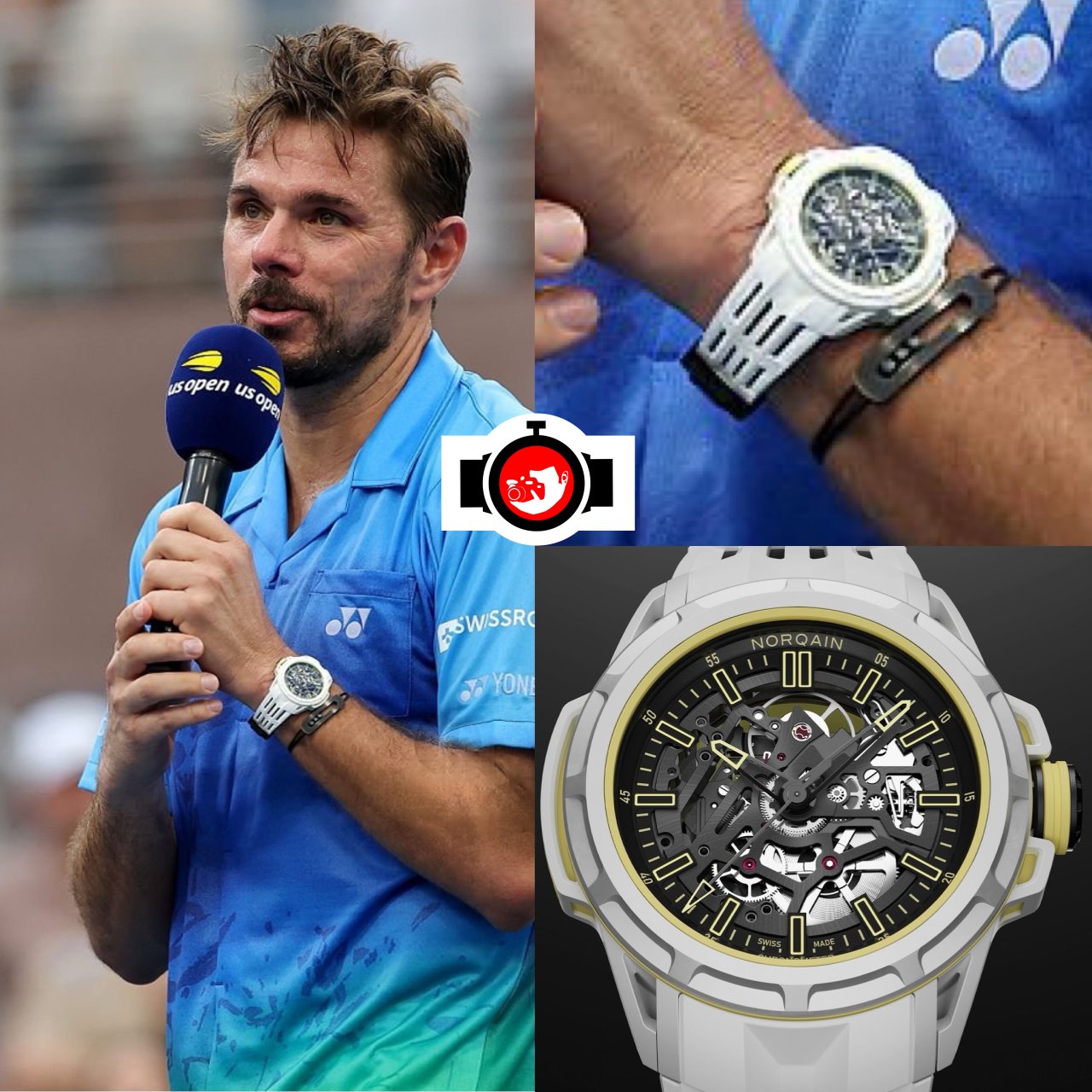
Stan Wawrinka wearing Norqain
Norqain Wild ONE Skeleton X-Lite 'Wimbledon White' Prototype with X-Lite Carbon Fiber Composite Case
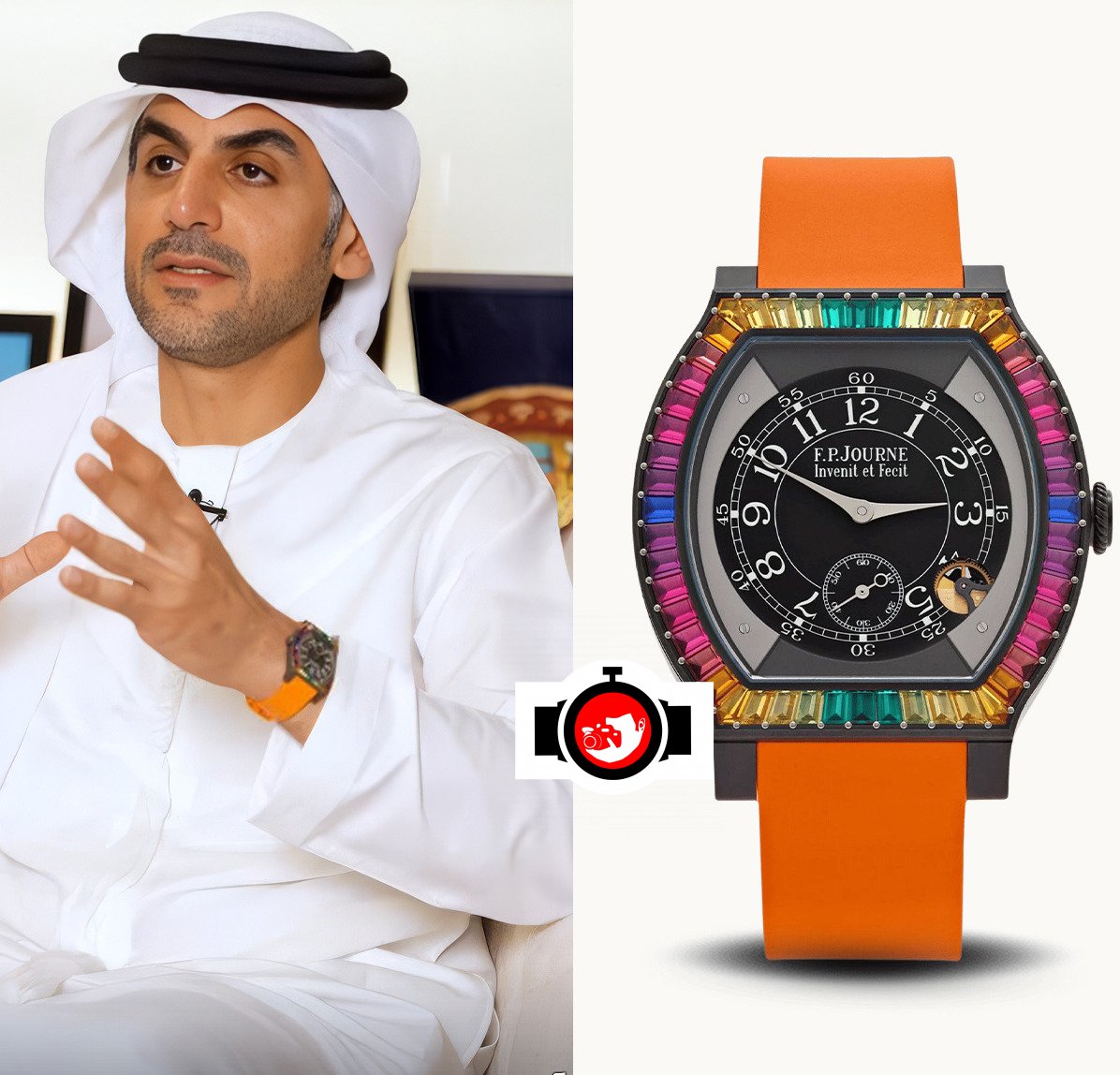
Marwan Ibrahim Haji Nasser wearing F.P. Journe
F.P. Journe Élégante 'Gino's Dream' Rainbow Titanium Watch with Rainbow Baguette Bezel
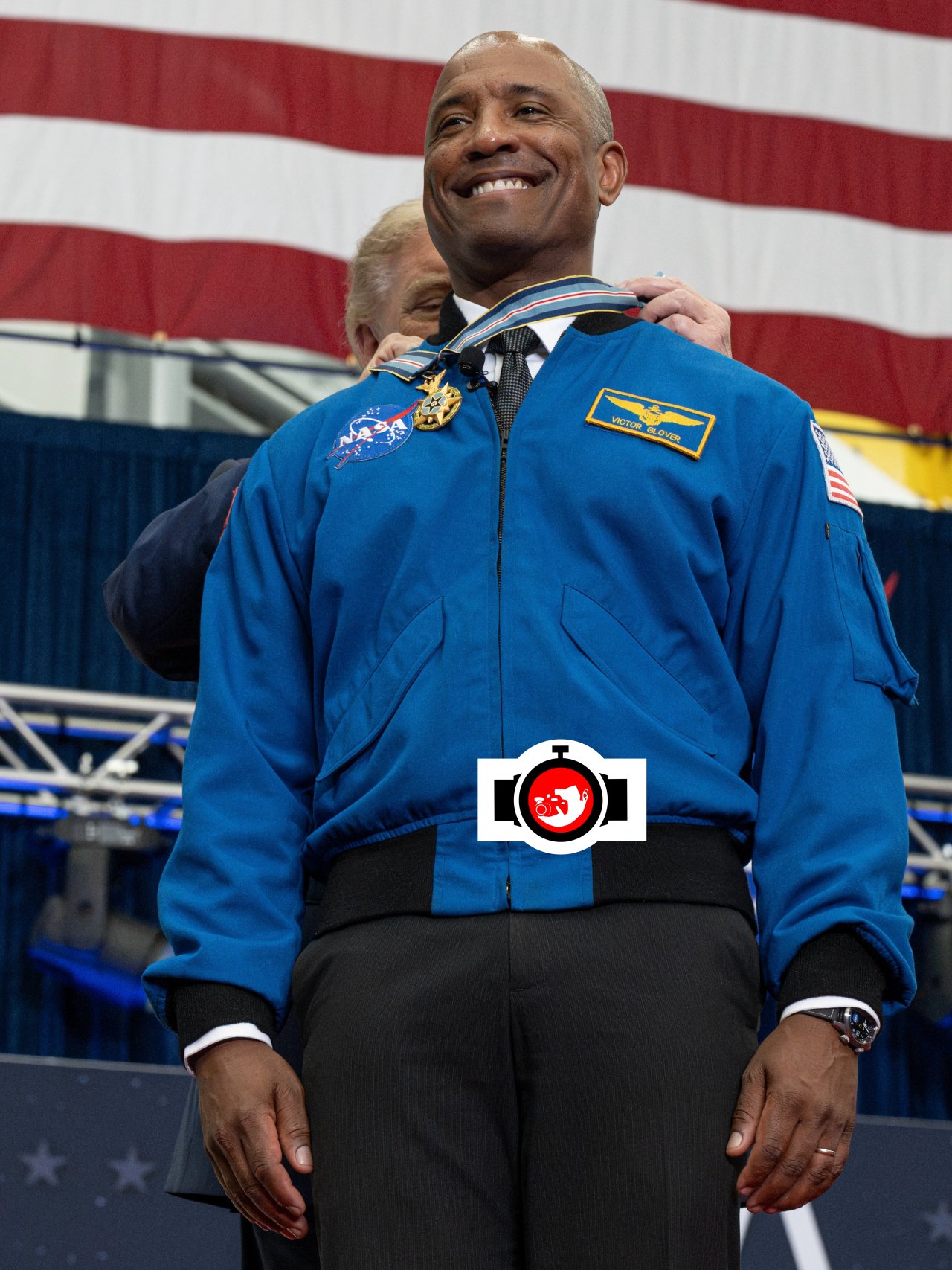
Victor Glover wearing Breitling
Breitling Pilot Watch with NASA Logo Worn by Artemis II Astronaut Victor Glover
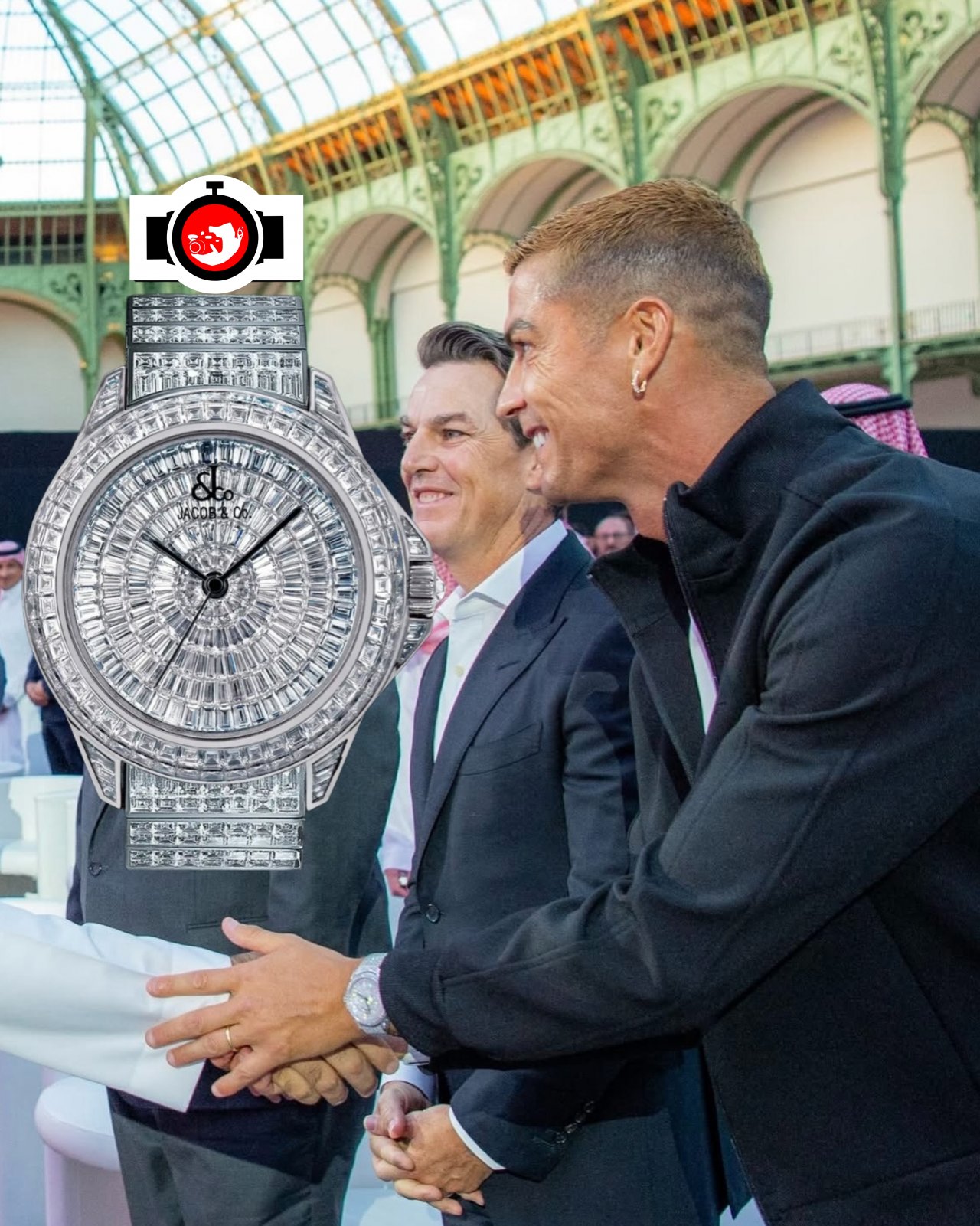
Cristiano Ronaldo wearing Jacob & Co
18K White Gold Jacob & Co Royal Baguette with 59 Baguette-Cut Diamonds
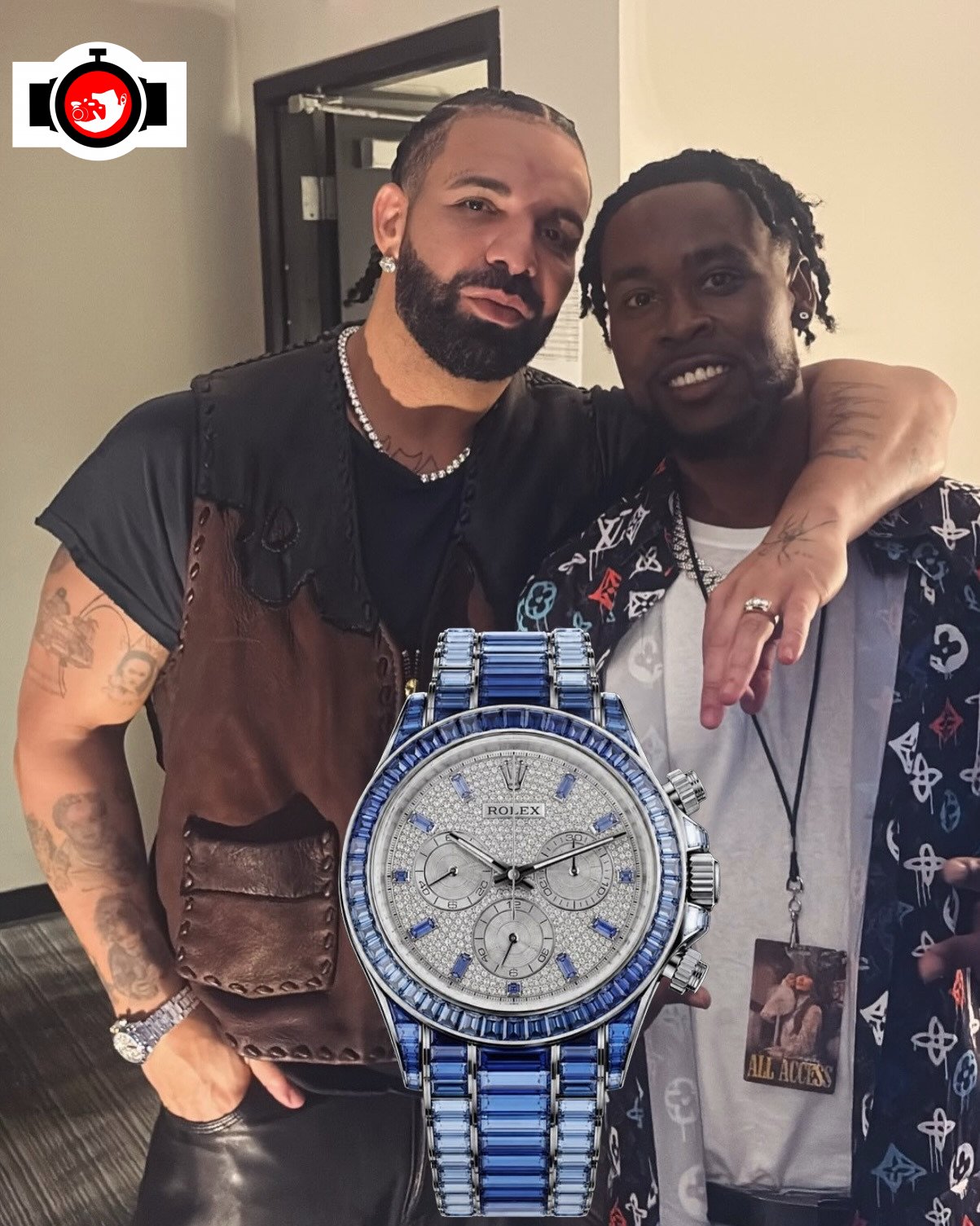
Drake wearing Rolex
18K White Gold Rolex Daytona 'Freeze The World' Custom Bespoke with Diamond-Pavé Dial, Blue Sapphire Bezel, and Ice-Gradient Sapphire Bracelet