
Footballer Leo Jaba spotted wearing a Hauve
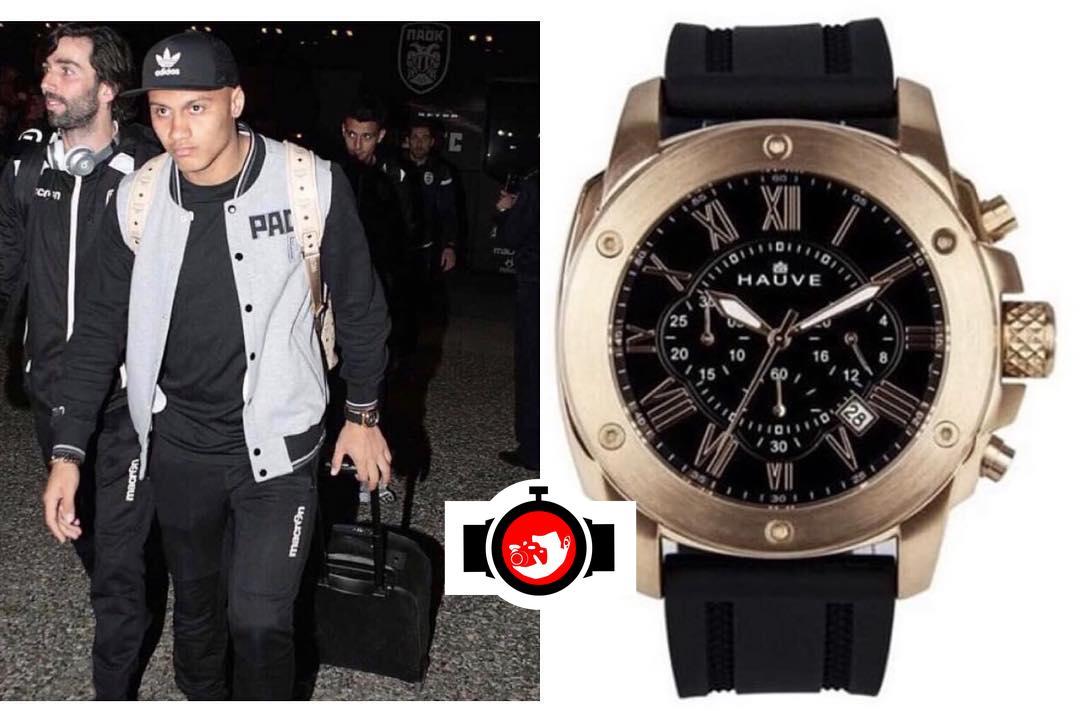
Leo Jaba, the Brazilian-born winger who made his name in Greek football with PAOK FC, was caught by photographers during what appears to be a team arrival or departure, rolling luggage in hand and a Hauve Rose Gold Chronograph on his left wrist. The sighting is a genuine street-level snapshot of how accessible watch brands are finding their way onto professional athletes who appreciate aesthetics but aren't chasing provenance.
The watch itself is immediately recognisable from the product image provided. Hauve's Rose Gold Chronograph features a large-diameter case — estimated at around 46–48mm — in a rose gold PVD finish. The black dial carries Roman numeral hour markers rendered in matching rose gold tone, three recessed chronograph sub-dials, a date window at six o'clock, and the brand name printed cleanly at twelve. The bezel is secured with four visible screws at the cardinal points, a design cue borrowed from tool-watch and luxury sport-watch DNA. The crown is knurled in a cross-hatch pattern, another nod to premium references. The strap is a black rubber unit with a signed buckle.
Hauve launched in the UK as a style-forward affordable brand targeting younger buyers who want the presence of a large sport chronograph without the associated price tag. The movement is a reliable Japanese quartz chronograph module — practical, accurate, and entirely appropriate for a working footballer's daily wear. At a UK list price of approximately £165, the brand occupies the accessible fashion-watch tier alongside MVMT and Vincero, but its case design skews more overtly towards the high-end sport aesthetic.
For collectors, the Hauve is not a horological conversation piece, but that is not its ambition. It is honest about what it is: a well-styled, affordable chronograph that delivers visual impact. The rose gold and black combination has proven consistently popular across price points, from Breitling's Navitimer variants down to entry-level releases like this one.
Jaba's choice reflects a broader trend among young professional footballers — particularly those outside the top salary tiers — who treat watches as a genuine style accessory rather than a status signal. Wearing a £165 Hauve while travelling with a top European club says something authentic: the watch was chosen because he likes it.
More watches like this
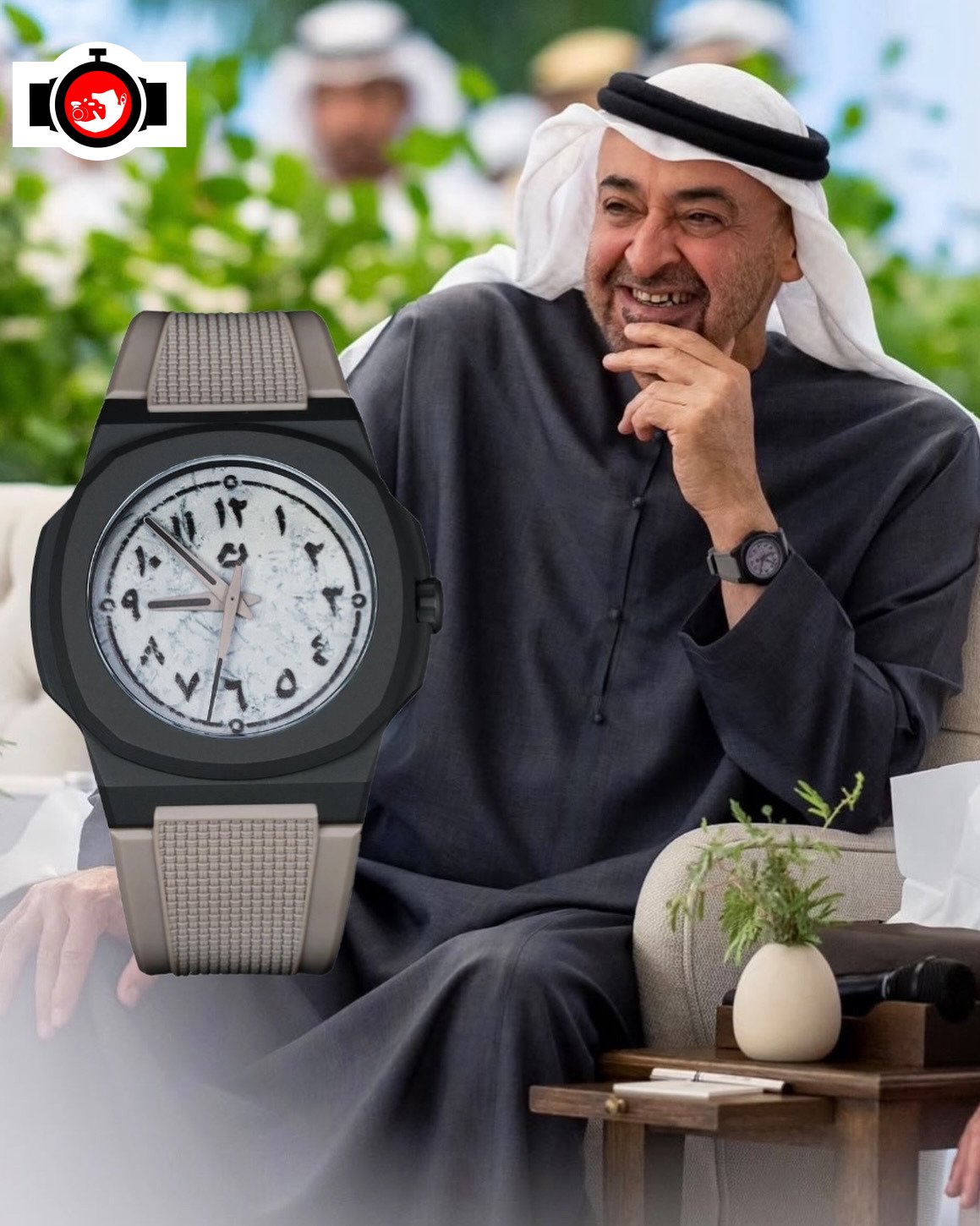
Sheikh Mohamed bin Zayed Al Nahyan wearing Nuncier
Nuncier Carbon Tech Special Edition Watch with Eastern Arabic Numerals and Monochromatic Dial
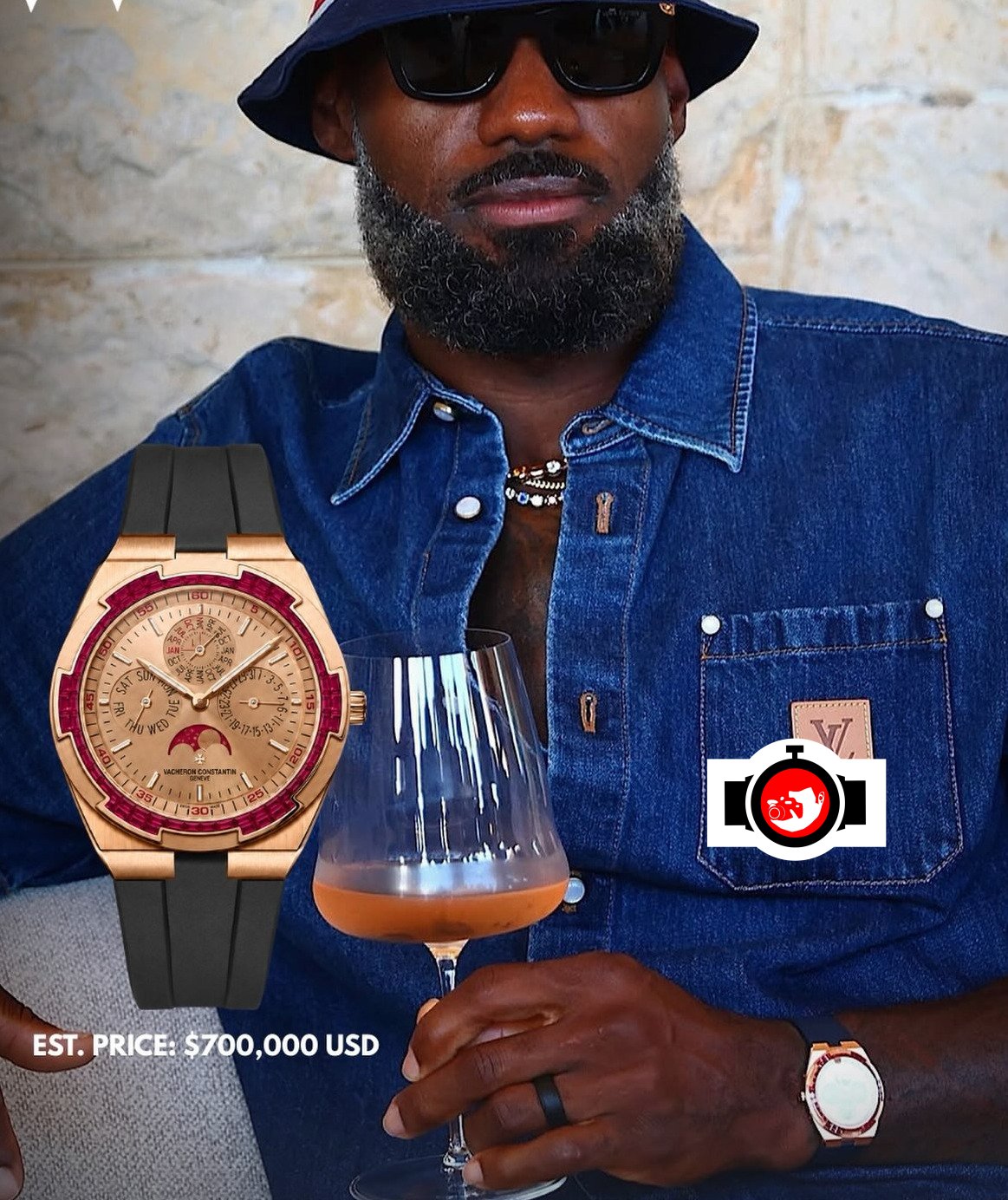
LeBron James wearing Vacheron Constantin
18K Rose Gold Vacheron Constantin Perpetual Calendar with Ruby-Set Baguette Bezel and Rose Dial
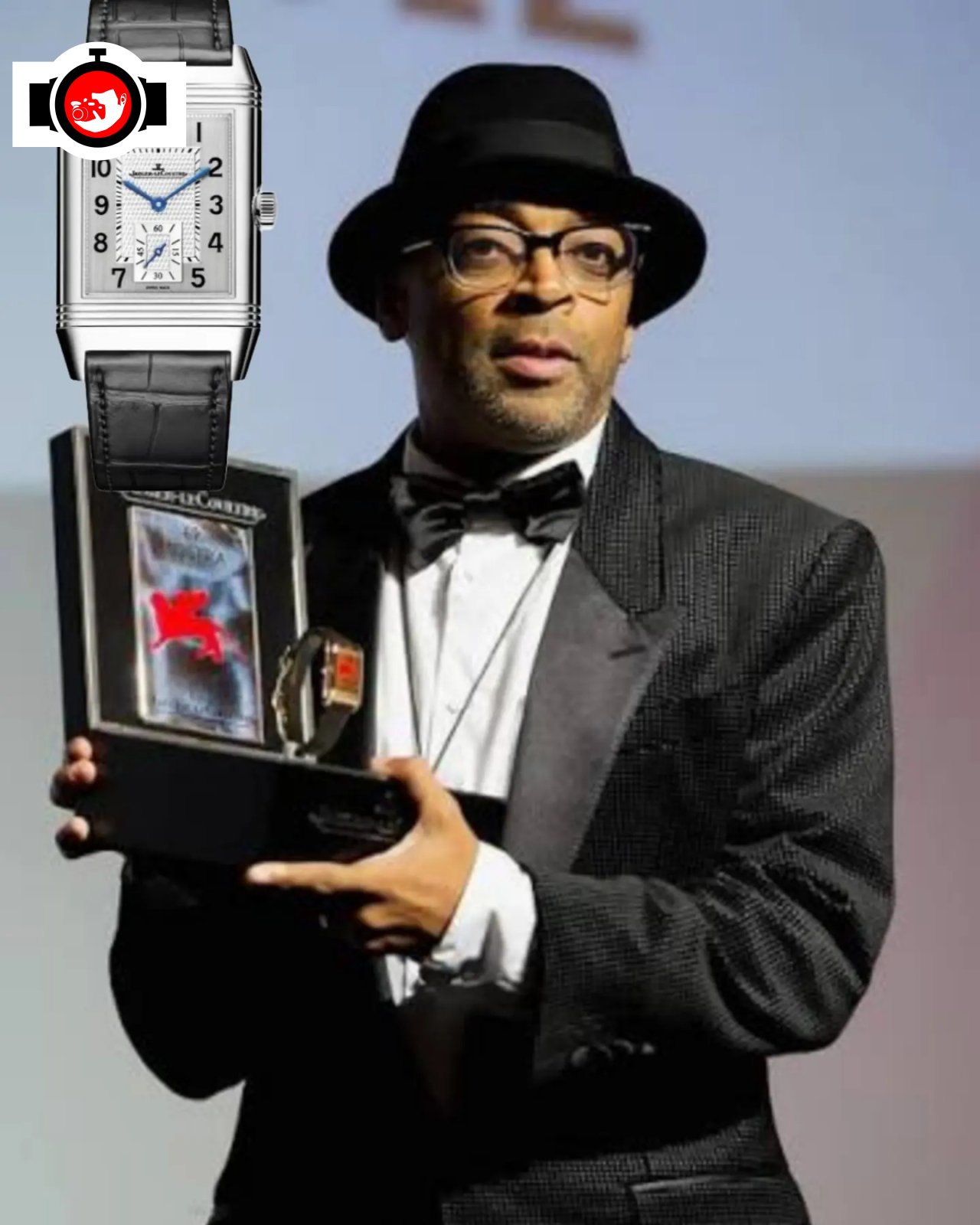
Spike Lee wearing Jaeger LeCoultre
Jaeger-LeCoultre Reverso Custom Presentation Watch — Spike Lee Venice Film Festival Award
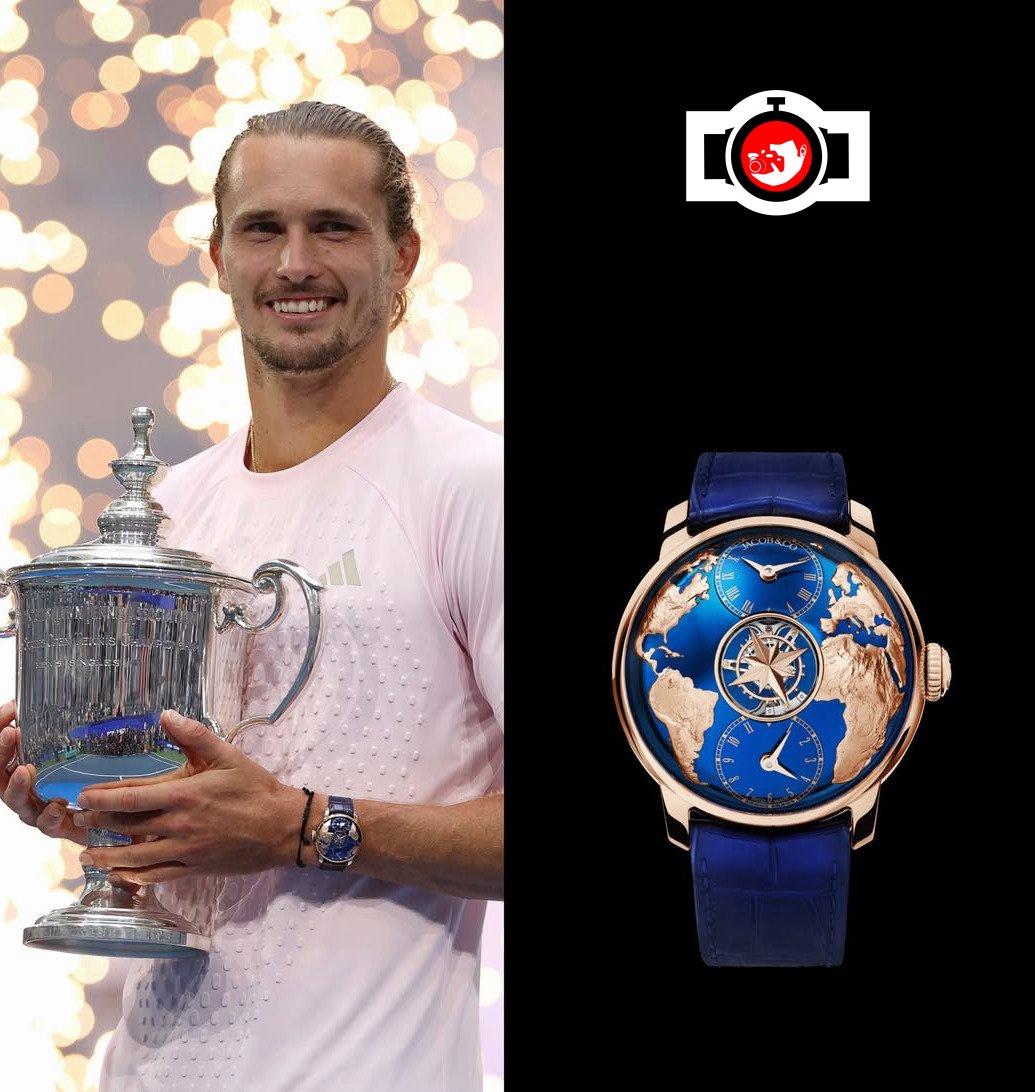
Alexander Zverev wearing Jacob & Co.
Jacob & Co. The World Is Yours Dual Time Zone Tourbillon with World Map Dial and Blue Leather Strap
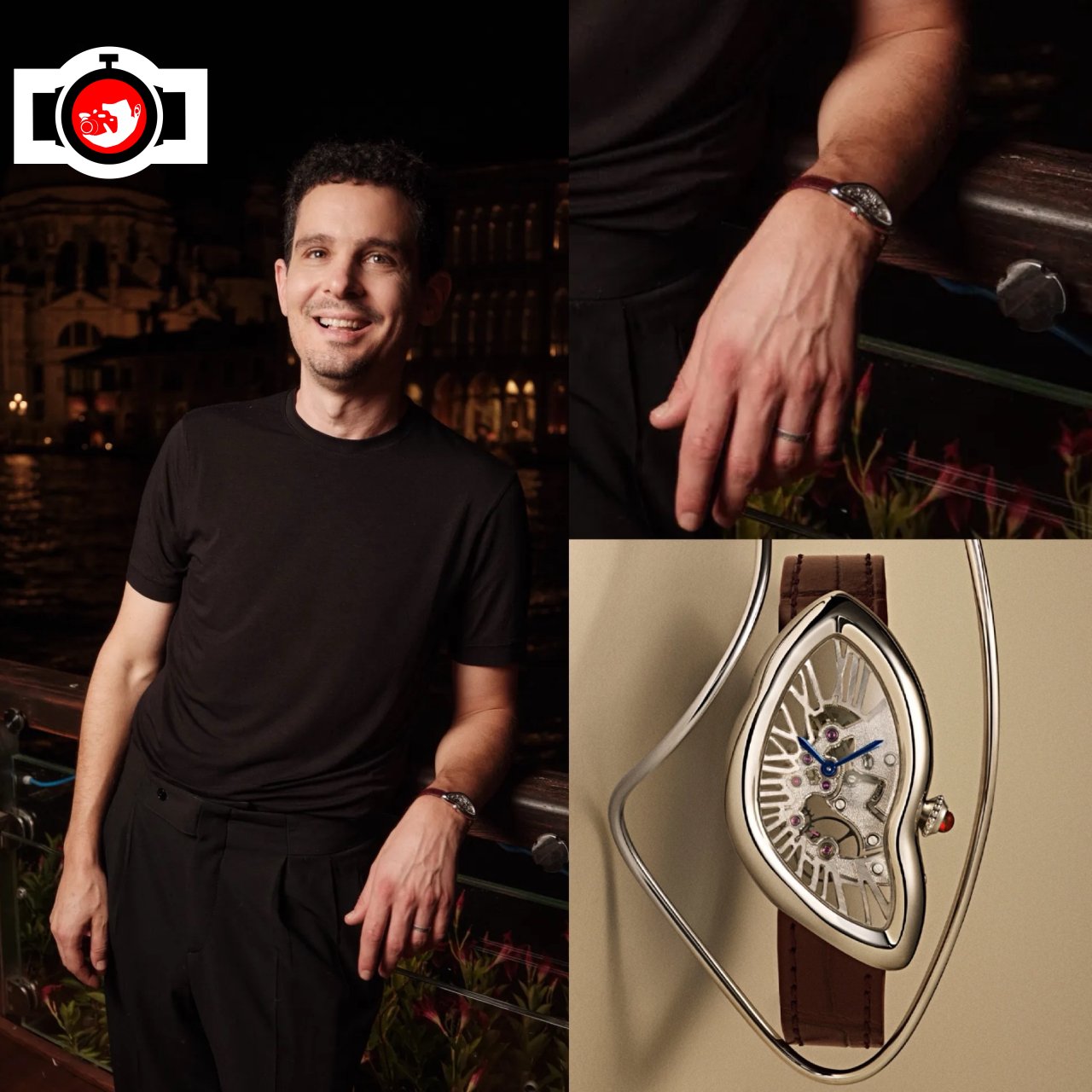
Damien Chazelle wearing Cartier
Platinum Cartier Crash Skeleton with Burgundy Accents and Calibre 1967 MC
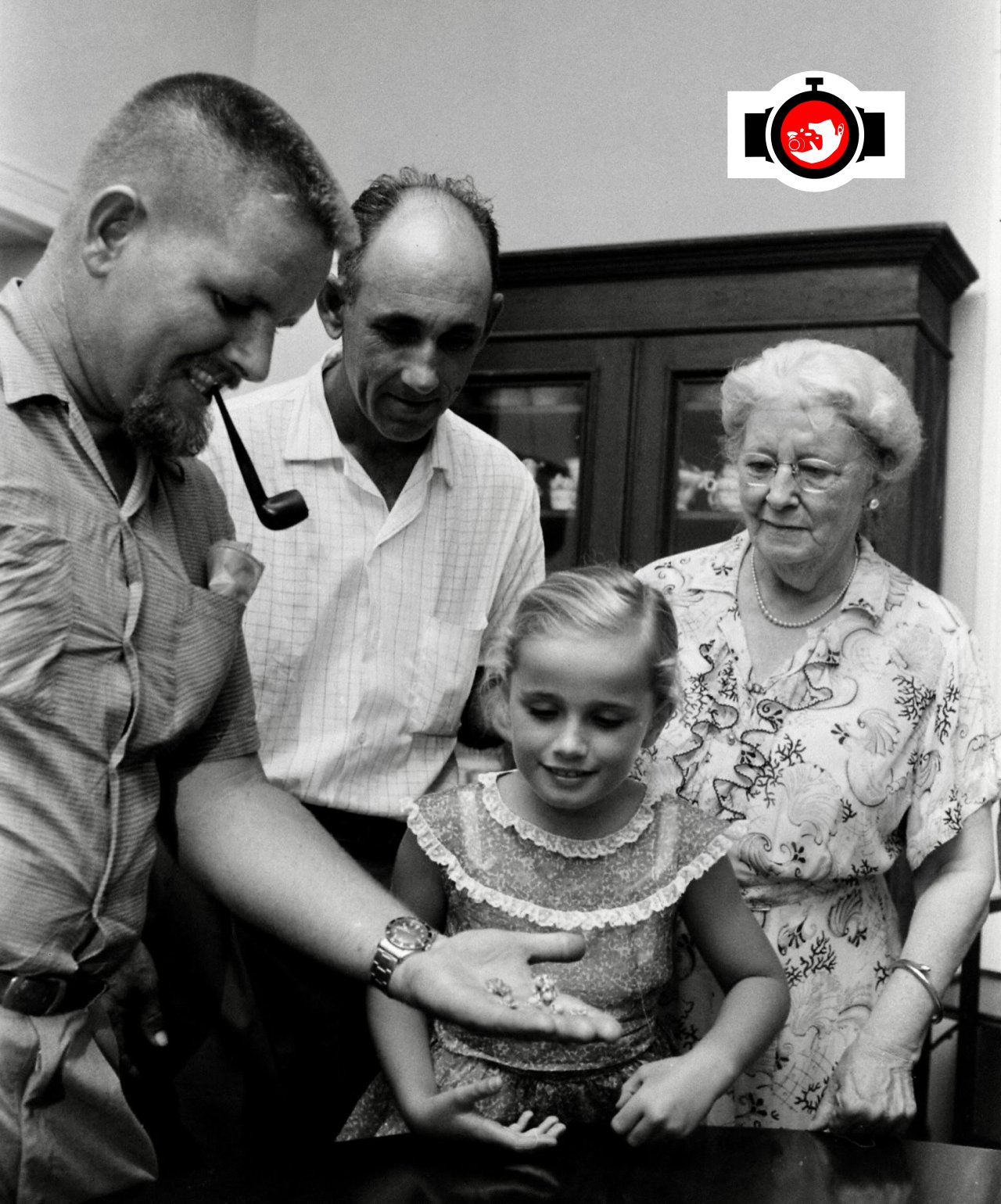
Teddy Tucker wearing Rolex
Rolex Submariner with Inward-Facing Dial – Teddy Tucker's Treasure Hunter's Watch
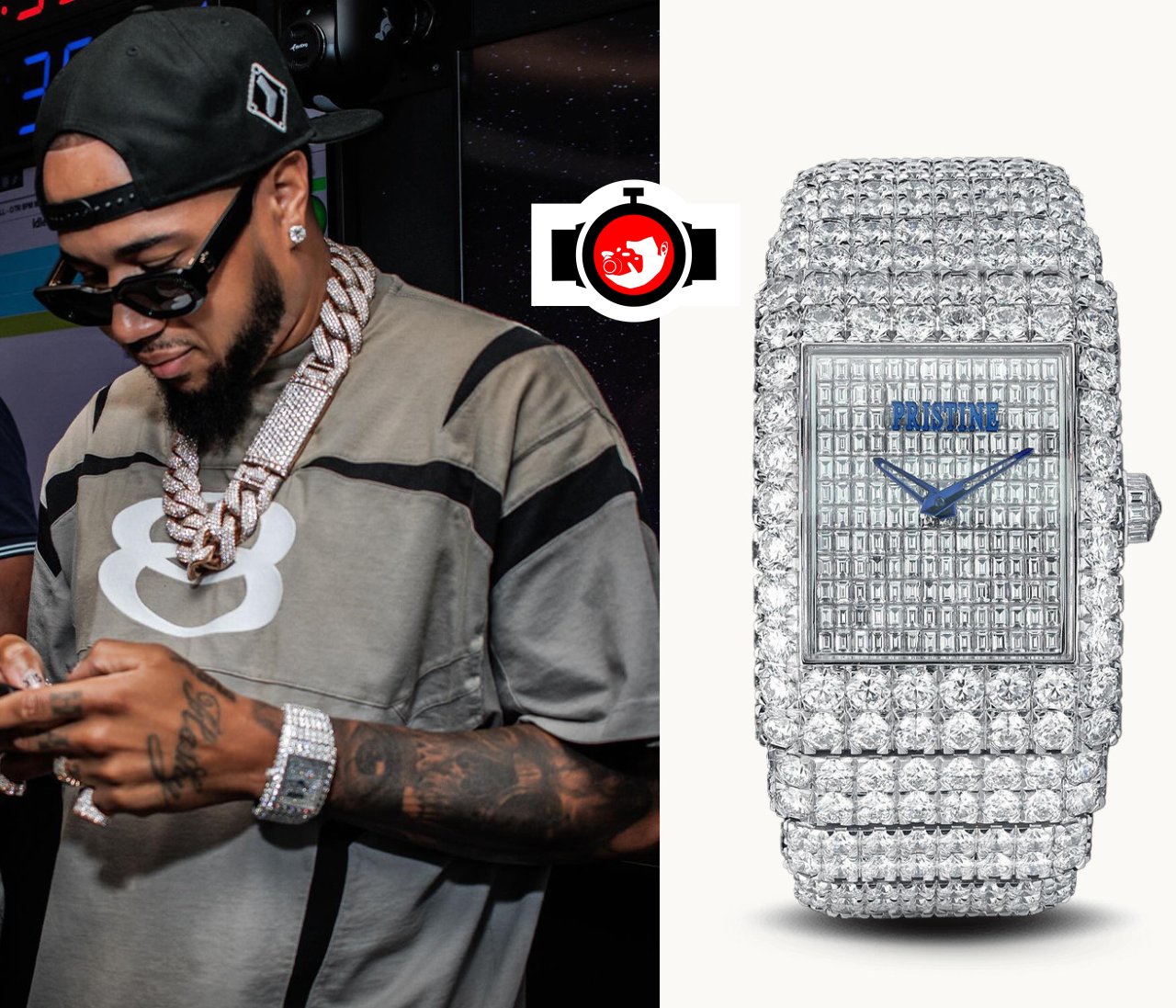
Mazi VS wearing Pristine
18K White Gold Pristine Custom Diamond Watch with Baguette Diamond Dial and 100.75 Carats
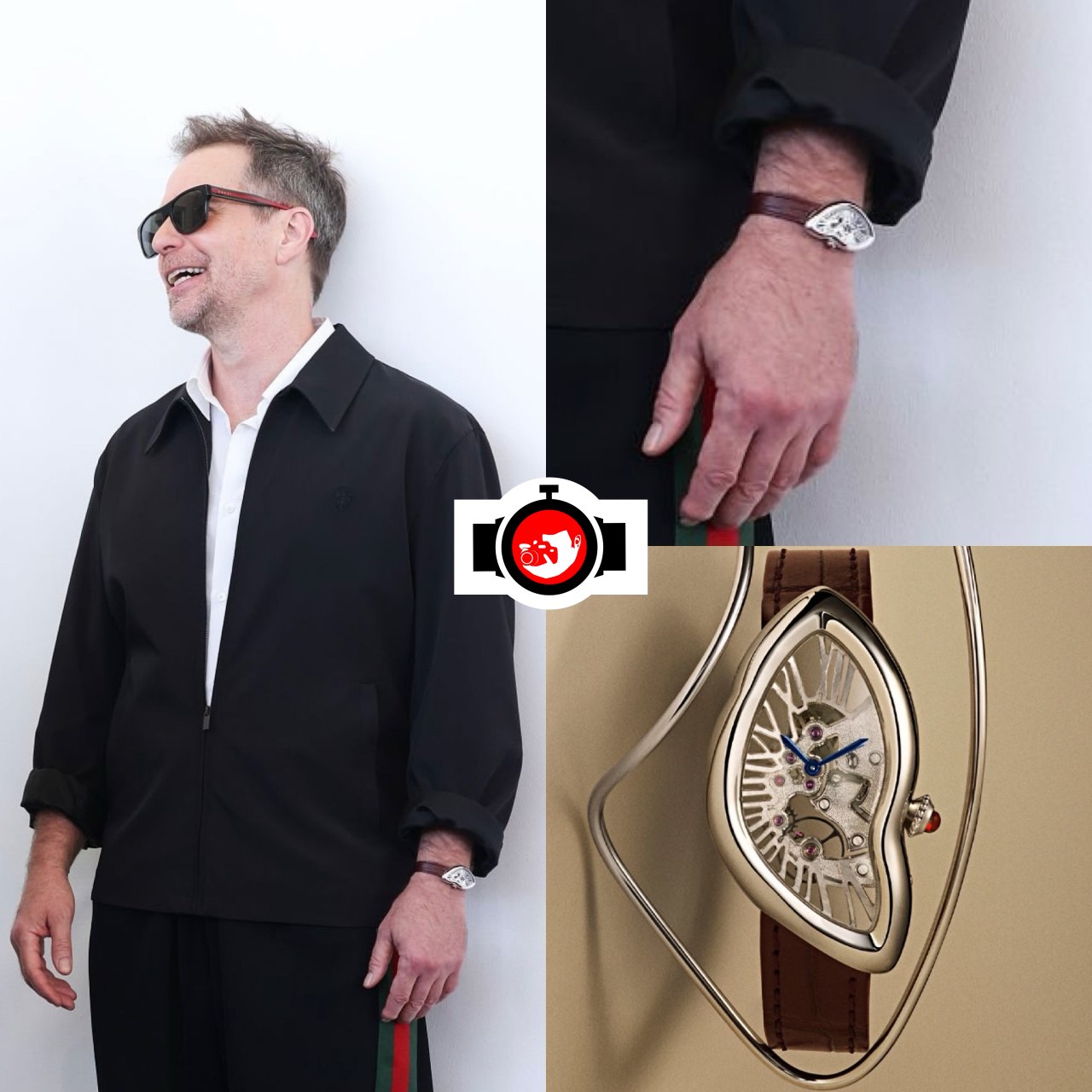
Sam Rockwell wearing Cartier
Platinum Cartier Crash Squelette Skeleton with Burgundy Dial and Calibre 1967 MC
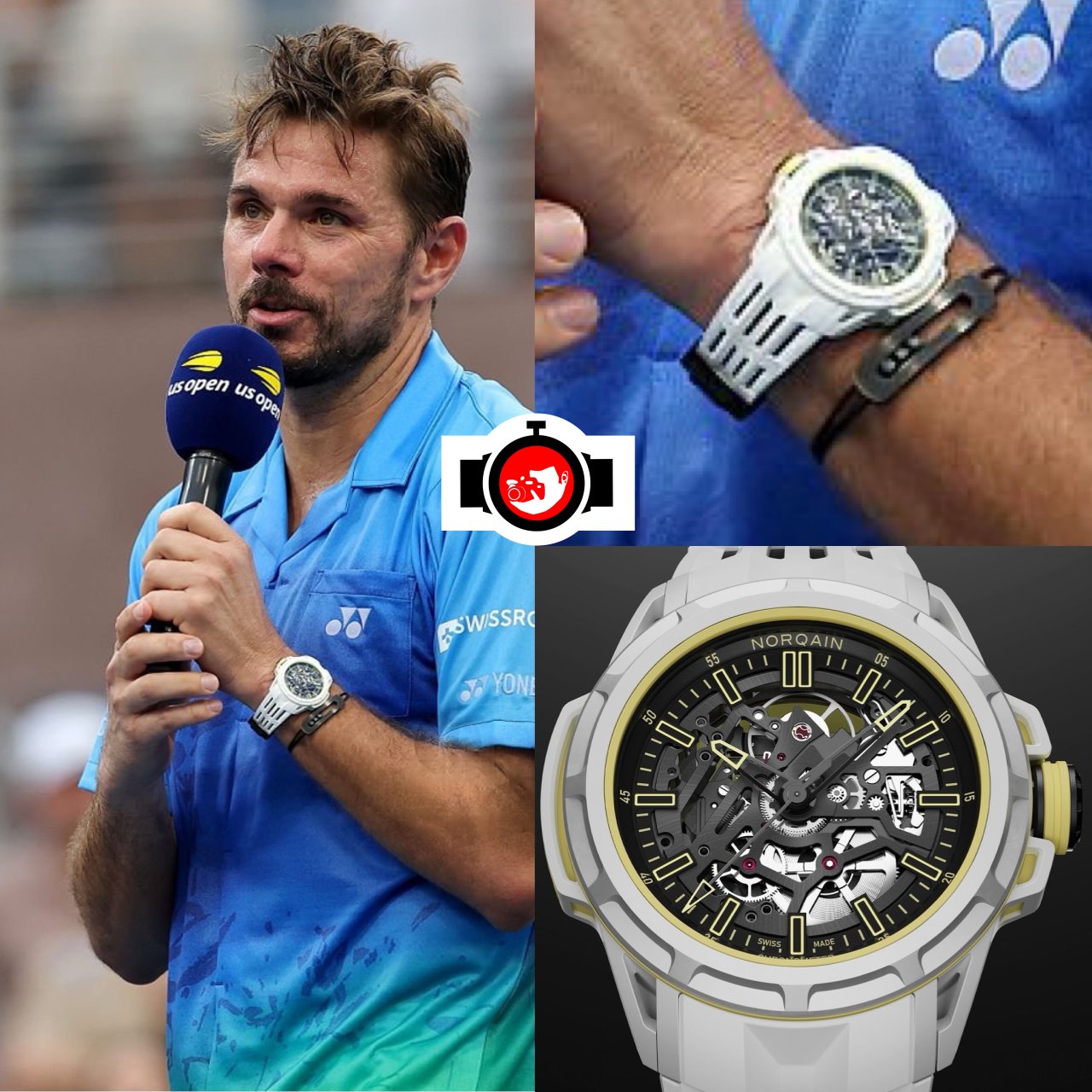
Stan Wawrinka wearing Norqain
Norqain Wild ONE Skeleton X-Lite 'Wimbledon White' Prototype with X-Lite Carbon Fiber Composite Case
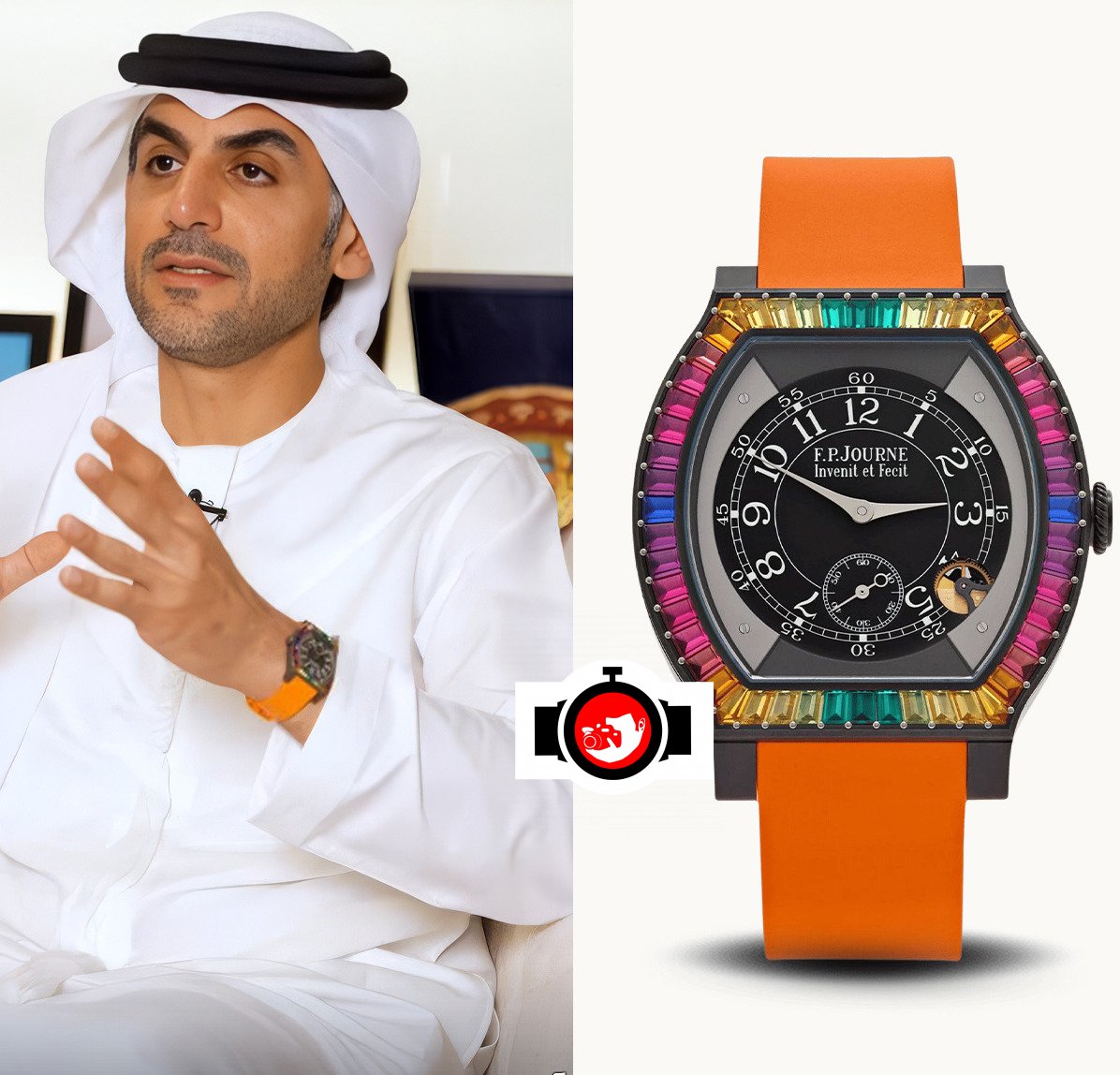
Marwan Ibrahim Haji Nasser wearing F.P. Journe
F.P. Journe Élégante 'Gino's Dream' Rainbow Titanium Watch with Rainbow Baguette Bezel
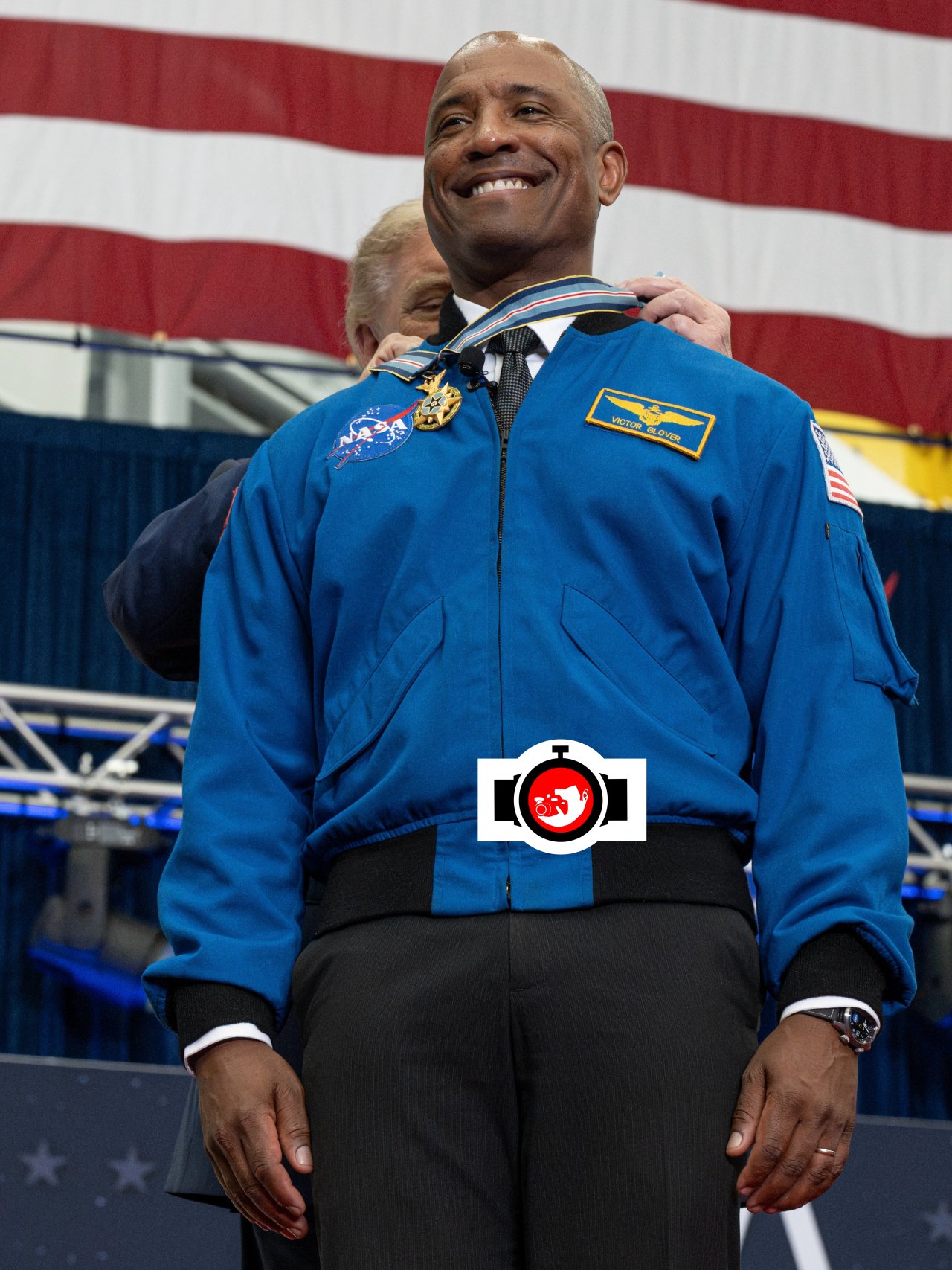
Victor Glover wearing Breitling
Breitling Pilot Watch with NASA Logo Worn by Artemis II Astronaut Victor Glover
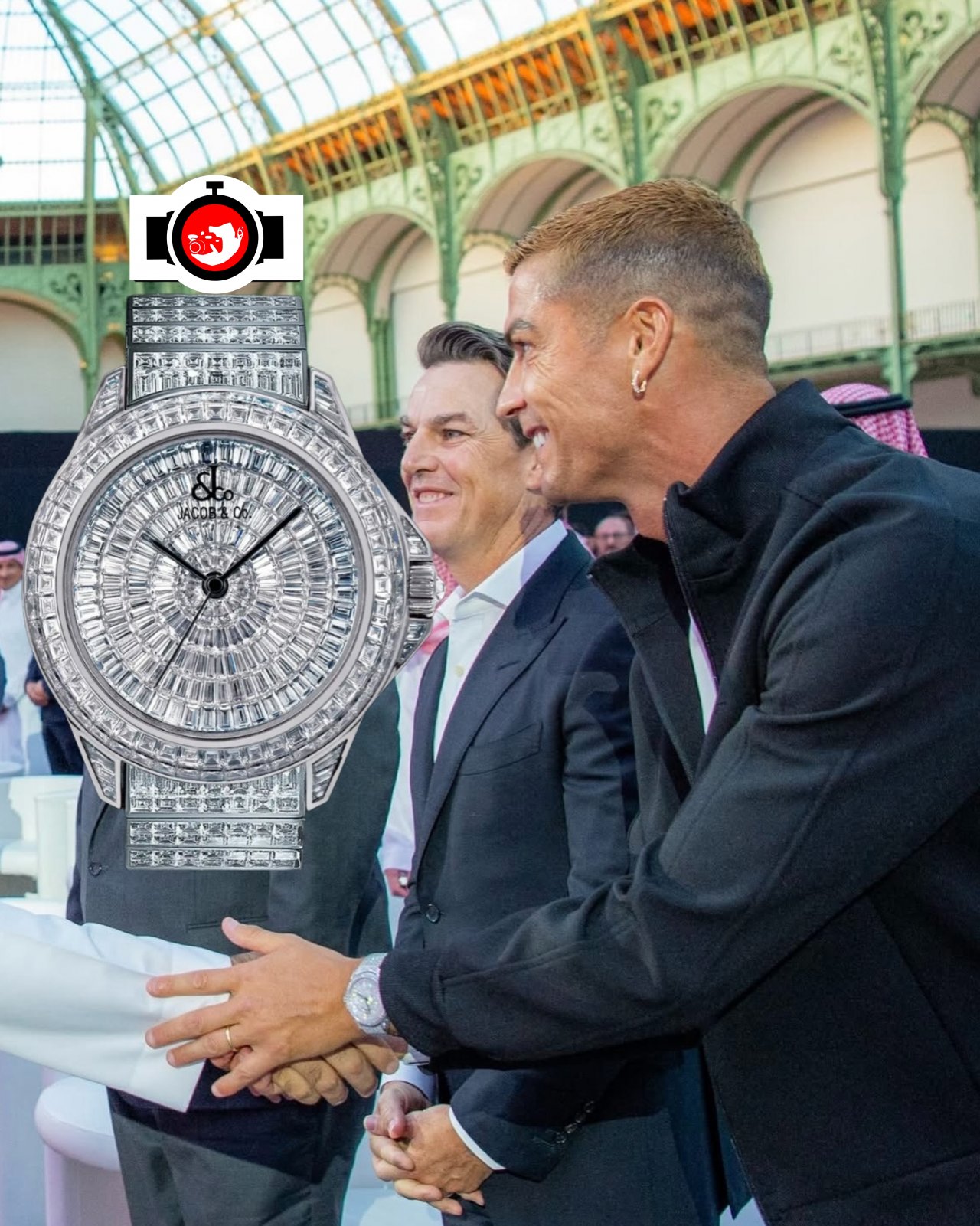
Cristiano Ronaldo wearing Jacob & Co
18K White Gold Jacob & Co Royal Baguette with 59 Baguette-Cut Diamonds