
Explorer Tenzing Norgay spotted wearing a Rolex
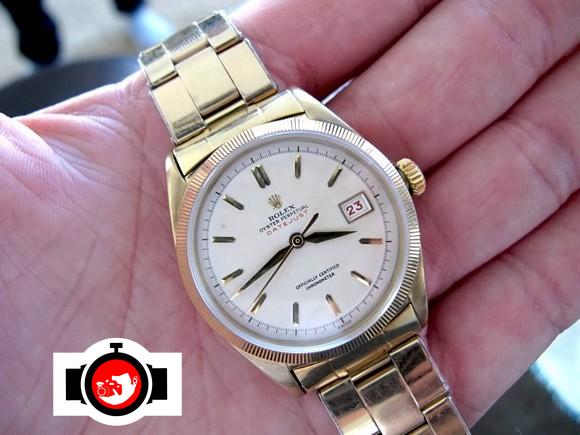
Few watches in horological history can claim the altitude credentials of this yellow gold Rolex Datejust photographed on the wrist — or rather, in the hand — of Tenzing Norgay, the Sherpa mountaineer who would go on to co-summit Everest with Edmund Hillary on May 29, 1953. This example was presented to Norgay by Rolex as a token of gratitude for his involvement in the 1952 Swiss National Expedition to Everest, a near-summit attempt that reached 8,595 meters and laid the technical groundwork for the successful British ascent the following year.
The watch appears to be a mid-1950s Rolex Datejust reference 6075 or closely related transitional reference in 18-karat yellow gold. Visual clues include the engine-turned 'coin edge' bezel — a hallmark of Datejust references from the early-to-mid 1950s — a clean silver 'sigma' dial with applied baton hour markers, and a red date window at 3 o'clock. The integrated yellow gold Oyster bracelet with straight-end links is consistent with period-correct production. Text on the dial reads 'Oyster Perpetual Datejust' and 'Officially Certified Chronometer,' typical of this era before the Superlative Chronometer designation became standard.
The Datejust was launched in 1945 as the world's first self-winding wristwatch with an automatic date-changing mechanism — a significant mechanical achievement. The Calibre 745 or its contemporaries powered these early examples, beating at 18,000 vph with a 36mm case. In yellow gold, these early references represent the top of Rolex's civilian production hierarchy of the period.
From a collector standpoint, any Rolex with direct provenance to the 1953 Everest era commands extraordinary premiums. Rolex famously supplied the British expedition team with Oyster Perpetuals, and timepieces linked to Norgay or Hillary are considered apex horological artifacts. This Datejust sits in a singular category: not a tool watch, but a luxury acknowledgment of a man who stood at the top of the world.
On the open market, early yellow gold Datejust references from the 1950s in strong condition trade between $15,000 and $35,000 depending on dial condition and bracelet originality. With Tenzing Norgay provenance, this watch transcends grey-market pricing entirely — it belongs in auction rooms alongside the most significant timepieces of the 20th century.
More watches like this
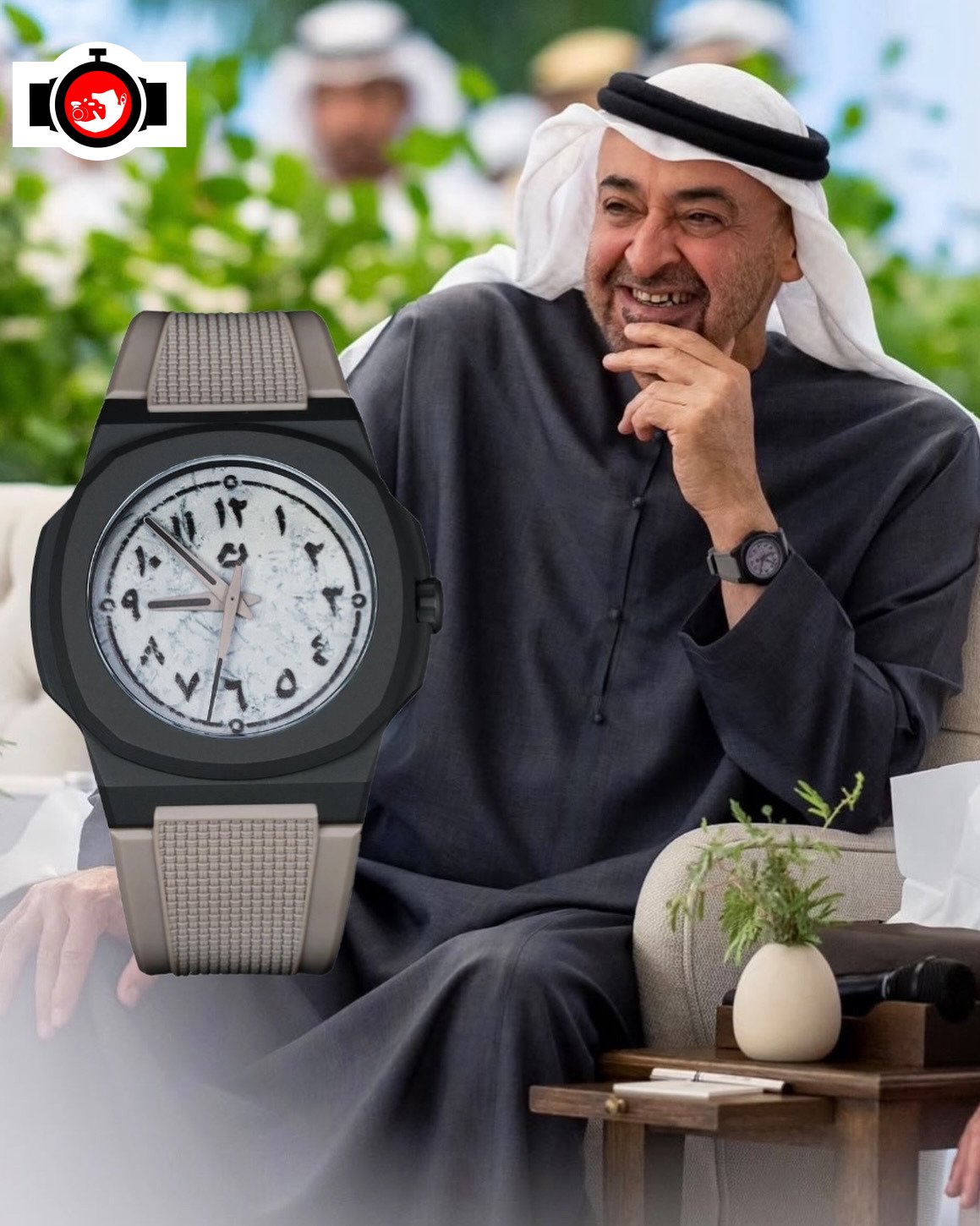
Sheikh Mohamed bin Zayed Al Nahyan wearing Nuncier
Nuncier Carbon Tech Special Edition Watch with Eastern Arabic Numerals and Monochromatic Dial
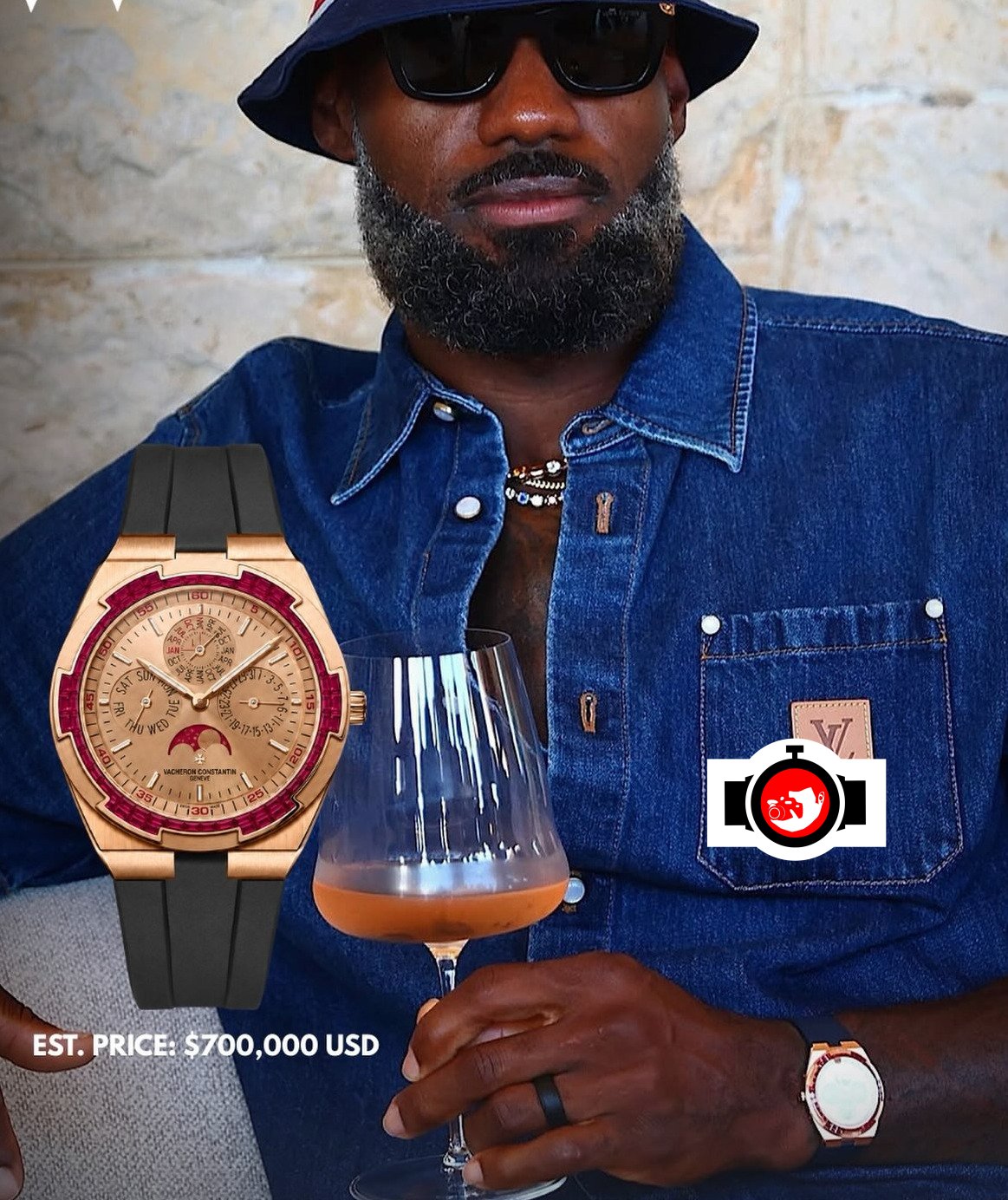
LeBron James wearing Vacheron Constantin
18K Rose Gold Vacheron Constantin Perpetual Calendar with Ruby-Set Baguette Bezel and Rose Dial
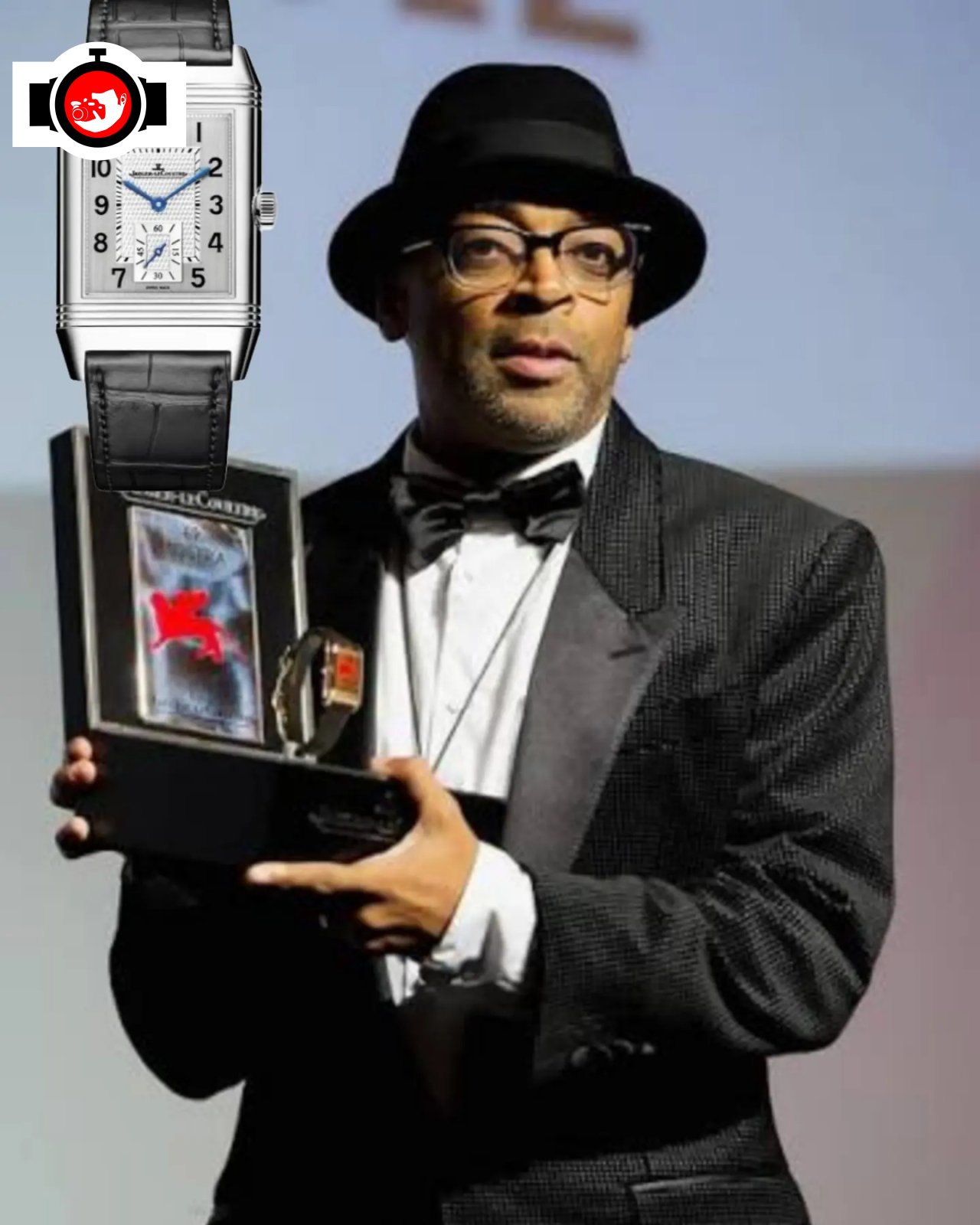
Spike Lee wearing Jaeger LeCoultre
Jaeger-LeCoultre Reverso Custom Presentation Watch — Spike Lee Venice Film Festival Award
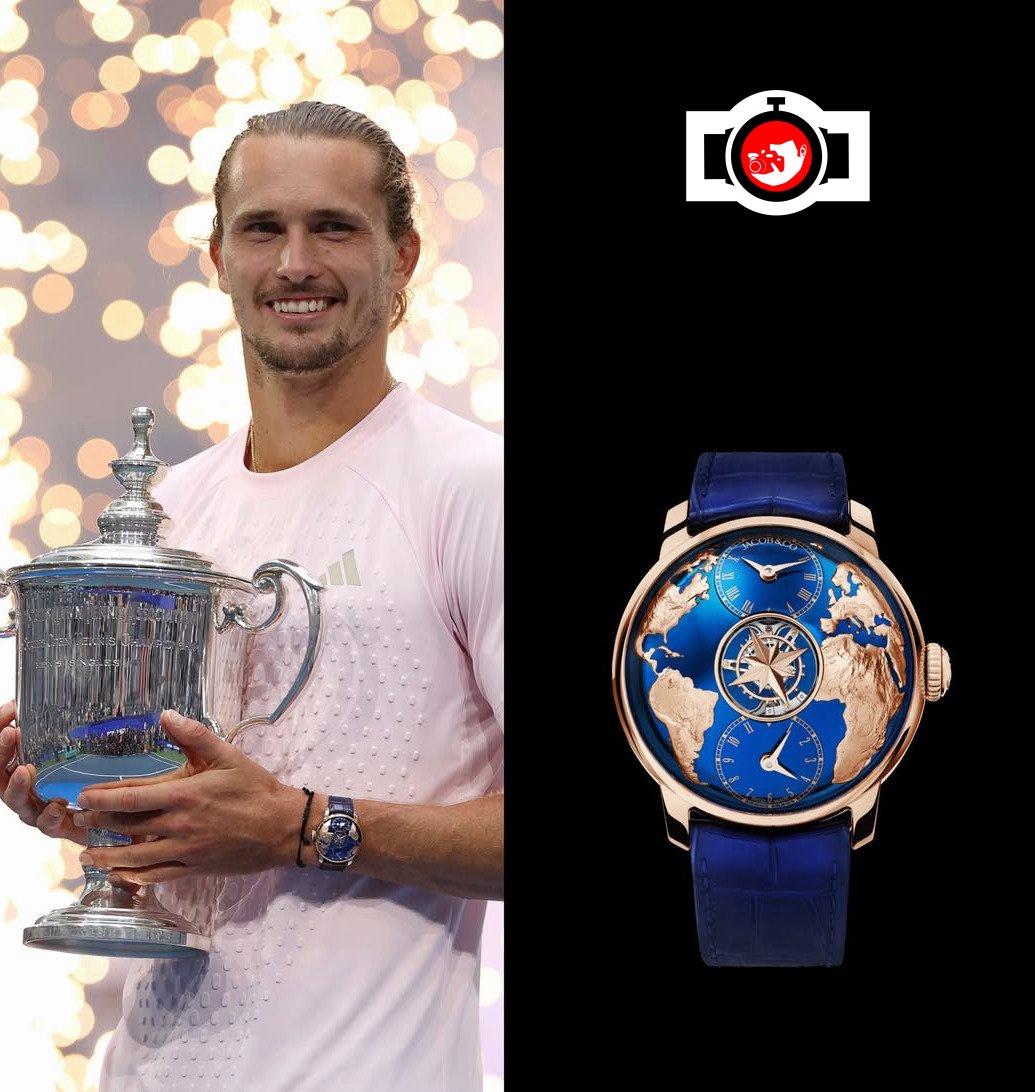
Alexander Zverev wearing Jacob & Co.
Jacob & Co. The World Is Yours Dual Time Zone Tourbillon with World Map Dial and Blue Leather Strap
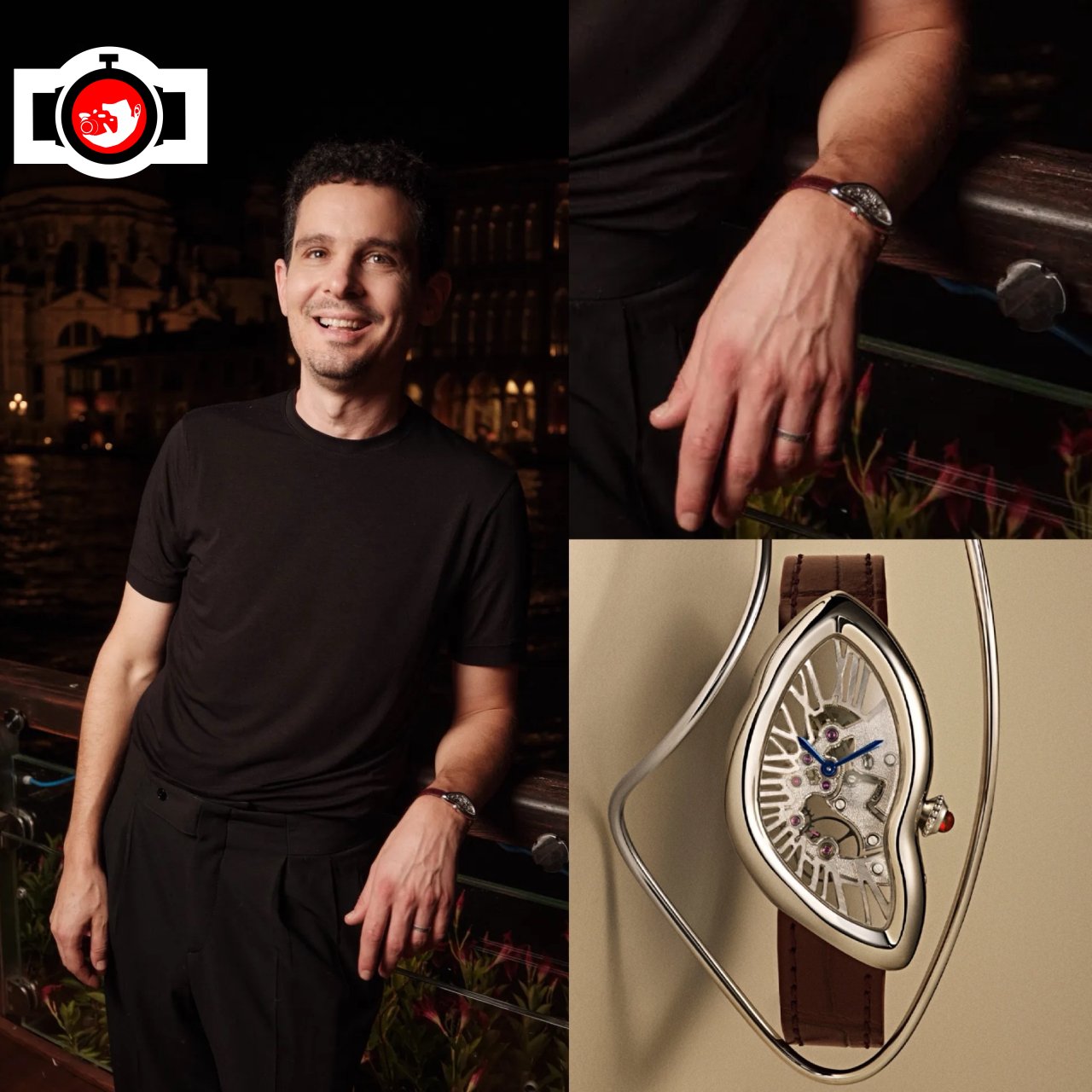
Damien Chazelle wearing Cartier
Platinum Cartier Crash Skeleton with Burgundy Accents and Calibre 1967 MC
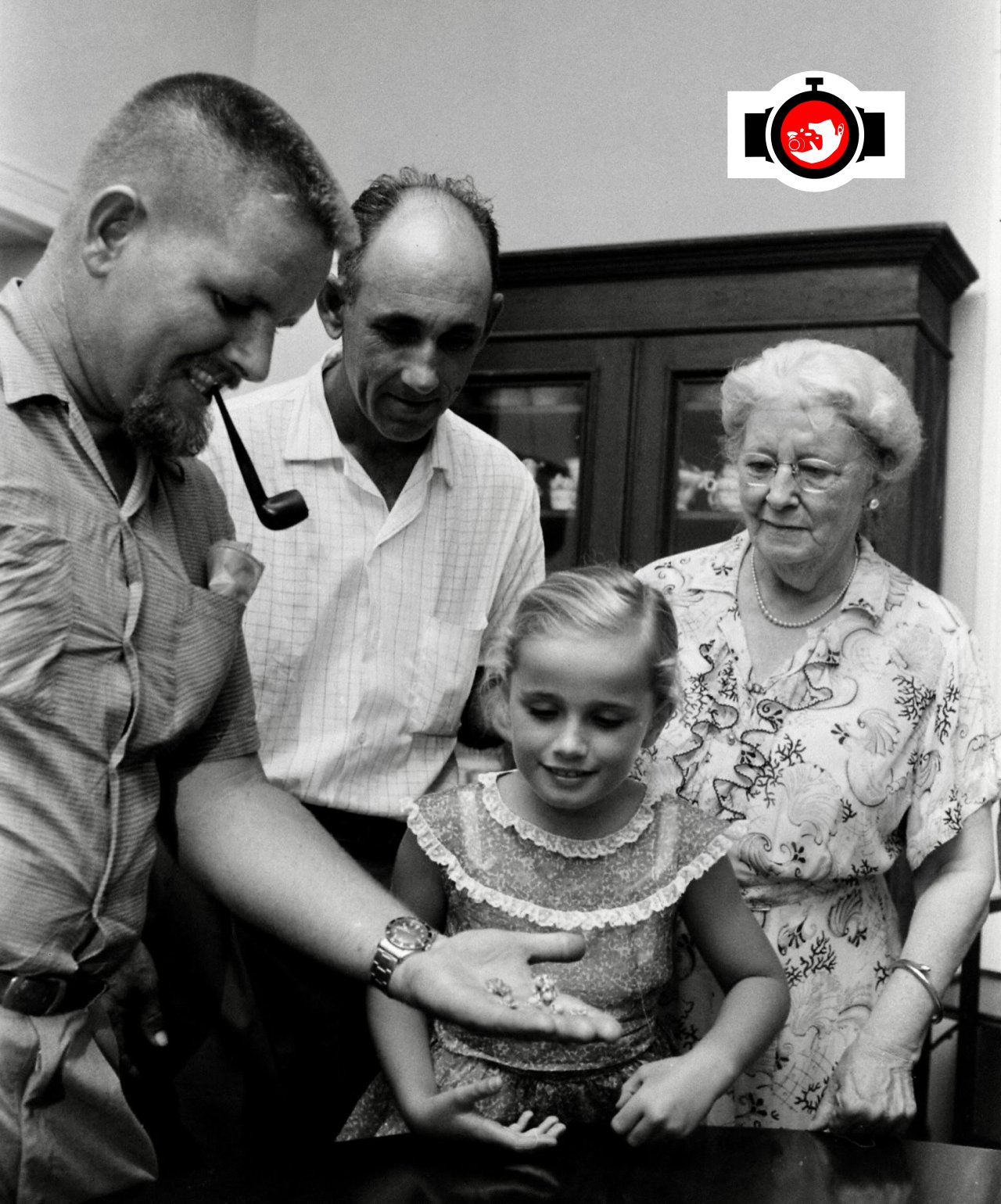
Teddy Tucker wearing Rolex
Rolex Submariner with Inward-Facing Dial – Teddy Tucker's Treasure Hunter's Watch
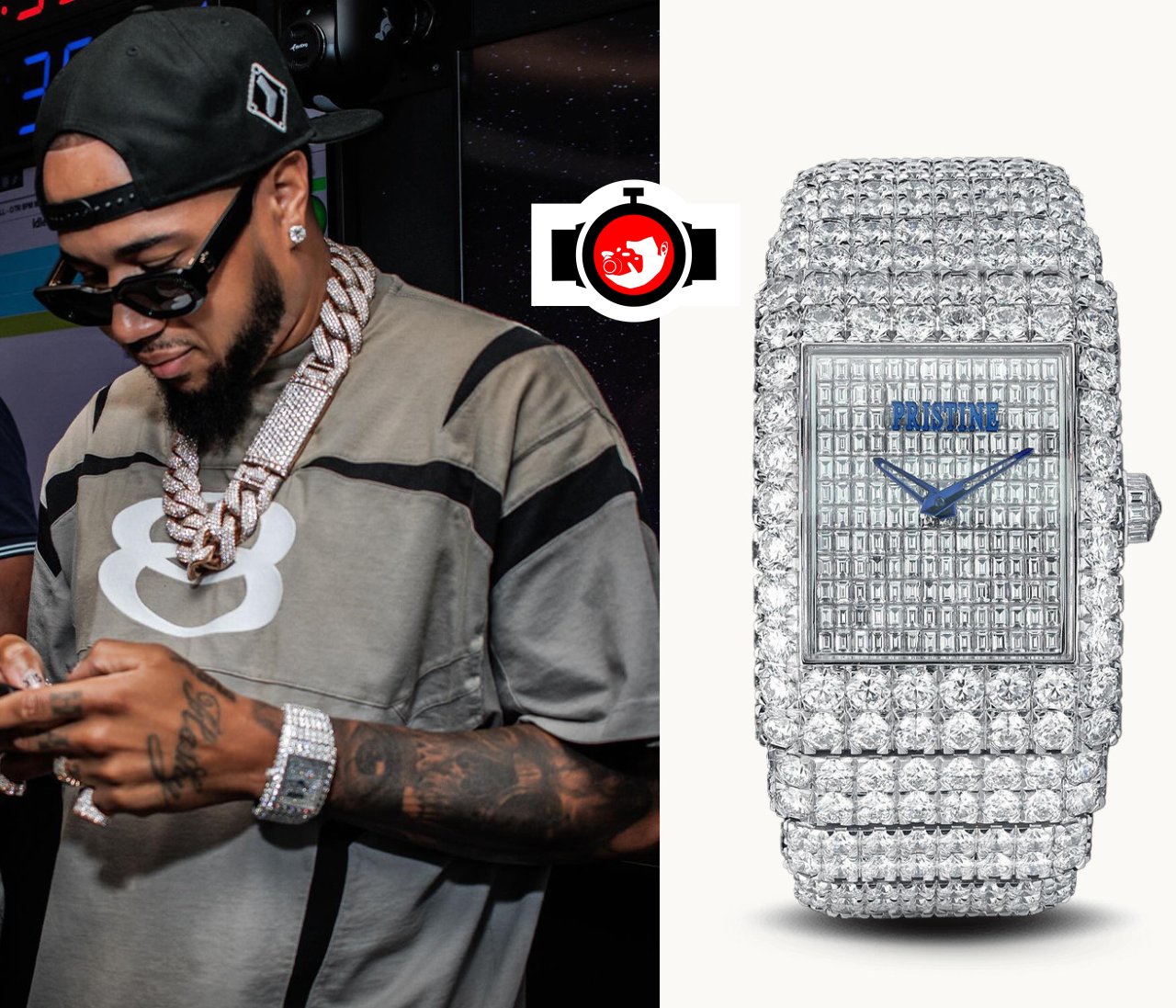
Mazi VS wearing Pristine
18K White Gold Pristine Custom Diamond Watch with Baguette Diamond Dial and 100.75 Carats
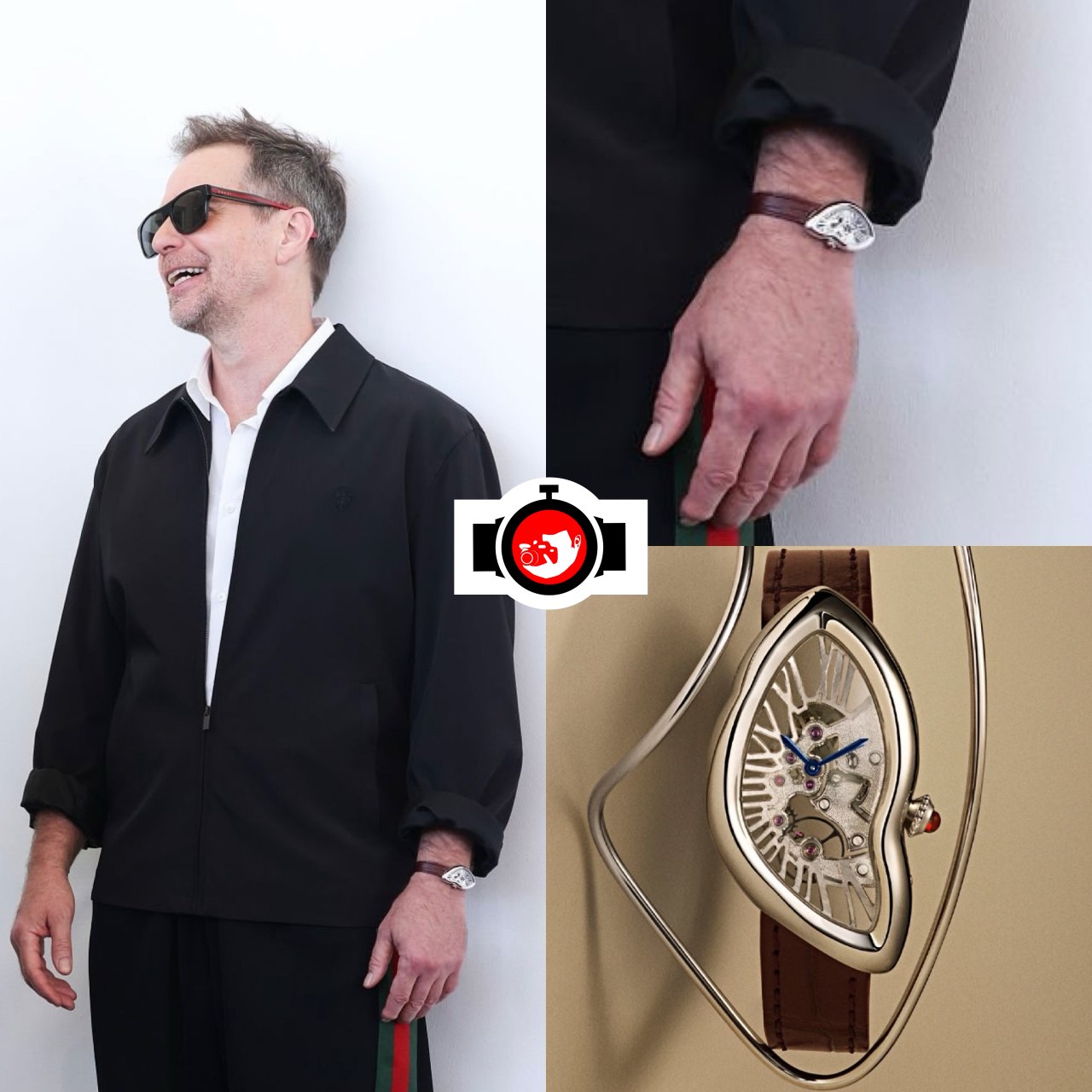
Sam Rockwell wearing Cartier
Platinum Cartier Crash Squelette Skeleton with Burgundy Dial and Calibre 1967 MC
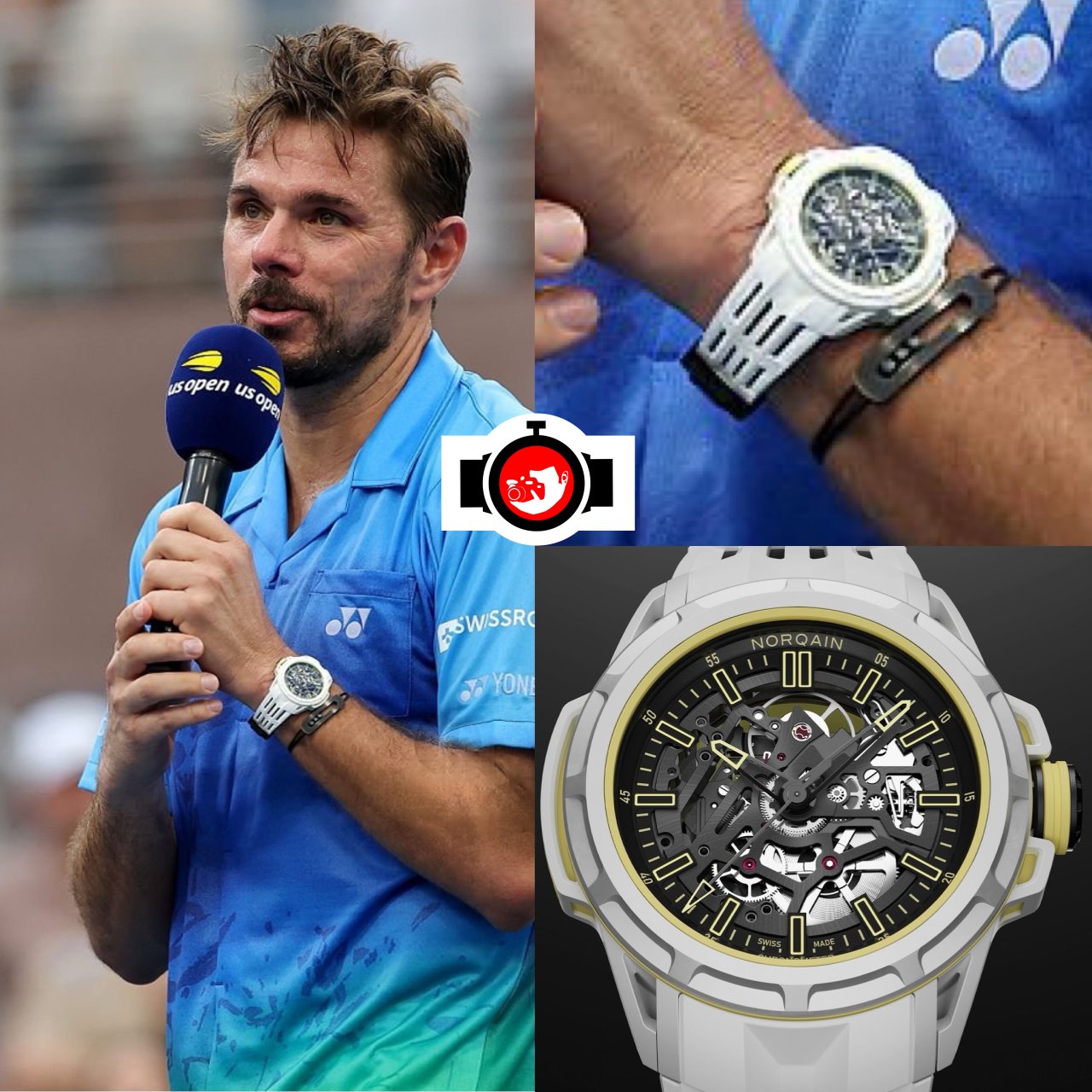
Stan Wawrinka wearing Norqain
Norqain Wild ONE Skeleton X-Lite 'Wimbledon White' Prototype with X-Lite Carbon Fiber Composite Case
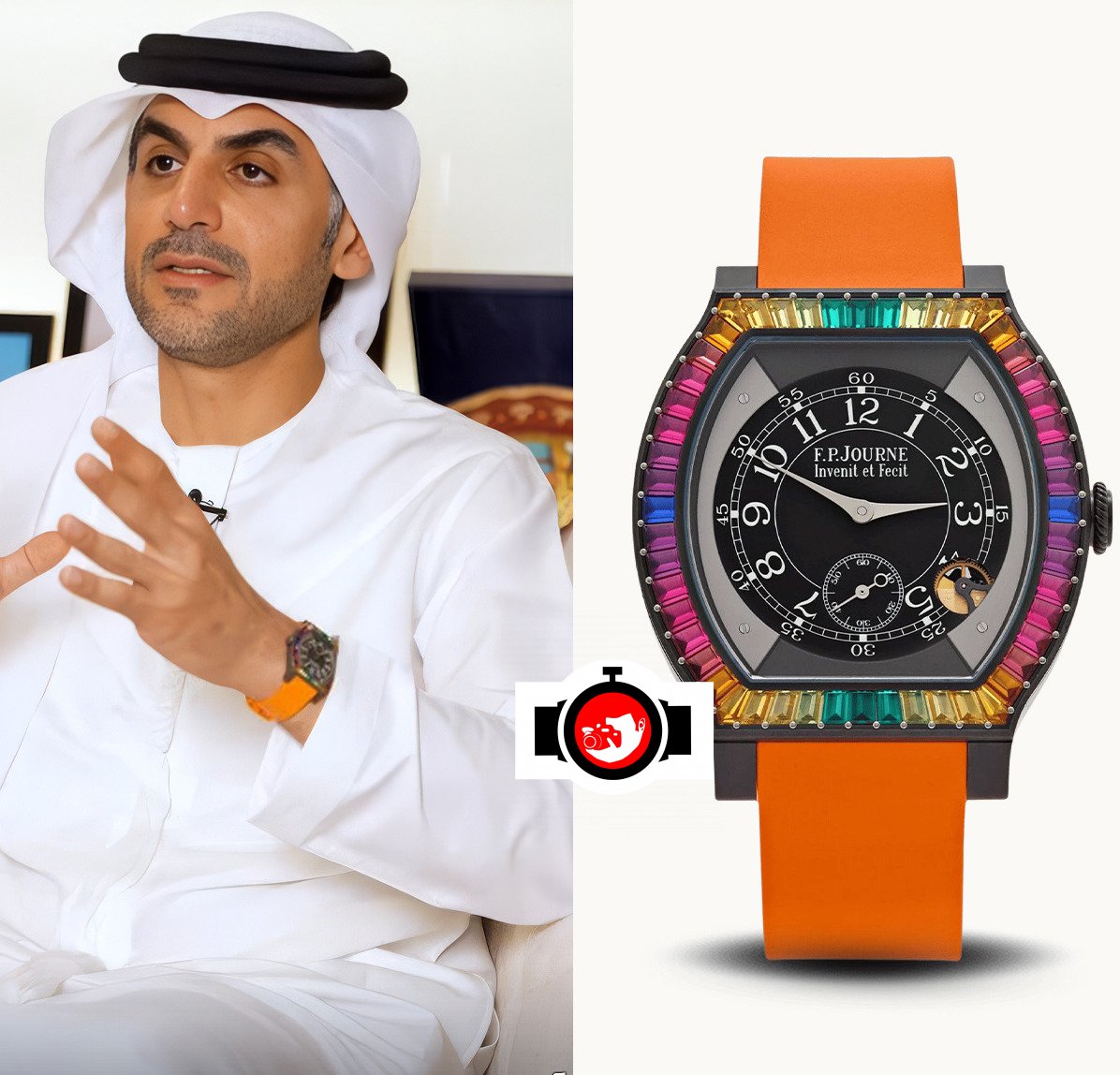
Marwan Ibrahim Haji Nasser wearing F.P. Journe
F.P. Journe Élégante 'Gino's Dream' Rainbow Titanium Watch with Rainbow Baguette Bezel
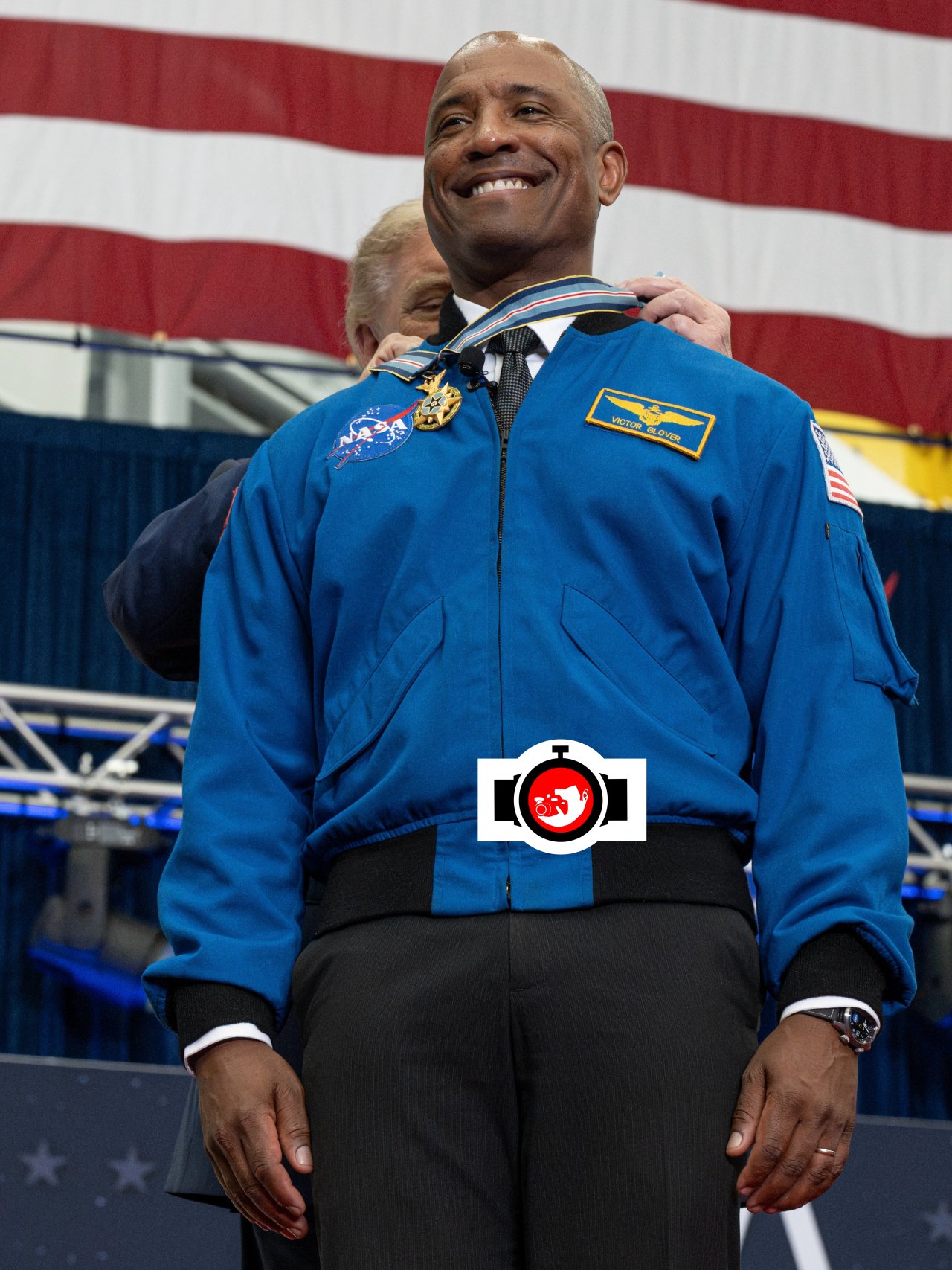
Victor Glover wearing Breitling
Breitling Pilot Watch with NASA Logo Worn by Artemis II Astronaut Victor Glover
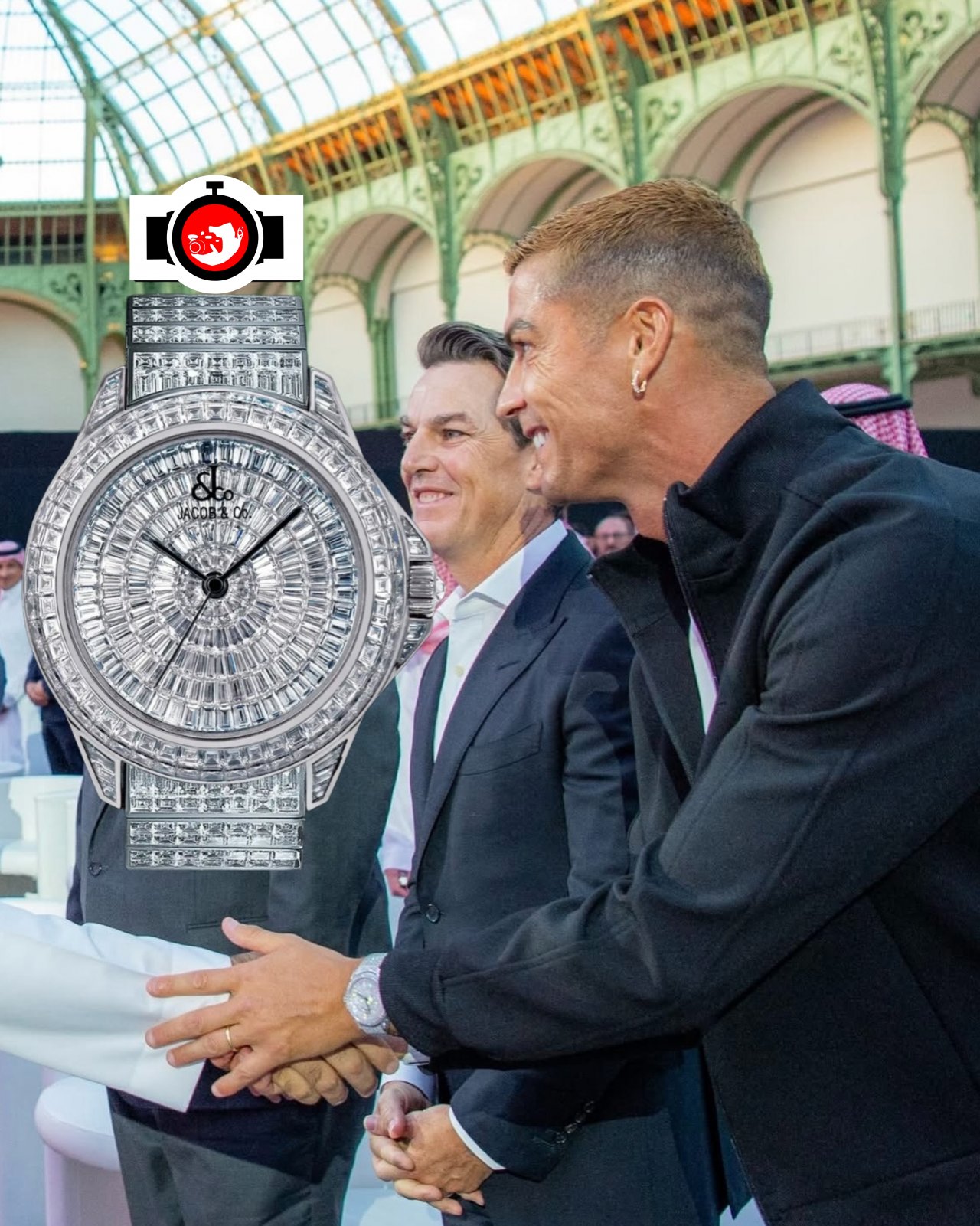
Cristiano Ronaldo wearing Jacob & Co
18K White Gold Jacob & Co Royal Baguette with 59 Baguette-Cut Diamonds