
Astronaut Gordon Cooper spotted wearing a Bulova
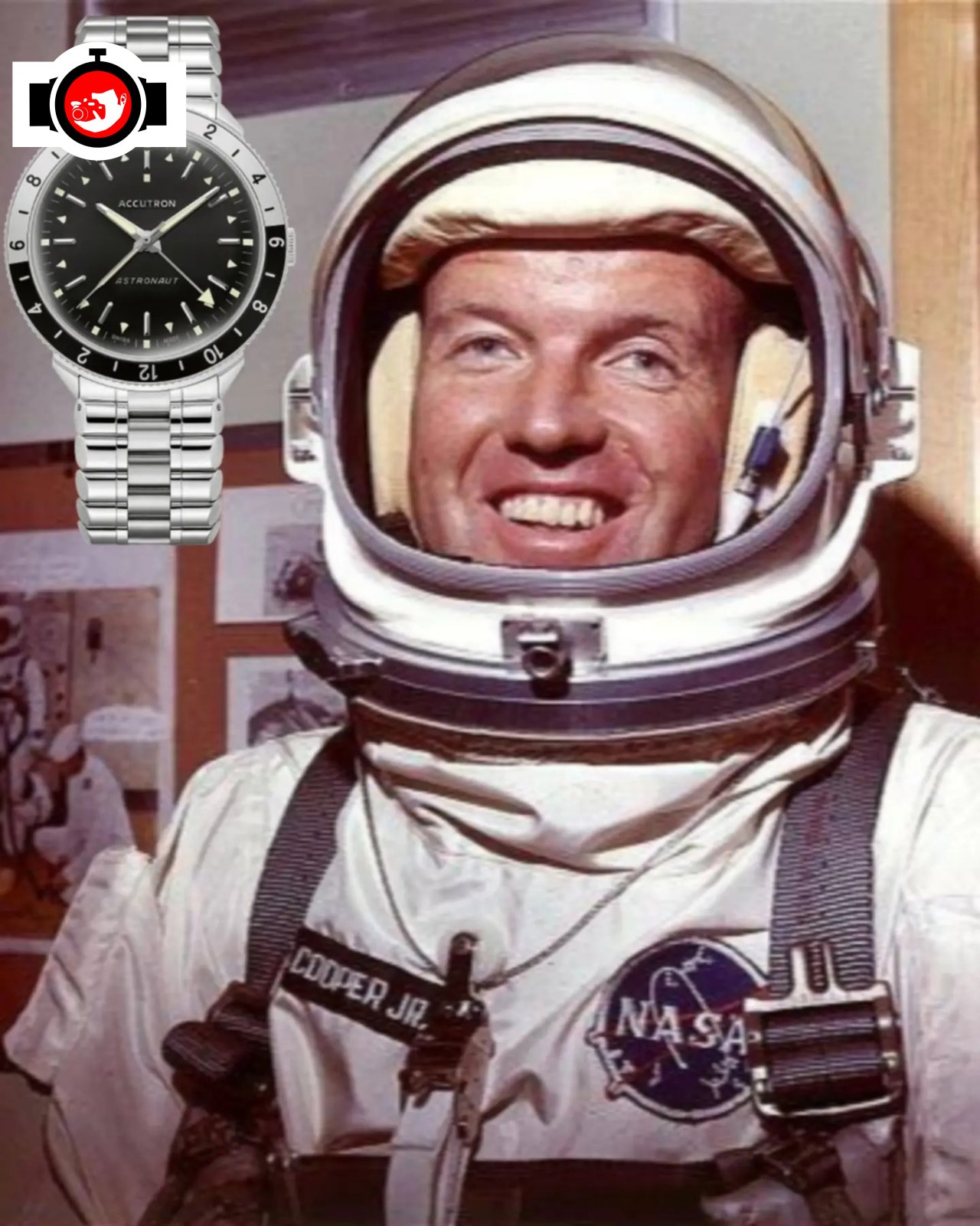
In May 1963, Project Mercury astronaut Gordon Cooper launched aboard Mercury-Atlas 9 with two precision timepieces strapped to his wrist: an Omega Speedmaster and a Bulova Accutron Astronaut. When electrical faults crippled his capsule's onboard systems during reentry, the Accutron continued its steady beat—a silent testament to tuning-fork technology's superiority over traditional escapements in the harshest environments.
The Bulova Accutron Astronaut represents a watershed moment in watch design. Unlike conventional balance-wheel movements, the Accutron houses a 214-Hz electronic tuning fork vibrating 360 times per second, regulated by a transistor circuit and powered by a single silver-oxide battery. This 214 calibre eliminates the friction inherent to mechanical pivots, achieving chronometer-grade accuracy (±2 seconds per month) without the wear. The stainless steel case measures 35 mm across, housing a black dial with applied gilt indices and Mercedes-style hands; the unidirectional bezel rotates on ball bearings, and a 60-second subdial sits at 6 o'clock. Water resistance reaches 100 meters—adequate for pilot and astronaut duty. The bracelet, likely an original Speidel or Bulova rivet-link unit, tapers toward a fold-over clasp typical of early-1960s construction.
The Accutron Astronaut occupies a unique place in horological history. While the Omega Speedmaster would eventually become the official NASA EVA watch, the Accutron proved its mettle under real mission stress. Bulova marketed the model explicitly to aerospace professionals, and its appearance on Cooper's wrist during America's most dramatic spacecraft malfunction became an unplanned but devastating endorsement of electronic precision. Production ran from 1962 to the late 1960s, making this reference relatively obtainable compared to contemporary Speedmasters, yet far scarcer than standard Accutrons.
Cooper's Mercury-Atlas 9 mission crystallized the Accutron's reputation among astronauts and collectors. Fellow pilot Wally Schirra also wore Accutrons during Gemini flights. The pairing of tuning-fork technology with human spaceflight established an aesthetic and functional bond that resonates with watch enthusiasts today: the Accutron Astronaut embodies the optimism and engineering ingenuity of the Space Age.
Original Bulova Accutron Astronaut examples in serviceable condition typically fetch $1,200–$2,000 on the grey market, reflecting their historical significance and rarity. Well-preserved examples with original dial and hands command premiums; however, the model lacks the stratospheric prices of contemporary Speedmasters, offering collectors a gateway into authentic space-race horology.
More watches like this
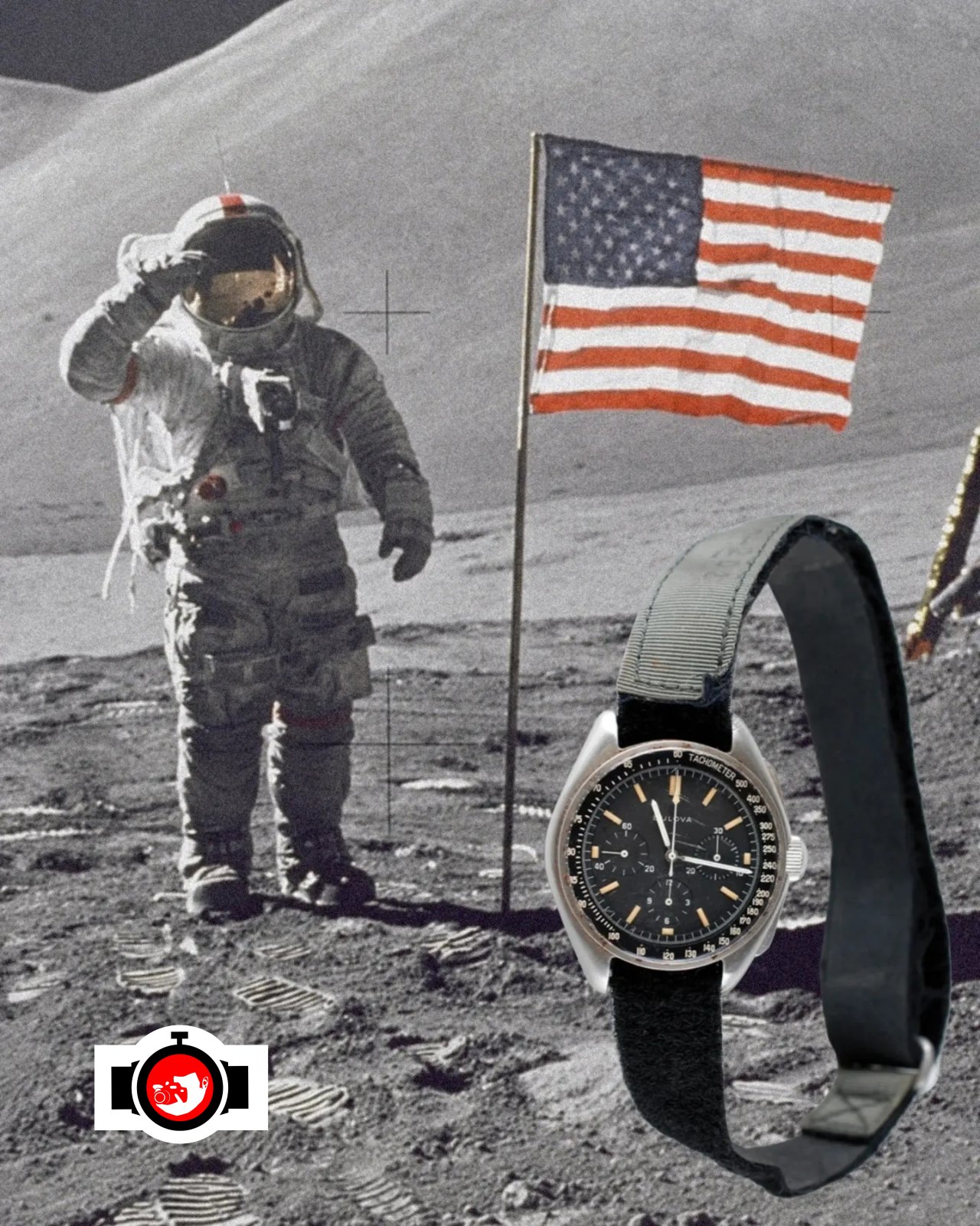
David Scott wearing Bulova
Bulova UTA-63B Chronograph: The Personal Timepiece Worn on the Moon During Apollo 15

Bugsy Siegel wearing Bulova
Bugsy Siegel's 18K Yellow Gold Bulova Art Deco Tank-Case Wristwatch with Mesh Bracelet – circa 1940s

Ali Siddiq wearing Bulova
Bulova American Clipper Automatic Steel 96C130 – Ali Siddiq

Vasco Rossi wearing Bulova
Bulova Accutron Spaceview Reference 770 – Vintage Tuning Fork Watch Spotted on Vasco Rossi

Paul Newman wearing Bulova
Bulova Accutron Spaceview Stainless Steel Skeleton Dial – Paul Newman Spotted

Juan Mata wearing Bulova
Bulova Accu-Swiss Percheron Treble Manchester United Limited Edition – Juan Mata Sighting

Louis Van Gaal wearing Bulova
Bulova Accu-Swiss Percheron Treble Automatic – Manchester United Limited Edition (Black PVD / Red Accent)

Memphis Depay wearing Bulova
Bulova Accu-Swiss Percheron Treble Manchester United Limited Edition Automatic – Black DLC / Red Accent
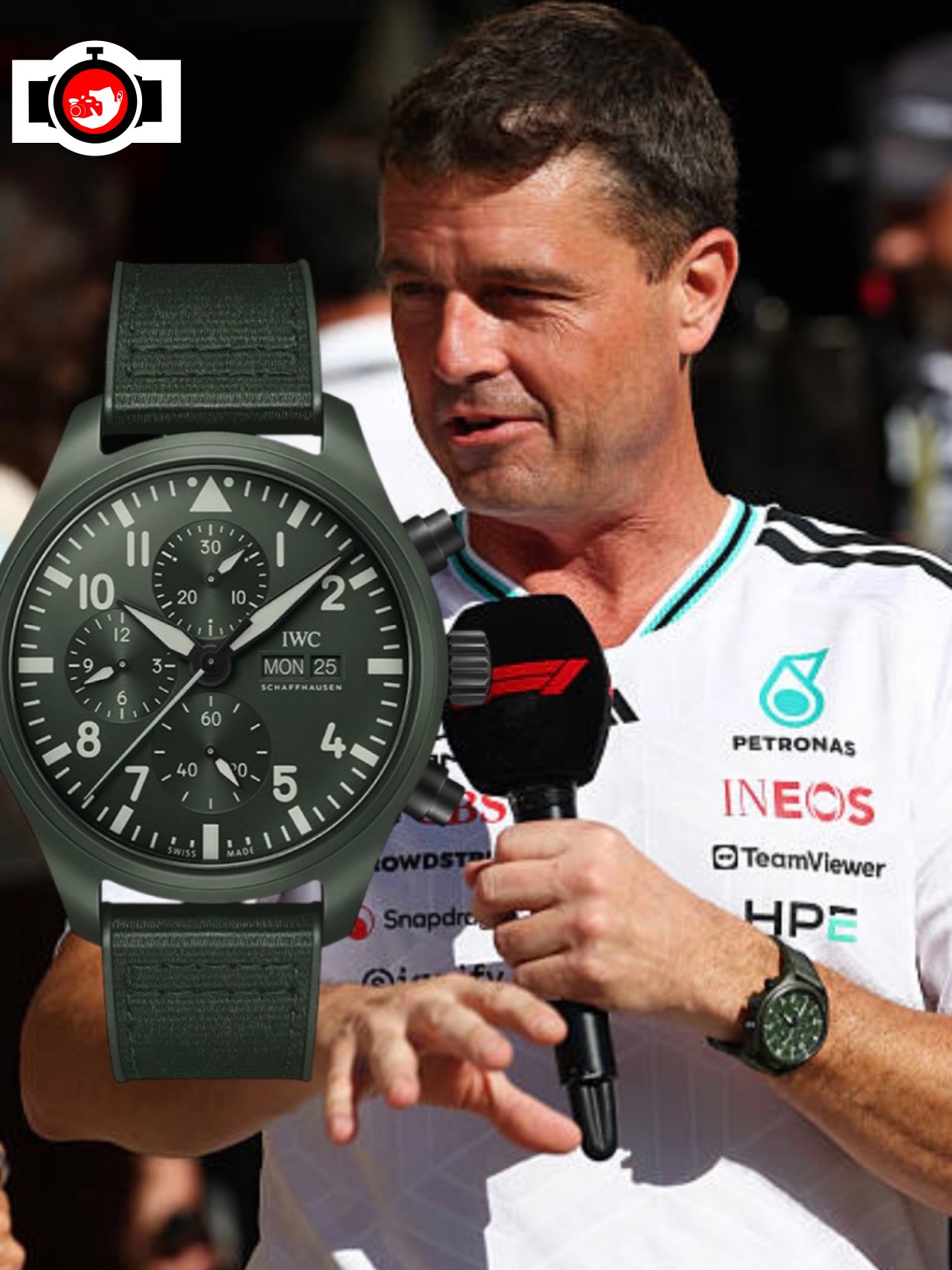
Reid Wiseman wearing IWC
IWC Schaffhausen Pilot's Chronograph 'Woodland' Ref. IW389101 with Olive Green Dial and Fabric Strap
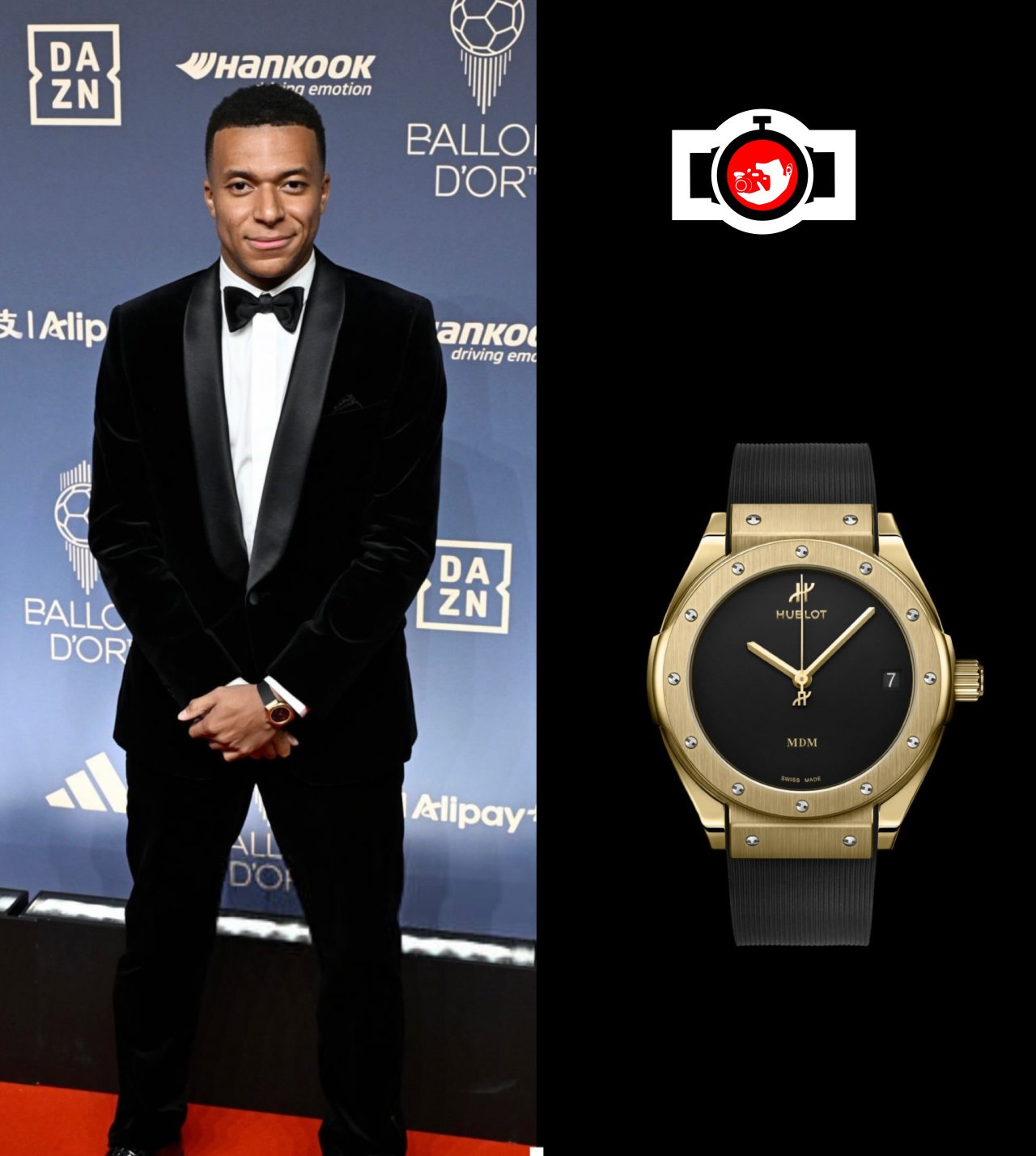
Kylian Mbappé wearing Hublot
18K Yellow Gold Hublot Classic Fusion Tributo Ref. 521.CM.1771.RX with Matte Black Dial and Black Rubber Strap
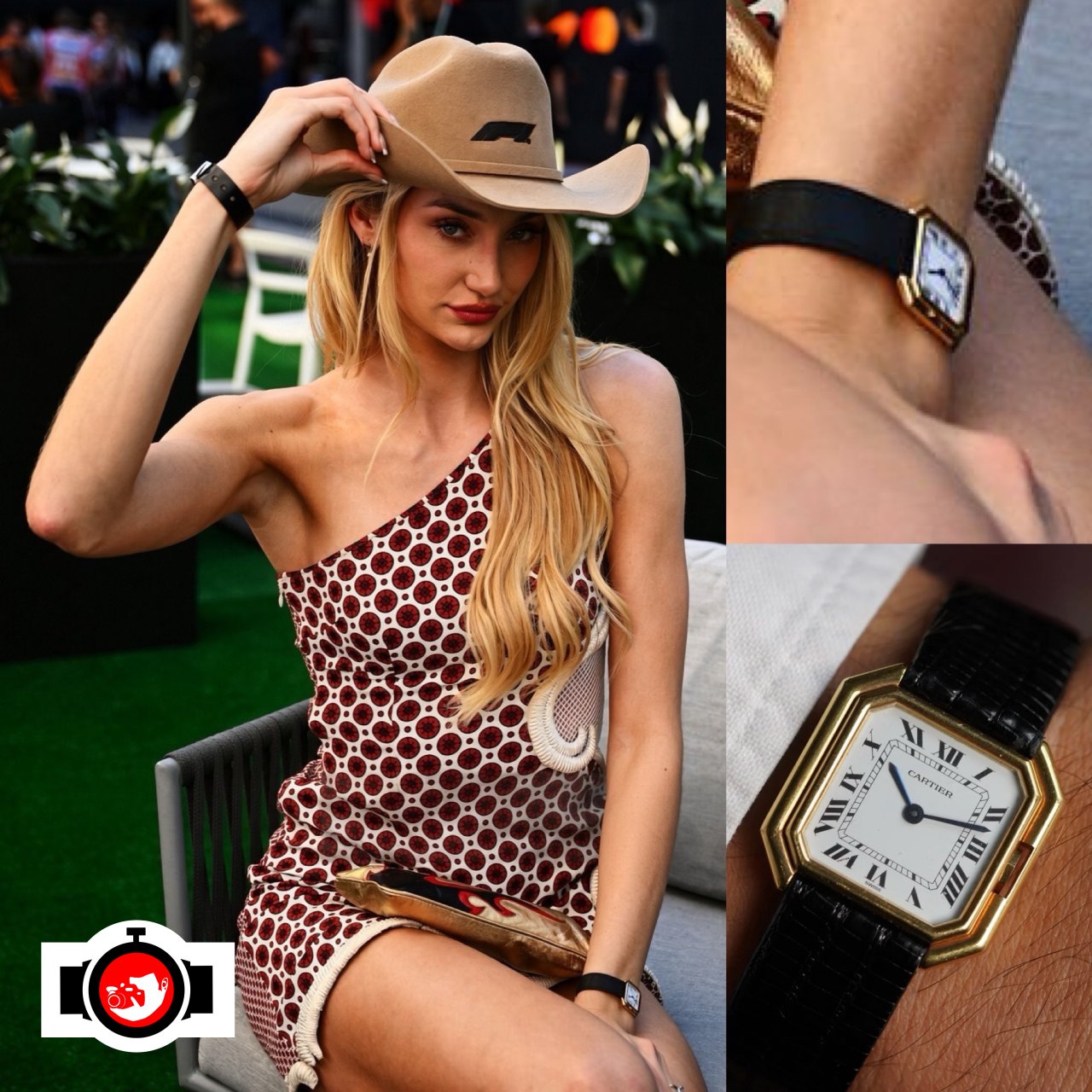
Cameron Brink wearing Cartier
18k Yellow Gold Cartier Ceinture with Roman Numeral Dial and Black Leather Strap

Michael Jordan wearing A. Lange & Söhne
A. Lange & Söhne Datograph Perpetual Ref. 410.048 White Gold with Chronograph and Perpetual Calendar on Bracelet